The perennial industry debate regarding the viability and creation of the modern movie star has reached a critical juncture. As Hollywood navigates a landscape defined by significant content contraction, corporate mergers, and the fragmentation of traditional media consumption, the mechanism for elevating talent has undergone a profound transformation. While legacy studios grapple with the decline of the traditional blockbuster model, a new cohort of performers—shaped by the digital-first habits of Gen Z and the rapid ascendancy of streaming-native series—is effectively rewriting the playbook for fame.
The Evolution of the Stardom Pipeline
For decades, the path to superstardom followed a predictable trajectory. From the Golden Age icons like Clara Bow to the mid-century magnetism of James Dean and the collective cultural dominance of the 1980s Brat Pack, stardom was largely contingent on the ability to satisfy the zeitgeist through theatrical performance. By the late 2010s, this model shifted toward intellectual property (IP). The meteoric rise of Tom Holland and Zendaya following their integration into the Marvel Cinematic Universe in 2017 underscored a trend where the franchise was the primary driver of the performer’s brand. Simultaneously, the "auteur pipeline"—exemplified by Timothée Chalamet’s breakout in Luca Guadagnino’s Call Me by Your Name—offered a secondary, prestige-oriented route via the film festival circuit.
However, the current landscape of 2026 presents a different reality. The industry is currently experiencing what some analysts characterize as an "entertainment K-curve." While mid-budget projects have largely disappeared from theatrical slates, replaced by either high-stakes tentpoles or low-budget genre experiments, the vacuum has been filled by high-production-value streaming series. Shows such as The Summer I Turned Pretty, Sterling Point, and Off Campus have demonstrated an unprecedented ability to forge instant, fervent fan bases.
The Shift Toward Streaming-Native Breakouts
The rise of stars like Lola Tung and Stephen Kalyn illustrates the speed at which today’s talent can move from obscurity to household names. A primary factor in this shift is the demographic dominance of the young adult (YA) audience. Amazon’s Off Campus, for instance, secured 36 million global viewers within its first 12 days of release, marking it as the most-viewed debut season on Prime Video among the 18-to-34 female demographic. Similarly, the HBO Max series Heated Rivalry reported 10.6 million U.S. viewers, with women comprising two-thirds of that audience.
This data highlights a significant disconnect: while the audience for these series is massive and demographically potent, the current theatrical slate remains largely indifferent to these viewers. Romantic comedies and character-driven dramas, historically the bread and butter of mid-tier theatrical growth, have been relegated to streaming platforms. Consequently, young stars find themselves in a precarious position where their fame is built on digital platforms, yet their long-term industry viability is still measured by their ability to anchor a theatrical feature.
Strategic Transitions to the Big Screen
Industry veterans and talent representatives now emphasize that theatrical film remains the only definitive metric for "staying power." The prevailing advice for rising talent is to prioritize roles in high-budget, studio-backed features, even when those roles are supporting parts beneath established A-listers. This strategy serves two purposes: it associates the rising talent with the marketing muscle of a major studio—which includes robust P&A (prints and advertising) spending—and it avoids the pitfalls of leading a failing franchise.
The risk of "IP fatigue" has become a central concern for talent agents. With the audience, particularly the "Letterboxd generation," showing a marked preference for director-driven cinema over generic superhero narratives, being cast as the lead in a major franchise is no longer a guaranteed trajectory to stardom. Recent performance data for high-profile projects like Supergirl and Masters of the Universe suggest that audiences are increasingly discerning, rendering the "toy-turned-tentpole" strategy less effective than it was in the early 2020s.
To mitigate these risks, the 2026 class of stars is adopting a "range-first" approach. Talent that breaks out in horror or YA drama is now actively seeking roles in auteur-driven features to prevent being pigeonholed by casting directors. This diversification of the portfolio is essential, as the industry continues to scrutinize whether a star’s digital following translates to ticket sales at the box office.
The Role of Luxury and Global Brand Partnerships
Complementing their on-screen efforts, the modern star has leveraged the "extracurricular" economy of luxury branding. In the past, fashion campaigns were a secondary benefit of stardom. Today, they are a primary pillar of brand identity. The rapid conversion of social media influence into high-end partnerships is now standard.
Connor Storrie’s recent trajectory serves as a primary case study. Following his breakout performance in Heated Rivalry, Storrie secured a beauty contract with YSL and an ambassadorship with Tiffany & Co. within a twelve-month window. Similarly, Hudson Williams’s role as the face of Balenciaga’s Summer 2026 campaign, coupled with a Bulgari ambassadorship, illustrates how quickly luxury brands are moving to capitalize on zeitgeisty talent. Inde Navarrette, following the $500 million box office performance of Obsession, transitioned seamlessly into a role as the face of Gap’s Fall 2026 collection and a David Yurman holiday campaign.
These partnerships offer more than just visibility; they provide financial independence. When a single luxury endorsement can generate more revenue than a sophomore film project, talent gains the leverage to be selective about their professional output. This financial cushion allows actors to prioritize projects that align with their long-term career goals rather than accepting roles simply for survival.
Implications for the Future of Theatergoing
The resurgence of the younger demographic as the primary theatrical audience—a trend noted by industry observers observing the success of stars like Nicole Kidman in drawing younger crowds—challenges the outdated assumption that "kids only stream." In the spring of 2026, the success of Obsession demonstrated that if the product is right, the younger demographic remains willing to engage with the theatrical experience in significant numbers.
Despite this, the industry remains in a period of transition. As legacy studios attempt to balance the necessity of new talent with the risk-averse nature of current investment strategies, the "Next Gen" class faces a high-pressure environment. For those who can navigate the complex intersection of streaming popularity, theatrical prestige, and luxury brand building, the opportunity to define the next era of Hollywood is substantial.
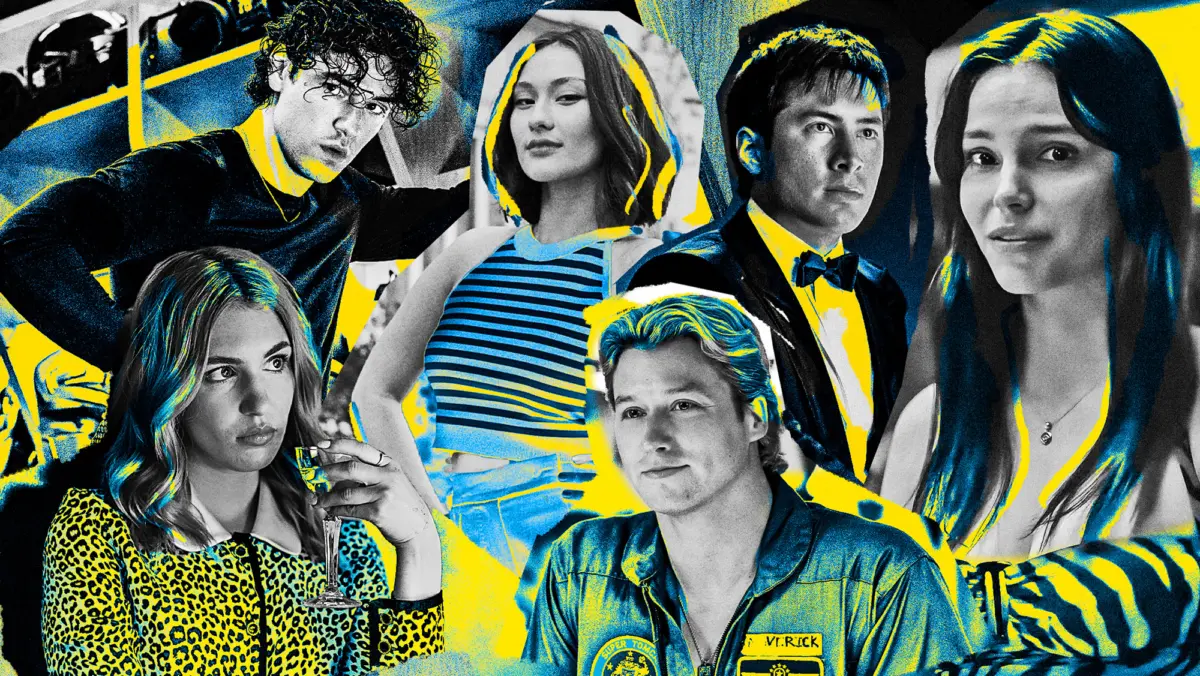
The industry’s reliance on a static list of veteran names—some of whom have anchored the box office for over two decades—is unsustainable. As even the most reliable "sure bets" like Tom Cruise face diminishing returns, the necessity for a new generation of stars to carry the mantle has shifted from a preference to an existential requirement for the studios. The 2026 Next Gen list serves as the industry’s roadmap for this transition, highlighting a group of performers who possess the necessary combination of digital reach, brand adaptability, and performance range to fill the void.
Ultimately, the future of the movie star will not be determined by the size of a social media following alone, but by the ability to pivot between the fragmented demands of the streaming age and the enduring, legacy-building power of the cinema. For the talent identified in this year’s cohort, the window to prove their longevity is narrowing, but the opportunities for those who execute their strategy correctly have never been more diverse.