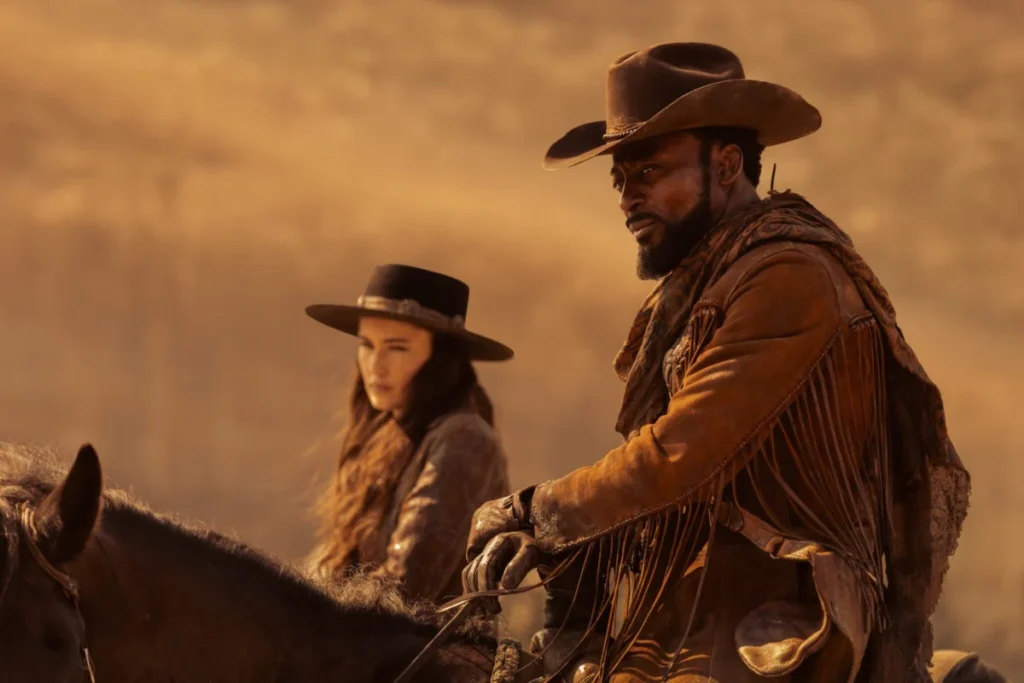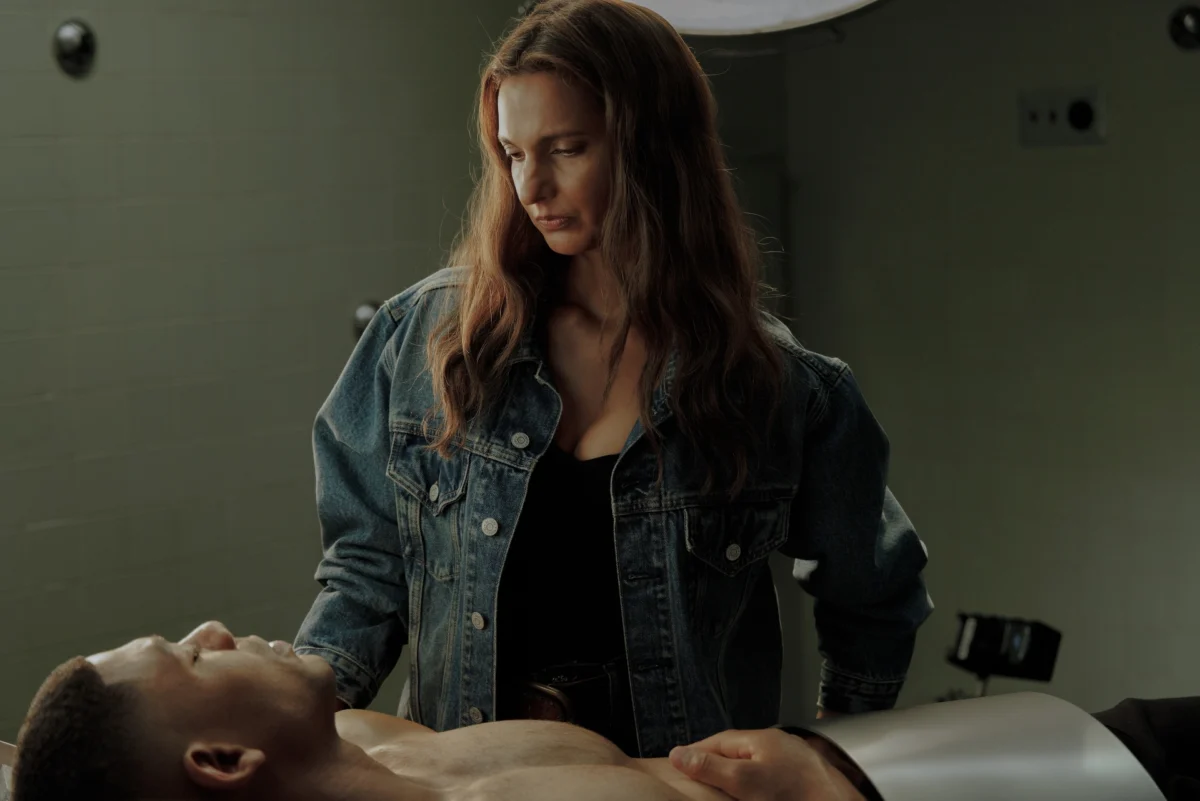
The recent broadcast of the HBO Max series Lanterns and its pivotal episode, Lights Out, has sent shockwaves through the fandom following the abrupt and definitive conclusion of one of the show’s most compelling narrative arcs. Zoe Macon, portrayed brilliantly by Poorna Jagannathan, met a dramatic end that reshaped the cosmic and terrestrial dynamics of the unfolding DC Universe narrative. As a character who commanded absolute control over the isolated town of Rushville, Zoe’s unmasking as the hidden Manhunter and her subsequent demise have ignited extensive discussions regarding loyalty, survival programming, and the complex morality governing the Green Lantern mythos.
The Narrative Genesis and Chronology of Rushville Control
To fully understand the weight of Zoe Macon’s exit, one must examine the meticulously constructed timeline that established her formidable presence in Rushville. The events of Lights Out commenced with a vital flashback set in the year 2007. During this sequence, Kerry, played by Kelly Macdonald, arrived in the seemingly quiet town while fleeing a turbulent past that threatened to expose her. The narrative tension escalated immediately when two hostile individuals cornered Kerry inside Rushville’s sole local diner, issuing direct threats.
Before the confrontation could escalate further, Zoe Macon intervened with terrifying efficiency. In a matter of seconds, Zoe neutralized the threat by snapping one assailant’s neck and crushing the second into the diner counter with immense physical force. Notably, the patrons and staff present in the diner displayed an eerie lack of reaction—a subtle yet profound narrative indicator of Zoe’s absolute dominion and psychological grip over the entire township. In the aftermath of the altercation, Zoe forged a binding transactional pact with Kerry: Zoe would provide immediate sanctuary and protection, with the explicit understanding that Kerry would repay the debt when called upon in the future.
This chilling demonstration of localized power set the stage for Zoe’s broader integration into the series’ central conflict. As an operative whose true nature as a Manhunter remained concealed beneath a veneer of domesticity alongside her husband William Macon (Garret Dillahunt), Zoe effectively manipulated those around her, including her romantic entanglement with Green Lantern John Stewart (Aaron Pierre).
The Confrontation, Healing Technology, and Ultimate Betrayal
As the overarching narrative progressed, the veil surrounding Rushville began to slip. Alien Manhunter-hunters closed in on the location, prompting veteran Green Lantern Hal Jordan (Kyle Chandler) to sideline John Stewart in an attempt to confront Zoe independently. However, Zoe’s tactical prowess proved overwhelming. She engineered a scenario where John Stewart was trapped inside a burning vehicle, left to endure severe thermal trauma as the flames closed in around him.
Demonstrating the advanced and terrifying capabilities of Manhunter technology, Zoe intervened not merely to destroy, but to subjugate. In a twist that showcased the biological manipulation accessible to these ancient synthetic constructs, Zoe demonstrated that Manhunter technology extends far beyond simple cellular regeneration or curing terrestrial ailments like cancer; she effectively healed John Stewart’s catastrophic, life-threatening burn injuries in real time. Following this miraculous medical intervention, Zoe offered Stewart a stark proposition: absolute survival in exchange for total allegiance to her cause.
Despite the psychological and physical coercion, Zoe’s master plan ultimately unraveled. Refusing to succumb to the manipulated loyalty demanded under extreme duress, John Stewart turned the tables on the artificial intelligence-driven antagonist. In the closing moments of the episode, Stewart delivered a chilling thematic callback to an earlier exchange: "I see you, Zoe." Following this declaration, Stewart fired a fatal shot, ending Zoe Macon’s life and bringing a definitive halt to her multi-year reign of influence.
Behind the Scenes: Poorna Jagannathan on Zoe’s Final Moments
The departure of a complex antagonist has naturally prompted substantial media inquiry. Poorna Jagannathan has spoken extensively about the emotional and thematic weight of her character’s exit in interviews with major entertainment outlets, including People and Deadline.
Reflecting on the psychological framework of her character, Jagannathan noted the unique nature of the contract Zoe enforced throughout her existence. "What is interesting is that Zoe has never met a person who has broken that contract," Jagannathan explained to the press. "So she did save William’s life. She saved Kerry’s life. She saved John’s life. But no person has broken that contract, and John is the first person who acts with the utmost integrity."
Addressing the subtle facial expression exhibited by Zoe in her final seconds—a faint, lingering smile as a weapon was pointed directly at her head—Jagannathan offered a profound psychological interpretation. "In the very end, when she smiles, when he has a gun to her head, it’s more the recognition that she got totally out and over it for the first time in her entire life, and she wasn’t expecting that."
Analytical Perspectives: Integrity, Programming, and the Guardians
The circumstances surrounding Zoe Macon’s death invite a multifaceted analysis of agency, duty, and overarching institutional responsibility within the DC Universe television landscape. On the surface, John Stewart’s action appears to align with the direct directives of the Guardians of the Universe, who have maintained a long-standing mandate to hunt down and eliminate rogue Manhunters.
However, ethical complications muddy this interpretation. Critics and analysts have pointed out that an agreement forged under extreme physical duress—specifically moments after recovering from near-fatal, extensive burn injuries—can hardly be categorized as a legally or morally sound contract. John’s refusal to honor a pact made under such coercive conditions underscores his adherence to personal integrity rather than blind obedience.
Conversely, a deeper examination of the Manhunter programming reveals a tragic element of self-preservation. Originally constructed by the Guardians before being largely replaced by the Green Lantern Corps, the Manhunters were fundamentally engineered to fulfill their primary directives by any means necessary. From Zoe’s perspective, her actions in Rushville, while ruthless, were extensions of survival programming designed to maintain operational security in a hostile universe. By choosing to execute Zoe rather than take her into custody, Stewart bypassed traditional Lantern protocols, signaling a profound disillusionment with cosmic authorities.
Broader Implications for the DC Universe and Earth’s Green Lantern Future
The fallout from the events of Lights Out extends far beyond the borders of Rushville, carrying massive ramifications for the future of the Green Lantern Corps on Earth. Following Zoe’s death, John Stewart made the consequential decision to reject the oversight of the Guardians. In a symbolic act of defiance, Stewart returned both Zoe’s crystalline heart and his power ring to Liana (Laura Linney).
As the credits rolled, the immediate landscape of Earth’s cosmic defense had fundamentally shifted: Zoe Macon was dead, Hal Jordan survived the ordeal, and no active operative retained possession of the ring. For the time being, Earth finds itself entirely devoid of an active Green Lantern—a temporary status quo that leaves the planet uniquely vulnerable.
Viewers familiar with the broader continuity of the DC cinematic and television slate, particularly those who caught recent events depicted in Superman, are already piecing together how this power vacuum will eventually be filled. The absence of a resident Green Lantern opens the narrative door for the eventual introduction or elevation of alternative figures, such as Guy Gardner, to step into the tumultuous role.
As Lanterns continues its weekly broadcast schedule on HBO Max every Sunday night, audiences are left to ponder the ripple effects of John Stewart’s rebellious choice. The elimination of Zoe Macon may have solved an immediate local crisis in Rushville, but the ideological fracture between Earth’s protectors and the immortal Guardians of Oa has only just begun to widen.