The annual awards season, a year-round venture for industry observers and enthusiasts alike, sees its focus shifting from cinematic achievements to the vast and ever-expanding realm of television as the Emmys approach. Weeks before the Academy Awards concluded on March 15, the intricate machinery of Emmy campaigning was already in full motion, tracking the myriad of shows vying for recognition. While the Emmy Awards ceremony traditionally takes place in September, the preparation, much like its cinematic counterpart, commences many months prior. As the Cannes Film Festival enters its second week, sparking early debates about future Oscar contenders, similarly, the Emmy luncheons, strategically placed billboards, exclusive screenings, and public Q&As have been meticulously orchestrated for an extended period.
The May Rush: A Critical Eligibility Window
May marks a critical juncture in the Emmy calendar, often likened to the Oscar-season intensity of December for the television industry. This period witnesses a significant rush, predominantly from streaming platforms, to release their eligible shows ahead of the crucial May 31 eligibility deadline. Traditional cable and broadcast networks, with their established fall-to-spring release schedules, typically plan their episodic releases well in advance. The palpable increase in new television content over the past few months is a direct consequence of this strategic push. Just as conventional wisdom dictates that fall film releases are advantageous for Oscar consideration, marketing and public relations teams for spring television releases hope that a similar recency bias will enable their projects to cut through the intensely crowded field of contenders.
A Landscape Shaped by Consolidation: The Streaming Wars Aftermath
The contemporary television landscape, though slightly less inundated than the "Peak TV" era of a few years ago, remains remarkably crowded. The so-called "Streaming Wars" did not culminate in clear victors but rather in a significant wave of corporate consolidation across Hollywood, reshaping the competitive playing field. The Emmy race is now fundamentally a contest among a handful of legacy studios and their streaming arms: Disney (encompassing ABC, Fox, FX, and Hulu), Paramount (CBS, Paramount+, Showtime), Warner Bros. Discovery (HBO and HBO Max), and Universal (Bravo, NBC, Peacock), alongside major independent streaming entities like Apple TV, Netflix, and Prime Video. This concentrated ownership means many familiar corporate entities from Oscar season are also dominant forces in the television awards circuit.
Distinct Dynamics: Emmy vs. Oscar Nominations
The nomination processes for the Emmys and the Oscars, while both celebrating excellence, exhibit significant differences. Foremost among these is the sheer volume of contenders, not only in terms of shows but also individual talent. Unlike the Oscars, which typically nominate five films in most categories (with Best Picture allowing up to ten), the Emmy categories are considerably broader. The number of nominees is determined by the total number of submitted entries, leading to a more expansive recognition. Consequently, major categories such as Outstanding Comedy Series and Outstanding Drama Series often feature eight nominated shows, while Outstanding Limited or Anthology Series typically includes five. The acting categories also fluctuate annually, frequently featuring more supporting nominees than lead performers, reflecting the ensemble nature of television. This intricate mathematical framework leads to record-breaking nomination hauls, such as The Bear and The Studio tying for the most comedy series nominations in a single year with 23 nods each, and Game of Thrones holding the drama series record with an astounding 32 nominations in one year.
Furthermore, the television landscape presents a unique challenge: hundreds of shows, far exceeding what any individual can feasibly watch, compete simultaneously. Unlike the Oscars, which primarily honor new films released within a specific calendar year (with occasional sequels), the Emmys feature debut seasons of shows competing directly with established series that have been running for years. Another critical distinction from Oscar season is the absence of definitive precursor awards for television. While film guilds present their awards well in advance of the Oscars, television guilds often hold their ceremonies months after the Emmys, often alongside their film counterparts. This means that brand-new shows, particularly those that premiered in 2025 and are top-of-mind for publicists, enter the Emmy race without the benefit of prior guild recognition. This structural difference makes predicting Emmy outcomes considerably more challenging for prognosticators accustomed to the more layered predictions of the Oscar race.
The Emmy Timeline: A Year-Long Endeavor
The journey to the Emmy Awards is a meticulously planned, multi-stage process spanning several months.
- Early May: The official submission window typically closes, with networks, studios, and individual producers submitting their shows and performers for consideration in various categories. This is a critical period where publicists strategically decide which episodes, actors, and crafts will be put forward.
- May 31: This hard deadline marks the end of the eligibility period. Any show or episode that premiered after this date will be considered for the following year’s awards. This date drives the "May rush" of releases from streaming platforms.
- Mid-June to Early July: The first round of voting commences. The approximately 20,000 members of the Television Academy, divided into various peer groups based on their professional roles, cast their ballots to determine the nominees in each category. This period is heavily influenced by "For Your Consideration" (FYC) campaigns.
- Mid-July: The highly anticipated nominations are announced, garnering significant media attention and shaping the narrative for the final stretch of campaigning.
- August: The final round of voting takes place. Academy members cast their votes for the winners from the list of nominees.
- September: The Primetime Emmy Awards ceremony is held, celebrating the year’s outstanding achievements in television. Separate Creative Arts Emmy Awards are held earlier to honor technical and craft categories.
The "For Your Consideration" Machine: A Multi-Million Dollar Investment

The pursuit of Emmy gold is not merely an artistic endeavor; it is a sophisticated, multi-million dollar marketing campaign. Public relations and marketing teams invest heavily in "For Your Consideration" (FYC) initiatives, designed to capture the attention and votes of the Television Academy’s diverse membership. These campaigns often include:
- Trade Advertisements: Full-page ads in industry publications like Variety, The Hollywood Reporter, and Deadline, featuring key art and accolades.
- Screenings and Q&As: Exclusive events hosted in Los Angeles and New York, offering Academy members opportunities to watch shows on the big screen and interact with creators and cast members. These events often include catered receptions.
- Digital Campaigns: Targeted online advertising, email blasts, and dedicated FYC websites featuring episode screeners, behind-the-scenes content, and critical acclaim.
- Physical Mailers: Though less common than in previous decades, some campaigns still send physical screeners or promotional items to key voters.
- Billboards: High-profile billboards strategically placed in prime locations across Los Angeles, particularly along major thoroughfares, ensuring maximum visibility for voters.
Industry analysts estimate that top-tier Emmy campaigns can cost anywhere from $5 million to $15 million, a significant investment aimed at influencing voter perception and creating "buzz" in an overwhelmingly saturated market. As one veteran public relations strategist, who preferred to remain anonymous due to client confidentiality, remarked, "In this crowded field, merely securing a nomination is often viewed as a significant victory, validating the show’s quality and the campaign’s effectiveness."
Anticipating the Frontrunners: Drama, Comedy, and Limited Series
Despite the inherent unpredictability of the Emmy race, certain contenders emerge as strong favorites, often due to a combination of critical acclaim, popular appeal, and strategic campaigning.
Outstanding Drama Series:
This year, HBO Max’s The Pitt is widely considered a juggernaut. Having just concluded its wildly popular second season, the medical drama is poised to potentially scoop up a second consecutive Emmy for Best Drama Series. Its weekly episode premieres have cultivated a fervent fanbase, generating significant social media discourse and establishing it as one of the closest approximations to a modern "water cooler" show. The Pitt‘s narrative depth, compelling performances, and consistent critical praise position it strongly. It faces stiff competition from previous nominees such as Prime Video’s post-apocalyptic hit Fallout, Apple TV+’s star-studded The Morning Show, Hulu’s dystopian Paradise, and Netflix’s perennial favorite Stranger Things. New entrants like Apple TV+’s compelling political thriller Pluribus and HBO’s gritty police procedural Task are also vying for recognition. However, in a field dominated by a perceived frontrunner like The Pitt, securing one of the remaining seven nomination slots is itself a considerable achievement, underscoring the sentiment often expressed by publicists: "The nomination is the win."
Outstanding Comedy Series:
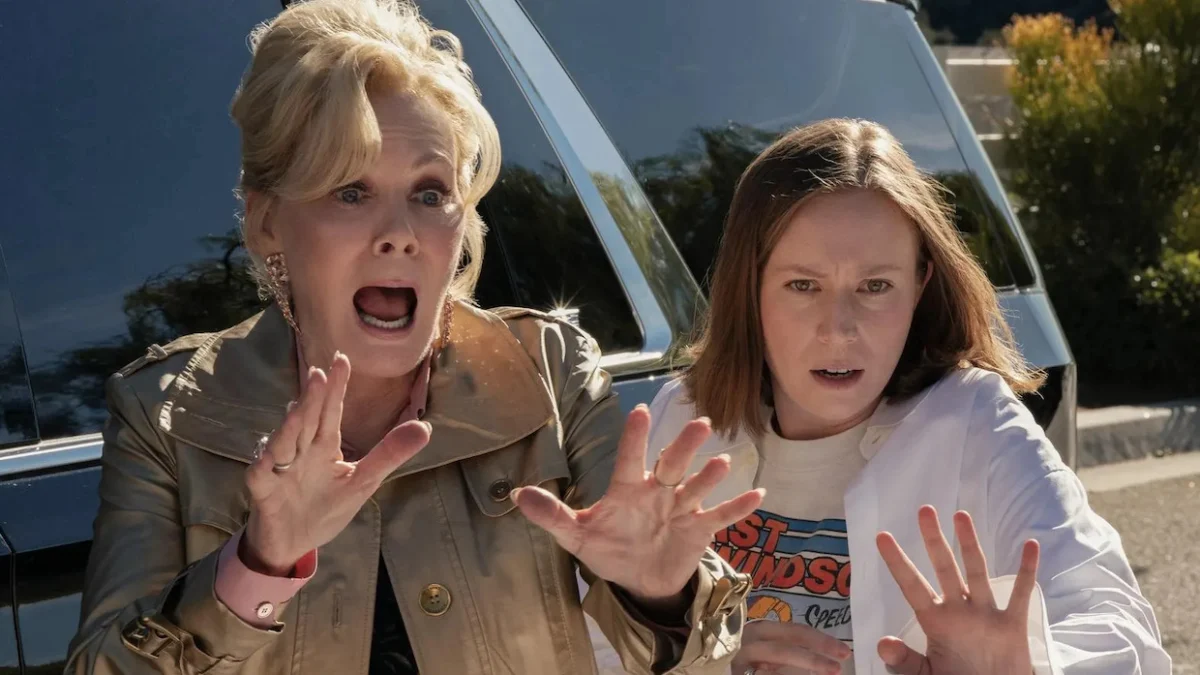
The comedy race presents another compelling narrative, with previous winner Hacks (HBO Max) positioned as a strong contender for its final season. The series, celebrated for its insightful portrayal of the entertainment industry and its sharp comedic writing, could secure its second series win, alongside a potential fifth consecutive Emmy for its lead actress, Jean Smart. Hacks‘s behind-the-scenes Hollywood setting resonates particularly well with industry voters who recognize its realistic depiction. Its path is further cleared as last year’s winner, The Studio, is currently between seasons, preventing it from defending its title. FX’s critically acclaimed The Bear, a previous winner, is also expected to be among the nominees, though some industry observers speculate it might have experienced a slight decline in voter enthusiasm after Hacks notably broke its Emmy-winning streak in 2024. ABC’s beloved network sitcom Abbott Elementary continues to enjoy significant affection from voters, and its longevity (reaching five seasons) is a remarkable feat in an era where the traditional network sitcom is an endangered species. Netflix’s Nobody Wants This and Apple TV+’s Shrinking, both of which earned nominations for their previous seasons, are also strong contenders. Among debut series, Apple TV+’s Margot’s Got Money Troubles stands out as a robust new entry. HBO’s cult favorite The Comeback, despite previous nominations for its star Lisa Kudrow in 2006 and 2015, has surprisingly never landed a nomination for Outstanding Comedy Series, making its potential inclusion this year a topic of quiet anticipation among long-time fans and critics.
Outstanding Limited or Anthology Series:
The Limited/Anthology Series category consistently provides some of the most intriguing and often unpredictable outcomes, making it a favorite among awards prognosticators. Much like the Oscars, most nominees in this category are new productions, with the exception of subsequent seasons of anthology series, which serve as the television equivalent of film sequels. This year features a robust slate of buzzy shows exploring themes of relationship complexities and societal pressures. Netflix’s critically acclaimed Beef, HBO’s provocative DTF St. Louis, and FX’s historical drama Love Story: John F. Kennedy Jr. & Carolyn Bessette all delve into relationship woes from diverse perspectives. Richard Gad, fresh off his Emmy-winning success with 2024’s Baby Reindeer, returns with HBO’s Half Man, a series rumored to be even more harrowing and introspective. Netflix, which saw a significant sweep with Adolescence last year, is back with a fresh adaptation of William Golding’s classic Lord of the Flies, hoping to replicate its success in tales of troubled British youth. Prime Video’s Bait, a half-hour dark comedy starring Riz Ahmed as an actor vying for the role of James Bond, offers a satirical look at Hollywood and identity, embodying a distinctive, modern comedic voice.
The Broader Implications: Navigating the New Television Era
The sheer volume of television content, while a boon for viewers, presents significant challenges for the industry. Voter fatigue is a genuine concern, necessitating increasingly sophisticated and expensive campaigns to stand out. This intense competition also drives innovation in storytelling, leading to a blending of genres, a deeper exploration of contemporary issues, and a willingness to tackle complex themes. The rise of AI and its existential threats, the nuances of human relationships in a digital age, and the pervasive impact of political chaos are all increasingly reflected in the narratives presented on television.
As the Emmy season progresses, industry focus will remain not only on who wins but also on the underlying trends shaping this dynamic medium. The forthcoming weeks of industry analysis will delve deeper into the unsung heroes behind these productions – the writers, directors, craftspeople, and innovators who may not always make the headlines but are crucial to television’s success. Additionally, a closer examination of thematic currents, from the evolving intersection of comedy and genre to the nuanced portrayal of societal anxieties, will offer insights into the collective consciousness reflected on our screens. The endeavor to organize this creative chaos and identify the projects deemed by Emmy voters as the year’s best continues, reflecting the ever-changing landscape of television excellence.