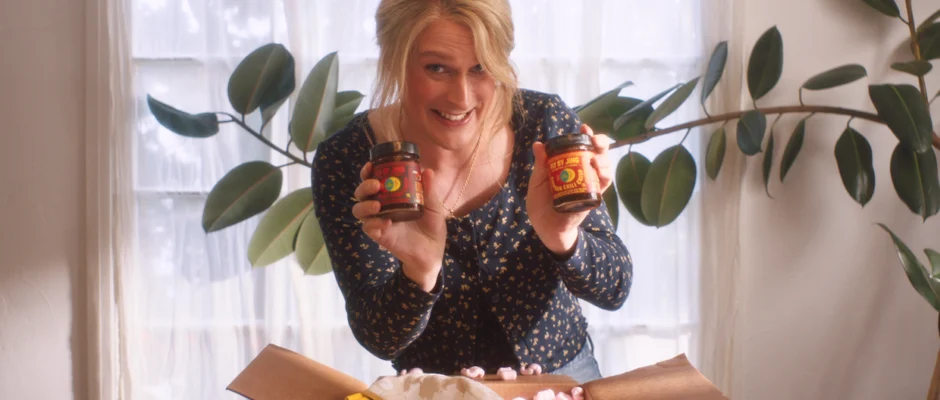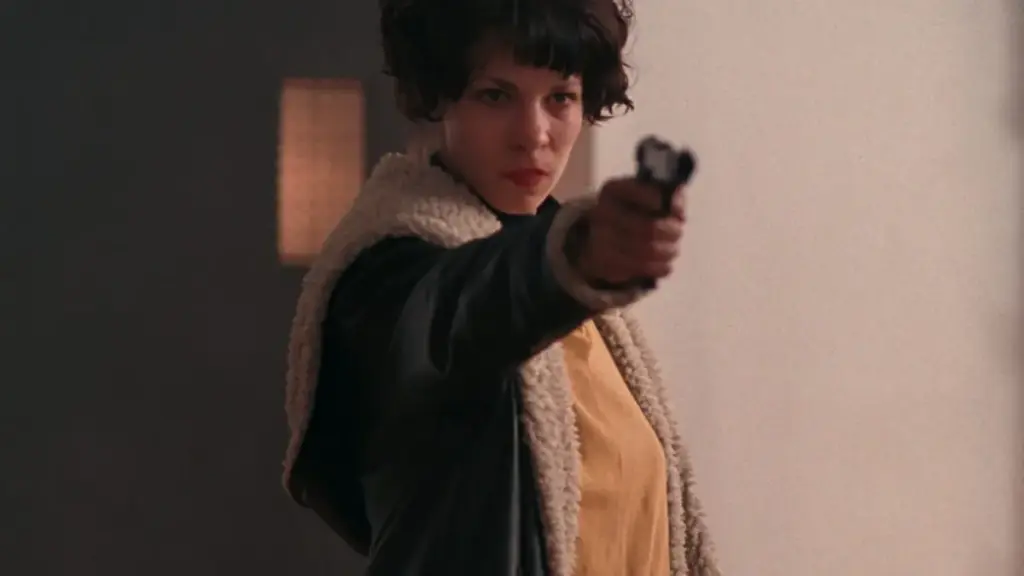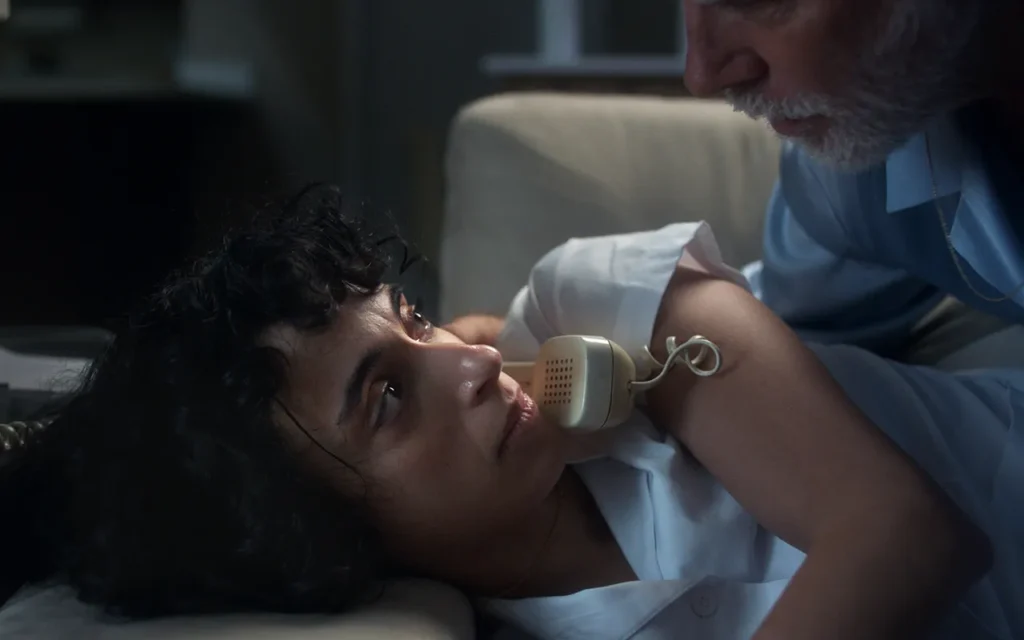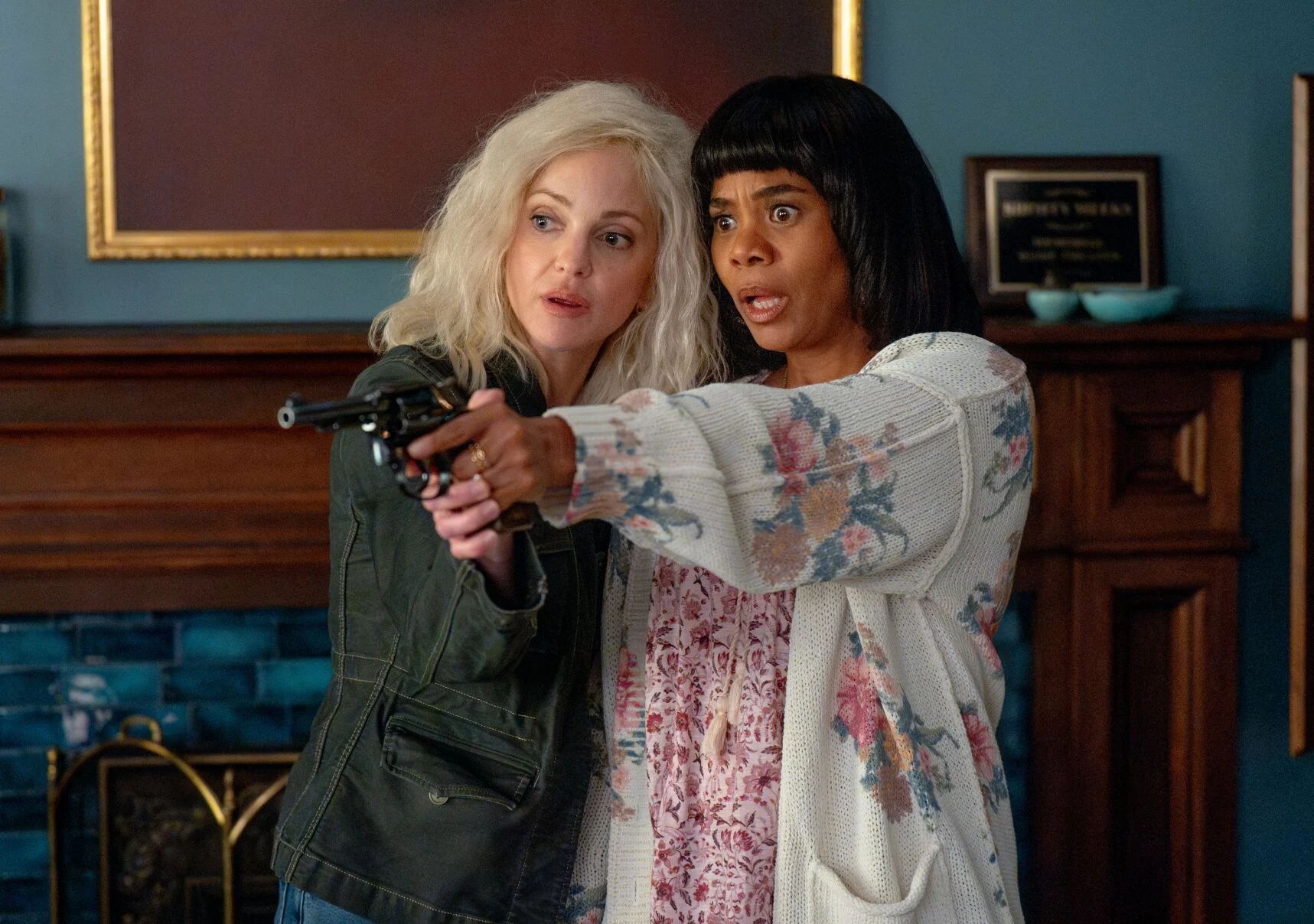
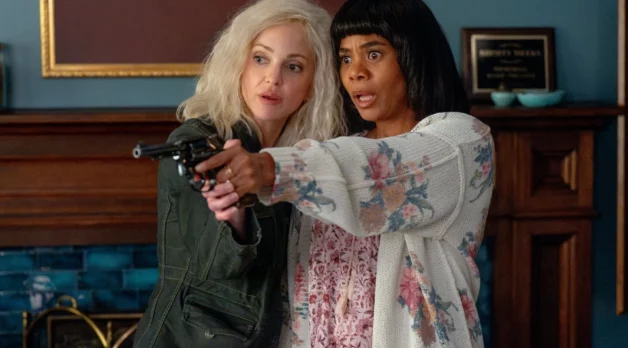
The latest installment in the Scary Movie franchise, released in 2026, marks a significant return for the Wayans family, who pointedly omitted the numeral "6" from its title. This decision is not merely stylistic; it functions as a powerful form of protest and a reclamation of creative ownership after a two-decade-long estrangement from the series. The Wayans family collectively disowned the three films produced in their absence—Scary Movie 3, 4, and 5 (released in 2003, 2006, and 2013, respectively)—following a contentious compensation dispute with Dimension Films and its then-principals, the Weinsteins, in 2001. This long-standing grievance, rooted in issues of creative control and financial equity, forms the underlying narrative spine of the new film, transforming it into a meta-commentary on the very industry it lampoons.
Scary Movie (2026) is unequivocally a Wayans spoof, firmly rooted in their distinctive brand of horror-comedy. It operates as a legacy sequel that masterfully satirizes its own form while delivering an incisive critique of the entertainment industry’s often exploitative practices. The film retains the irreverent, often offensive humor cherished by the franchise’s core fanbase and frequently reviled by critics, unafraid to "piss and fart on genre conventions all the way to the bank." This signature style, characterized by its audacious blend of gross-out gags and sharp social commentary, has been a hallmark of the Wayans’ work for four decades, proving its enduring commercial viability and cultural resonance.
A Return to Form and Family
The comedic engine of the 2026 film largely derives from "object-permanence callbacks," a sophisticated form of comedic referencing that triggers recognition from both earlier Scary Movie entries and contemporary horror cinema. These callbacks are frequently exaggerated to absurd new heights, primarily driven by the youngest Wayans brother, Marlon, whose unbridled energy and improvisational genius have long been a cornerstone of the family’s comedic output. However, beyond the rapid-fire gags and genre deconstruction, the film offers moments of surprising emotional depth. With nearly the entirety of the original cast reuniting after 25 years, there are palpable instances of genuine warmth and joy emanating from the actors, both in their on-screen interactions and documented off-screen reunions. This collective homecoming to the franchise that helped launch many of their careers introduces a surprising wrinkle into the Wayans’ notoriously profane formula, demonstrating a capacity for authentic emotion that enriches the comedic experience.
This unexpected emotional layer reflects a maturity in the Wayans’ approach, showcasing their evolution as filmmakers while staying true to their comedic roots. It highlights the rare bond within their ensemble, a family unit both literally and professionally, whose shared history and comedic sensibilities have shaped a unique cinematic voice.
The Genesis of Wayans Satire: From ZAZ to Social Critique
The comedic sensibilities of the Wayans family, particularly Keenen Ivory Wayans and his long-time friend and collaborator Robert Townsend, were forged in a rich tradition of American comedy. "We grew up on great comedy," Robert Townsend recounted in an interview, citing seminal works like Mel Brooks’s Blazing Saddles and the sketch comedy of Kentucky Fried Movie as early inspirations. Their comedic education extended to masters like Sid Caesar, Paul Mooney, and Mel Brooks, all of whom challenged conventions and pushed boundaries.
However, in terms of form, the most direct and impactful influence on the Wayans’ rapid-fire spoof style came from the legendary comedy trio David Zucker, Jim Abrahams, and Jerry Zucker (ZAZ). ZAZ’s hyper-dense spoofs, characterized by their relentless barrage of gags, visual puns, and up-to-the-minute (and sometimes fleeting) cultural references, stood apart from the more narrative-driven parodies of earlier comedians like Mel Brooks. Their 1977 film Kentucky Fried Movie, directed by John Landis, served as a blueprint. This plotless sketch reel, inspired by the anti-authoritarian humor of the Marx Brothers, the pop-cultural send-ups of Mad magazine, and Ken Shapiro’s Groove Tube (1974), showcased ZAZ’s slightly racy and defiantly "dumb" humor. Jim Abrahams famously explained their approach as counterprogramming to the divisive politics of the 1970s, stating, "Vietnam was still going on. You had all these political elements: Nixon, Watergate, feminism, Black Power. And we just steadfastly ignored all politics. And I think that’s part of why people liked it." ZAZ further refined this "joke-a-minute, reference-packed genre-referendum comedy with a narrative frame" in 1980 with Airplane!, a film that, in Abrahams’s words, "elevate[d] stupidity to an art form" and set the standard for modern spoof cinema.
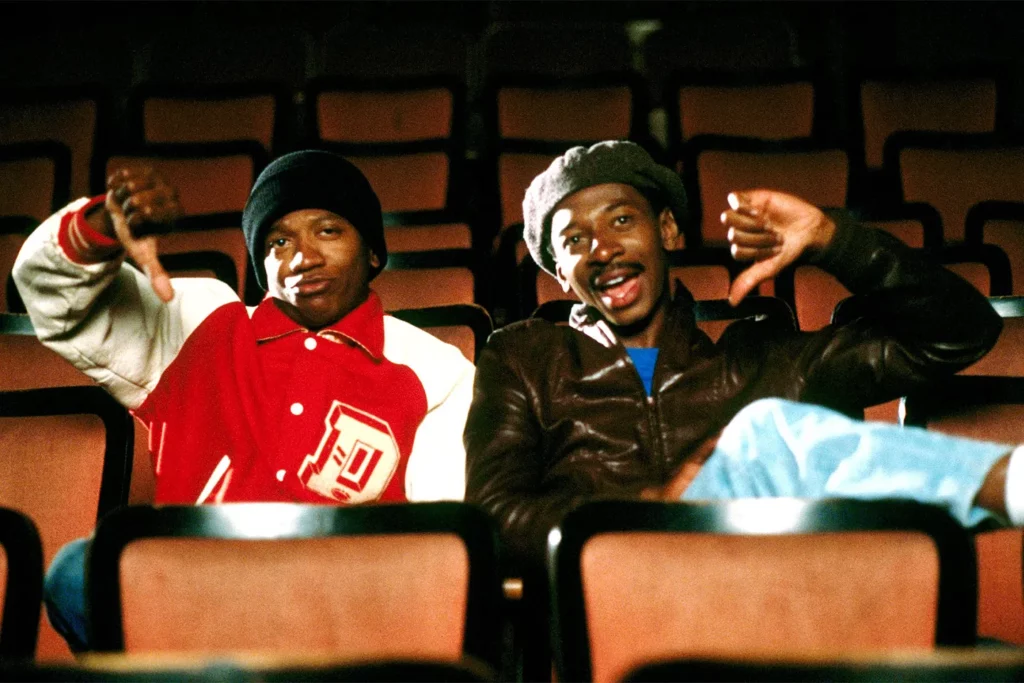
The Wayans and Townsend took the ZAZ recipe and infused it with the biting racial satire pioneered by The Richard Pryor Show (1977). With their groundbreaking 1987 film Hollywood Shuffle, they transformed cinematic karaoke into a potent mode of cultural criticism. The film set its sights on genres historically pitched to Black audiences—Blaxploitation, the "hood flick," and horror films—ruthlessly roasting these productions and their makers for pandering to and often insulting their audiences with lazy, tired conventions and stereotypical portrayals. Hollywood Shuffle was a remarkable feat, made with limited resources typically afforded to Black filmmakers, yet achieving significant critical and commercial success. It signaled the beginning of a dynasty that would create revolutionary, subversive spoofs in defiance of the entrenched white Hollywood power structure.
This project evolved from earlier comedic bits like "Sneakin’ in the Movies," a Siskel and Ebert-style critics’ clip show where Townsend and Keenen would parody films and their own reactions, offering a distinctly Black perspective on historically white racist fantasies like Dirty Harry (1971). Townsend recalled, "We were finding our way. We didn’t know what we had." It was during the review of their disconnected sketches that the idea crystallized: string these pieces together with a coherent narrative exploring the Black actor’s struggle for creative fulfillment and honest representation. Hollywood Shuffle became a landmark independent film, lauded for its sharp wit and courageous critique, paving the way for greater autonomy for its creators.
Building an Empire: From In Living Color to Don’t Be a Menace
The success of Hollywood Shuffle provided Keenen Ivory Wayans with the leverage to launch two projects that firmly established him as a singular creative force: I’m Gonna Git You Sucka (1988), a Blaxploitation parody, and the seminal sketch comedy series In Living Color (1990–1994). In Living Color was a cultural phenomenon that profoundly shifted the national consciousness and sense of humor. Far from merely calling out racism, the show delivered nuanced, intelligent, and often angry critiques of Black culture itself, particularly as mediated and distorted by the white power structure. It was, in essence, a "call that comes from inside the house," dissecting stereotypes and internal community dynamics with unparalleled ferocity.
During its four-season run on Fox, In Living Color became a finishing school for the Wayans, condensing and refining the style that would later find its fullest expression in their cinematic spoofs. The show fearlessly slaughtered "sacred cows" on a weekly basis, lampooning figures from Michael Jackson to Mike Tyson and Michael Bolton across a diverse array of sketch formats, including music videos, Home Shopping Network segments, and film trailers. It launched the careers of numerous comedic talents, including Jim Carrey, Jamie Foxx, and Jennifer Lopez, further cementing the Wayans’ status as talent scouts and comedic innovators.
This refined comedic style transitioned back to theaters with Don’t Be a Menace to South Central while Drinking Your Juice in the Hood (1996). This film took Hollywood to task for its commodification of "inner-city coming-of-age stories" that proliferated in the early 1990s. While films like Boyz n the Hood (1991), Juice (1992), South Central (1992), and Menace II Society (1993) were brilliant and often harrowing portrayals of urban life, their commercial success inadvertently inspired studio executives to mine Black trauma, imprisonment, and death for mainstream popcorn entertainment. The Wayans’ film, imbued with palpable anger, directly challenged these negative stock portrayals and the opportunistic cynicism of the industry.
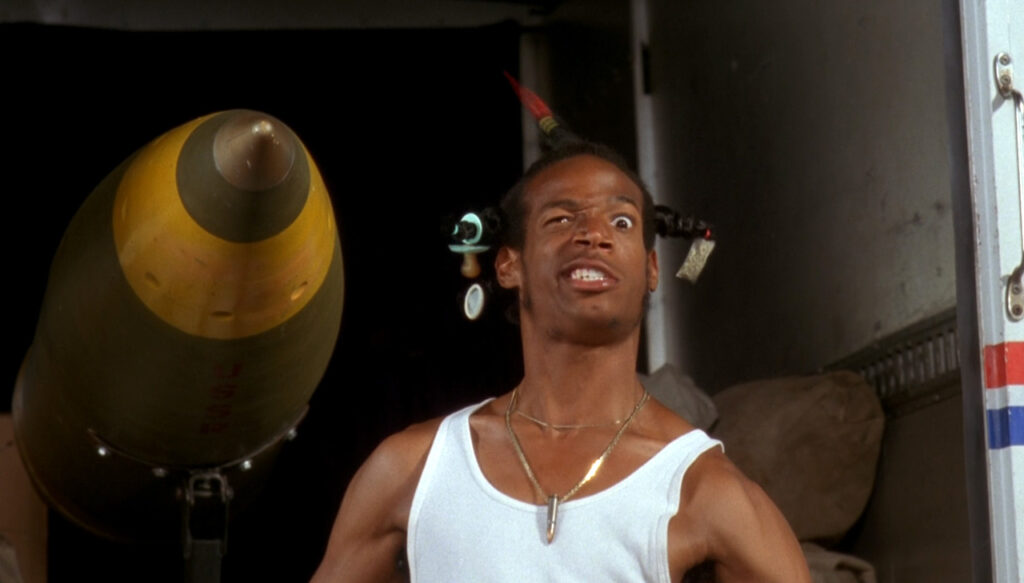
Marlon Wayans’ portrayal of Loc Dog, primarily spoofing Larenz Tate’s iconic O-Dog from Menace II Society, was a masterclass in absurdist critique. Loc Dog, with his braided armpit hair and a nuclear arsenal hidden in his stolen mail truck, represented the extreme caricature that Robert Townsend himself was tired of auditioning for when he decided to make Hollywood Shuffle a decade earlier. With Don’t Be a Menace, Marlon Wayans expanded the critique, calling out not just white-penned caricatures but also those that could inadvertently spring from the pens of Black writers, highlighting the insidious nature of typecasting regardless of origin. This layered critique was a significantly more complex piece of cultural commentary than earlier, simpler spoofs like Airplane!’s infamous jive-talk bit.
The Original Scary Movie Era and the Fallout
The Wayans’ comedic formula reached its ruthlessly efficient final form with Scary Movie (2000). The film brilliantly riffed on the prevalent teen slasher revival films of its era, particularly Scream and I Know What You Did Last Summer, but also mercilessly satirized whatever else was popular at the moment, from The Matrix to The Blair Witch Project. The comedy was anarchic, freely mixing highbrow and lowbrow forms: shot-for-shot spoofs, heightened dialogue quoting other films, and meta cameos. It also contained the regrettably mandatory bits of punching down at gay and disabled people, alongside a host of gross-out gags, demonstrating a comedic fearlessness that often courted controversy.
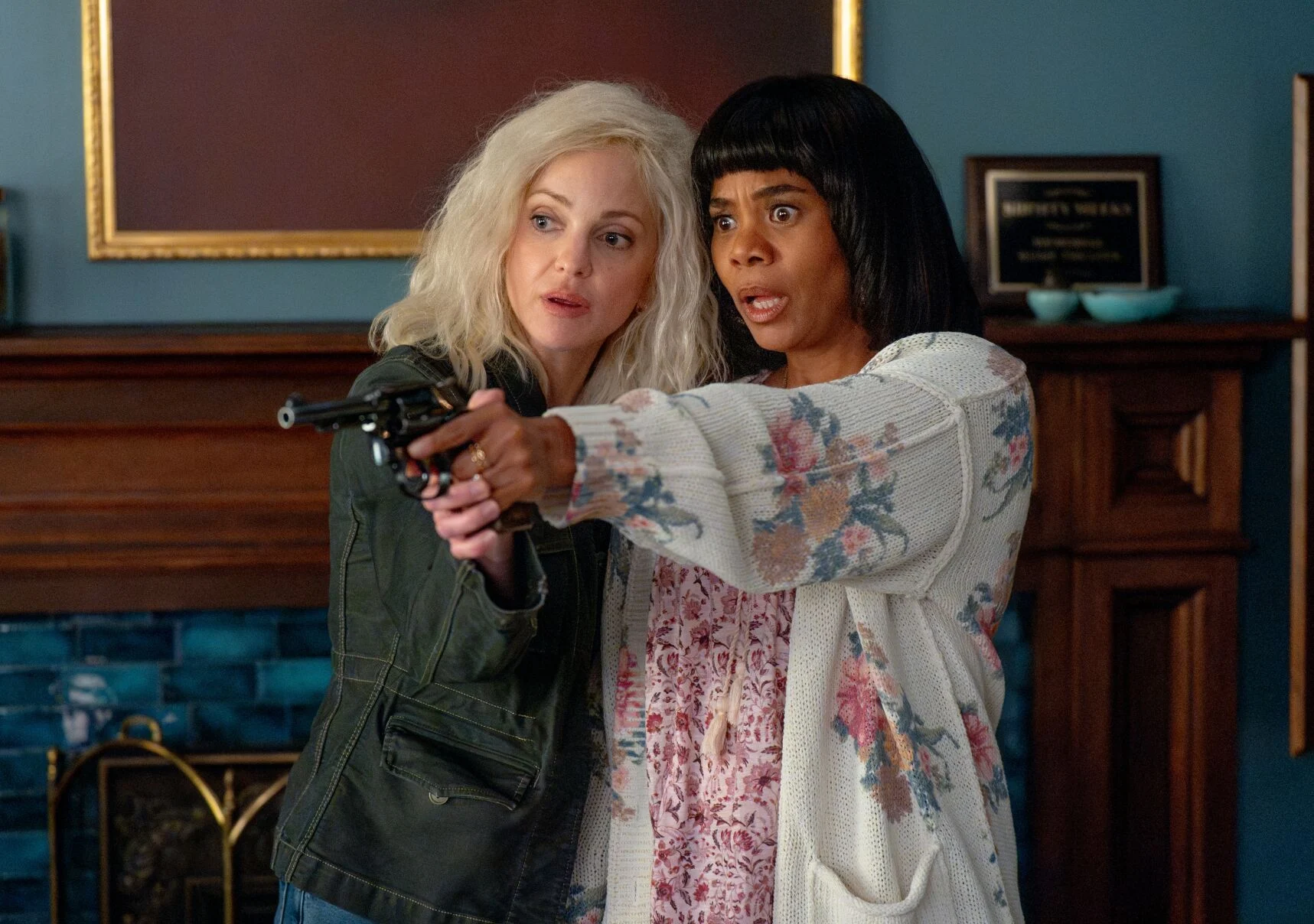
A significant aspect of Scary Movie‘s critique lay in its commentary on racial representation within horror. Most of the films the Wayans spoofed featured predominantly, if not entirely, white casts. Roger Ebert’s 1997 coining of the phrase "The Brother Always Dies First" in his review of David Mamet’s The Edge encapsulated a common complaint among Black viewers, even if subsequent analysis has cast some statistical doubt on its universal premise. This trope, however, powerfully spoke to a larger problem of inadequate and often stereotypical representation in horror. Scary Movie directly addressed this tension by placing three prominent Black actors—Regina Hall, Shawn Wayans, and Marlon Wayans—at the center of a horror film, albeit a skewed and skewering one. Its jokes presented prevalent stereotypes blown up to ridiculous proportions, expertly tiptoeing the line between goofy nonsense and incisive social critique.
Scary Movie was an undeniable commercial triumph for Dimension Films, turning a modest $19 million budget into a global box office haul of $278 million. This success immediately greenlit a sequel, Scary Movie 2, for release just a year later in 2001. Despite the addition of master satirists like Chris Eliott and David Cross, the condensed production timeline demonstrably strained the final product, leading to a less cohesive and impactful film.
It was after Scary Movie 2 that the Wayans family’s dispute with the Weinsteins escalated, primarily over compensation and creative control. Their departure from the franchise left a void that Dimension Films attempted to fill by bringing in David Zucker, one of the original ZAZ trio, to direct Scary Movie 3 (2003) and Scary Movie 4 (2006). This created a kind of ouroboros of spoof cinema history, with the student’s teachers taking over their abandoned project. On screen, Marlon and Shawn Wayans were essentially replaced by Simon Rex and Charlie Sheen, leading to a distinct shift in comedic style that prioritized broader, less socio-politically charged humor. Scary Movie 5 (2013), directed by Malcolm D. Lee, continued this trend, further cementing the franchise’s deviation from the Wayans’ original vision. Marlon Wayans famously likened this experience to "watching your child become a crackhead" in a recent interview with GQ, a poignant expression of creative dispossession and the painful reality faced by many Black filmmakers who have been deemed expendable by the industry despite their foundational contributions.
The 2026 Comeback: A Statement on Legacy and Evolution
The return of the Wayans family to the Scary Movie franchise in 2026 is more than just a comedic revival; it is a powerful statement about legacy, resilience, and the ongoing struggle for creative autonomy in Hollywood. The film’s early financial success, grossing $172 million globally in its first two weeks, not only revitalizes the series but also validates the Wayans’ enduring appeal and their original comedic vision. This commercial triumph all but ensures the continuation of the series under their renewed guidance, offering a potential "happy ending" to a story of artistic struggle and industry dispute.
The film’s blend of nostalgic callbacks and contemporary critique demonstrates an evolution in the Wayans’ approach. While retaining the offensive humor that is their trademark, the moments of genuine emotion and reunion among the cast add a layer of human connection that enriches the comedic experience. This ability to integrate heartfelt moments into a traditionally profane formula speaks to a mature understanding of their audience and their own journey as artists.
Robert Townsend once recounted a conversation with cinematic legend Sidney Poitier, asking how he managed to retain his dignity in a Hollywood that rarely afforded respect to Black actors. Poitier’s simple, profound answer was, "I said no. I made sacrifices to do it, but I had the power to say no." This sentiment resonates deeply with the Wayans’ own trajectory. Throughout their respective bids for creative freedom, both Townsend and Keenen Ivory Wayans explored various projects, but they consistently gravitated back to the spoof. This genre, in their hands, became a powerful vehicle to articulate truths about American culture, making audiences laugh while simultaneously challenging perceptions and potentially even sparking social change.
The landscape of Hollywood is slowly shifting, as evidenced by the recent success of films like Ryan Coogler’s Sinners. This "Black scary movie about artistic freedom and the white exploitation of Black art" earned $370 million globally and garnered the most Oscar nominations in film history last year. While it might seem disconnected from the Wayans’ decades-long journey and critiques, Sinners‘s success and thematic resonance suggest that Hollywood might finally be "getting the message" about valuing and empowering diverse voices, particularly those who critique the industry from within. The Wayans’ triumphant return to Scary Movie stands as a testament to their unwavering vision and their enduring impact on both comedy and the broader conversation about representation and artistic integrity in cinema. Their legacy continues to be one of subversive humor and profound cultural commentary, now reclaimed and revitalized for a new generation.