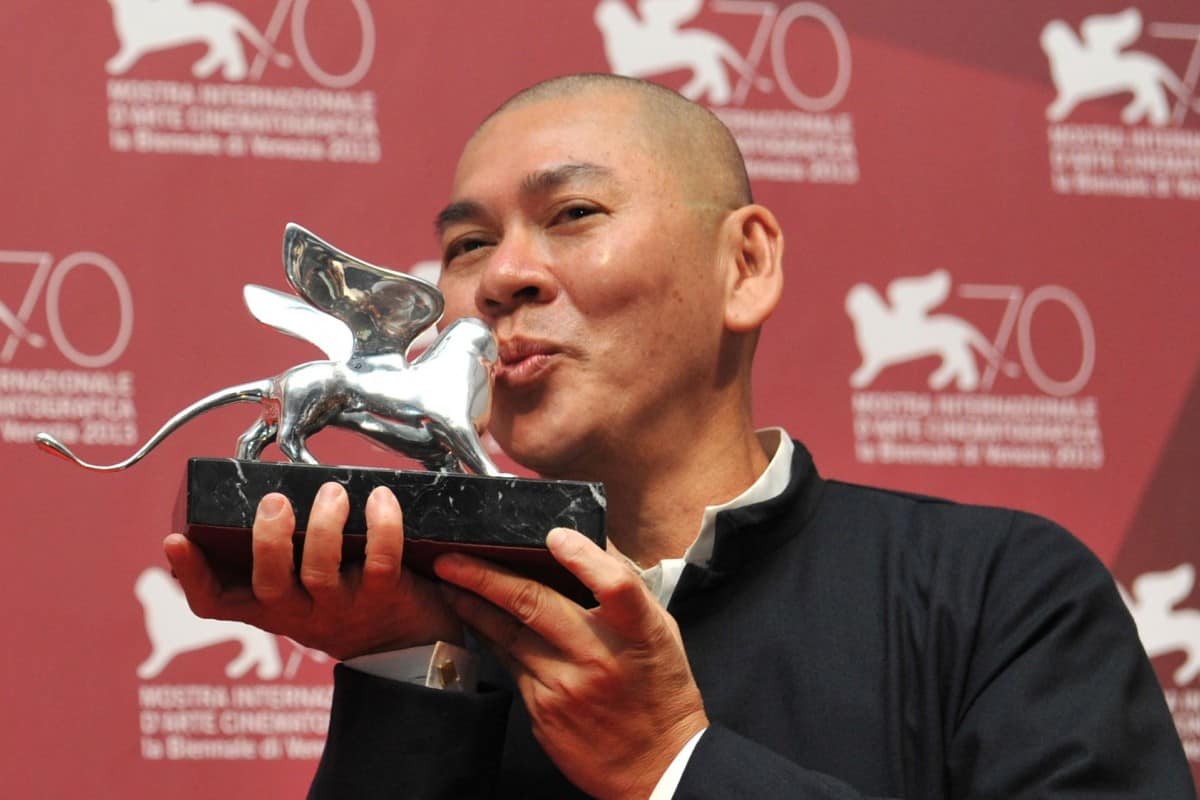
Few filmmakers have navigated the complex interplay of urban solitude, physical desire, and the inexorable passing of time with the persistent dedication and singular vision of Tsai Ming-liang. Born in Kuching, Malaysia, before his formative career in Taiwan, Tsai ascended to prominence as a pivotal figure in the second wave of Taiwanese New Cinema, a movement that reshaped global perceptions of East Asian filmmaking. His profound and enduring collaboration with actor Lee Kang-sheng, who has featured in virtually all his major cinematic endeavors, stands as one of the most iconic director-actor partnerships in contemporary cinema history, defining a unique aesthetic and thematic continuity across decades. The comprehensive "Tsai Ming-liang Project" aims to meticulously document and explore his entire directorial oeuvre, encompassing all 49 directing credits currently listed on IMDb, offering an unparalleled look into the work of this influential auteur.
Tsai Ming-liang’s cinematic language is instantly recognizable, characterized by an austere yet deeply empathetic style. His films are defined by meticulously composed long takes, often devoid of dialogue, which invite viewers into a contemplative engagement with his characters and their environments. A recurring fascination with human bodies occupying spaces that are either deteriorating or in states of transition—abandoned buildings, derelict cinemas, cramped apartments, and the anonymous sprawl of crowded cities—forms a consistent backdrop. Water, in its myriad forms—be it rain, pervasive flooding, or subtle leakage—serves as a potent symbol, frequently appearing as a metaphor for cleansing, decay, or emotional overflow. Within these meticulously crafted settings, themes of loneliness, alienation, and unfulfilled desire coalesce, creating a palpable sense of melancholic introspection. Over the arc of his career, from his early television productions to his acclaimed theatrical features, documentaries, groundbreaking virtual reality projects, and the ongoing, celebrated "Walker" series, Tsai’s work has consciously veered away from conventional narrative structures, progressively embracing an increasingly contemplative and experiential approach to filmmaking.
The Emergence of a Distinct Voice: Early Works and the Taiwanese New Cinema
Tsai Ming-liang’s journey into feature filmmaking began after a significant period in television, where he honed his craft. This foundation allowed him to seamlessly transition into the burgeoning Taiwanese New Cinema, a movement known for its realistic portrayal of contemporary Taiwanese society, often with a focus on alienation and the impact of modernization. His early features quickly established his unique directorial signature.
- All the Corners of the World (1989)
- Li-hsiang’s Heart Line (1991)
- Boys (1991)
- Give Me a Home (1991)
His official debut feature, Rebels of the Neon God (1992), marked a significant turning point. This film, as noted by critic Alexander Knoth, presents "a highly aesthetical tale and a world that is fresh and young, but also one that is already marked by melancholic scars and pain." It introduced audiences to the urban landscapes of Taipei, capturing the disaffection of youth amidst the city’s vibrant yet isolating energy. The film’s aesthetic and thematic parallels to the works of other acclaimed Asian filmmakers like Wong Kar-Wai and Eric Khoo were immediately evident, signaling the arrival of a major new talent.
Gaining International Acclaim: The Mid-1990s and Beyond
The mid-1990s saw Tsai Ming-liang solidify his international reputation, earning critical accolades and major awards at prestigious film festivals. His exploration of urban alienation and unspoken desires reached new depths, often centered around characters adrift in the labyrinthine anonymity of city life.
-
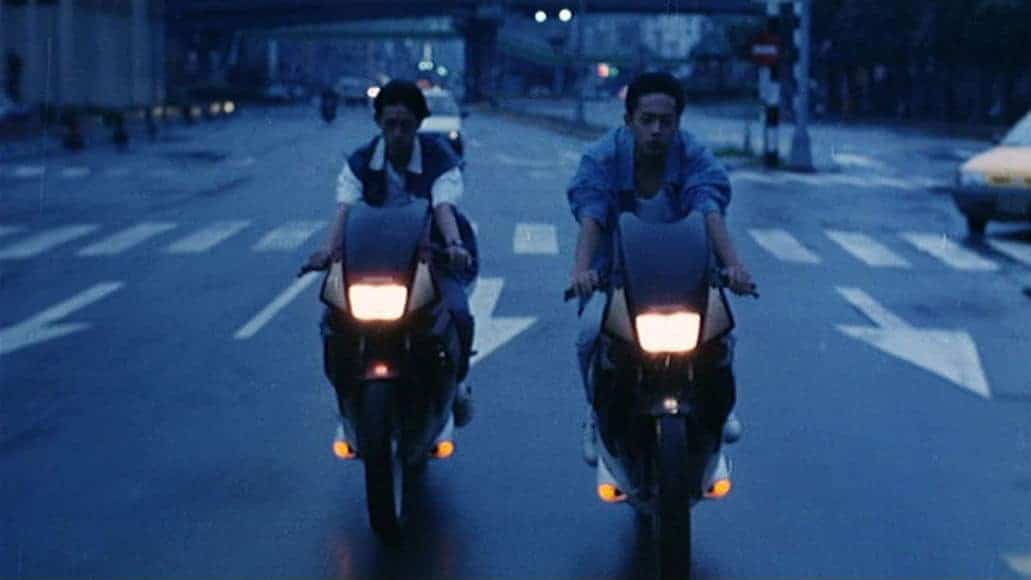
Vive L’Amour (1994) garnered the coveted Golden Lion at the Venice Film Festival, a testament to its profound impact. Critic Rhythm Zaveri aptly describes the title, "Long Live Love," as ironic, given the pervasive absence of love for its three protagonists. The film is celebrated as "a terrific showcase of not just the director’s works but also the Taiwanese New Wave in general." Its unforgettable final scene, a five-minute-long single take featuring May Lin in an iconic Taipei location, powerfully encapsulates "an intense palpable loneliness" that resonates long after viewing. This film cemented Tsai’s reputation as a master of slow cinema and emotional resonance.
-
My New Friends (1995)
-
The River (1997) further explored themes of family dysfunction, sexuality, and the search for identity. Rouven Linnarz characterized it as "an enigmatic family drama about sexuality, repression and the resulting pain that comes from the experience of pretense and dissatisfaction." While its deliberate pacing might challenge some viewers, its lasting emotional and intellectual impact is undeniable. The film earned the Silver Bear – Special Jury Prize at the 47th Berlin International Film Festival, showcasing continued critical recognition.
-
The Last Dance (1998)
-
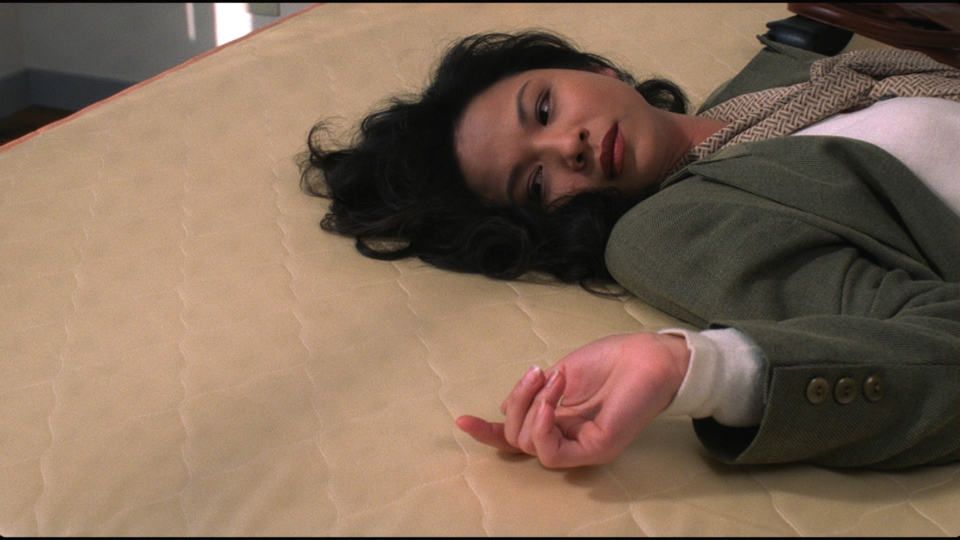
The Hole (1998), set on the eve of the millennium amidst a mysterious virus outbreak, explores human connection and isolation with a distinctive blend of realism and surreal musical numbers. I-Lin Liu draws a poignant parallel between Tsai’s cinema and a "hole," suggesting it "helps us move away from our own world, and move into others’ imaginary worlds." This film received the FIPRESCI Prize at the 1998 Cannes Film Festival, further solidifying Tsai’s position in the global art-house circuit.
Contemplative Journeys and the Redefinition of Narrative
As the new millennium dawned, Tsai’s filmmaking became even more introspective, moving further away from conventional plot-driven narratives towards an almost meditative style, where observation and atmosphere take precedence.
-
A Conversation with God (2001)
-
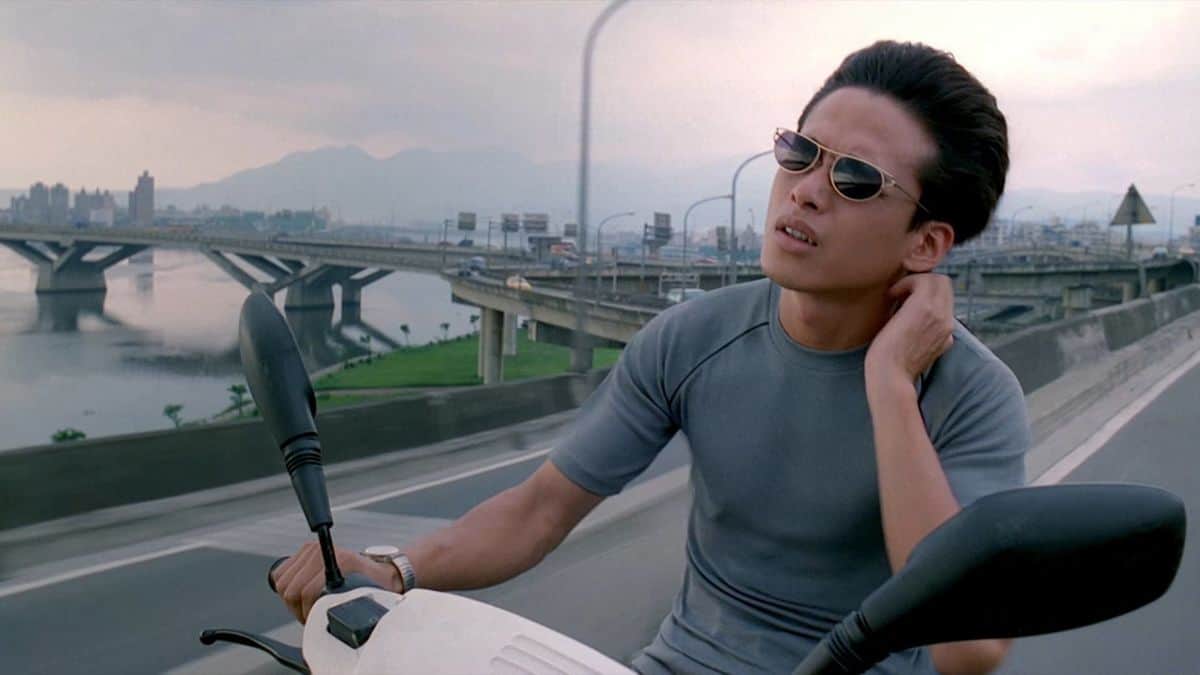
What Time Is It There? (2001) continued Tsai’s exploration of profound solitude and the longing for connection, weaving together narratives across different continents. Nicholas Poly eloquently described Tsai’s films as "some of the most elegant, really meaningful cinematic love letters I have ever had the pleasure to receive as a viewer," expressing a desire for more of his unique cinematic voice. The film was screened in competition at the 2001 Cannes Film Festival, demonstrating its continued relevance on the international stage.
-
The Skywalk Is Gone (2002), a short film, delves into nostalgia and the relentless pace of urban development. Rouven Linnarz highlights Tsai’s creation of "very precise, beautiful images which link to feelings of nostalgia a place now reserved exclusively to one’s memory." The film’s use of reflective surfaces and urban structures evokes comparisons to masters like Michelangelo Antonioni and Edward Yang, emphasizing the city as a constantly evolving entity. It captures the melancholic feeling of being left behind by progress.
-
Goodbye, Dragon Inn (2003) is a poignant elegy to the fading grandeur of old cinemas and a reflection on cinematic memory. Adriana Rosati praises its "hypnotic and atmospheric quality that makes it irresistible," despite its less assertive narrative. The film, a love letter to cinema itself, captures the quiet melancholy of a dying art form and the ephemeral nature of shared cultural experiences.
The Evolution Towards Minimalism: The "Walker" Series and Beyond

The latter half of Tsai Ming-liang’s career has seen an intensified focus on minimalist aesthetics and conceptual filmmaking, most notably through his acclaimed "Walker" series, which began in 2012. This period marks a profound shift towards an almost sculptural approach to time and movement, often featuring Lee Kang-sheng as a Buddhist monk moving at an extraordinarily slow pace through various urban landscapes.
-
Welcome to São Paulo (2004)
-
My Stinking Kid (2004)
-
The Wayward Cloud (2005)
-
I Don’t Want to Sleep Alone (2006)
-
To Each His Own Cinema (2007)
-
Sleeping on Dark Waters (2008)
-
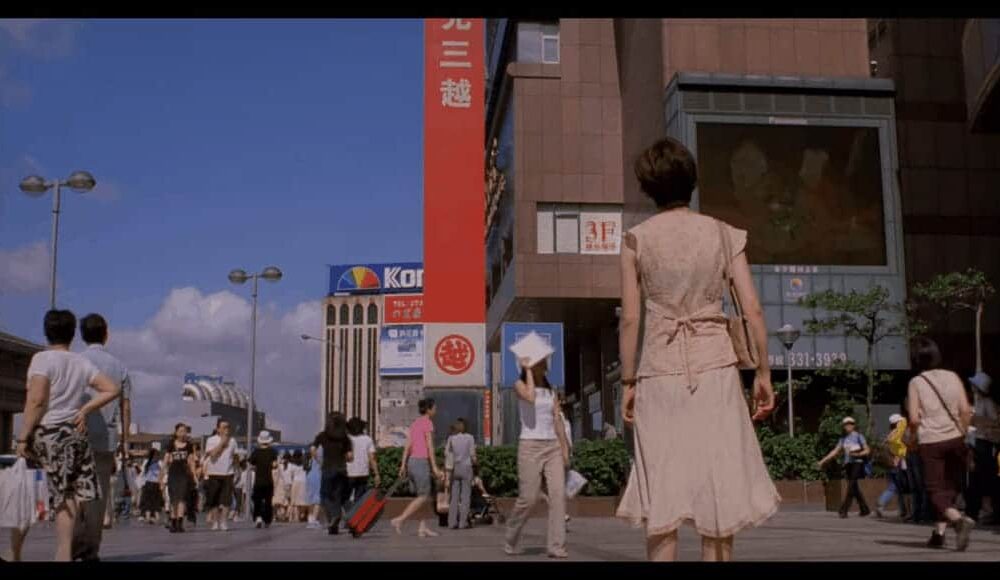
Madame Butterfly (2008)
-
Face (2009)
-
Beautiful 2012 (2012)
-
No Form (2012)
-
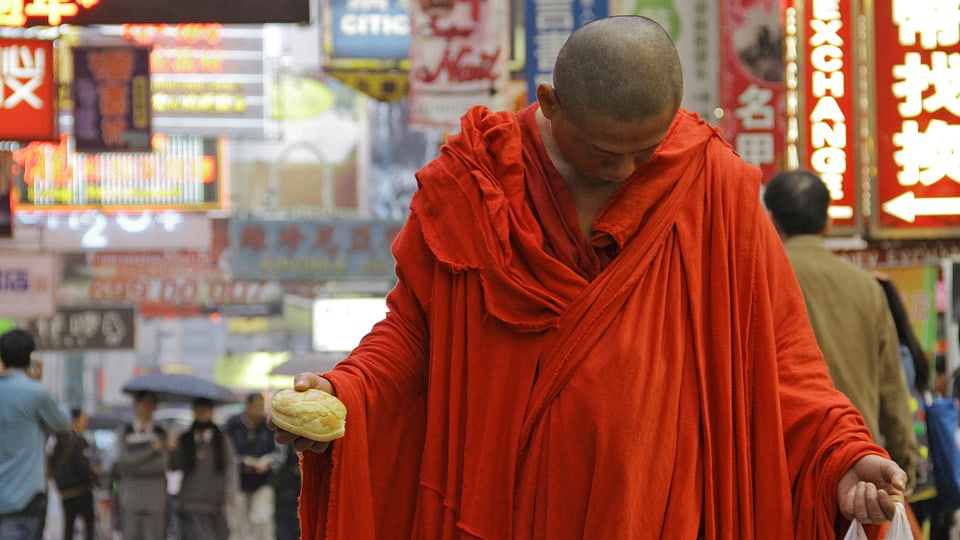
Walker (2012), the inaugural film in the celebrated series, presents Lee Kang-sheng as a red-robed monk moving with excruciating slowness. Rouven Linnarz describes it as "more of an experimental film or a cinematic contemplation on the nature of time, on how the modern world has forgotten that rapid pace does not necessarily correspond to spiritual or individual fulfillment." The series, a profound statement on modernity, technology, and globalization, challenges viewers’ perceptions of time and the rhythm of contemporary life.

-
Diamond Sutra (2012)
-
Sleepwalk (2012)
-
Walking on Water (2013)
-
Letters from the South (2013)
-
Stray Dogs (2013) is often considered a late-career masterpiece, a harrowing portrayal of a homeless family struggling for survival in Taipei. Rouven Linnarz notes it as "a family drama exploring the disconnect of the modern world and people but also the new spaces modernity creates." The film, a stark and unflinching observation, received the Grand Jury Prize at the Venice Film Festival, further underscoring Tsai’s continued artistic vitality and critical resonance. Its depiction of urban marginalization and resilience is both brutal and tender, embodying his observational style.
-
Journey to the West (2014)
-
Afternoon (2015)
-
Xiao Kang (2015)
-
No No Sleep (2015), another installment in the "Walker" series, continues the minimalist exploration of duration and presence. Alexander Knoth acknowledges that "No No Sleep and as well the whole Walker-series are challenging the audience." He adds, "If you are up for a challenge, and not afraid of looking at one shot for 10 minutes straight, then brace yourself for Tsai Ming-liang’s adventure of slowness." This approach deliberately tests the conventions of cinematic engagement, inviting a deeper, more mindful viewing experience.
-
Beautiful 2015 (2015)
-
Autumn Days (2015) is a profound tribute to the legendary Japanese script supervisor and assistant director, Kazuko Nogami, a crucial figure in Akira Kurosawa’s filmography. Alexander Knoth highlights its "nihilistic concept" alongside its capturing of Nogami’s words and images. The film, a moving portrait of a cinematic giant whose face was rarely seen but whose words shaped masterpieces like Ran and Seven Samurai, pays homage to her legacy by preserving her voice.
Innovations and Contemporary Explorations
Tsai Ming-liang has consistently pushed the boundaries of cinematic form, venturing into virtual reality and exploring new modes of storytelling while retaining his core thematic concerns.
-
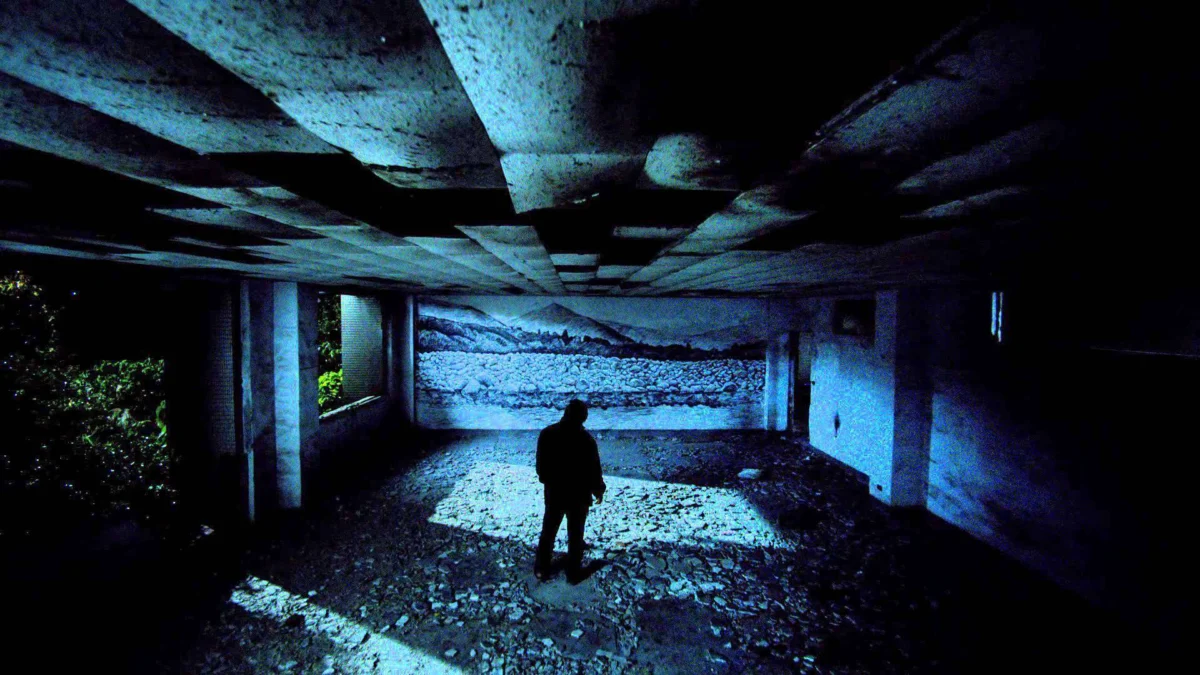
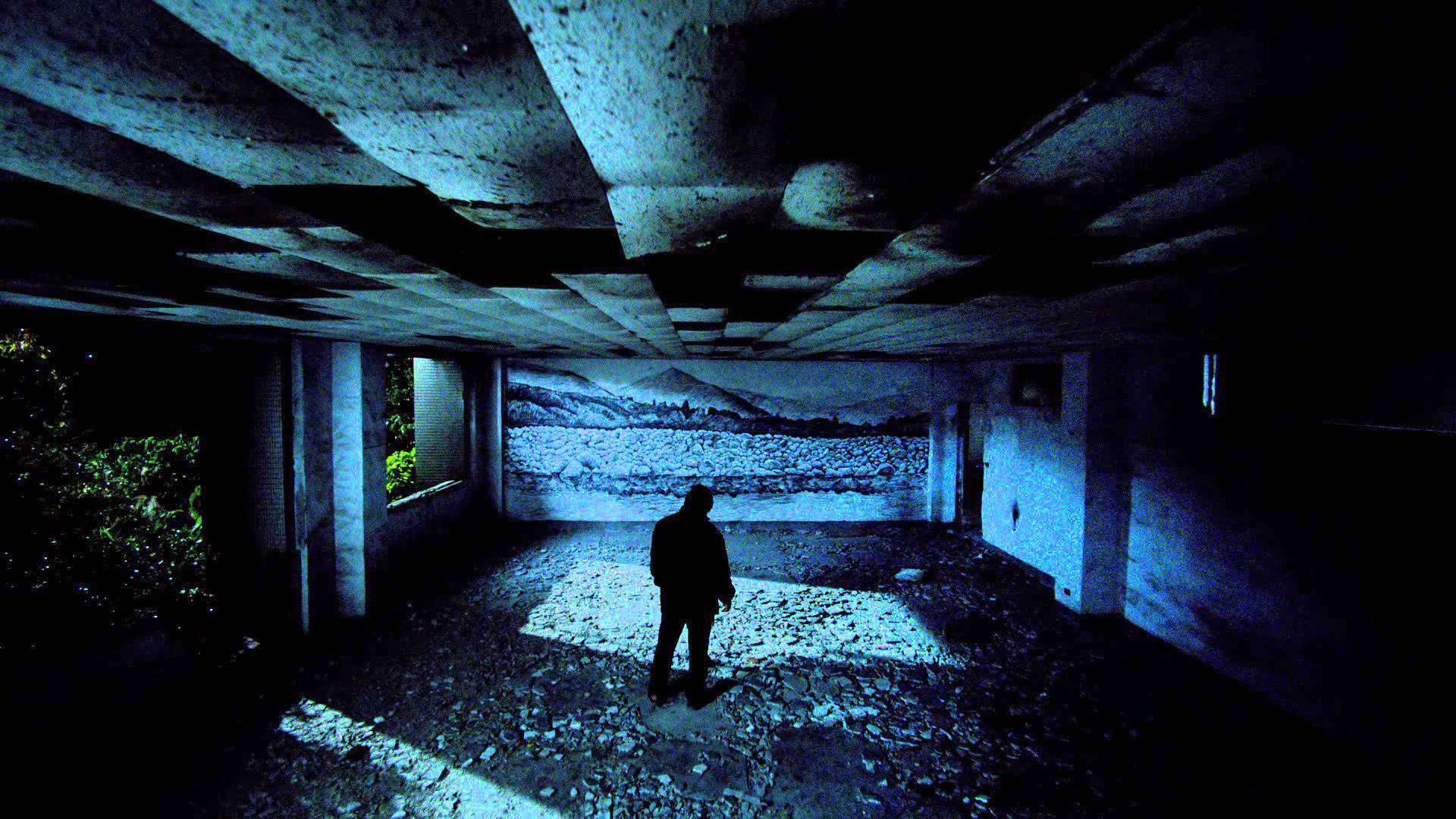
The Deserted (2017) marked Tsai’s foray into virtual reality, offering an immersive experience of solitude and memory. Adriana Rosati described it as "Tsai Ming-liang’s silent reflection on the nature of illness, recovery and lingering memories is a benign ghost story in a unique and ‘de luxe’ package." This innovative project demonstrated his willingness to experiment with emerging technologies to enhance his unique vision.
-
Sand (2018)
-
Your Face (2018) is a series of close-up portraits of various individuals, often speaking directly to the camera or remaining silent. Anomalilly remarked that the film "refuses to fall neatly into any category, and despite it somehow tells stories, it stands far from the ‘solid’ narrative that has never been the pivotal point for Tsai." The film underscores his enduring commitment to long takes and silent treatments, challenging viewers to find meaning in direct, unadorned observation.

-
Light (2019)
-
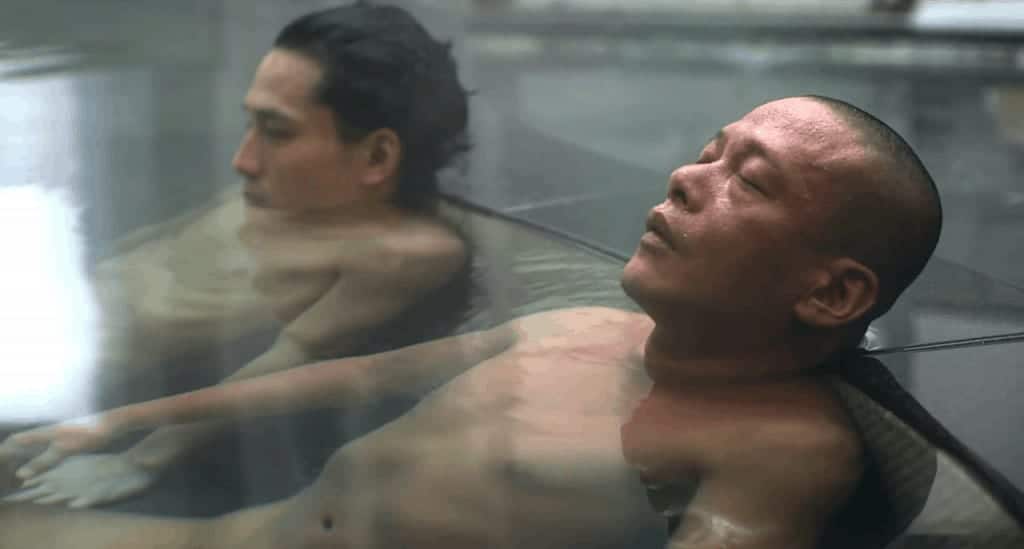
Days (2020), a deeply personal and minimalist film, explores themes of loneliness, connection, and the passage of time through the unhurried lives of two men. Nancy Fornoville praised it as "a gripping film that poses questions about relationships, sexuality and health, but most of all about solitude and loneliness." Its stunning, slow shots, she added, are "a feast for the eye, leaving the viewer with the desire to revisit." Days earned a Teddy Award at the 70th Berlin International Film Festival, affirming its critical acclaim.
-
The Night (2021), an experimental short, documents the vibrant, nocturnal pulse of Hong Kong’s Causeway Bay. Spencer Nafekh-Blanchette notes how "every city has a different kind of urban consciousness," especially after dark, and Tsai captures "the heartbeat of Hong Kong’s Causeway Bay over the span of a few hours after the sun has set." The film offers a unique observational perspective on a city renowned for its dynamic energy.
-
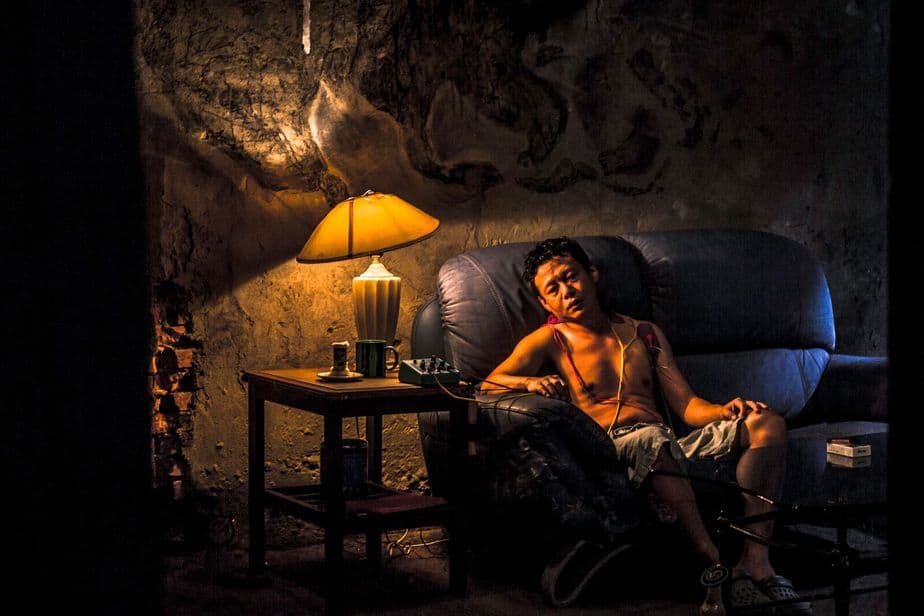
Wandering (2021)
-
The Moon and the Tree (2021) is a documentary reflecting on memory and change, utilizing Tsai’s signature aesthetic. Rouven Linnarz observed that Tsai "uses his by now known aesthetic approach to make the audience aware of the passing of time, and how a moment, the sound of a voice or the sight of a tree, transforms people and our memories of them." This work continues his philosophical inquiry into human experience through naturalistic observation.
-
Where Do You Stand, Tsai Ming-liang? (2022)
-
Where (2022)
-
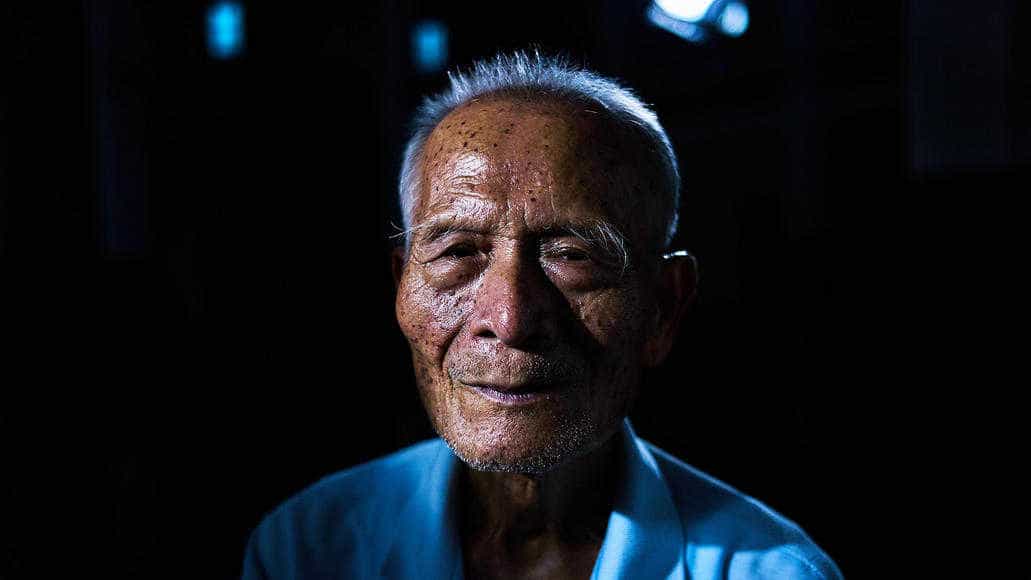
Abiding Nowhere (2024) continues the "Walker" series, further refining the concept of slow movement and contemplative observation. Andrew Thayne noted that in such a film, "little happens leaves more of an impression, as you fully take-in what’s in front of you, rather than being instantly distracted by what comes next." He summarizes the core challenge and reward: "The premise may not be one to excite or entertain, but once you’re in, you take it all in…That, or it’s just a load of shots of a bloke walking slowly. It’s up to you." This encapsulates the demanding yet profound nature of Tsai’s later work.
-
Back Home (2025), a forthcoming feature, maintains Tsai’s characteristic style. Panos Kotzathanasis acknowledges that the film "is certainly not for everyone. Its repetitions and refusal of narrative can make it feel prolonged, even testing, despite its relatively brief duration." However, for those receptive to his unique terms, it "offers moments of beauty while also serving as an intimate guide through a country that is rarely depicted on screen."
-
Night Journey (2025)
The Enduring Impact and Legacy of an Auteur
Tsai Ming-liang’s career trajectory showcases a relentless pursuit of a personal vision, consistently challenging cinematic norms and expanding the possibilities of storytelling. His work, deeply rooted in the Taiwanese urban experience, transcends geographical boundaries through its universal exploration of human emotions: loneliness, desire, longing, and the search for connection in an increasingly fragmented world. The distinctive aesthetic of long takes, sparse dialogue, and meticulously crafted compositions has profoundly influenced a generation of filmmakers and critics, solidifying his status as a master of slow cinema.

His sustained collaboration with Lee Kang-sheng is more than just a director-actor partnership; it is a profound artistic symbiosis that has evolved into a singular cinematic persona, with Lee serving as an embodiment of Tsai’s recurring themes. From the restless youth of Rebels of the Neon God to the meditative monk of the Walker series, Lee’s presence grounds Tsai’s philosophical inquiries in a deeply human form.
The "Tsai Ming-liang Project," by undertaking the monumental task of cataloging and analyzing all 49 of his directing credits, offers an invaluable resource for understanding the breadth and depth of his artistic contributions. It underscores the remarkable consistency and evolution of a filmmaker who, despite often demanding patience from his audience, consistently delivers profoundly moving and thought-provoking cinematic experiences. His films are not merely watched; they are felt, absorbed, and pondered, leaving an indelible mark on the landscape of world cinema and continuing to inspire contemplation on the human condition in the modern age.