The arrival of autumn in the Pacific Northwest was officially heralded this week by a steady, persistent downpour in Portland, signaling the transition from dry summer months to the crisp, damp conditions characteristic of the shoulder season. While meteorologists and long-term residents anticipate the customary return of temporary warmth—a seasonal phenomenon colloquially known as a "false fall"—the immediate environment is marked by shifting foliage, cooler temperatures, and increased demand for seasonal comforts. This meteorological shift coincides with a diverse cultural landscape this week, spanning major motion picture distribution shifts, significant literary retrospectives, and milestone television anniversaries that invite critical analysis of media preservation and revisionism.
Cinematic Revisions and the Modern Box Office Landscape
The weekend box office slate highlights a growing tension within major studio franchises regarding narrative continuity and historical revisionism. Reports emerging from industry analysts indicate that major studios continue to experiment with post-release modifications, a practice colloquially termed retconning. Most notably, recent discussions surrounding high-profile releases such as Marvel Studios’ Avengers: Endgame have reignited debates over whether creative teams should alter or re-contextualize narrative elements of films years after their initial theatrical runs to align with subsequent cinematic universe developments.
Industry observers note that such retroactive continuity adjustments risk alienating purist audiences who value the original theatrical cut as an immutable historical artifact of its release year. Conversely, proponents argue that sprawling interconnected franchises require fluid storytelling mechanisms to maintain internal logic across decades-long arcs.
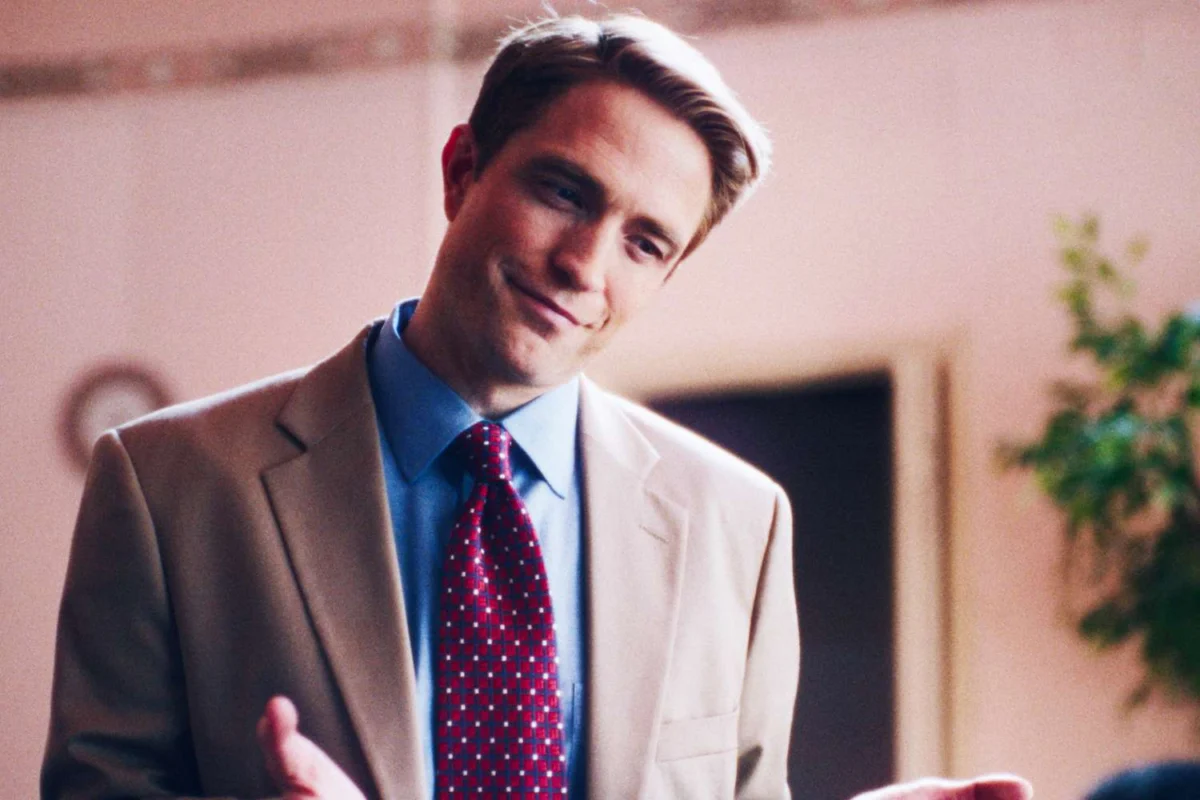
Countering these mega-franchise revamps, independent and mid-tier distributors are offering a robust array of alternative cinematic choices for audiences seeking original storytelling. Robert Pattinson stars in the newly released drama Primetime, portraying a slick television personality, a role that industry critics anticipate will showcase his continued pivot toward complex, character-driven performances. Meanwhile, international and regional cinema representation receives a boost with Forgotten Island, an original animated feature set against the backdrop of the Philippines during the 1990s. The film has garnered early praise for its culturally specific world-building and technical animation achievements.
For documentary enthusiasts, select metropolitan markets are hosting screenings of Pulp: What Do You Do for an Encore?, chronicling the enduring legacy of the titular British alternative rock band. Furthermore, television fans are finding comfort in library streaming additions, notably the complete series run of the cult-classic workplace comedy Party Down, which has officially landed on Netflix, making its later, less-widely-viewed seasons accessible to a broader subscriber base.
Literary Legacies: Remembering Annie Dillard and Pilgrim at Tinker Creek
Literary circles this week continue to reflect on the profound impact of nature writing, catalyzed by recent retrospectives on the life and work of Pulitzer Prize-winning author Annie Dillard, who passed away earlier this month at the age of 87. Dillard secured the Pulitzer Prize for General Nonfiction in 1975 at the remarkably young age of 28 for her seminal work, Pilgrim at Tinker Creek.
Published during a period of burgeoning environmental consciousness in the United. States, Pilgrim at Tinker Creek chronicled a calendar year of ecological observations along a creek in Virginia’s Roanoke Valley. The book fundamentally challenged the conventions of traditional nature writing by fusing meticulous scientific observation with dense, metaphysical theology and poetic prose. Literary historians note that Dillard’s work expanded the boundaries of creative nonfiction, proving that profound philosophical inquiry and high-stakes drama could be extracted from localized, domestic environments rather than epic wilderness expeditions.
The resonance of Dillard’s pedagogy and writing philosophy has been further amplified by contemporary reflections, such as an acclaimed essay by author and former student Alexander Chee, published in The Morning News. Chee’s retrospective details Dillard’s rigorous approach to the writing life during her tenure as a professor at Wesleyan University. Cultural analysts emphasize that Dillard’s enduring influence lies in her ability to teach generations of writers how to pay uncompromising attention to the physical world—a lesson that remains vital in an era increasingly dominated by digital abstraction and ecological precarity.
Broadcast Milestones: Thirty Years of Early Edition
Television historians and pop culture archivists are marking a significant anniversary this week as the fantasy-drama series Early Edition approaches the thirtieth anniversary of its premiere on September 28, 1996. Created by Ian Abrams, Bob Brush, and Vik Rubenfeld, the CBS series starred Kyle Chandler as Gary Hobson, an ordinary Chicago stockbroker who mysteriously receives tomorrow’s newspaper today, prompting him to intervene in daily tragedies and prevent crimes before they occur.
Despite running for four seasons and producing 90 episodes, Early Edition occupies a peculiar space in contemporary media accessibility. Industry watchdogs have noted that the series remains largely unavailable on major subscription streaming platforms, a frustrating omission for fans of 1990s network television. The oversight feels particularly pronounced given Chandler’s current prominence in high-profile genre television, including his casting as Hal Jordan in the upcoming HBO series Lanterns.
The absence of Early Edition from streaming libraries underscores broader concerns regarding the preservation of episodic network television from the pre-prestige era. While a network reboot was announced by CBS in development back in 2022, the project ultimately failed to materialize. Media analysts suggest that rather than pursuing unproven reboots of nostalgic properties, media conglomerates would find higher viewer retention and goodwill by digitizing and licensing original series packages for archival streaming, allowing milestone anniversaries to serve as genuine celebrations of television history rather than missed commercial opportunities.
Anne Rice and the Fiftieth Anniversary of Interview with the Vampire
The intersection of gothic literature and cultural history is currently centered on the fiftieth anniversary of the publication of Anne Rice’s groundbreaking debut novel, Interview with the Vampire. Released in 1976, the novel revolutionized the vampire mythos by shifting the perspective from external monster to introspective, tortured antihero, transforming horror fiction into a vehicle for philosophical explorations of grief, existential isolation, and queer identity.
To mark the milestone, The New York Times recently published an essay adapted from the foreword of the forthcoming 50th-anniversary edition of the novel, written by Rice’s son, Christopher Rice. The piece offers a raw, intimate look into the domestic reality of the author during the novel’s composition in New Orleans—a period deeply shadowed by personal tragedy, including the untimely death of Rice’s six-year-old daughter, Michelle, from leukemia.
Christopher Rice’s essay reveals how the profound trauma of child loss was channeled directly into the creation of the vampire Claudia, an immortal trapped in the permanent body of a child. Furthermore, the piece sheds light on the initial, muted commercial reception of the book upon its debut, contrasting its modest beginnings with its eventual evolution into The Vampire Chronicles, a multi-million-copy global phenomenon that permanently altered the landscape of fantastic literature.
Literary scholars note that Rice’s work paved the way for the modern paranormal romance genre and established New Orleans as a central, atmospheric character in American gothic fiction. The ongoing cultural relevance of Interview with the Vampire is further evidenced by AMC’s critically acclaimed contemporary television adaptation, demonstrating the enduring adaptability of Rice’s complex character dynamics half a century after their initial publication.
Broader Implications and Cultural Outlook
As the cultural calendar transitions further into the final quarter of the year, the confluence of these media anniversaries, literary retrospectives, and seasonal shifts highlights a collective societal impulse toward reflection and historical reassessment. Whether through the preservation of classic broadcast television, the academic reappraisal of foundational nature writing, or the anniversary editions of genre-defining literature, contemporary audiences continue to seek out narratives that balance comfort with intellectual depth.
Industry analysts project that consumer demand for physical media preservation and comprehensive digital archiving will continue to rise as streaming platforms grapple with content churn and library optimization. For now, as the autumn weather establishes itself across the country, audiences are provided with a diverse, albeit unconventional, array of cultural touchstones to navigate the shifting season.