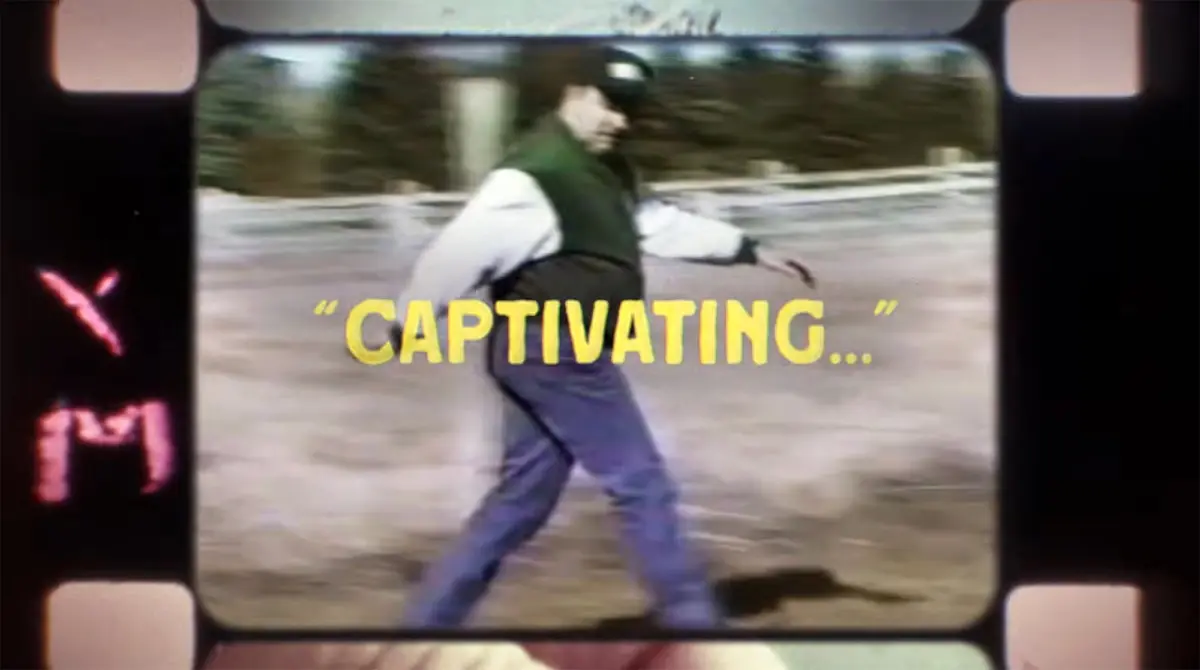
Nearly six decades after the world was introduced to a grainy, 59-second reel of 16mm film showing an unidentified bipedal ape-like figure striding through the Northern California wilderness, the definitive story behind the cultural phenomenon is finally coming to light. XYZ Films has officially debuted the full theatrical trailer for Capturing Bigfoot, a revelatory feature-length documentary directed by acclaimed indie filmmaker Marq Evans. Scheduled for a simultaneous theatrical release and streaming premiere on Amazon Prime Video on October 20, 2026, the film arrives precisely fifty-nine years after Roger Patterson and Robert Gimlin captured the most scrutinized piece of footage in cryptozoology history. Following a selective festival run that began with its world premiere at the 2026 South by Southwest (SXSW) Film Festival, the documentary promises to dismantle decades of skepticism, speculation, and sensationalism by presenting newly uncovered evidence and firsthand accounts from the individuals who lived through the event.
The Historical Context of the Patterson-Gimlin Film
To understand the weight of Marq Evans’s new documentary, one must revisit the autumn afternoon of October 20, 1967. Deep within the Bluff Creek region of Humboldt County, California, film hobbyist Roger Patterson and his lifelong friend Robert Gimlin encountered what they firmly believed to be a female Sasquatch, colloquially dubbed "Patty." Armed with a 16mm Kodak K-100 movie camera, Patterson managed to record 59 feet of film—translating to roughly 59 seconds of motion—before the creature retreated into the dense timberline.
What followed was an unprecedented cultural wildfire. Long before the advent of digital media, viral algorithms, or instantaneous global communication, the Patterson-Gimlin footage traversed the globe via print media, television broadcasts, and localized theatrical roadshows. Patterson, an ambitious horse breeder and amateur filmmaker from Yakima, Washington, financed his own cross-country screening tours. By exhibiting the reel in auditoriums and lecture halls across the United States, he generated substantial revenue—grossing an estimated $5 million when adjusted for modern inflation.
Yet, the film’s commercial success was inversely proportional to its scientific acceptance. While thousands of believers viewed the footage as smoking-gun proof of an undiscovered hominid species, mainstream scientific institutions, anthropologists, and skeptics immediately cried hoax. Accusations ranged from elaborate costume fabrications—allegedly featuring a football player in a fur suit—to optical illusions and pareidolia. For decades, the debate overshadowed the complex personal lives of the men behind the lens, fracturing relationships and leaving a legacy defined as much by financial exploitation as it was by cryptozoological wonder.

Unlocking the Past: The 16mm Safe Discovery
Capturing Bigfoot pivots away from endless cryptographic debates about anatomy and frame rates, choosing instead to focus on the human cost of obsession. The documentary’s narrative anchor centers around a startling recent discovery: a pristine reel of 16mm film unearthed from a forgotten safe more than fifty years after the initial encounter. This archival material, preserved away from the public eye, serves as the catalyst for a comprehensive re-examination of the events surrounding October 1967.
Under the direction of Marq Evans—whose previous documentary credits include The Glamour & the Squalor, Cow by Bear, Claydream, and The Diamond King—the film shifts the microphone to those who have remained silent or whose voices were drowned out by media noise. For the first time, Roger Patterson’s own son, alongside surviving associates and eyewitnesses who were physically present during the expeditions, step forward to provide definitive testimony.
According to promotional materials and production insights from XYZ Films, the documentary explores the friction between scientific inquiry and commercial ambition. It highlights how a search for biological discovery quickly morphed into a high-stakes battle for copyright control, public validation, and financial survival. The narrative delves into broken friendships, familial sacrifice, and the psychological burden carried by relatives who spent generations defending a legacy that many dismissed as an elaborate fabrication.
Director’s Statement and Production Integrity
The release strategy for Capturing Bigfoot reflects a deliberate attempt to honor the communal viewing experiences pioneered by Roger Patterson in the late 1960s. Despite substantial commercial interest and invitations from prominent international film festivals throughout 2026, producers Tamir Ardon, Marq Evans, and Nick Spicer opted to withhold the film from wide circulation. This calculated blackout was executed to protect the integrity of the newly discovered archival footage, ensuring that audiences across North America would experience the historical revelations simultaneously.

In an official statement accompanying the trailer release, director Marq Evans reflected on the emotional toll of the project: "That footage is one of the most recognizable images in the world, but the people behind it have privately carried its weight for almost sixty years. This film is their story; about family, loyalty, and the truths they’ve held onto or finally let go of. I’m grateful they trusted me to help them finally tell it."
By aligning the release date with the fifty-ninth anniversary of the Bluff Creek encounter—which coincides with unofficial cultural celebrations surrounding National Bigfoot Day—XYZ Films is positioning the documentary as both a historical retrospective and a major cinematic event.
Broader Implications for a Conspiracy-Minded Era
The timing of Capturing Bigfoot’s release is particularly poignant in contemporary media landscapes. Cultural critics and film analysts have increasingly noted that modern audiences possess an insatiable appetite for documentaries that deconstruct historical mysteries, institutional cover-ups, and alternative narratives. Writing about the film’s SXSW premiere, cultural commentators observed that the documentary serves as a mirror for our current conspiracy-minded era, offering insight into why humanity clings so desperately to unverified legends in an increasingly transparent digital world.
Unlike sensationalized television specials designed to manufacture cheap thrills through manufactured evidence, Evans’s film takes a grounded, character-driven approach. By treating the subject matter through the lens of domestic drama and historical anthropology, Capturing Bigfoot transcends the traditional confines of cryptozoology programming. It investigates belief itself—examining why generations of humans continue to search the margins of civilization for tangible proof of the unknown, and what it costs the individuals who stumble upon it first.
As the October 20 release date approaches, anticipation among documentary enthusiasts, film critics, and lifelong Sasquatch researchers continues to mount. Whether the newly discovered 16mm film reel provides definitive closure to the debate remains to be seen by theatergoers and streaming audiences alike. However, by finally allowing the descendants and contemporaries of Roger Patterson to reclaim their narrative, Capturing Bigfoot ensures that the human story behind the world’s most famous cryptozoological mystery will finally be heard on its own terms.