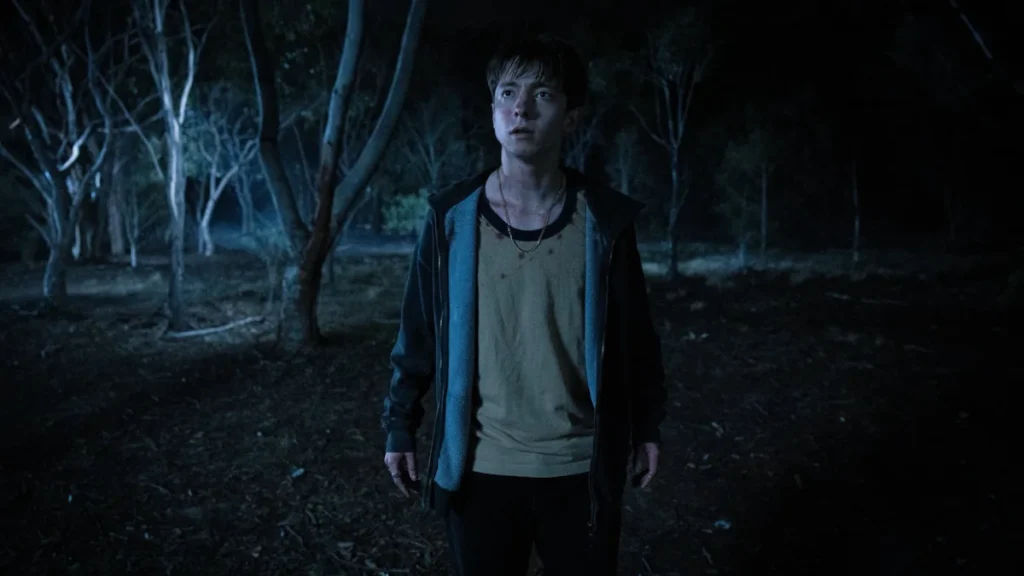
Los Angeles, CA – What began in 2022 as a provocative act of summertime counter-programming by the American Cinematheque, the "Bleak Week: Cinema of Despair" film series has rapidly transcended its local origins to become a global phenomenon. Now in its fifth iteration, this curated exploration of cinema’s most challenging and emotionally resonant works is embarking on its most ambitious expansion yet, reaching 73 cities and nearly 100 theaters worldwide starting this June. This unprecedented growth signals a profound and widespread appetite among audiences for films that confront "unpleasant truths and raw empathy," defying conventional trends and establishing a new paradigm for repertory programming.
The Genesis of Bleakness: From Local Curiosity to Curatorial Imperative
The American Cinematheque, a cornerstone of film preservation and exhibition in Los Angeles, has long been celebrated for its eclectic and often daring programming. With venues like the Aero Theatre, Los Feliz 3, and Egyptian Theatre, it has consistently offered Angelenos a diverse array of classic, international, and independent cinema. It was within this fertile ground that "Bleak Week" was conceived, born from a desire to spotlight films that eschew easy comfort in favor of profound introspection.
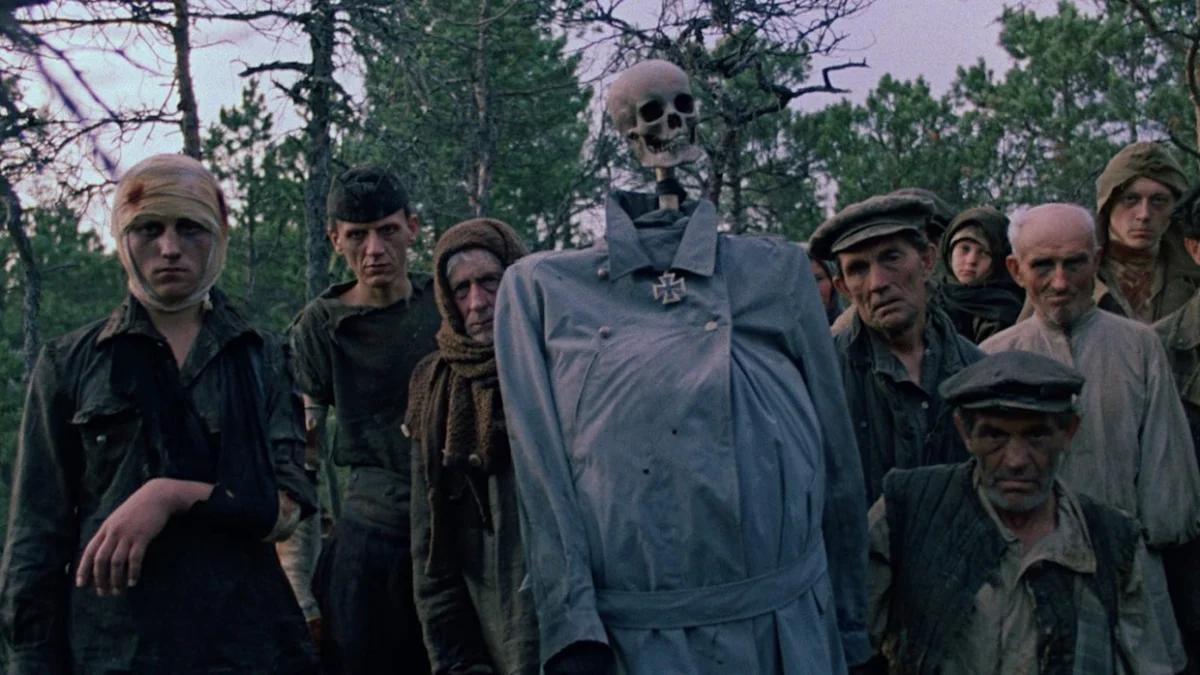
The inaugural 2022 season was a "cheeky stab" at summertime programming, intentionally contrasting with the typical lighthearted fare of the season. Its initial slate of 33 films set a high bar for emotional intensity, featuring repertory classics such as Pier Paolo Pasolini’s Salò, or the 120 Days of Sodom (1975), Elem Klimov’s harrowing Come and See (1985), Ingmar Bergman’s introspective Winter Light (1963), Michael Haneke’s disturbing Funny Games (1997), Lars von Trier’s emotionally brutal Breaking the Waves (1996), and Béla Tarr’s epic Sátántangó (1994). While diverse in their aesthetic modes and narrative approaches, these films were united by a visceral quality and a shared commitment to exploring the darker facets of the human condition. This initial success demonstrated an unexpected hunger for challenging cinema, laying the groundwork for future expansions.
The Visionaries Behind the Despair
At the heart of Bleak Week’s inception and subsequent growth are Chris LeMaire, Director of Programming at the American Cinematheque, and Grant Moninger, the organization’s Artistic Director. LeMaire, known for his dedication to programming films often labeled "heavy" or "depressing," has a history of championing challenging artists. Prior to Bleak Week, his efforts brought rare Andrei Tarkovsky prints to audiences and enticed the renowned Filipino auteur Lav Diaz to visit the U.S. for the first time. Both Tarkovsky and Diaz are celebrated for their austere, often durational films that delve into national history, political atrocity, and existential concerns, aligning perfectly with the ethos that would define Bleak Week.
Moninger recounts that the series’ germ arose from a desire "to take Chris’s brilliant programming and present it in a way to really bring some recognition to art house films and great auteurs throughout the history of cinema." This vision led to a strategic decision that bucked the Cinematheque’s unwritten rules: instead of integrating Bleak Week as one thematic program among many, they dedicated the schedules of all three Los Angeles venues entirely to "wall-to-wall despair." This bold move forced audiences to engage with the theme directly, prompting LeMaire to ponder the multifaceted nature of bleakness itself – "What if there are different types of bleaks?"
Evolving Definitions of Bleakness and Curatorial Focus
The initial Bleak Week, while impactful, featured relatively few "left-field" choices beyond Arthur Penn’s black comedy Penn & Teller Get Killed (1989). However, as the series matured, its curatorial scope broadened significantly. The fifth iteration, described as its "most curatorially focused," now presents arthouse and repertory mainstays—including Bleak Week favorite Béla Tarr, Jane Campion’s The Piano (1993), and Ingmar Bergman’s war apologia Shame (1968)—alongside a wider spectrum of genre films. This includes selections like Richard Kelly’s divisive Southland Tales (2006) and Mick Jackson’s chilling post-apocalyptic nightmare Threads (1984), films not traditionally programmed alongside high-art cinema. This expansion highlights the nuanced understanding that "bleakness" can manifest across diverse cinematic forms, from existential dramas to speculative fiction.
The current lineup further demonstrates this expansive vision with retrospective strands dedicated to prominent figures such as Isabelle Huppert, Warwick Thornton, and Ari Aster, all slated for Q&A sessions. This strategic inclusion of contemporary and influential filmmakers and actors serves not only as a draw for diverse audiences but also validates the series’ artistic merit and broad appeal. The hope is to offer "something for every type of audience member," irrespective of their usual cinematic preferences, provided they are willing to engage with challenging themes.
A Global Embrace: The Collaborative Expansion Model
The rapid expansion of Bleak Week from Los Angeles to major hubs like New York City, Chicago, Dallas, and London, culminating in this year’s 73-city, nearly 100-theater global reach, underscores a powerful cultural resonance. This widespread embrace challenges prevailing industry narratives, such as The Hollywood Reporter‘s recent discussion of "Hopecore"—a trend favoring uncynical storytelling and the "indomitable human spirit." The success of Bleak Week suggests that a significant portion of the audience actively seeks out films that reflect the complex, often difficult realities of life, "warts and all."

Crucially, this global expansion has been meticulously collaborative rather than prescriptive. LeMaire emphasized, "What’s extremely important to us is that we don’t impose a lineup. We don’t even say it has to be seven days. What is a ‘week’ to you? What would that look like in your programming?" This philosophy allows participating venues to interpret the series’ broad definition of "bleakness" through their own curatorial lens, tailoring programs to local tastes and screen availability.
Kerstin Larson, programming director at Milwaukee’s Oriental Theater, exemplified this collaborative spirit. She noted LeMaire’s direct outreach, though she was already familiar with the series. For the Oriental Theater’s focused lineup of seven films, the overlap with the American Cinematheque’s program is minimal, limited to William Friedkin’s heist thriller Sorcerer (1977). Larson chose to home in on a specific theme: "how work and labor continues to be bleak." This includes films like the restoration of Chris Smith’s American Job (1996), a fitting choice given the local appreciation for Smith’s American Movie (1999), and Béla Tarr’s The Turin Horse (2011), deliberately programmed on Father’s Day for a touch of "hilarious" counter-programming against the bright June weather. This localized approach ensures that each Bleak Week offers a unique, yet cohesive, experience.
Industry Recognition and the Power of Prestige
The growing stature of Bleak Week is evident in its ability to attract renowned filmmakers and actors. Moninger highlighted a pivotal moment: "When Chris convinced Béla Tarr, who said he would never come back to the United States, to come back for Bleak Week, it suddenly changed the stature of the festival." Tarr’s presence, as one of the series’ "heroes," imparted a sense of gravitas and occasion. In subsequent years, this trend continued, with independent maverick Jon Jost attending a rare retrospective in 2025, and tributes to Kenneth Lonergan, Lynne Ramsay, and Charlie Kaufman featured in 2024.
LeMaire marvels at the series’ evolution: "It’s cool we can even call Bleak Week a film festival. There are no premieres of new films. It’s pretty much all repertory programming. And the response to it in this town is like, ‘I gotta get a ticket for every night.’ Year one, we never would have dreamed." The fervent audience response, exemplified by Ari Aster’s retrospective selling out "in just a few minutes," underscores a vibrant demand for thoughtfully curated repertory cinema.
The vital role of distributors cannot be overstated in this success. LeMaire acknowledges their partnership: "Janus Films and American Genre Film Archive are willing to hold some restorations they have for the year for Bleak Week, which is really cool." This year’s edition proudly features world premieres of restorations, including the Coen Brothers’ The Man Who Wasn’t There (2001) and Daniel Petrie’s rarely seen Buster and Billie (1974), further enhancing the festival’s prestige and draw. The inclusion of major names like Isabelle Huppert this year acts as a strategic lynchpin, as LeMaire notes, "Because once you have her, everyone’s saying ‘yes.’" This celebrity endorsement creates a "trickle-down" effect, encouraging audiences to take a chance on lesser-known or more challenging films within the same lineup. "If it’s in a festival with Isabelle Huppert and Ari Aster, it must be interesting," LeMaire concluded.
Thematic Deliberations: Nonfiction and the Nuances of Suffering
A notable and deliberate omission from Bleak Week’s programming is nonfiction filmmaking. This decision stems from a nuanced philosophical stance regarding the presentation of suffering. As Moninger explained, "We don’t actually want to show the suffering. Bleak Week is really triumphant. It’s saying that no matter what people have been through, what they’re going through now, or who they are, you can make art about it." The rationale suggests that narrative fiction, through its inherent distance and artistic framing, offers a more appropriate vehicle for exploring profound despair without directly exploiting or sensationalizing real-world atrocities.
This choice invites critical reflection. While the intention is to avoid what might be perceived as a glib presentation of genuine hardship, it also raises questions about the limitations of a program that, by its very nature, seeks to engage with the "unpleasant truths" of existence. Documentaries, particularly those focused on human rights, conflict, or social injustice, often present unflinching but equally urgent reflections of the real world. For some, the exclusion might seem restrictive for a series so open-ended in its core definition. This presents an opportunity for future programming to perhaps explore how nonfiction cinema, with careful contextualization, could thoughtfully contribute to a broader understanding of "bleakness."
The Enduring Relevance of Shared Sorrow
The sustained growth and global acceptance of Bleak Week challenge simplistic notions of audience preferences and cultural trends. The "Hopecore" phenomenon, while registering as a media headline, perhaps overlooks the timeless human need to confront adversity through art. As Moninger eloquently put it, "There’s never been a time on this earth that wasn’t bleak. It may not be bleak in your house, but I guarantee that next door it’s kind of bleak. And I guarantee you across the ocean it’s kind of bleak. So to say it’s really all about ‘now’ is limiting."
The success of Bleak Week, therefore, is not merely about a taste for dark cinema, but a testament to the enduring power of communal experience and shared catharsis. In an increasingly atomized world, the opportunity to gather in a darkened theater and collectively confront narratives of sorrow, grief, and resilience holds a unique significance. "Being able to experience sorrow and grief together—there’s something more hopeful about that than people watching entertainment at home," Moninger affirmed. This collective engagement with the human condition, even at its most challenging, fosters a profound sense of connection and understanding. Bleak Week, in its unflinching embrace of cinema’s capacity for raw empathy, has unexpectedly become a beacon of hope for the future of repertory programming and the shared appreciation of art.