Focus Features has officially unveiled the second trailer for the highly anticipated medieval horror film Werwulf, directed by acclaimed filmmaker Robert Eggers. Scheduled for a nationwide theatrical release on December 25, 2026, the film marks a significant departure from contemporary creature-feature tropes, opting instead for a grounded, historical, and visceral exploration of lycanthropy. The trailer, which premiered to coincide with the onset of the autumn lunar cycle, offers a glimpse into a 13th-century England defined by pestilence, isolation, and an inescapable, primal dread.
The production, which reunites Eggers with his Northman screenwriting partner Sjón, is framed as a dark exploration of devotion and the inherent malice within the human condition. While the studio has strategically withheld footage of the central transformation sequence—maintaining a level of mystery regarding the film’s practical and visual effects—the promotional material highlights the film’s commitment to historical authenticity and atmospheric intensity.

Production Context and Creative Vision
Robert Eggers, whose previous directorial works include The Witch (2015), The Lighthouse (2019), and The Northman (2022), has established a reputation for fastidious historical reconstruction and thematic darkness. With Werwulf, Eggers aims to dismantle modern werewolf mythology. In earlier discussions regarding the project, the director indicated that the film purposefully avoids standard genre conventions, such as the reliance on silver weaponry or the concept of the bite as the sole vector of infection.
By situating the narrative in the 13th century, Eggers and his production team are leveraging the era’s folklore, which often interpreted the werewolf as a manifestation of divine punishment or psychological torment rather than a purely biological ailment. This approach aligns with the director’s established style of blending period-accurate linguistics and social structures with supernatural elements to create an immersive, unsettling experience.
A Star-Studded Cast in a Medieval Landscape
The film features an ensemble cast led by Aaron Taylor-Johnson, who portrays the central figure grappling with a lethal, transformative curse. The narrative trajectory follows his character’s desperate search for salvation amidst a landscape decimated by plague. Supporting Taylor-Johnson are Lily-Rose Depp, Willem Dafoe—a long-time collaborator of Eggers—and Ralph Ineson, whose previous performance in The Witch remains a cornerstone of the director’s filmography.

The casting choices suggest a deliberate balance between established character actors and rising talent, all of whom are required to navigate the harsh, mud-soaked, and physically demanding environment of the film’s production. On-set documentation confirms the use of authentic, rough-hewn costuming and natural lighting techniques, hallmarks of Eggers’ aesthetic commitment to realism.
The Role of Atmospheric Storytelling
The visual language of the trailers released thus far suggests a departure from the "glossy" horror often found in studio-backed projects. The cinematography, characterized by high-contrast shadows and a muted, earthy color palette, emphasizes the filth and despair of a medieval society on the brink of collapse. This setting functions as more than mere backdrop; it serves as a catalyst for the film’s tension. The juxtaposition of a society suffering through a widespread plague while also facing the threat of an elusive, supernatural predator serves to heighten the stakes for the protagonist.
Focus Features Chairman Peter Kujawski has described the film as a project that operates on a distinct tier of emotional and visual impact. "No one has seen a movie that looks or feels like this," Kujawski noted in previous investor briefings, highlighting the studio’s confidence in the film’s potential to redefine the horror sub-genre.

Digital Engagement and the Full Moon ARG
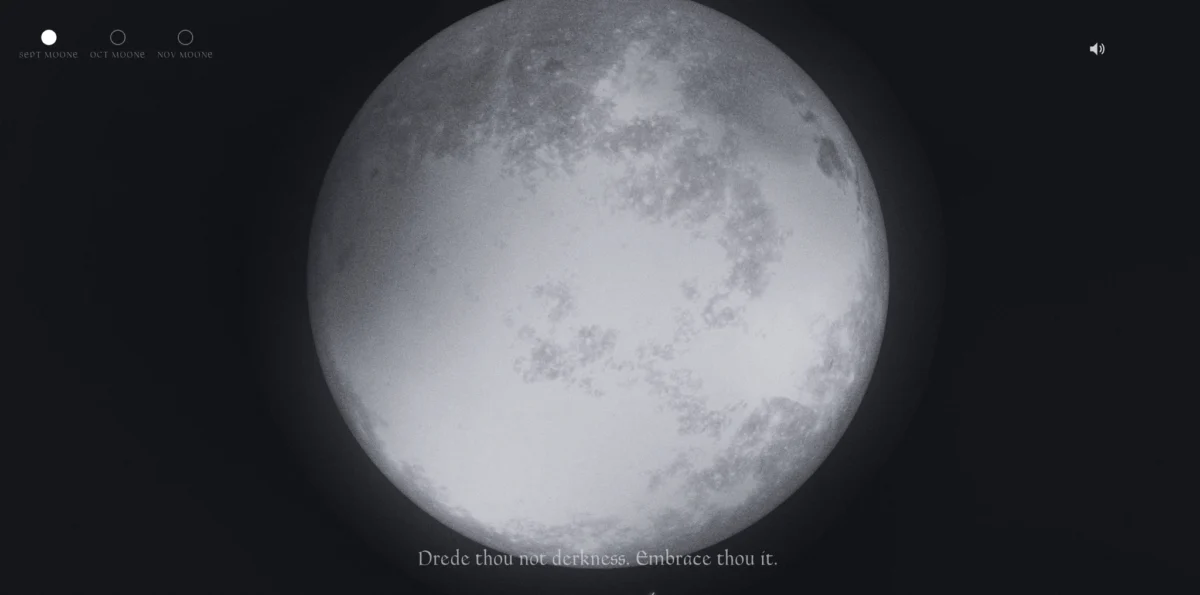
In a unique marketing strategy, Focus Features has launched an interactive Alternate Reality Game (ARG) titled Devoureth All Mankynde. The digital campaign is structured around the lunar calendar, with challenges opening during the full moons of September, October, and November 2026.
Participants are required to identify and decipher hidden "signs" embedded within the film’s digital marketing materials. Each phase of the game is time-limited, closing exactly 24 hours after the onset of the full moon. This initiative is designed to foster a dedicated community of viewers, encouraging granular analysis of the promotional materials. While the specific nature of the final prize remains undisclosed, the complexity of the requirements indicates that the studio is prioritizing high-level audience engagement over traditional, passive advertising.
Broader Implications for the Horror Genre
The release of Werwulf on Christmas Day is a calculated move by Focus Features, positioning the film as a counter-programming option for audiences seeking an alternative to conventional holiday fare. Historically, horror films have seen success in the final quarter of the calendar year, and the December 25 release date suggests that the studio views Werwulf as a prestigious, high-impact release rather than a niche genre project.

The film also represents a continuation of the "prestige horror" trend, where directors with strong auteur sensibilities are given the budget and creative autonomy to modernize classic monster archetypes. If the film achieves critical and commercial success, it could signal a shift in how studios approach folklore-based horror, moving away from jump-scare-heavy narratives toward character-driven, period-accurate psychological horror.
Timeline of Production and Release
The path to the screen for Werwulf has been marked by meticulous pre-production and a disciplined filming schedule. Following the completion of principal photography in early 2026, the project entered an extensive post-production phase focused on sound design and creature effects. The marketing campaign began in earnest in the third quarter of 2026, with the first teaser establishing the film’s tone and the second, more recent trailer offering further insight into the narrative’s stakes.
The following timeline outlines the key milestones in the project’s development:

- Early 2025: Formal announcement of the partnership between Robert Eggers and Focus Features for the project.
- Late 2025: Finalization of casting, including the roles of Aaron Taylor-Johnson and Lily-Rose Depp.
- Q1-Q2 2026: Principal photography, conducted on-location to ensure environmental authenticity.
- September 2026: Launch of the Devoureth All Mankynde ARG and the release of the second official trailer.
- December 25, 2026: Scheduled worldwide theatrical release.
Analysis of Genre Evolution
The werewolf sub-genre has long been dominated by narratives concerning the loss of control and the dual nature of man. However, these films have often struggled to transcend the "monster of the week" template. By anchoring the narrative in the 13th century, Eggers avoids the pitfalls of 20th-century creature-feature tropes. The absence of modern technology and the lack of scientific explanation for the condition force the characters—and the audience—to confront the curse through the lens of superstition and religious dogma.
This historical grounding provides a unique opportunity to explore the sociological impact of the unknown. In the context of the film, the "Werwulf" is not merely an antagonist but a catalyst for the unraveling of the community’s social fabric. The focus on the internal, emotional struggle of the protagonist, as mentioned by industry insiders, suggests that the film will prioritize the psychological toll of the curse over the physical spectacle of the transformation.
Future Expectations and Market Impact
As the release date approaches, the anticipation surrounding Werwulf continues to grow, bolstered by the reputations of both the director and the cast. Industry analysts suggest that the film’s success will likely depend on its ability to satisfy core horror fans while attracting a broader audience interested in Eggers’ signature cinematic style.

The integration of the ARG serves as a case study in modern audience retention. By gamifying the promotional cycle, Focus Features is effectively extending the lifespan of the film’s marketing campaign, keeping it at the forefront of digital discourse across multiple months. Should this strategy prove successful, it may influence the marketing blueprints for future high-concept horror projects.
In conclusion, Werwulf stands as a significant addition to the horror canon, blending the visceral elements of creature-feature terror with the intellectual depth and period-accurate precision that define Robert Eggers’ filmography. As the film nears its Christmas release, it remains one of the most anticipated titles of the year, promising a dark, uncompromising, and deeply atmospheric experience for audiences worldwide. Whether it succeeds in permanently altering the trajectory of the werewolf sub-genre or simply serves as a masterful iteration of a classic theme, it is poised to be a defining moment in 2026 cinema.