The cultural landscape of any given weekend is shaped by a diverse array of media consumption habits, ranging from immersive open-world video games to archival internet history and upcoming cinematic releases. Contemporary leisure activities increasingly reflect a balance between nostalgia-driven digital exploration and high-profile entertainment offerings across streaming and publishing platforms. This week’s cultural roundup examines key touchpoints across gaming, independent cinema, modern literature, classic animation, early internet history, and television horror adaptations.
The Persistence of Open-World Gaming and Digital Leisure
Interactive entertainment continues to occupy a significant share of weekend leisure time, with millions of players engaging with complex, open-world environments long after their initial commercial release cycles have concluded. Titles such as Nintendo’s The Legend of Zelda: Tears of the Kingdom illustrate the enduring appeal of sandbox exploration and resource management. Players frequently return to these digital spaces not merely to advance primary narrative objectives, but to complete granular completionist tasks, such as upgrading armor sets—a process requiring rare material drops like electric lizalfos tails.
Industry analysts note that repetitive, goal-oriented gameplay loops within relaxing virtual environments offer a distinct psychological decompression mechanism for modern consumers. Despite the inherent frustrations associated with rare item farming, virtual travel through simulated landscapes like Hyrule remains a prevalent weekend pastime, running parallel to traditional offline activities such as community engagement, civic participation, and seasonal outdoor recreation.
Contemporary Independent Cinema: Jane Schoenbrun’s Camp Miasma Arrives on MUBI
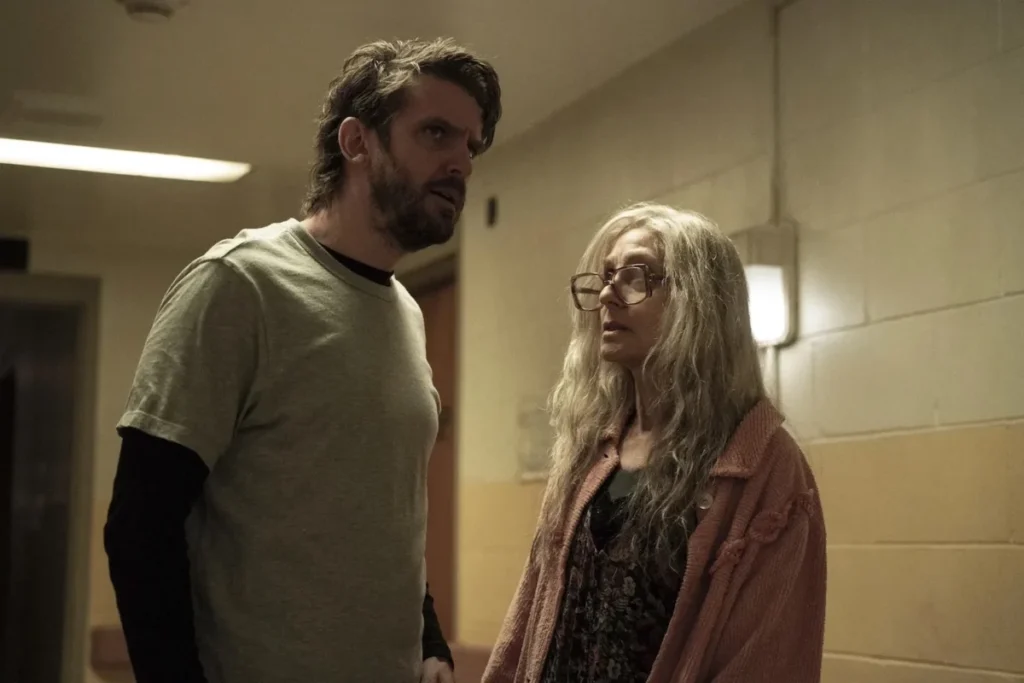
Shifting from interactive media to independent cinema, Jane Schoenbrun’s critically anticipated feature Teenage Sex and Death at Camp Miasma officially makes its streaming debut on MUBI. The film has generated substantial word-of-mouth momentum within critical circles, drawing attention for its distinct aesthetic and a prominent ensemble cast that includes Gillian Anderson and Jack Haven.
Schoenbrun, known for carving out a distinct niche in contemporary auteur-driven speculative fiction and psychological drama, has steadily built a dedicated following through works that examine memory, identity, and cultural alienation. The transition of Camp Miasma to a subscription video-on-demand platform broadens its accessibility, allowing delayed audiences to engage with a work that has already dominated critical discussions among cinephiles. Industry observers view MUBI’s acquisition and distribution of the title as part of a broader strategy to anchor prestige, director-led cinema within specialized digital ecosystems.
Literary Expansions of the Land of Oz: Gregory Maguire Follows Elphie with Galinda
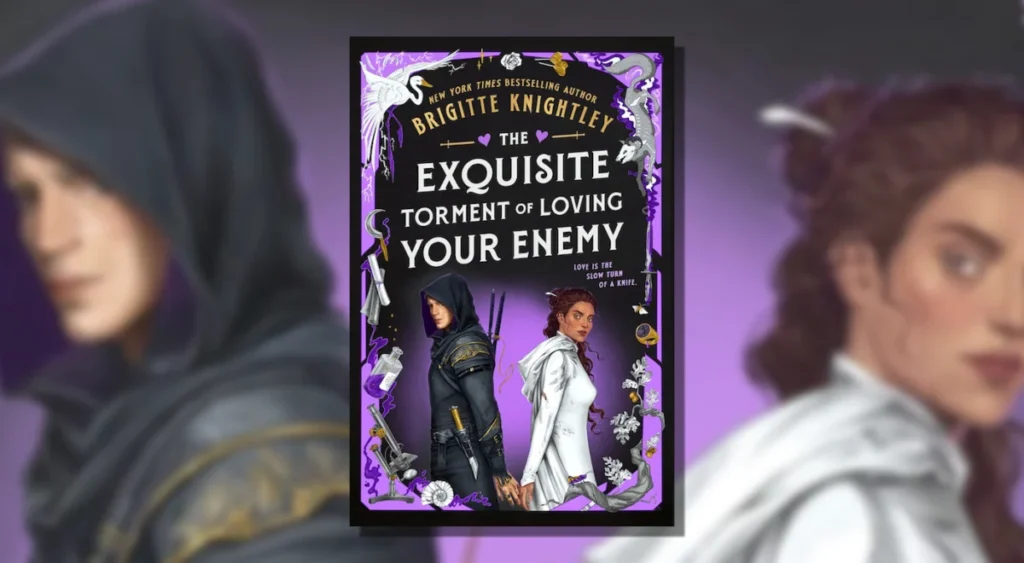
In the literary sphere, the enduring commercial and cultural footprint of L. Frank Baum’s fictional universe persists through the ongoing output of author Gregory Maguire. Following the publication of last year’s Elphie—a moody, atmospheric novel that challenged cynical market assumptions regarding tie-ins to cinematic adaptations—Maguire has expanded his revisionist Oz canon with Galinda.
Structured as a companion or "sister volume" to its predecessor, Galinda explores the formative childhood years of the future Good Witch of the North long before the events of the traditional narrative or its various stage and film iterations. While commercial adaptations of Wicked have historically skewed public perception toward musical theatre aesthetics, Maguire’s literary catalog maintains a loyal readership that values the darker, more philosophically complex subversion of Oz mythology. The release of Galinda reinforces the viability of literary world-building that operates independently of Hollywood blockbusters while capitalizing on renewed public interest in the franchise.
Animation Nostalgia and Seasonal Viewing Habits: Revisiting Over the Garden Wall
Seasonal viewing traditions during the autumn months frequently highlight critically acclaimed animated television programming, most notably Patrick McHale’s Emmy Award-winning miniseries Over the Garden Wall. Originally broadcast on Cartoon Network in 2014, the ten-episode narrative follows two half-brothers navigating a surreal, autumnal forest known as the Unknown.
Over the past decade, the series has cultivated an intensive cult following, emerging as an essential cultural touchstone for Halloween and fall-season enthusiasts. Media scholars attribute the enduring popularity of Over the Garden Wall to its rich, nostalgic pastiche of early American folklore, 19th-century illustration styles, and vocal performances by Elijah Wood and Collin Dean. Paired alongside classic print media such as Maurice Sendak’s 1981 picture book Outside, Over There, these atmospheric works continue to define the aesthetic parameters of seasonal escapism for contemporary audiences.
Digital Archaeology: Unearthing the History of Usenet via Usenet-Rewind
Beyond narrative entertainment, digital preservation efforts have opened new avenues for exploring the foundational history of the internet. The recent launch of archiving platforms such as Usenet-Rewind has sparked renewed interest in the archival record of early computer-mediated communication. Usenet, established in 1980 as a decentralized discussion system preceding the mainstream World Wide Web, hosted millions of distinct topical forums—known as newsgroups—where early netizens debated everything from popular music to early reality television formats like MTV’s The Real World.
Technology historians emphasize that platforms indexing historical Usenet logs serve as valuable digital time capsules. They document the nascent stages of online community formation, early rhetorical conventions, and the cultural shifts that accompanied the transition from analog to digital discourse. While public access to comprehensive archives often involves tiered subscription models, the existence of such databases underscores a growing cultural appetite for internet archaeology and personal digital self-reckoning.
Television Horror Adaptations: Mike Flanagan’s Reinvention of Carrie for Prime Video
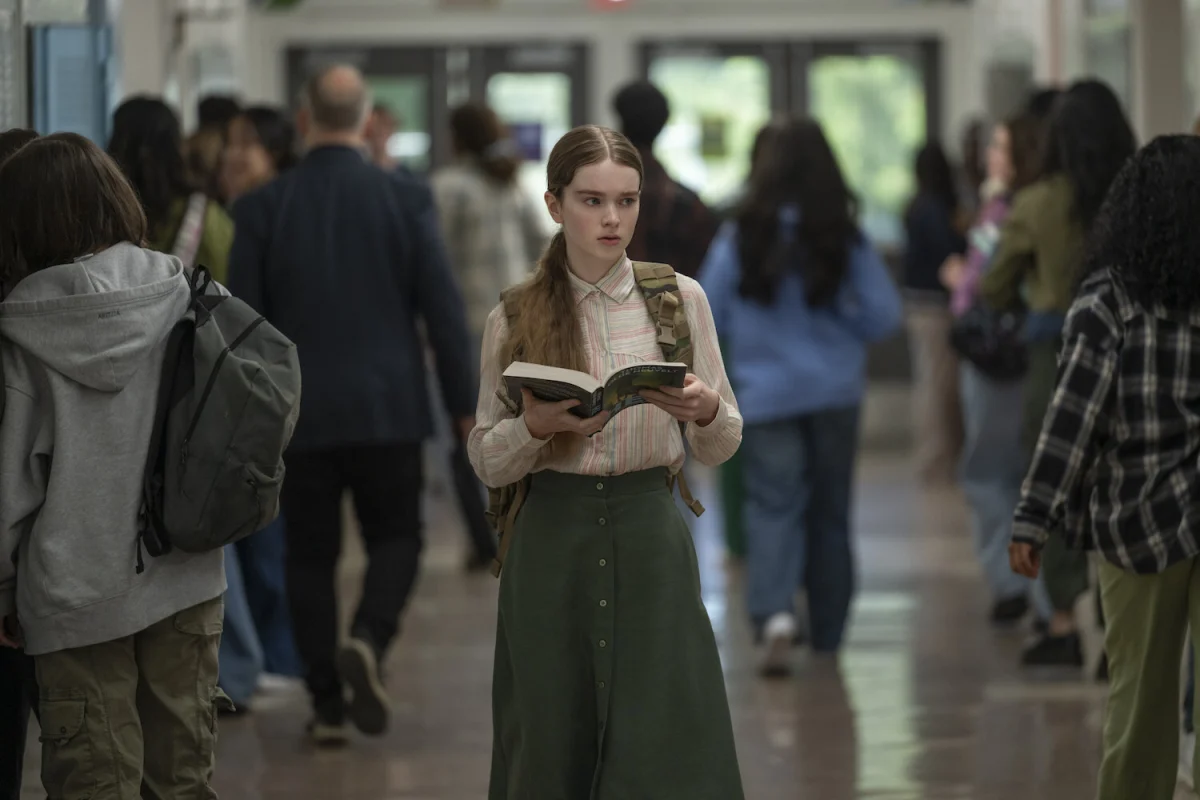
In the realm of upcoming television programming, the announcement of Mike Flanagan’s serialized adaptation of Stephen King’s Carrie for Amazon Prime Video has initiated widespread discussion among horror genre enthusiasts. Flanagan, widely recognized for his sophisticated contributions to contemporary horror television—including The Haunting of Hill House and Midnight Mass—faces the distinct challenge of reinterpreting a foundational text that has already seen multiple canonical film adaptations.
Industry analysts note that a modern television adaptation of Carrie inherently invites commentary on contemporary adolescent social dynamics, specifically the integration of social media into the classic themes of bullying, alienation, and telekinetic retribution. While Flanagan’s assembled cast and established track record in atmospheric horror generate optimism among critics, questions remain regarding audience fatigue toward stories centered on high school cruelty updated for the digital age. As production details and premiere timelines crystallize, the project stands as a major test of whether classic literary horror can be successfully translated into expansive, serialized television formats without losing its core resonance.