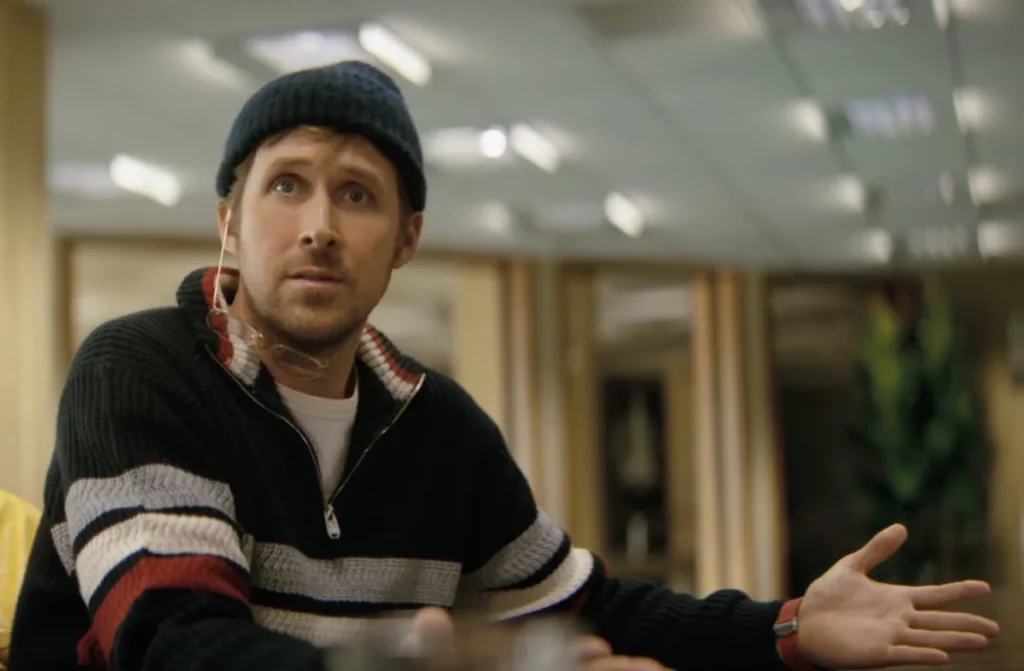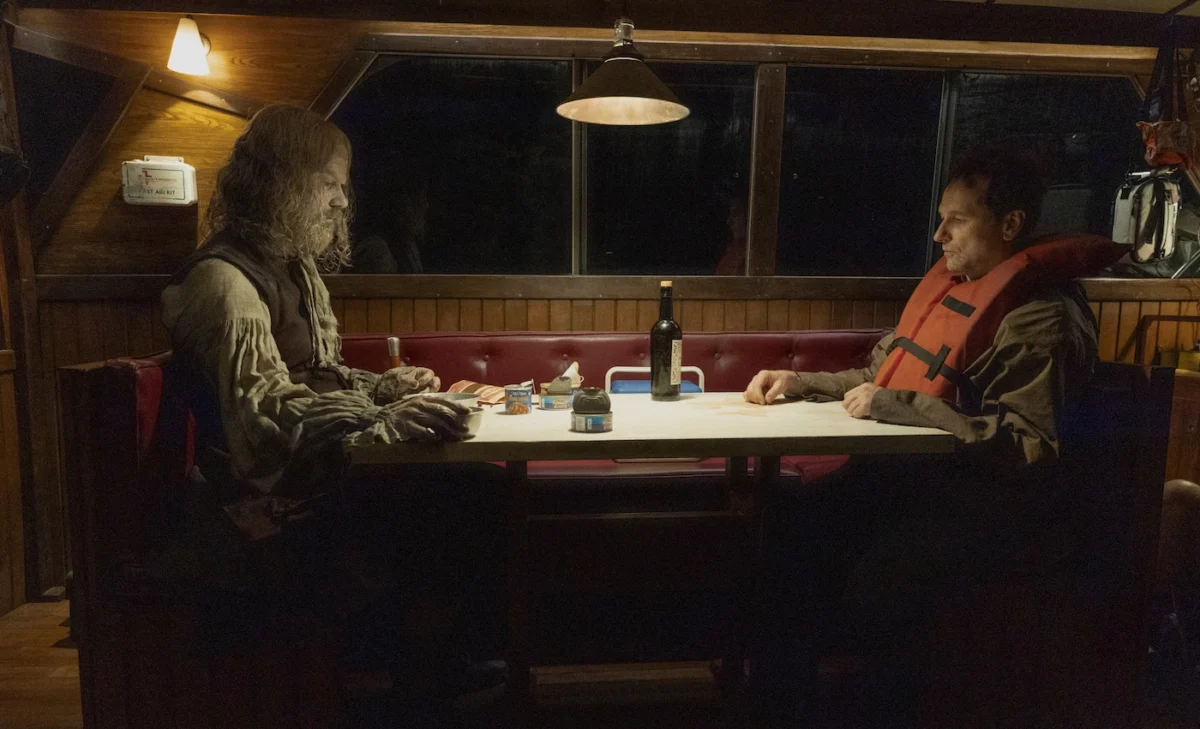
The cultural landscape of recent months has been undeniably shaped by the burgeoning popularity of the Apple TV+ series Widow’s Bay. This ambitious horror-comedy, which has captured significant attention across social media platforms, represents a compelling fusion of genres that has resonated deeply with audiences and critics alike. The show’s success is not merely anecdotal; it reflects a growing appetite for nuanced storytelling that expertly balances genuine scares with intelligent humor. This article will explore the multifaceted appeal of Widow’s Bay, examining its creative origins, stellar cast, dedicated crew, intricate details, memorable dialogue, insightful horror references, nuanced portrayal of female characters, exploration of masculinity, compelling lore, and its confirmed renewal for a second season.
The Genesis of a Genre-Bending Hit
The conceptualization of Widow’s Bay traces back to creator Katie Dippold, a writer and co-producer known for her work on the beloved sitcom Parks and Recreation. Dippold initially envisioned the series as a spec script for Parks and Recreation, aiming to infuse its signature quirky comedy with a darker, more mysterious tone. This origin story is crucial to understanding the show’s unique sensibility. The strong "Parks & Rec vibes" are particularly evident in episodes like "What to Expect on Your Trip," which showcases Dippold’s adeptness at blending character-driven humor with an underlying sense of unease. Dippold’s past association with the Babadook meme, specifically the iconic image of the character at a wine party, serves as a prescient descriptor of Widow’s Bay‘s core achievement: it is simultaneously genuinely funny and genuinely scary. For viewers sensitive to horror, the series demands a preparedness for moments that may necessitate looking away, a testament to its effectiveness in eliciting visceral reactions.
A Masterclass in Horror-Comedy Synthesis
Widow’s Bay distinguishes itself by its masterful execution of the horror-comedy genre, a delicate balancing act that often proves elusive. Unlike productions that lean too heavily on one element, resulting in a horror story with occasional jokes or a comedy with sparse scary moments, Widow’s Bay maintains a consistent equilibrium. The narrative seamlessly weaves humor into even the most terrifying sequences, and often, the humor itself becomes a source of dread. This is exemplified in the unsettling yet darkly comedic portrayals of characters like the Sea Hag and the Boogeyman, who embody the show’s ability to provoke laughter and chills in equal measure. The creative comparisons drawn by fans—such as Parks & Rec meets Twin Peaks, Schitt’s Creek meets The X-Files, or Ted Lasso meets Courage the Cowardly Dog—highlight the show’s remarkable ability to bridge seemingly disparate tonal landscapes.
An Ensemble of Exceptional Talent
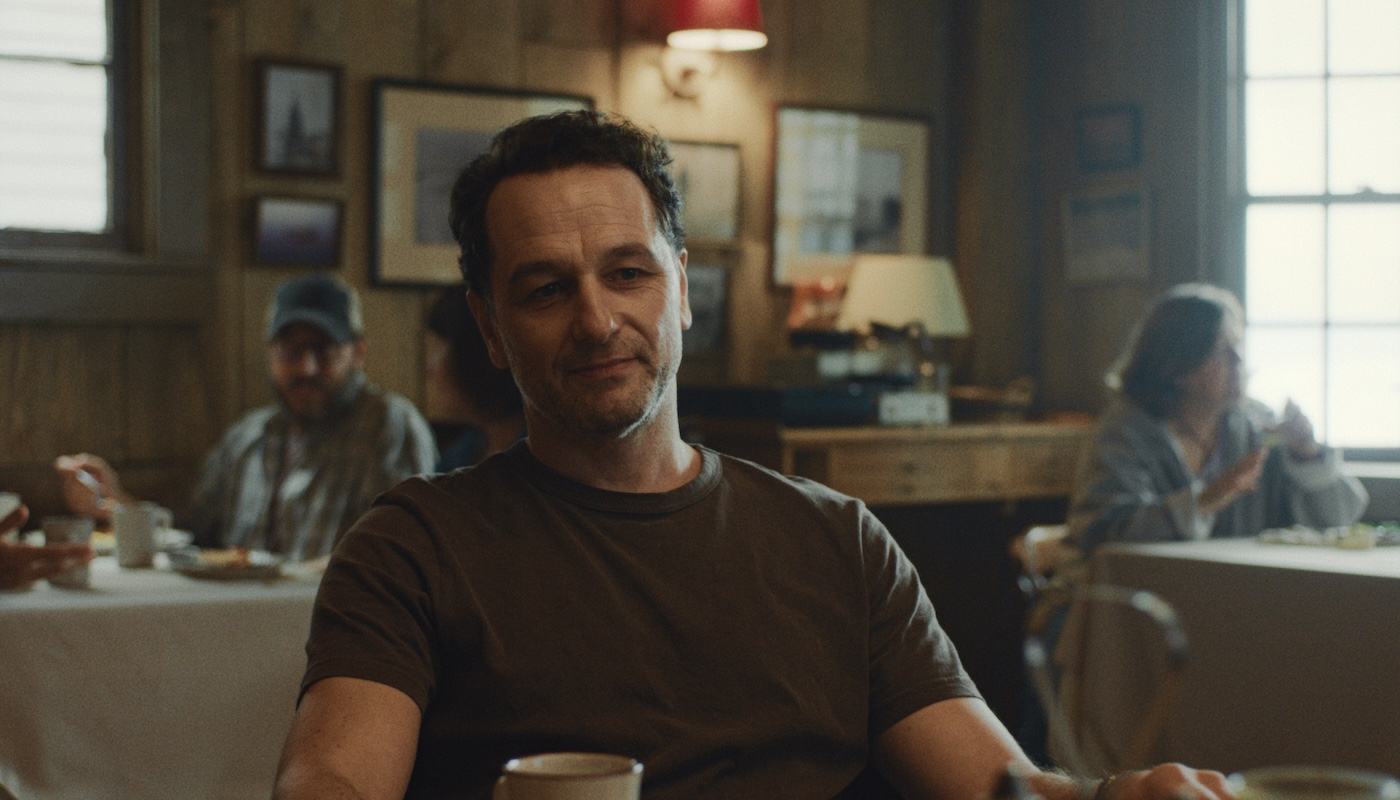
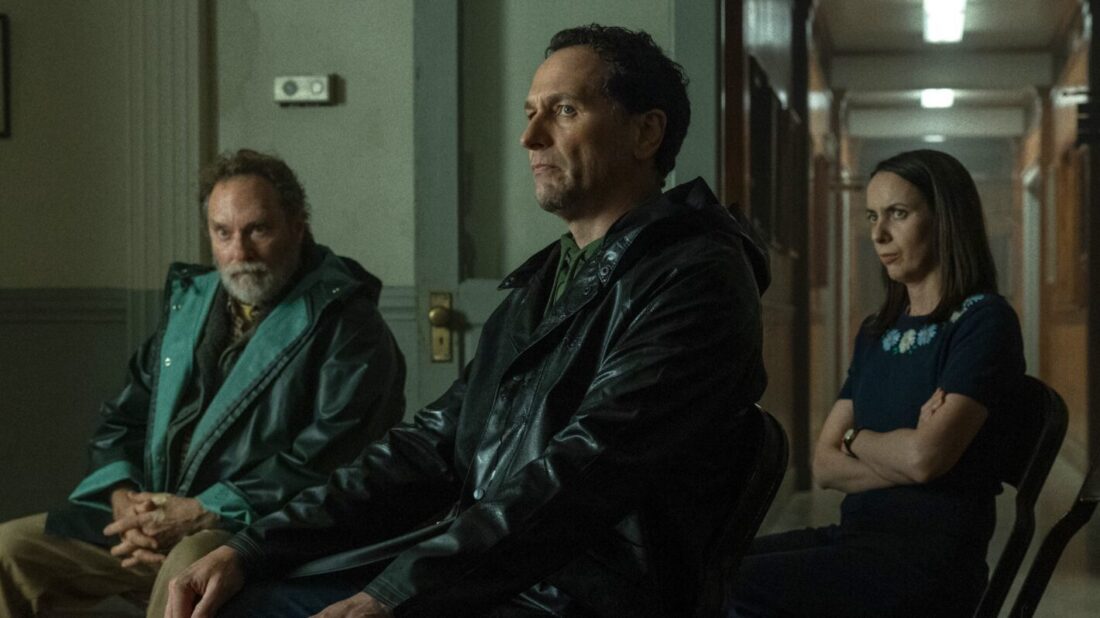
The cast of Widow’s Bay is a significant factor in its critical and popular success. Featuring a lineup that includes Matthew Rhys, Kate O’Flynn, Stephen Root, Dale Dickey, Kevin Carroll, Jeff Hiller, K Callan, Hamish Linklater, Chris Fleming, and Betty Gilpin, the series boasts a wealth of acting prowess. Matthew Rhys, in his first leading comedic role, delivers a standout performance as the straight man, grounding the fantastical elements of the narrative. Kevin Carroll’s portrayal of the sheriff, who preemptively opts out of the island’s unfolding horrors with a wry detachment, provides a humorous counterpoint to the escalating terror. Relative newcomer Kingston Rumi Southwick brings significant depth and heart to the character of Evan, a potentially stock teenage role elevated through his nuanced performance.
A particularly appreciated aspect of the casting is the cast’s authentic portrayal of "real people." While the show certainly features attractive individuals, the emphasis is on a grounded, relatable aesthetic. The actors do not appear as if they have stepped off a runway or out of a focus group, but rather as individuals who could believably inhabit a small, peculiar town. This groundedness is essential for a show that embraces fantastical elements, ensuring that the narrative remains tethered to a sense of reality, even when dealing with a clown killer.
The Visionary Minds Behind the Camera
The directorial and creative team behind Widow’s Bay is equally impressive, featuring seasoned professionals with strong track records in television and film. Directors such as Hiro Murai, Andrew DeYoung, and Samuel Donovan, all recognized for their significant contributions to television, lend their expertise. Ti West, known for his work on the X film series, brings a distinct horror sensibility to the project. The meticulous attention to detail extends to the crew, with music supervisor Toko Nagata, who previously worked on Mike Flanagan’s acclaimed horror projects, crafting perfect musical cues. Composer David Fleming’s score is a notable achievement, expertly paying homage to classic horror movie instrumentals while carving out its own unique identity. The collective efforts of the entire crew, from cinematography and editing to set design and costuming, underscore a shared commitment to delivering a high-quality production.
The Power of Unseen Details
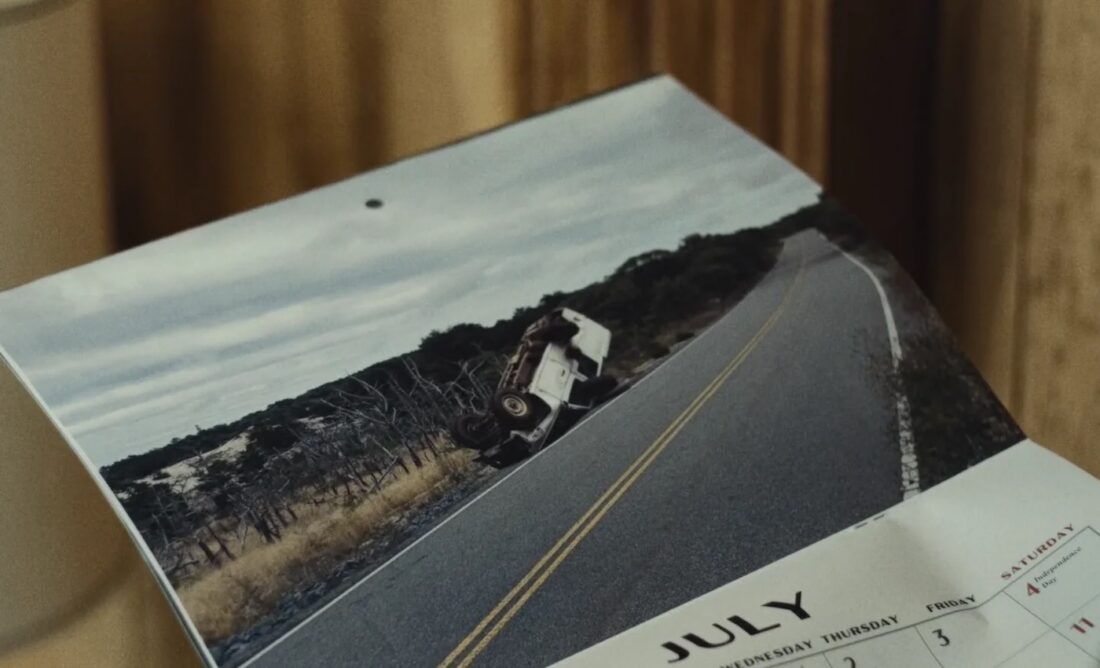
Widow’s Bay is a series meticulously crafted for rewatchability, with subtle details woven throughout each episode that reward close observation. These elements contribute significantly to the show’s unsettling atmosphere and rich world-building. From flickering lights and fleeting apparitions in mirrors to the unsettling artwork adorning the walls, these details create a persistent sense of unease. Specific instances that exemplify this attention to detail include Matthew Rhys’s subtly varied accent, a newspaper clipping detailing a priest’s death by whale described as a "sacrifice," the uncanny movement of Patricia’s mug, and the darkly humorous juxtaposition of a wolf calendar featuring a car crash for July. These seemingly minor elements collectively enhance the narrative’s depth and the viewer’s engagement with the mysteries of Widow’s Bay.
A Tapestry of Quotable Lines
The dialogue in Widow’s Bay is exceptionally sharp and eminently quotable, with the entire cast delivering lines with masterful precision. The show’s ability to generate memorable phrases is a testament to the writers’ skill. Lines such as "Except for the teeth," "I know you asked me to be supportive, but I have my qualms," and "Once again, I’d like to remind everyone that it is not mandatory that you speak" showcase the show’s blend of dark humor and character insight. Other standout quotes, including "Alright, fuggos, let’s go," "There’s no rush to the augmentation of the soul, folks," and the chillingly delivered "Not yet. Not yet. Not yet. RUN," underscore the series’ ability to elicit both laughter and trepidation. The dialogue consistently serves to advance the plot, develop characters, and reinforce the show’s unique tone.
A Deep Appreciation for Horror Tropes
Widow’s Bay operates as a profound love letter to the horror genre, skillfully referencing a vast array of cinematic and literary touchstones. Films such as Jaws, Halloween, The Witch, The Village, Evil Dead, The Blair Witch Project, The Wicker Man, The Exorcist, and numerous Alfred Hitchcock and Stephen King works are subtly or overtly acknowledged. These references manifest in various ways, from visual compositions and costume choices to specific plot points and thematic explorations. The series even engages with tropes like the "Final Girl" in its "slasher episode" featuring Patricia, demonstrating a critical understanding of horror’s conventions. This deep appreciation for the genre, coupled with a discerning eye for its limitations and potential for subversion, elevates Widow’s Bay beyond mere homage.
Celebrating Middle-Aged Women
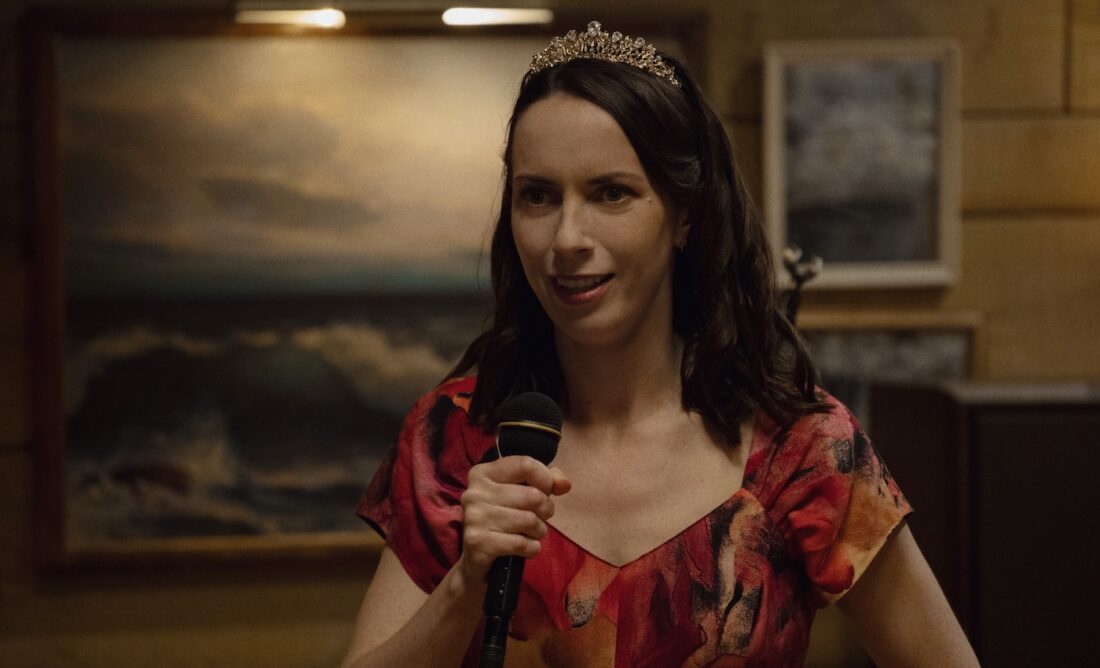
A significant and commendable aspect of Widow’s Bay is its deliberate focus on middle-aged and older female characters. In a media landscape often dominated by younger protagonists and stereotypical portrayals of women, this series offers a refreshing and nuanced representation. The show explores the experiences of women navigating societal pressures related to age, loneliness, and the lingering consequences of past decisions. It celebrates women who defy conventional norms and thrive on their own terms. While horror films frequently depict mothers protecting their children or young women in peril, Widow’s Bay champions single, childless women in their forties, portraying them with all their complexities and flaws, free from the condescension often associated with such characters in other narratives.
The Evolving Landscape of Masculinity
The series also delves into the complexities of masculinity through its exploration of "frightened men who will do desperate things." Fatherhood, with its inherent joys, terrors, and potential cruelties, emerges as a central theme. The show examines fathers and father figures grappling with societal expectations and the challenges of navigating their identities. Tom’s journey, for instance, is deeply intertwined with his complicated relationship with his son, Evan. The writers skillfully peel back layers of these characters, shifting audience perceptions and revealing the intricate dynamics of their relationships. Tom’s arc, from a seemingly archetypal figure akin to the mayor in Jaws or the father in The Shining to a more complex and compelling individual, showcases the show’s sophisticated character development. However, a point of critique noted by some viewers is the show’s current emphasis on cishet white male characters, with an expressed hope for increased diversity in future seasons.
The Enduring Power of Lore
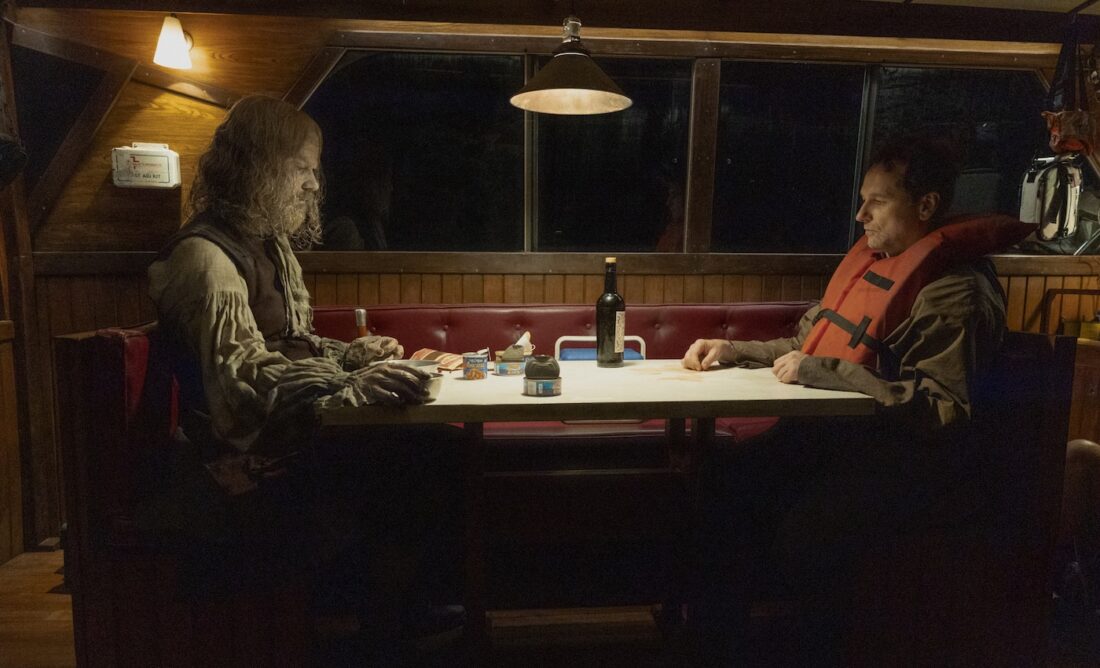
The intricate lore of Widow’s Bay is a carefully constructed element that unfolds with thoughtful deliberation. While initially appearing to feature a series of standalone monster-of-the-week narratives, the season’s arc reveals how each creature is intrinsically linked to the overarching plot and serves as a catalyst for significant character development. The monsters are not arbitrary but are tailored to specific characters, offering both plot progression and insights into the island’s hidden history. The desire for future episodes to explore lore encounters for characters like Rosemary, Dale, Bechir, and Evan reflects the audience’s deep engagement with this aspect of the series.
Renewed for a Second Season: A Testament to Success
The confirmation of a second season for Widow’s Bay is a strong indicator of its widespread appeal and critical acclaim. This renewal signifies Apple TV+’s confidence in the series’ potential and its established fanbase. Widow’s Bay has not only achieved significant popularity but has also cemented its place as a standout program, with many anticipating its inclusion in discussions of the best television of the current decade. The show’s ability to consistently perform at a high level across all its creative and technical aspects makes its continued success unsurprising.
Bonus Insight: The Unforgettable Patricia
The character of Patricia has become a particular point of fascination for many viewers, her presence and narrative arc sparking considerable discussion. The show’s ability to create such memorable and impactful characters, even through brief mentions or thematic allusions, speaks to its overall strength.
Bonus Observation: A Familiar Resonance
For fans of Hamish Linklater, his role in Widow’s Bay presents an intriguing parallel to his previous work. The recurrence of him portraying a community leader encountering malevolent entities on a secluded New England island town, having appeared in two such instances, highlights a specific thematic thread that has resonated across his career.