The latest installment of Witch Hat Atelier continues to delve into the complex world of magic, societal control, and the personal journeys of its characters, solidifying its position as a critically acclaimed series. This episode, in particular, masterfully balances the intimate dynamics within the atelier, the growing mystery surrounding Qifrey’s past and his obsession with the Brimmed Caps, and the ongoing character development of its young protagonists. The meticulous attention to detail, both in the animation and the narrative, remains a hallmark of the series, contributing to its consistent appeal and critical praise.
The Human Element in a Magical World
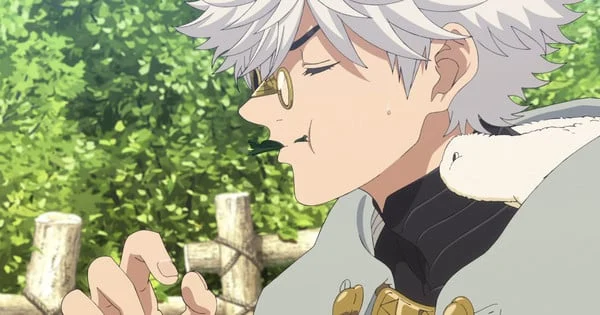
A recurring theme in Witch Hat Atelier is the portrayal of its magical practitioners as fundamentally human, flaws and all. This episode highlights this through Qifrey’s actions, specifically his habit of chewing on leaves, a seemingly mundane act that is depicted without romanticization. The visual of him unceremoniously ingesting herbs, with bits of foliage clinging to his mouth, underscores his grounded nature. This deliberate lack of aesthetic idealization serves to reinforce his humanity, a stark contrast to the image of infallibility he might project, or that the young witches at the atelier perceive.
The narrative subtly suggests that Qifrey, while a mentor figure, is not above making mistakes or facing personal repercussions. His attempt to tamper with a twinned jar spell, an act driven by his ambition, leads to a near-fatal encounter with an eye witch and leaves him with numb hands. This incident serves as a potent reminder of his fallibility. His struggle to conceal the evidence of his injury further emphasizes his vulnerability. The advice from Agott, urging him to slow down, appears to be rooted in a deeper understanding of the potential dangers and consequences associated with certain magical practices, knowledge he seems to possess but is perhaps compelled to ignore due to his underlying motivations.
Unraveling the Mystery of Forbidden Magic
The episode provides significant insight into the origins of Qifrey’s fixation on the Brimmed Caps and the broader implications of the "Pact," a historical event that reshaped the magical landscape. It has been previously established that spells affecting the human body are among those forbidden under the Pact. However, this episode clarifies that the prohibition extends specifically to magic used for healing.
A key revelation is that the twinning spell employed on Coco’s jar by a Brimmed Cap is rooted in medical magic. This type of spell was crucial for apothecary witches, ensuring a consistent supply of medicines for hospitals and doctors. The objection of healing witches to the Pact, and their subsequent memory wiping, is presented as a short-sighted decision with profound consequences. The article posits a critical question: why was an exception not made for healers, especially when exceptions have been granted to groups like the Knights Moralis, whose contributions might be argued as less vital than those of medical practitioners who could mend broken limbs or cure illnesses?
This line of inquiry raises significant implications about the nature of the Pact itself. Was it driven by anti-Outsider bias, a belief that non-magical populations should be denied life-saving medical advancements and technologies? Or was it an act of extreme ideological fervor, a desire to eradicate any remnants of magic, even beneficial applications, akin to "razing the land and salting the earth to kill a single plant"? The episode’s exploration of this historical injustice provides a crucial context for understanding Qifrey’s current motivations and the systemic issues plaguing the magical world.
The Politics of Power and Magic
Witch Hat Atelier consistently examines how the policing of magic is intrinsically linked to the distribution of power. The Knights Moralis serve as a clear embodiment of this, wielding significant authority and enforcing strict magical regulations. However, the episode delves deeper, illustrating how this power dynamic impacts individuals on a personal level, as exemplified by Agott’s trauma.
Agott’s deeply ingrained insecurities stem from her mother’s rejection of her as an apprentice. This rejection was based on her mother’s perceived unworthiness of the Arklaum family’s magical lineage. Consequently, Agott’s life has been a relentless pursuit to disprove her mother’s judgment. Coco’s presence in her life creates a profound internal conflict. On one hand, Coco’s burgeoning magical abilities seem to validate her mother’s belief that some individuals are not fit to wield power, and perhaps that Agott herself is not a worthy successor. If someone like Coco, who seemingly does not possess the same esteemed lineage, can perform magic, it challenges Agott’s deeply held belief in the exclusivity of the Arklaum bloodline and, by extension, her own specialness. This existential crisis highlights the profound psychological impact of societal structures that dictate worthiness based on lineage and magical aptitude.
Diverse Attitudes Towards Magic
The narrative skillfully portrays a spectrum of attitudes towards magic and its inherent power structures. Each character within the atelier, and those they encounter, represents a different facet of this complex relationship:
- Agott: Driven by a desperate need to prove her worthiness and overcome her mother’s rejection, her perception of magic is tied to validation and exclusivity.
- Tetia: Embodies a compassionate approach, her motivation rooted in a desire to help and heal others through magic.
- Richeh: Exhibits a rebellious spirit, resenting rules and the rigid adherence to them by adult figures.
- Olruggio: Appears to operate pragmatically, performing his magical duties without deep contemplation of the societal implications or external perceptions.
- Tartah: Expresses resentment towards the rules that restrict his access to magical apprenticeship. His interactions with Outsiders suggest a feeling of marginalization and being on the periphery of the magical establishment.
- Qifrey: Actively seeks to circumvent or manipulate existing rules, driven by his personal agenda and understanding of magic’s potential.
- Coco: Represents an unadulterated love for magic, appreciating it for its inherent nature and capabilities. This pure fascination is what draws the attention of the Brimmed Cap, suggesting that genuine passion is a rare and valuable commodity in this world.
The episode argues that while the Knights Moralis have imposed excessive restrictions and rigidly adhere to them, a balance is essential. The current system, characterized by adult figures attempting to manipulate Coco for their own ends, prevents her from finding this equilibrium. The implication is that if these external pressures were removed, Coco might be able to navigate her relationship with magic more authentically and contribute to a more balanced magical society.
Broader Implications and the Future of Magic
The events depicted in this episode of Witch Hat Atelier carry significant weight for the future of the magical world. The exploration of the Pact’s origins and its discriminatory impact on healing magic suggests a deep-seated historical injustice that continues to have repercussions. Qifrey’s personal quest, fueled by a desire to rectify past wrongs or reclaim lost knowledge, adds another layer of complexity to the ongoing narrative.
The character arcs, particularly Agott’s internal struggle, highlight the psychological toll of a society that rigidly defines power and worth. The contrast between characters like Agott and Coco underscores the different paths individuals take when confronted with these societal pressures. Coco’s genuine love for magic, untainted by ambition or the need for validation, positions her as a potentially pivotal figure in challenging the established order.
The series consistently poses questions about the nature of control, the ethics of power, and the importance of balance. The episode’s conclusion, emphasizing the need for adults to stop exploiting Coco and allow her to discover her own path, suggests a potential turning point. If the adult figures in her life can move beyond their own agendas, Coco may indeed become the catalyst for a more equitable and compassionate magical society, one that values genuine passion and healing over rigid adherence to outdated doctrines. The ongoing streaming of Witch Hat Atelier on Crunchyroll provides a platform for audiences worldwide to engage with these profound themes and witness the unfolding of this captivating narrative.