A Historic Run in Global Markets
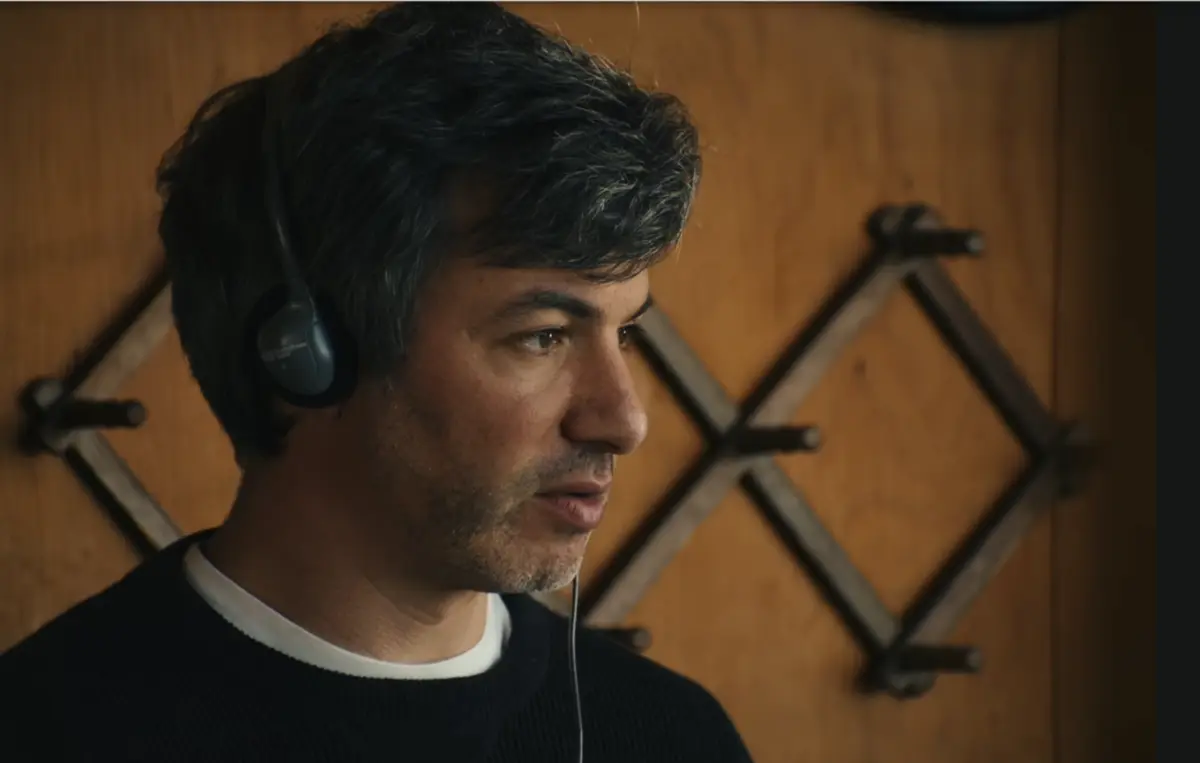
Directed by the tandem of Nathan Fielder and Lance Oppenheim, the film has sustained a remarkable trajectory since its North American debut on October 16, 2026. Domestic receipts currently stand at $93.4 million, accumulated over a six-week theatrical run characterized by an unusual level of repeat viewership and word-of-mouth momentum. The international rollout, managed in several territories by Sony Pictures, has seen similar fervor. Markets including Australia, the United Kingdom, and various Scandinavian territories have reported a high frequency of sold-out screenings, defying the traditional limitations usually associated with the documentary format at the global box office.
The film’s commercial performance is not merely a product of curiosity regarding the Theranos scandal, but a reflection of its unique production aesthetic. By embedding themselves within the intimate, often volatile domestic sphere of Holmes and her partner, Billy Evans, Fielder and Oppenheim crafted a narrative that transcends traditional talking-head reportage. This immersive approach has resonated deeply with contemporary audiences, who appear increasingly drawn to "eventized" documentaries that offer a fly-on-the-wall perspective of significant cultural and criminal history.
Digital Dominance and the Letterboxd Milestone
Beyond traditional financial metrics, You Can See Everything has solidified its cultural footprint in the digital sphere. Over the most recent weekend, it became the first documentary in the history of Letterboxd to surpass one million "watched" logs. This achievement is significant not only for its volume but for the qualitative reception it represents.
With a staggering 4.61 average rating on the platform, the film now ranks as the second-highest-rated feature ever to reach the one-million-watched milestone, sitting just behind the 1957 classic 12 Angry Men, which maintains a 4.63 rating. Within the context of 2026 releases, it stands as the highest-rated film of the year and the second-highest-rated documentary in the site’s history, trailing only the seminal concert film Stop Making Sense. Being the 19th film of the year to join the "One Million Watched Club," You Can See Everything has achieved a level of critical and popular consensus that is rarely seen in the current fragmented media landscape.
Chronology of a Box Office Phenomenon
The ascent of the film can be traced through a series of specific, high-performance benchmarks that underscore its outlier status. The journey began with a $15.6 million domestic opening, the second-highest debut for a non-music documentary in history, surpassed only by Michael Moore’s 2004 political juggernaut, Fahrenheit 9/11.
Perhaps more impressive than its opening frame was the film’s resilience. It secured the highest-grossing domestic opening for a film released in fewer than 1,000 theaters since the 2006 cultural phenomenon Borat. This limited-screen strategy allowed for an aggressive expansion that kept demand high, eventually leading to a historic third-weekend surge. In its third week of release, the documentary ascended to the No. 1 spot at the domestic box office—an unprecedented feat for a documentary, cementing its status as a crossover success that appealed to both cinephiles and general multiplex audiences.
As it stands, the film is closing the gap on the all-time record for a non-music documentary, currently held by Fahrenheit 9/11 with a lifetime domestic cume of $119.1 million. Given the current trajectory and the ongoing international expansion, industry analysts are closely monitoring whether You Can See Everything will surpass this two-decade-old record before its theatrical window concludes.

The Cinematography of Tension
The production’s success is inextricably linked to the tension captured by cinematographer David Bolen. During a recent retrospective screening at the Camerimage film festival, Bolen provided rare insight into the logistical and emotional challenges of documenting a subject as guarded as Holmes.
Bolen described the environment as "tense" and noted that his primary directive was to remain an unobtrusive observer. While he engaged in minimal, polite pleasantries with Holmes and Evans, he emphasized that his role was to function as a quiet conduit for the truth of the moment. "I really tried to stay out of the situation as much as possible," Bolen noted. "Sometimes it would get tense, and you see in the office scene, it gets a little bit tense, and [I would] just try to be quiet and polite and get the cameras out." This adherence to a "fly-on-the-wall" philosophy allowed the filmmakers to capture the visceral discomfort of the final months of the Theranos enterprise, providing viewers with an unprecedented look at the human cost of corporate hubris.
Industry Implications and Awards Season
The critical reception has been nearly unanimous. Rotten Tomatoes currently reflects a 97 percent critics score, with praise frequently centering on the film’s tonal balance. As noted by The Hollywood Reporter critic Angie Han, the film is "smart, funny and full of surprises," successfully avoiding the dry, expository traps that often hinder long-form documentaries.
As awards season approaches, You Can See Everything is widely viewed as a frontrunner for the Academy Award for Best Documentary Feature. Its success has sparked a broader conversation within the industry regarding the viability of documentaries as theatrical "tentpoles." For A24, the film’s performance validates a long-standing strategy of prioritizing auteur-driven, unconventional non-fiction projects.
The broader implications for the industry are significant. As major studios struggle to maintain interest in traditional mid-budget dramas, the success of this film suggests that audiences are increasingly hungry for documentaries that offer the pacing, cinematography, and narrative structure of high-end fiction. The "event" documentary, characterized by deep access and high-concept direction, may represent the next frontier for theatrical distribution.
Looking Forward
As the film continues its global rollout, the focus shifts toward its long-term legacy. Beyond the spreadsheets and the box office records, You Can See Everything has provided a definitive, if uncomfortable, coda to one of the most high-profile white-collar crime stories of the 21st century.
Whether it eventually claims the top spot on the all-time box office list for documentaries or serves primarily as an awards season darling, its place in the 2026 cultural lexicon is secure. The combination of Fielder and Oppenheim’s distinct directorial voices, the chilling subject matter, and the strategic distribution of A24 has created a perfect storm of content that has effectively bridged the gap between investigative journalism and mainstream entertainment. For now, the "One Million Watched" milestone remains the most accurate barometer of the film’s reach, confirming that in a crowded media landscape, a well-told, access-driven documentary remains a powerful draw for the global public.