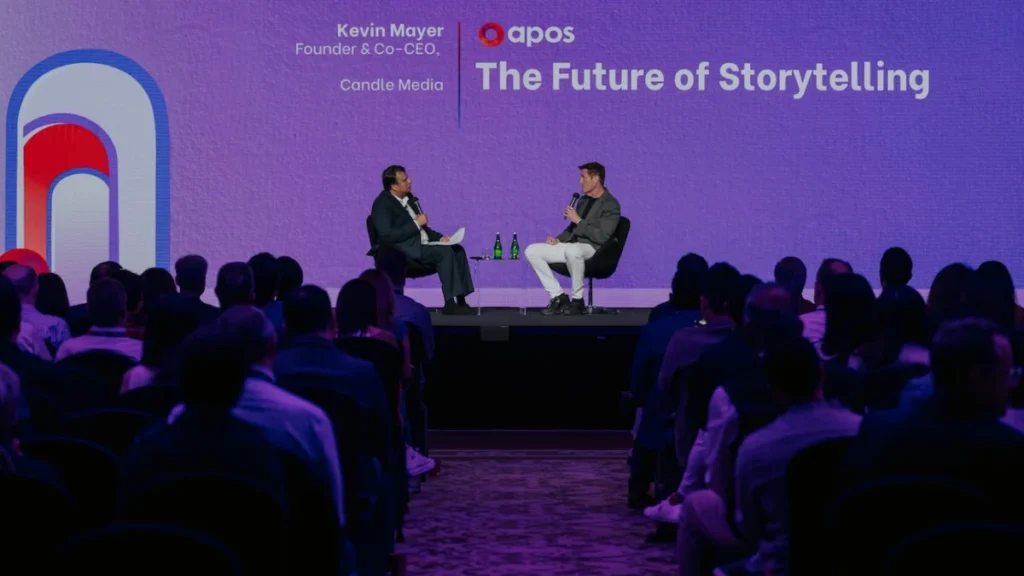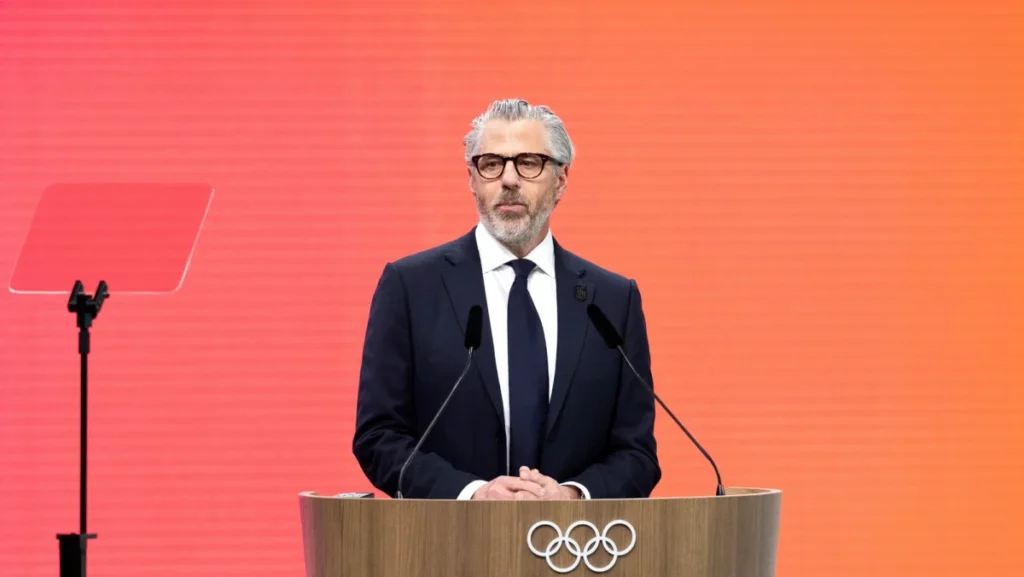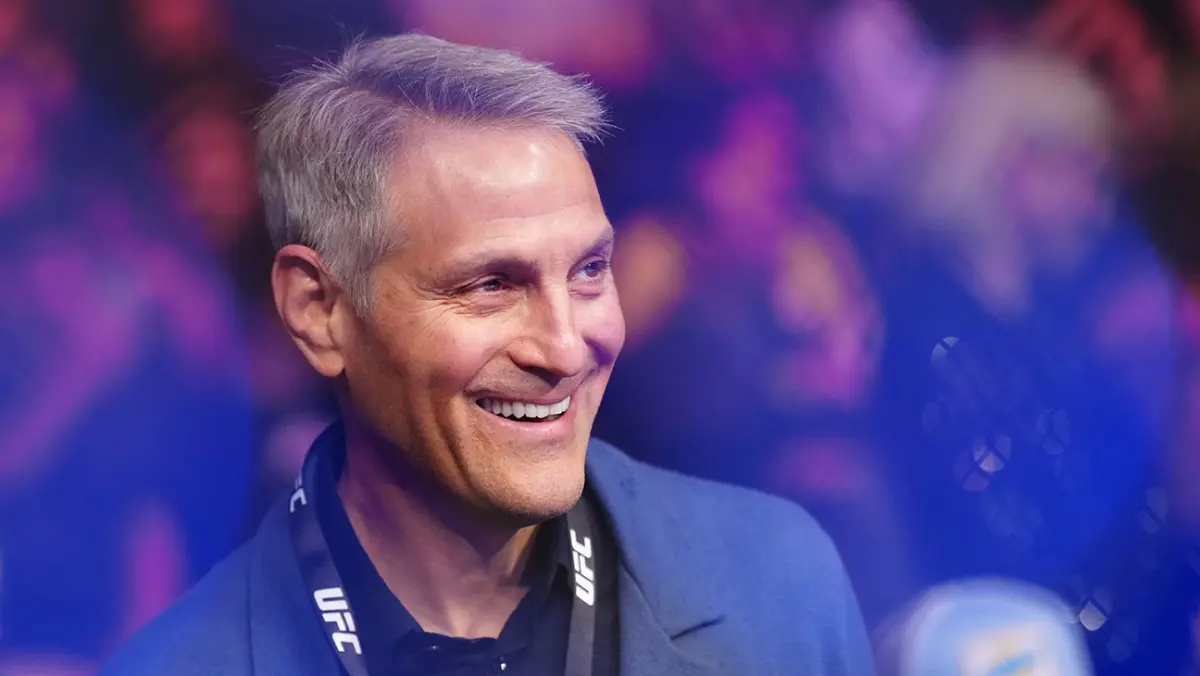
Ari Emanuel, the high-powered executive chair and CEO of TKO Group and chairman of WME Group, took to the stage in London this past Saturday for an expansive discussion regarding his new memoir, Roll the Calls, published by Penguin Random House. The event, hosted by the debate forum Intelligence Squared and moderated by veteran journalist Tina Brown, was titled An Evening With the Dealmaker Who Reshaped Hollywood. It served as a retrospective of a career that began in the humble, high-pressure confines of the Creative Artists Agency (CAA) mailroom and culminated in the creation of a global sports and entertainment conglomerate.
Throughout the evening, Emanuel addressed the intersection of his professional history with the shifting landscape of contemporary media, the integration of artificial intelligence in creative sectors, and the polarized nature of modern American politics. His insights offered a rare glimpse into the decision-making processes of one of the industry’s most influential figures.
A Career Built on Influence and Tenacity
The trajectory of Ari Emanuel’s career is inextricably linked to the modern history of the talent agency business. Rising from the mailroom to become the head of Endeavor—and eventually the architect of the TKO Group merger, which united the UFC and WWE—Emanuel has represented some of the most prominent figures in entertainment, including Martin Scorsese, Larry David, and Oprah Winfrey.
Emanuel’s professional philosophy is rooted in the concept of providing unfiltered, high-stakes counsel. During the event, he characterized his role as a transactional advocate, noting that his clients pay a premium for his perspective. “What I say to people is: You pay me 10 percent for my opinion. You’ll listen to my opinion. You don’t want to follow it, don’t follow it!” he stated. He acknowledged that this blunt approach has occasionally resulted in losing clients, though he noted that the professional ecosystem is often cyclical, with some individuals eventually returning to his representation after recognizing the value of his candid, if sometimes difficult, advice.
Navigating the AI Frontier
As the entertainment industry grapples with the rapid advancement of generative artificial intelligence, Emanuel offered a nuanced perspective on the threat and utility of the technology. He argued that while AI is adept at synthesizing existing data—which he described as a “very good average”—it fundamentally lacks the essential human qualities of taste, judgment, and curiosity.
Emanuel posited that in an era where AI can generate content at scale, the value of human intuition increases. “AI doesn’t have taste, and taste only comes with time and knowledge of situations,” he said. He suggested that for creative leaders like Martin Scorsese, AI functions as a tool to enhance execution rather than a replacement for vision. He cited his wife, a fashion designer, as an example of the successful implementation of these tools, noting that she uses AI to iterate on ideas while maintaining total control over the creative direction.
Regarding the ethical concerns surrounding AI—specifically its lack of inherent morality—Emanuel expressed a cautious outlook. He admitted that while the integration of moral frameworks into AI is a necessary evolution, the path to achieving it without stifling innovation remains unclear. The implication for the industry is clear: as technical barriers to entry lower, the premium on human curation and brand identity will likely rise.
The Complexity of Global M&A: The UFC Deal
A significant portion of the conversation focused on the logistical challenges of high-stakes dealmaking, specifically the acquisition of the UFC. Emanuel detailed the complexities of the 2016 deal, which was orchestrated by WME-IMG and private equity partners.
The process was marked by extreme volatility. Emanuel explained that the initial plan to have a major studio like Fox acquire the UFC fell through due to shifting corporate strategies. Following that, the group faced competition from well-funded entities looking to enter the sports entertainment sector. However, the deal was further complicated by global macroeconomic instability. Emanuel jokingly blamed the British electorate for the chaos, noting that the 2016 Brexit referendum created severe turbulence in the banking system at the exact moment the acquisition needed to close.
The successful completion of the UFC acquisition is widely considered a turning point for Endeavor, effectively positioning the firm as a leader in live sports content. Since the merger with WWE to form TKO Group, the entity has seen its valuation fluctuate in public markets but has maintained a dominant hold on global sports broadcasting rights and live event revenue.
Politics and the Role of Sports as a Unifying Force
Despite his status as a prominent donor and participant in Democratic circles, Emanuel emphasized that sports represent a rare neutral ground in an increasingly divided society. He expressed a preference for open dialogue across political aisles, noting that the visceral appeal of live combat sports transcends ideological labels.
When pressed by Tina Brown on the political climate—specifically regarding the MAGA movement and the Democratic Socialists of America—Emanuel maintained a distance from extremist rhetoric, suggesting that neither ideology aligns with his pragmatic approach to national governance.
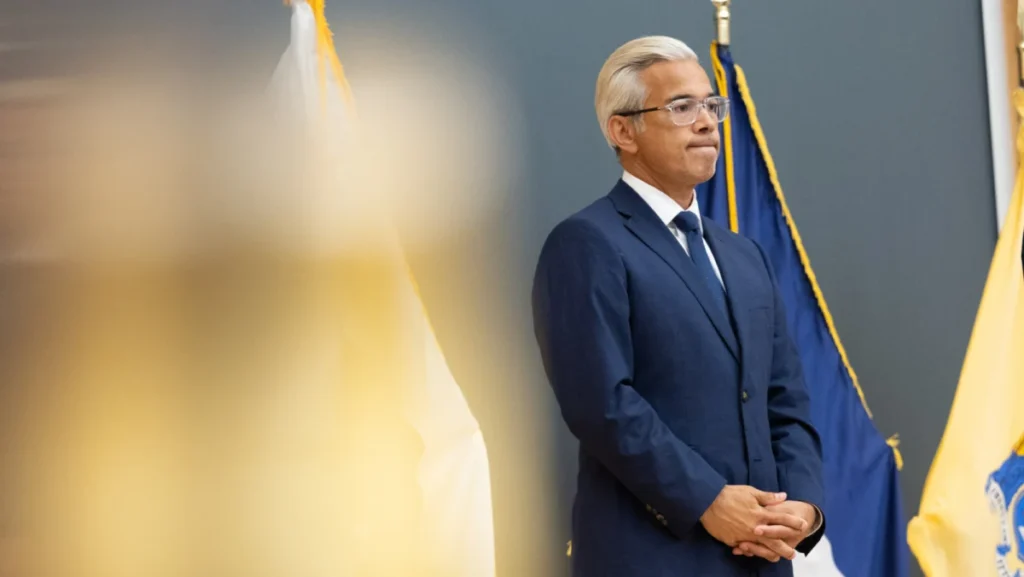
Regarding the upcoming political landscape, Emanuel touched upon his personal relationship with Donald Trump, mentioning a conversation he had with the former president roughly four weeks prior to the event. He expressed concern regarding current foreign policy, particularly concerning Ukraine, and signaled an intention to continue private discussions with policymakers. On the domestic front, he expressed support for his brother, former Chicago Mayor and current U.S. Ambassador to Japan Rahm Emanuel, as a potential candidate for high office. He lauded his brother’s experience, centrist credentials, and long-term commitment to public service, characterizing him as a uniquely qualified figure to navigate the complexities of the current political environment.
Implications for the Media Landscape
The discussions held in London highlight several critical themes that will define the next decade of media and entertainment. First, the consolidation of content—exemplified by the UFC-WWE merger—suggests that scale is the primary defense against the fragmentation of the digital audience. By controlling high-demand live content, TKO Group has insulated itself from the volatility of traditional scripted television.
Second, the debate over AI reflects a broader industry consensus: the technology is inevitable, but its value is derived from the human intent behind it. Agencies and talent management firms are increasingly positioning themselves as stewards of “taste” in an automated world, shifting the focus from simple distribution to brand management and intellectual property strategy.
Finally, the political engagement of media moguls like Emanuel highlights the shrinking barrier between the entertainment industry and national politics. As figures like Emanuel navigate their influence within both the corporate boardroom and the halls of power, the line between entertainment and political advocacy continues to blur.
As Emanuel continues to promote his memoir, the central message remains clear: in an industry defined by rapid change, the ability to read the room, adapt to shifting market conditions, and maintain a distinct point of view remains the ultimate competitive advantage. Whether in the boardroom negotiating a multi-billion dollar merger or navigating the nuanced politics of a presidential campaign, Emanuel’s career serves as a case study in the power of influence and the enduring necessity of human judgment in an increasingly automated age.