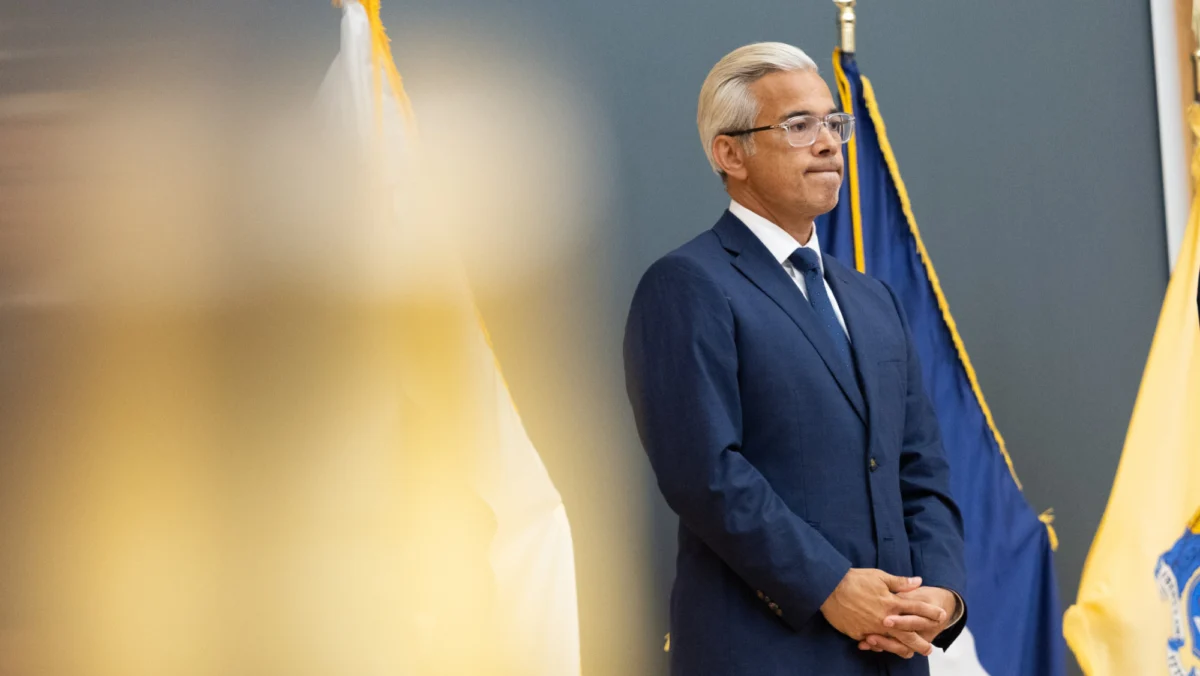
Paramount and California Attorney General Rob Bonta have been directed by U.S. Magistrate Judge Thomas Hixson to convene for a critical two-day settlement conference in late October. This mandatory meeting aims to address the state’s ongoing antitrust lawsuit challenging Paramount’s ambitious $111 billion bid to acquire Warner Bros. Discovery. The directive, issued following a scheduling hearing on Friday, marks a pivotal moment in a legal battle that has significant implications for the future of the media landscape and the California economy. Both parties are required to finalize their specific dates by Tuesday, September 15, 2026, setting the stage for an in-person negotiation that will also involve the Writers Guild of America (WGA).
The Core Conflict: Structural Versus Behavioral Remedies
At the heart of the litigation lies a fundamental disagreement over the conditions required to approve such a massive media consolidation. Attorney General Bonta has adopted a firm stance, insisting that the only acceptable resolution involves structural remedies. In antitrust law, this typically mandates that the merging entities divest significant assets—such as cable networks, production studios, or streaming divisions—to preserve market competition and prevent monopolistic pricing or content suppression.
Conversely, Paramount has sought to address regulatory concerns through behavioral concessions. The studio’s current proposal focuses on operational pledges, most notably a commitment to distribute at least 30 feature films per year with a guaranteed 45-day exclusive theatrical window. Paramount argues that these commitments ensure the continued viability of the exhibition industry and protect content diversity. However, regulators and state officials have signaled that these behavioral promises are insufficient to mitigate the long-term impact of a company controlling such a substantial portion of global media production and distribution.
A Tense Chronology of Failed Negotiations
The road to the upcoming October conference has been fraught with diplomatic friction. The relationship between the studio and the Attorney General’s office hit a low point last month when Bonta abruptly canceled a scheduled settlement meeting. The Attorney General cited "bad faith" conduct, alleging that Paramount representatives had leaked and intentionally misrepresented the details of a prior negotiation to the press.
Paramount vehemently denied these allegations, maintaining that it has upheld all confidentiality agreements throughout the process. Despite this public spat, both parties have expressed a willingness to resume dialogue. The court’s intervention, via Judge Hixson’s scheduling order, serves as a cooling-off mechanism, forcing both sides back to the table under the supervision of the judiciary.
Financial Stakes and Political Pressure
The timeline for these discussions is heavily influenced by a "ticking fee" provision—a $7 million-per-day penalty that begins accruing shortly before the October meetings. This mounting financial pressure has intensified the stakes for Paramount, which is eager to finalize the merger and realize the projected synergies of the deal.
Furthermore, the legal battle has transcended the courtroom, drawing in high-profile political figures. California Governor Gavin Newsom, Los Angeles Mayor Karen Bass, and U.S. Secretary of Health and Human Services (and former California Attorney General) Xavier Becerra have all expressed a preference for a settlement. Their interest stems from a desire to prevent Paramount from potentially relocating its headquarters or significant operations out of California. The loss of such a massive corporate entity would represent a substantial blow to the state’s tax base and the creative ecosystem of Southern California, which relies heavily on the stability of major studio operations.
Market Context and Antitrust Precedents
To understand the gravity of the Paramount-Warner Bros. Discovery merger, one must examine the broader trend of horizontal and vertical integration within the entertainment sector. In recent years, the industry has seen massive consolidation, such as the acquisition of 21st Century Fox by Disney and the merger between Discovery and WarnerMedia.
Economists point out that the current regulatory environment, particularly under the Biden administration’s antitrust framework, is more skeptical of large-scale mergers than in previous decades. The Department of Justice and the Federal Trade Commission have signaled an intent to scrutinize how such deals affect labor markets, specifically the power dynamics between massive conglomerates and creative guilds like the WGA. The inclusion of the WGA in the upcoming settlement talks highlights that this is not merely a question of corporate market share, but also a concern for the labor conditions of writers and creators who fear that a larger, more powerful studio could exert undue leverage over compensation and creative control.
Implications for the Media Ecosystem
If a settlement is reached, the resulting agreement will likely serve as a blueprint for future media mergers. Should Paramount succeed in settling through behavioral remedies, it could embolden other companies to pursue similar paths, prioritizing operational pledges over divestitures. However, if Bonta maintains his insistence on structural remedies, the potential divestitures could lead to the emergence of smaller, independent media players acquiring offloaded assets, potentially increasing competition in the long run.
The upcoming October conference is framed as an introductory session. While it is not guaranteed to result in a breakthrough, the presence of a judge and the inclusion of key stakeholders suggests a shift toward more formal, substantive mediation. Both parties are operating under the looming reality that a full-scale trial in 2027 would be immensely costly, unpredictable, and potentially damaging to the brand reputations of both Paramount and Warner Bros. Discovery.
The Road Ahead: October and Beyond
As the deadline for scheduling the October conference approaches, industry analysts remain divided on the likelihood of an amicable resolution. The gap between the Attorney General’s demand for structural change and the studio’s preference for behavioral promises remains wide. However, the involvement of state leadership and the pressure of the daily financial penalties suggest that the window for a negotiated settlement is narrowing.
Should the talks fail, the case will proceed to trial, where the burden of proof will be on the state to demonstrate that the merger would substantially lessen competition or create a monopoly in the relevant market. Conversely, Paramount will be tasked with defending its pro-competitive arguments while mitigating concerns regarding the concentration of power in a single entity.
For the millions of consumers who interact with the content produced by these entities, the outcome of this legal standoff will dictate the future of content pricing, streaming access, and the overall diversity of the entertainment landscape for years to come. The October conference will be the first major test of whether these two titans of industry and the state’s top law enforcement official can find common ground before the legal proceedings escalate into a precedent-setting battle for the heart of Hollywood.