The film, which has a running time of 122 minutes, is scheduled for a theatrical release on July 3, strategically timed to coincide with the Independence Day holiday in the United States. It marks a significant entry in the portfolio of The Wonder Project, a production company focused on creating "values-based" entertainment for global audiences. As the United States nears its 250th anniversary in 2026, Young Washington serves as an early cinematic contribution to the re-evaluation of the nation’s founding figures.
Historical Chronology and Narrative Focus
The narrative of Young Washington departs from the traditional focus on the American Revolution, instead grounding its story in the mid-18th century. The film follows George Washington’s trajectory from an ambitious young surveyor to a colonial officer in the British military.
Early Ambitions and the Influence of Lawrence Washington
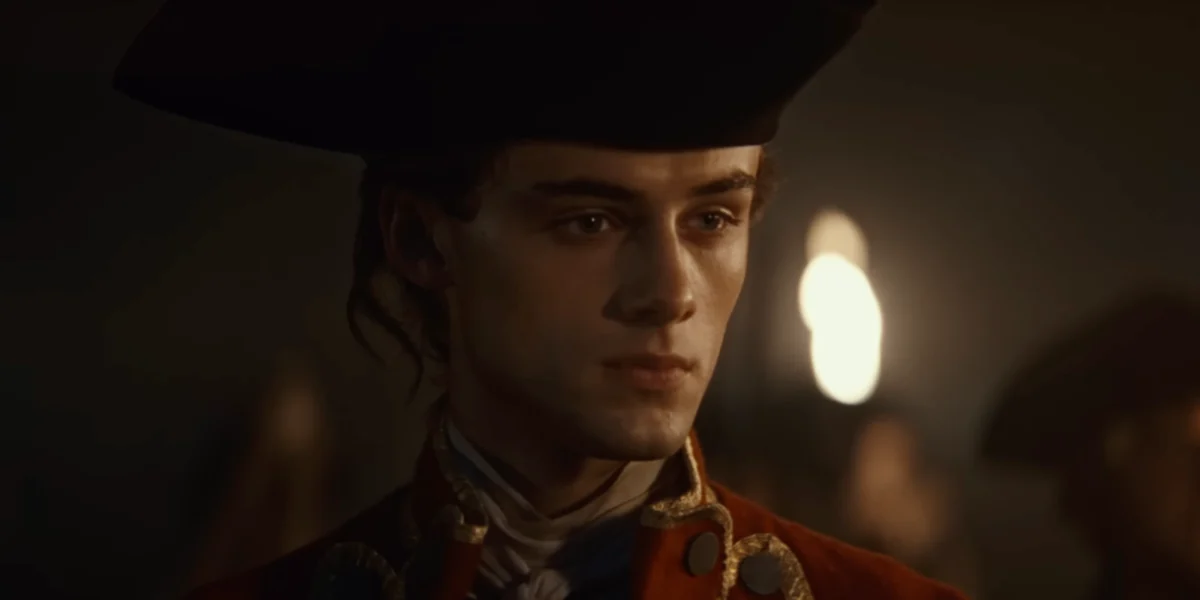
The story begins with a young Washington (William Franklyn-Miller) seeking to elevate his social and professional standing. Lacking the inherited wealth of the upper-tier Virginia gentry, Washington is portrayed as a man driven by a desire for meritocratic advancement within the British Empire. A central figure in this period of his life is his half-brother, Lawrence Washington (played by John Foss), a veteran of the War of Jenkins’ Ear. Lawrence serves as a mentor, providing George with the social connections and practical education necessary to navigate the complexities of colonial politics and military life.
The Outbreak of the French and Indian War (1754–1763)
The film’s primary conflict centers on the unclaimed territories of the Ohio River Valley. In 1753 and 1754, the historical Washington was dispatched by Governor Robert Dinwiddie (Ben Kingsley) to deliver ultimatums to French forces encroaching on British-claimed lands. The film dramatizes these diplomatic failures and the subsequent military escalations.
Key historical milestones depicted or referenced include:
- The Jumonville Affair (May 1754): The opening skirmish of the French and Indian War involving Washington’s troops and Mingo warriors.
- The Battle of Fort Necessity (July 1754): Washington’s only military surrender, occurring after a siege by French and Indigenous forces in modern-day Pennsylvania.
- The Braddock Expedition (1755): A disastrous British attempt to capture Fort Duquesne, during which Washington served as an aide-de-camp to General Edward Braddock.
Through these events, the film attempts to illustrate Washington’s transition from an ego-driven youth to a more disciplined leader, though critical analysis suggests the film focuses heavily on his physical resilience and "brute force" rather than a gradual refinement of his tactical intellect.
Production Analysis and Technical Execution
Young Washington operates within a production framework that seeks to emulate the scale of major studio epics like The Patriot (2000) or the HBO miniseries John Adams (2008), though it does so with more limited independent resources. Director Jon Erwin utilizes various cinematic techniques to establish a period atmosphere, including heavy use of atmospheric smoke, dim candlelight, and sweeping drone photography of the American wilderness.
Visual Effects and the Role of Generative AI
A point of significant discussion regarding the production is the utilization of generative artificial intelligence (AI). The film’s credits explicitly list "AI artists" among the crew, a move that reflects a growing trend in independent cinema to use technology to bridge budgetary gaps. These tools appear to have been employed for large-scale set pieces and background elements. However, the integration of these effects has met with mixed critical reception, with some observers noting that the digital enhancements lack the visceral impact found in practical effects-driven historical dramas.
Action Choreography and Tone
In an effort to appeal to a broad demographic, the film maintains a "family-friendly" approach to its depiction of 18th-century warfare. The battle sequences rely on handheld camera work and rapid editing rather than explicit violence. In the film’s climax, Washington is depicted in a manner reminiscent of modern action protagonists—engaging in high-stakes combat while dual-wielding pistols—a stylistic choice that deviates from historical realism in favor of cinematic spectacle.
Performance and Casting Overview
The casting of Young Washington combines rising talent with seasoned industry veterans, a strategy often employed to garner both youthful appeal and prestige.
- William Franklyn-Miller (George Washington): The lead actor faces the challenge of portraying a figure whose public image is often defined by stoicism and legend. Critics have noted that Franklyn-Miller’s "modern" aesthetic can occasionally create a disconnect with the 18th-century setting, though he is credited with conveying the internal turmoil of a man seeking his place in the world.
- Ben Kingsley (Governor Robert Dinwiddie): As the royal governor of Virginia, Kingsley provides a sense of gravitas to the political machinations of the film. His performance serves as a grounding element for the younger cast members.
- Andy Serkis: Known for his versatility, Serkis portrays a "grizzled commander" who acts as a foil to Washington’s early naivety, adding an eccentric energy to the military sequences.
- Mary-Louise Parker (Mary Ball Washington): Parker plays Washington’s mother, a role that emphasizes the domestic pressures and personal sacrifices inherent in Washington’s rise to prominence.
- Kelsey Grammer: Grammer appears in a supporting capacity, adding to the film’s pedigree of established American actors.
Broader Context and Socio-Political Themes
The film arrives at a time of heightened interest in "Founding Father" narratives, yet it navigates these waters with a specific focus. While it addresses the alliances between colonial forces and Native American tribes, it has been noted for its relatively brief treatment of the more harrowing aspects of the era, such as the systematic displacement of Indigenous populations and the institution of slavery.
Historical Omissions and Emphasis
In the film, slavery is referenced but not deeply interrogated as a central component of Washington’s personal economy or the colonial social structure. Similarly, the Native American presence is depicted through the lens of military necessity and alliance rather than a comprehensive exploration of the looming genocide that would follow the expansion of the American colonies. This approach suggests a narrative priority on personal growth and "providential" destiny over a critical deconstruction of historical systems.
The Role of Independent Distribution
The distribution of Young Washington by Angel Studios is indicative of a shift in the film industry. By bypassing traditional "Big Five" studios, the creators have utilized a community-driven model that relies on "Pay It Forward" tickets and direct-to-audience marketing. This model has proven successful for projects that target specific ideological or cultural niches, allowing for the production of mid-budget historical dramas that might otherwise struggle to find funding in a blockbuster-dominated market.
Fact-Based Analysis of Implications
The release of Young Washington carries several implications for the film industry and historical representation:
- Technological Integration: The open acknowledgment of AI artists in the credits may signal a normalization of these tools in filmmaking. As independent productions seek to compete with the visual fidelity of major studios, the use of generative technology is likely to become a standard, albeit controversial, efficiency measure.
- Cultural Narrative Trends: The film reflects a desire among certain audience segments for "heroic" historical narratives that emphasize character and virtue. This contrasts with the "revisionist" trend in many academic and high-prestige media circles, highlighting a bifurcation in how history is consumed by the public.
- Educational Impact: While the film takes creative liberties for dramatic effect, it introduces audiences to a lesser-known chapter of Washington’s life. For many viewers, the details of the French and Indian War are obscure compared to the Revolutionary War, making the film a potential entry point for historical curiosity.
Conclusion
Young Washington represents a concerted effort to humanize a monumental historical figure through the lens of early-life adversity and military trial. While the production faces the challenges inherent in independent filmmaking—ranging from the use of emerging technologies to the balancing of historical accuracy with cinematic entertainment—it stands as a significant cultural artifact of the mid-2020s. By focusing on the "young" version of a man usually seen as an elderly statesman, the film attempts to bridge the gap between the myth of the $1 bill and the reality of a soldier forged in the wilderness of the American frontier. As it enters theaters this July, its success will likely be measured not only by box office returns but by its ability to spark conversation about the origins of American leadership and the complexities of the nation’s pre-revolutionary past.