The Evolution of a Cinematic Staple
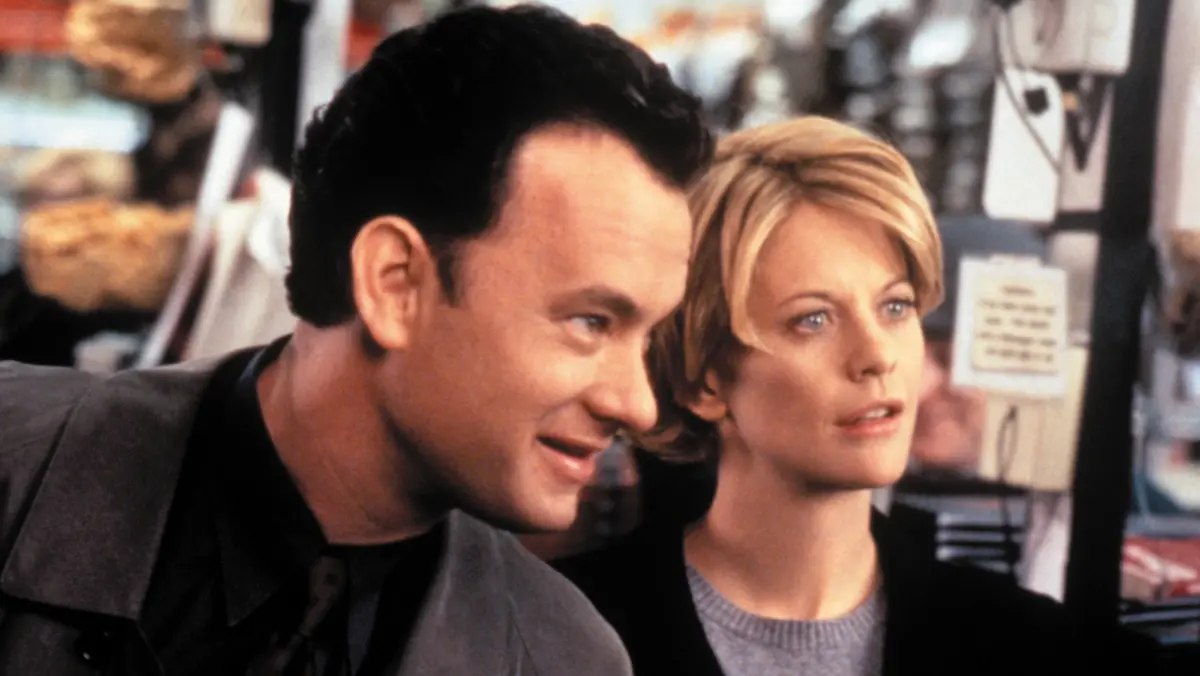
The 1998 version of You’ve Got Mail was itself a creative adaptation, rooted in the 1937 Hungarian play Parfumerie by Miklós László. The original film, directed by the legendary Nora Ephron, captured the nascent excitement of the digital age, centering on the unlikely romance between Joe Fox—a corporate bookstore magnate—and Kathleen Kelly, an independent bookstore owner. The central irony of the plot, wherein the two rivals unknowingly fall in love through anonymous email correspondence while simultaneously clashing in their professional lives, became a hallmark of late-90s storytelling.
The film was a massive commercial success, raking in over $250 million at the global box office. Beyond its financial performance, it solidified the chemistry between Hanks and Ryan, following their previous collaboration on the 1993 hit Sleepless in Seattle. The film also featured a robust supporting cast, including Greg Kinnear, Parker Posey, Jean Stapleton, Steve Zahn, Heather Burns, and Dave Chappelle. Meg Ryan’s performance as the bookstore proprietor earned her a Golden Globe nomination for Best Actress in a Motion Picture – Comedy or Musical, cementing the film’s legacy as a cultural touchstone.
Creative Direction and Production Team
The studio has tapped Jason Orley to spearhead the new project as director. Orley has established a reputation for balancing humor and emotional resonance, having previously worked on projects such as Close Personal Friends, Bupkis, and I Want You Back. Orley is also currently refining the script, building upon an initial screenplay drafted by Deborah Kaplan and Harry Elfont.
The project maintains a strong connection to its roots through the return of producers Neal Moritz and Tania Landau. Both were integral to the production of the 1998 film, and their involvement suggests a commitment to preserving the tonal DNA of the original while allowing for necessary modern updates. By bridging the gap between the original creative team and a new directorial vision, Warner Bros. aims to maintain the "Ephron-esque" feel that audiences associate with the franchise, even as they move toward a new storyline.
Historical Context and Cultural Significance
To understand the significance of this development, one must consider the landscape of the late 1990s. The original You’ve Got Mail was released at a time when the internet was transitioning from a niche tool to a household staple. The "You’ve Got Mail" notification sound from America Online (AOL) became an iconic auditory marker of that decade. The film served as a time capsule, reflecting the anxieties of small business owners facing the rise of corporate consolidation and the early, tentative steps toward digital human connection.
The 1937 play Parfumerie has proven remarkably resilient over the decades. It has been adapted multiple times, including the 1940 film The Shop Around the Corner and the 1949 musical In the Good Old Summertime. The recurring nature of this narrative—two people who are enemies in person but soulmates in secret—highlights the timeless appeal of the "enemies-to-lovers" trope. By revisiting this premise, Warner Bros. is betting that the core human desire for connection, despite professional or social friction, remains as potent today as it was in 1937 or 1998.
Challenges of Modern Romantic Comedy
The romantic comedy genre has faced significant fluctuations in the streaming era. While the late 1990s and early 2000s were the "golden age" of theatrical rom-coms, the genre eventually migrated toward streaming platforms. The challenge for this new iteration of You’ve Got Mail will be to find a balance between the nostalgic appeal of the original and the realities of modern digital interaction.
In 1998, the primary barrier to intimacy was the fear of revealing one’s true identity behind an anonymous email screen name. In the 2020s, the landscape is defined by social media, instant messaging, and the constant curation of the self. A modern adaptation must address how digital communication has evolved from the anonymity of the early web to the hyper-connectivity of the current era. Industry analysts suggest that if the film can effectively translate the "anonymous pen-pal" dynamic into a contemporary context—perhaps involving the pressures of digital professional life or the saturation of dating applications—it could find significant resonance with younger demographics.
Economic and Strategic Implications
Warner Bros.’ decision to revisit this IP is part of a broader industry trend of "legacy mining." Studios are increasingly looking to their own libraries to find titles with established brand recognition. However, by opting for a "new story" rather than a remake, the studio is attempting to avoid the common criticism that reboots lack originality. This approach allows the studio to leverage the goodwill associated with the brand while providing creative freedom to the filmmakers.
From a box-office perspective, the rom-com genre has seen a modest resurgence in theatrical performance. Films that lean into high-concept premises or star-driven narratives have performed well, suggesting that there is still a significant audience for mid-budget films that offer a clear, escapist emotional arc. If this new project successfully captures the warmth and wit of the original, it could become a cornerstone of the studio’s strategy to diversify its theatrical slate beyond franchise blockbusters and superhero spectacles.
Professional Profiles and Future Outlook
Jason Orley’s appointment as director is viewed by talent agencies as a strategic move. Represented by UTA, Rise Management, and the firm of Hansen, Jacobson, Teller, Hoberman, Newman, Warren, Richman, Rush, Kaller, & Gellman L.L.P., Orley is positioned as a director capable of managing both the creative and logistical demands of a high-profile studio production. His track record indicates a talent for navigating ensemble casts and character-driven narratives, both of which will be essential for the success of this project.
As the film moves through the development phase, the industry will be watching closely for casting announcements. The success of the 1998 film was inextricably linked to the screen presence of its leads; finding actors who can carry that same weight of charisma and vulnerability will be the next major hurdle for the producers.
In conclusion, the development of this new project marks a significant moment for Warner Bros. and the romantic comedy genre at large. By honoring the legacy of the 1998 film while pivoting toward a fresh narrative, the studio is attempting to revitalize a classic premise for a new digital generation. Whether the film can replicate the magic of its predecessor remains to be seen, but the intent to modernize the core themes of professional rivalry and digital romance ensures that the project will be a high-priority entry on the studio’s upcoming slate. As production continues, the focus will remain on how the creative team translates the emotional beats of the original into a world that is vastly different from the one that existed when the AOL login screen first appeared on movie theater screens.