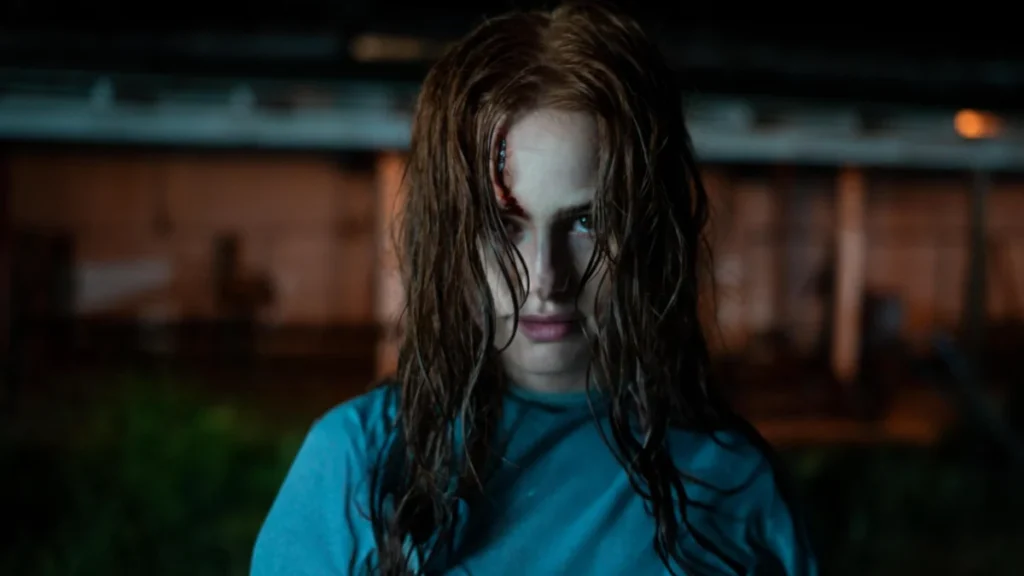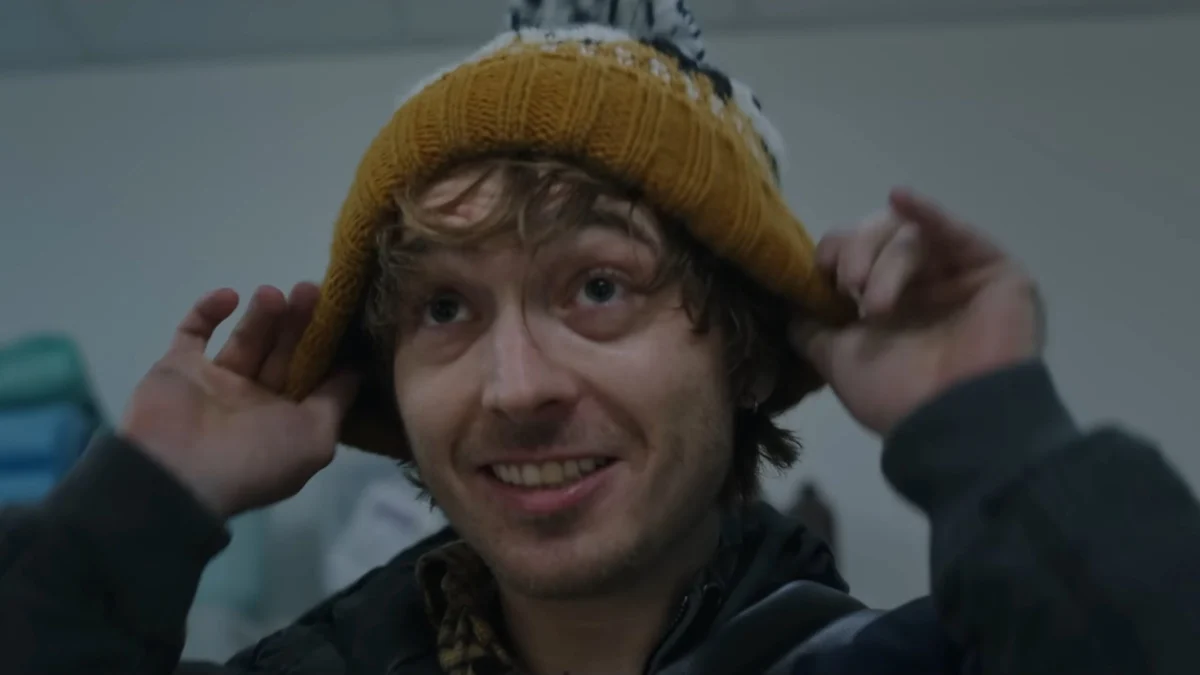
The latest installment in the long-running Resident Evil film franchise has officially redefined the commercial ceiling for the series, grossing a staggering $108.3 million in its opening weekend. Produced by Sony Pictures and Constantin Film, the film, helmed by director Zach Cregger, has outperformed initial industry projections that estimated a domestic opening in the $40 to $50 million range. By shattering the $100 million mark globally, this entry now stands as the most successful theatrical debut in the history of the franchise, signaling a robust revitalization for one of the most recognizable properties in the horror-action genre.
A Historic Weekend at the Box Office
The performance of the film in North American theaters was particularly notable. Playing across 3,684 domestic locations, the feature secured the highest opening weekend revenue for any Resident Evil title, easily surpassing the records set by the previous Paul W.S. Anderson-directed iterations. Furthermore, the film received a B+ CinemaScore from opening-night audiences, an indicator that suggests strong word-of-mouth potential and favorable audience reception. These figures, while currently based on Sunday estimates, provide a clear picture of a project that has outperformed both analysts’ models and general market sentiment.
The disparity between the industry’s conservative tracking and the actual box office results highlights a growing appetite for high-concept horror, particularly from creators who have established a strong track record in the genre. Cregger, who gained significant industry prestige following the critical and commercial success of his previous projects, Barbarian and the upcoming Weapons, brought a distinct stylistic vision to the Resident Evil universe. This success validates Sony and Constantin Film’s strategic decision to entrust a high-profile intellectual property to a filmmaker with a clearly defined authorial voice.
The Evolution of the Resident Evil Franchise
To understand the magnitude of this achievement, one must look at the historical trajectory of the Resident Evil franchise. For nearly two decades, the series was dominated by Paul W.S. Anderson’s action-heavy aesthetic, which focused on a serialized, expansive narrative featuring Milla Jovovich. These films, while polarizing to purists of the source material, were undeniably profitable and established a reliable formula for the studio.
Following the conclusion of the Anderson-led cycle, the 2021 film Resident Evil: Welcome to Raccoon City attempted to reset the franchise by pivoting closer to the source material’s aesthetic and narrative roots. However, that film struggled to gain traction with a broad audience, failing to launch a sustained series of sequels. The current success of Cregger’s entry represents a third phase for the property: a lean, character-driven approach that prioritizes visceral horror, technical craft, and a streamlined narrative over the sprawling, CGI-heavy spectacles of the past.
Production and Creative Composition
The film, co-written by Cregger and Shay Hatten—the latter known for his work on the John Wick: Chapter 4 screenplay—represents a pivot toward a more taut, suspense-oriented narrative structure. The plot follows Bryan, a medical courier portrayed by Austin Abrams, whose routine professional responsibilities are interrupted by a catastrophic biological outbreak in Raccoon City.

The ensemble cast includes notable performers such as Zach Cherry, known for his work on Severance; Kali Reis, who recently garnered attention for her performance in True Detective: Night Country; Paul Walter Hauser, an acclaimed character actor known for Black Bird; and Johnno Wilson. This casting strategy, which leans on established television and genre talent rather than purely traditional action stars, has been credited with lending the film a grounded, gritty atmosphere that differentiates it from previous iterations.
Industry Analysis and Market Implications
The box office performance of this film serves as a case study for how legacy intellectual properties (IP) can be successfully rebooted by modernizing the creative approach. Analysts are pointing to several factors that contributed to this success:
- Brand Recognition and Nostalgia: The Resident Evil brand remains one of the most potent names in gaming, and by extension, cinema. The film managed to leverage this recognition while simultaneously distancing itself from the baggage of previous cinematic failures.
- The "Cregger Effect": By bringing in a director with a proven ability to manipulate audience tension—as evidenced by Barbarian—the studio was able to market the film not just as a generic franchise entry, but as a "must-see" horror event.
- Marketing Precision: Sony’s marketing campaign shifted the narrative away from the lore-heavy exhaustion that plagued previous attempts at a cinematic universe, focusing instead on the immediate, terrifying survival experience of the characters.
- Genre Synergy: The blend of creature effects, high-stakes suspense, and dark humor resonated with a demographic that has shown an increasing preference for elevated, mid-budget horror films.
The commercial impact of this opening weekend is expected to have a ripple effect on how studios approach the adaptation of video game properties. There has been a clear shift in the industry toward treating game adaptations with greater creative latitude, moving away from the "faithful reproduction" model that often results in narrative stagnation, and toward the "creative interpretation" model that allows for auteur-led storytelling.
Future Outlook for the Franchise
While the box office figures are currently limited to opening-weekend projections, the initial success suggests that the franchise has secured a viable future. Studios typically look for a strong "multiplier" effect in the second and third weeks to determine the longevity of a theatrical run. If the film maintains its momentum, it is highly probable that Sony and Constantin Film will move quickly to formalize plans for a sequel or a broader expansion of the current narrative arc.
Industry observers note that the reception of this film also highlights a shift in audience expectations. Modern audiences are increasingly sophisticated regarding genre tropes; they demand high-quality practical effects, tight pacing, and performances that elevate the material beyond the standard "zombie movie" framework. By focusing on these elements, the production team has successfully managed to broaden the appeal of the film beyond the core fan base of the Capcom video games.
As the industry moves forward, the success of this film will likely be cited as a benchmark for successful IP management. It proves that there is no inherent ceiling for horror-based franchises when the studio is willing to take risks on creative leadership. The performance of this Resident Evil entry is not merely a box office victory; it is a clear indicator that audiences are eager for fresh, high-quality iterations of familiar worlds, provided they are delivered with conviction and technical excellence.
In the coming weeks, market analysts will be closely watching the film’s domestic hold and its international expansion. However, regardless of the final total, the opening weekend performance has already cemented this project as a milestone in the current era of film production. It has successfully bridged the gap between legacy franchise expectations and modern cinematic standards, effectively securing a new chapter for Raccoon City in the theatrical landscape. With the current momentum, the studio appears poised to capitalize on this success, ensuring that the Resident Evil brand remains a cornerstone of the horror genre for the foreseeable future.