Transitioning from Streaming to Cinema
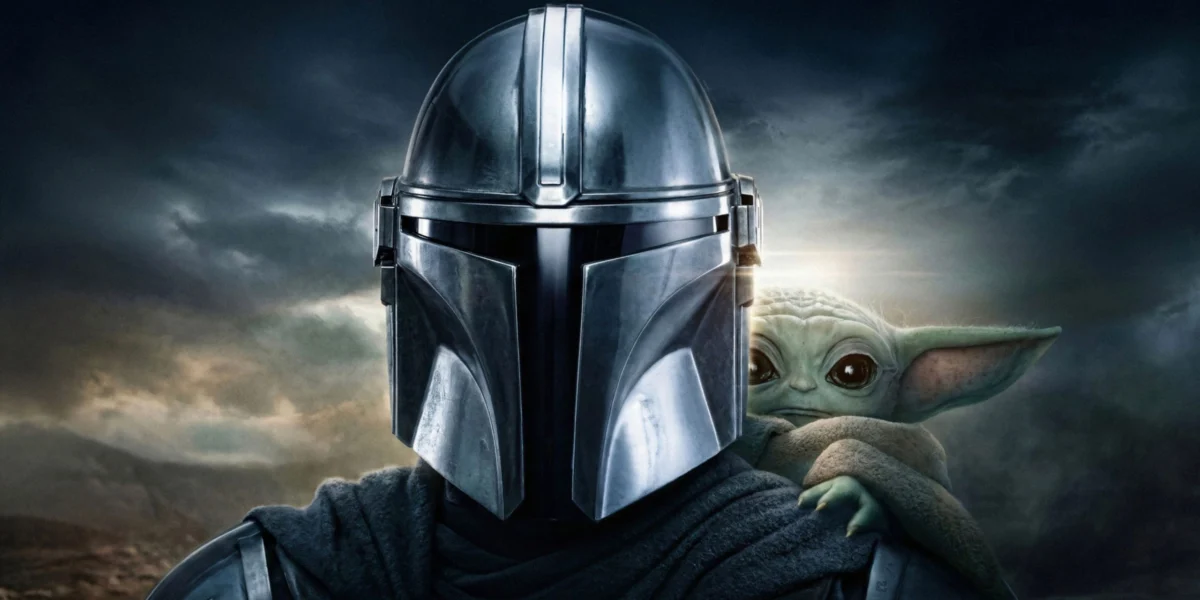
The transition of The Mandalorian from a flagship streaming series to a feature-length theatrical production represents a strategic pivot for Disney and Lucasfilm. Since the release of Star Wars: Episode IX – The Rise of Skywalker, the franchise has largely resided on the Disney+ platform, utilizing long-form storytelling to explore various eras of the galaxy far, far away. The decision to bring Din Djarin and Grogu to the big screen suggests a confidence in the characters’ "box office" draw, moving beyond the subscription-based model to test the franchise’s traditional cinematic vitality.
The film is set during the era of the New Republic, a period characterized by the fragile reconstruction of galactic government following the fall of the Galactic Empire. In this installment, the central duo finds themselves entangled in the political machinations of the Outer Rim. The New Republic, seeking to stabilize regions formerly controlled by Imperial remnants and criminal syndicates, enlists Djarin and Grogu for a specific extraction mission. The target is Rotta the Hutt, the son of the late Jabba the Hutt, who has become a pawn in a larger power struggle. In exchange for the rescue, the New Republic promises critical information regarding a mysterious target that Djarin has been pursuing, bridging the gap between bounty hunting and state-sanctioned operations.
Cast and Production Dynamics
The casting of The Mandalorian and Grogu blends returning stunt and voice talent with legendary cinematic figures. Pedro Pascal continues to voice and occasionally inhabit the armor of Din Djarin, maintaining the character’s stoic presence. He is supported by Brendan Wayne and Lateef Crowder, the physical performers who have been instrumental in defining the Mandalorian’s movement and combat style since the series’ inception.
The inclusion of Jeremy Allen White as Rotta the Hutt introduces a complex layer to the Hutt lineage. Historically, Rotta was introduced in the 2008 animated film Star Wars: The Clone Wars, and his return in live-action form signifies a deep-cut connection to the franchise’s expanded lore. Perhaps the most discussed additions to the cast are Sigourney Weaver and Martin Scorsese. While Weaver’s involvement brings a level of genre prestige—given her history with the Alien and Avatar franchises—the appearance of Scorsese marks a rare acting turn for the Academy Award-winning director, signaling the film’s ambition to attract a diverse demographic of film enthusiasts.
Behind the camera, the creative triumvirate of Favreau, Filoni, and Kloor ensures narrative continuity. Dave Filoni, recently appointed as the Chief Creative Officer of Lucasfilm, brings his extensive knowledge of the Star Wars mythos, while Noah Kloor contributes to the screenplay’s structure. The technical craftsmanship remains a cornerstone of the production, with Ludwig Göransson returning to compose the score. Göransson, who won an Academy Award for Oppenheimer and a Grammy for his work on the original Mandalorian theme, provides a sonic landscape that blends western motifs with operatic sci-fi elements.
Chronology and Franchise Context
To understand the weight of The Mandalorian and Grogu, one must look at the timeline of the "Mando-verse." The narrative began five years after the events of Return of the Jedi (1983). Over the course of three seasons, the show explored the burgeoning bond between a lone bounty hunter and a Force-sensitive child.
- 2019: The Mandalorian Season 1 debuts, introducing the "Child" (Grogu) and revitalizing interest in the franchise.
- 2020: Season 2 expands the scope, featuring the live-action debut of Ahsoka Tano and the return of Luke Skywalker.
- 2021–2022: Spin-offs like The Book of Boba Fett further integrate the characters into the wider galactic underworld.
- 2023: Season 3 concludes with Din Djarin officially adopting Grogu and settling on Nevarro, while agreeing to work as an independent contractor for the New Republic.
- Present: The theatrical film picks up these threads, elevating the stakes from episodic adventures to a singular, large-scale cinematic event.
This timeline demonstrates a methodical build-up. Unlike previous Star Wars films that launched entirely new eras, this movie relies on years of character development and world-building established on television, making it a unique experiment in cross-media storytelling.

Technical Execution and Visual Storytelling
The film continues to utilize "The Volume," or StageCraft technology, which was pioneered by Jon Favreau during the production of the first season of the television show. This technology uses massive LED screens to render photorealistic backgrounds in real-time, allowing for a more immersive environment for the actors and a more efficient post-production workflow. However, for the theatrical release, reports suggest an increased reliance on practical locations and larger-scale sets to differentiate the film’s visual fidelity from its television predecessors.
Ludwig Göransson’s score is expected to be a primary driver of the film’s emotional resonance. The podcast review by Ema Sasic, Josh Parham, and Giovanni Lago highlights the craftsmanship of the music, noting that Göransson continues to evolve the "Mando" sound. By incorporating industrial synthesizers with traditional orchestral arrangements, the score reinforces the "Space Western" aesthetic that has defined the character since 2019.
Official Responses and Critical Reception
While official statements from Lucasfilm have focused on the excitement of returning to theaters, industry analysts have been closely monitoring the project’s reception. The podcast review hosted by the Next Best Picture team delves into the "spoiler-filled" details of the plot, examining whether the story justifies a theatrical runtime. Critics have noted that the chemistry between Pascal’s Djarin and the animatronic Grogu remains the heart of the franchise, though the inclusion of high-profile actors like Scorsese and Weaver adds a layer of "prestige" that was previously absent from the TV format.
Early reactions suggest that the film successfully balances fan service with new narrative directions. The rescue of Rotta the Hutt serves as a catalyst for exploring the internal politics of the New Republic—a topic that has been a point of contention and interest among the fanbase. By portraying the New Republic as a burgeoning but flawed bureaucracy, the film adds depth to the era preceding the rise of the First Order.
Broader Implications for the Star Wars Franchise
The success or failure of The Mandalorian and Grogu will likely dictate the future of Lucasfilm’s release strategy. If the film performs well at the global box office, it could validate the "TV-to-Film" pipeline, potentially leading to other series like Ahsoka or Skeleton Crew receiving theatrical conclusions.
Furthermore, the film serves as a bridge to the broader "Mando-verse" crossover movie previously announced by Dave Filoni. This cinematic event is expected to tie together various narrative threads from the New Republic era, culminating in a confrontation with Grand Admiral Thrawn. The Mandalorian and Grogu functions as a critical stepping stone in this grander architecture, establishing the state of the galaxy and the readiness of its heroes for a larger conflict.
The inclusion of Rotta the Hutt also suggests a renewed interest in the criminal underworld of Star Wars. As the New Republic struggles to maintain order, the power vacuum left by Jabba the Hutt remains a significant plot point. By bringing Jeremy Allen White into this role, the production signals an intent to treat legacy characters with a modern, dramatic lens.
Conclusion
The Mandalorian and Grogu Review and Analysis of the Latest Star Wars Cinematic Expansion underscores the film’s role as a pivotal chapter in the saga. By moving from the small screen to the global stage, Jon Favreau and his team have attempted to capture the magic of the original trilogy while utilizing the technological advancements of the 21st century. With a cast that spans from stunt veterans to Academy Award-winning directors and a score that redefines the sound of the galaxy, the film aims to satisfy long-term enthusiasts while providing a high-stakes entry point for general audiences. As the first theatrical outing in half a decade, its impact on the industry and the franchise’s trajectory cannot be overstated.