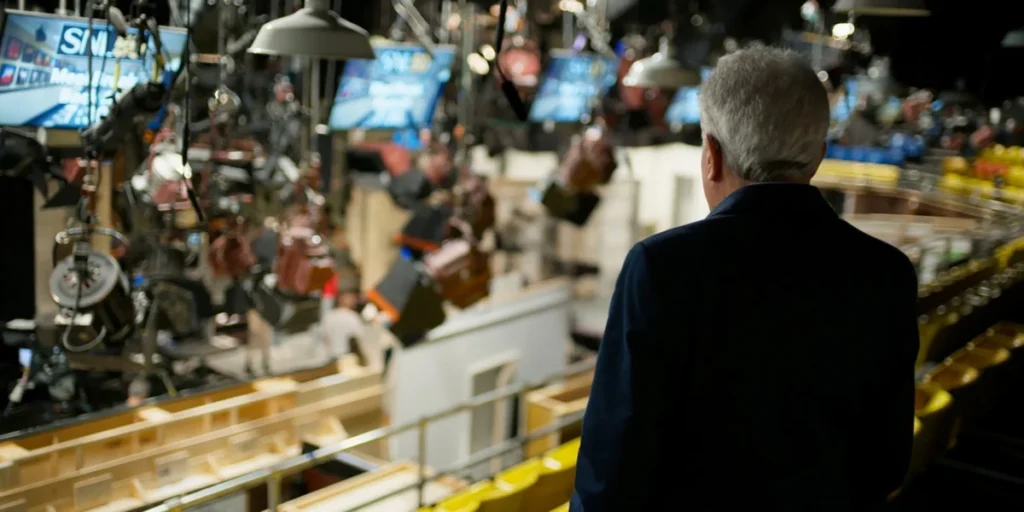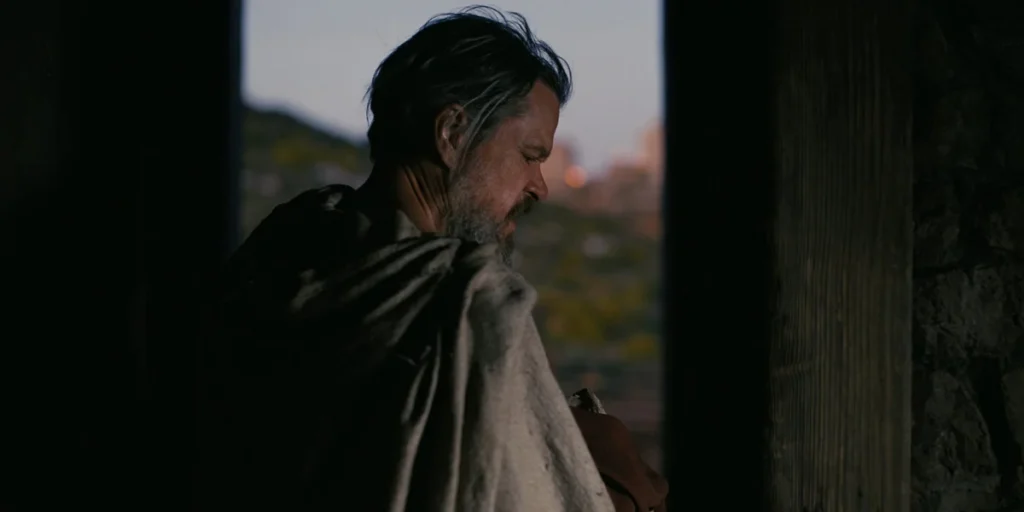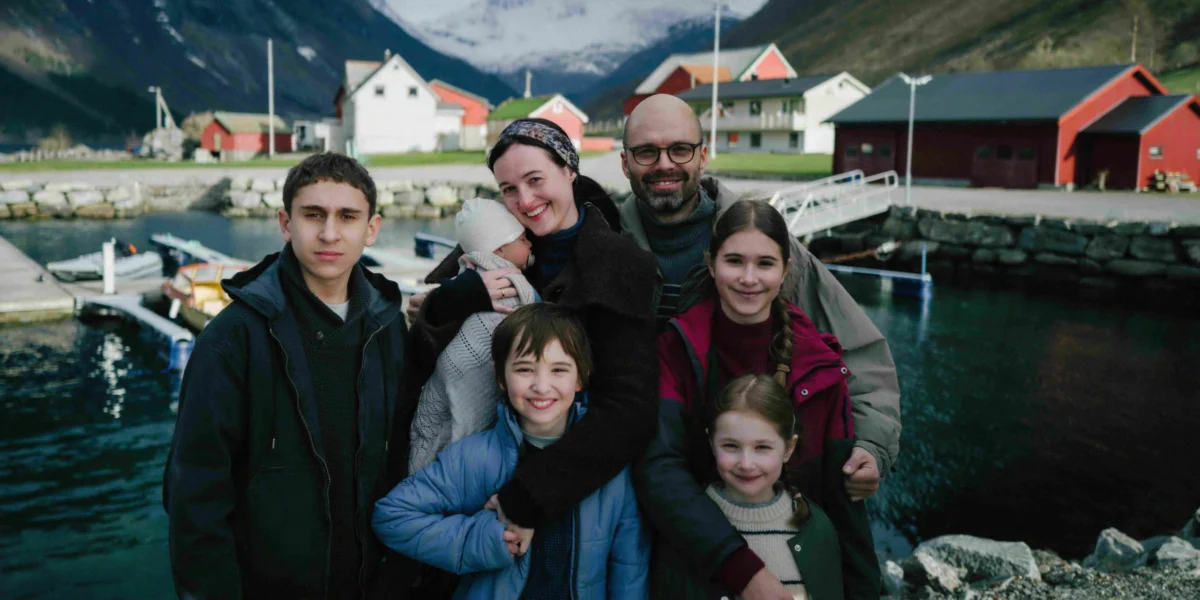
The 79th annual Cannes Film Festival reached its crescendo on the French Riviera, culminating in an awards ceremony that reaffirmed the festival’s status as the premier global stage for auteur-driven cinema. Despite early skepticism regarding a lineup that lacked traditional American summer blockbusters, the 2026 selection proved to be one of the most diverse and critically acclaimed in recent memory. The festival’s highest honor, the Palme d’Or, was awarded to Romanian filmmaker Cristian Mungiu for his latest work, Fjord, marking a significant moment for the director who previously won the top prize in 2007 for 4 Months, 3 Weeks and 2 Days.
The 2026 edition was characterized by a broad spectrum of cinematic styles, ranging from the meditative "slow cinema" often associated with the Croisette to high-octane international genre fare. Notably, the competition included a South Korean sci-fi action blockbuster and two American features, though the ultimate victors leaned heavily toward European and international co-productions. The jury, presided over by acclaimed South Korean director Park Chan-wook, navigated a selection that many observers described as eclectic and genre-defying, ultimately rewarding films that prioritized narrative depth and formal innovation.
The In Competition Winners and Distribution Landscape
The awarding of the Palme d’Or to Fjord carries significant weight for the upcoming awards season. In recent years, the Palme d’Or has transitioned from a niche arthouse accolade to a major precursor for the Academy Awards. Since 2019, when NEON’s Parasite secured both the Palme and the Best Picture Oscar, the distribution company has maintained a historic six-year streak of winning the top prize at Cannes. This year, the focus remained on whether that momentum would continue. While Fjord secured the top prize, the Grand Prix—the festival’s runner-up award—went to Andrey Zvyagintsev’s Minotaur.
The distribution rights for the winning films were a major talking point throughout the fortnight. NEON, MUBI, and several independent distributors were locked in competitive bidding wars. The Grand Prix winner, Minotaur, and the Best Director co-winner, Fatherland, are both under the MUBI banner, signaling a shift in the power dynamics of prestige film distribution.
Major Awards in the Official Selection
The jury’s decisions reflected a desire to honor both veteran masters and emerging voices. In a rare move, the Best Director award was split between two films: the Spanish directing duo Javier Ambrossi and Javier Calvo for The Black Ball, and the Polish filmmaker Paweł Pawlikowski for Fatherland.
The acting categories also saw a distribution of honors across borders. The Best Actress award was shared by Virginie Efira and Tao Okamoto for their performances in Ryusuke Hamaguchi’s All of a Sudden. In the Best Actor category, the prize went to the duo of Emmanuel Macchia and Valentin Campagne for their roles in Coward. These shared awards suggest a highly competitive field where the jury found it impossible to elevate a single performance above its peers.
The Jury Prize was awarded to Valeska Grisebach for The Dreamed Adventure, a film that was lauded for its atmospheric storytelling. Emmanuel Marre took home the Best Screenplay award for A Man of His Time, a contemporary drama that resonated with the jury’s interest in sociopolitical narratives.
Chronology of the 79th Festival
The 2026 festival began under a cloud of industry speculation. With fewer major Hollywood studio presentations than in previous years, critics questioned whether the event could maintain its cultural gravity. However, the opening days quickly dispelled these concerns.
- Opening Week: The festival opened with a focus on international cinema, highlighting the South Korean sci-fi entry and several high-profile European dramas. The presence of Jury President Park Chan-wook set a tone of rigorous artistic evaluation.
- Mid-Festival Highlights: The screening of Andrey Zvyagintsev’s Minotaur and Paweł Pawlikowski’s Fatherland created significant "Palme buzz" among the international press. At this stage, distribution giants like NEON and MUBI were already finalizing deals for the most sought-after titles.
- The Second Week: The premiere of Cristian Mungiu’s Fjord late in the festival shifted the narrative. The film received a ten-minute standing ovation, immediately positioning it as the frontrunner.
- Closing Ceremony: The awards were announced on the final Saturday, featuring honorary tributes to Peter Jackson, Barbra Streisand, and John Travolta, bridging the gap between historical Hollywood stardom and modern international cinema.
The Influence of the Jury and President Park Chan-wook
The 2026 jury was one of the most diverse in the festival’s history, featuring a mix of directors, actors, and screenwriters from across five continents. Joining President Park Chan-wook were Chilean filmmaker Diego Céspedes, Ivorian actor Isaach de Bankolé, Irish-Scottish screenwriter Paul Laverty, American actress Demi Moore, Ethiopian-Irish actress Ruth Negga, Swedish actor Stellan Skarsgård, Belgian filmmaker Laura Wandel, and Chinese-American filmmaker Chloé Zhao.
Industry analysts noted that Park’s own background in genre-blending cinema likely influenced the jury’s openness to films that combined traditional drama with elements of suspense and sci-fi. The inclusion of figures like Chloé Zhao and Demi Moore provided a balance between the aesthetic rigor of "slow cinema" and the narrative demands of Western audiences.
Supporting Data: Cannes as an Academy Award Precursor
The 2026 winners will now enter a rigorous campaign season aimed at the 99th Academy Awards. Data from the last decade illustrates the increasing overlap between Cannes and the Oscars. Of the last six Palme d’Or winners, four have gone on to receive Best Picture nominations. Notably, Parasite (2019) and Anora (2024) successfully translated their Cannes momentum into Best Picture wins.
Statistical trends suggest that Fjord and Minotaur are the most likely candidates for the Best International Feature category, while the acting winners, particularly Virginie Efira, are expected to see significant pushes in the lead acting categories. The tie for Best Director further complicates the field, potentially splitting the "director’s branch" vote during the winter awards circuit.
Un Certain Regard and Parallel Sections
Beyond the main competition, the Un Certain Regard section continued to serve as a laboratory for new cinematic languages. The Un Certain Regard Prize was awarded to Everytime by Sandra Wollner, a director known for her provocative and unconventional narratives. The section also highlighted global diversity, with the Jury Prize going to Elephants in the Fog by Abinash Bikram Shah and the Special Jury Prize awarded to the animated feature Iron Boy by Louis Clichy.
In the Directors’ Fortnight, an independent section held alongside the festival, the Audience Award went to Clio Barnard’s I See Buildings Fall Like Lightning. This section remains a vital platform for films that may be too experimental for the main competition but possess significant commercial and critical potential.
Broader Impact and Industry Implications
The 2026 Cannes Film Festival has sent a clear message to the global film industry: the appetite for high-concept, international auteur cinema remains robust, even in the absence of traditional American blockbusters. The success of Romanian, Russian, Polish, and Japanese filmmakers in the top categories underscores the diminishing dominance of English-language cinema in the prestige market.
Furthermore, the rise of MUBI as a major player in the awards space challenges the long-standing dominance of traditional distributors. With two major prizes for MUBI titles (Minotaur and Fatherland), the company has solidified its position as a curator of world-class talent, rivaling the historical success of NEON and A24.
The festival also addressed the future of the medium through its Immersive Competition, where Katábasis by Ugo Arsac took the top prize. This inclusion signals Cannes’ commitment to evolving alongside technological advancements in storytelling, ensuring that the festival remains relevant in an era of digital transformation.
Conclusion and Future Outlook
As the curtains close on the Croisette, the focus shifts to the theatrical and streaming releases of these award-winning films. Cristian Mungiu’s Fjord is expected to have a significant theatrical rollout in Europe and North America, bolstered by its FIPRESCI Prize and the Prize of the Ecumenical Jury, both of which indicate broad critical and moral resonance.
The 2026 festival will likely be remembered for its refusal to cater to populist trends, instead doubling down on the "cinema of ideas." With a jury that embraced both the established masters and the vanguard of new talent, Cannes has once again set the agenda for the global cinematic conversation for the year to come. Whether these films can replicate their success at the Academy Awards remains to be seen, but their journey from the Palais des Festivals to the world stage has begun with undeniable momentum.