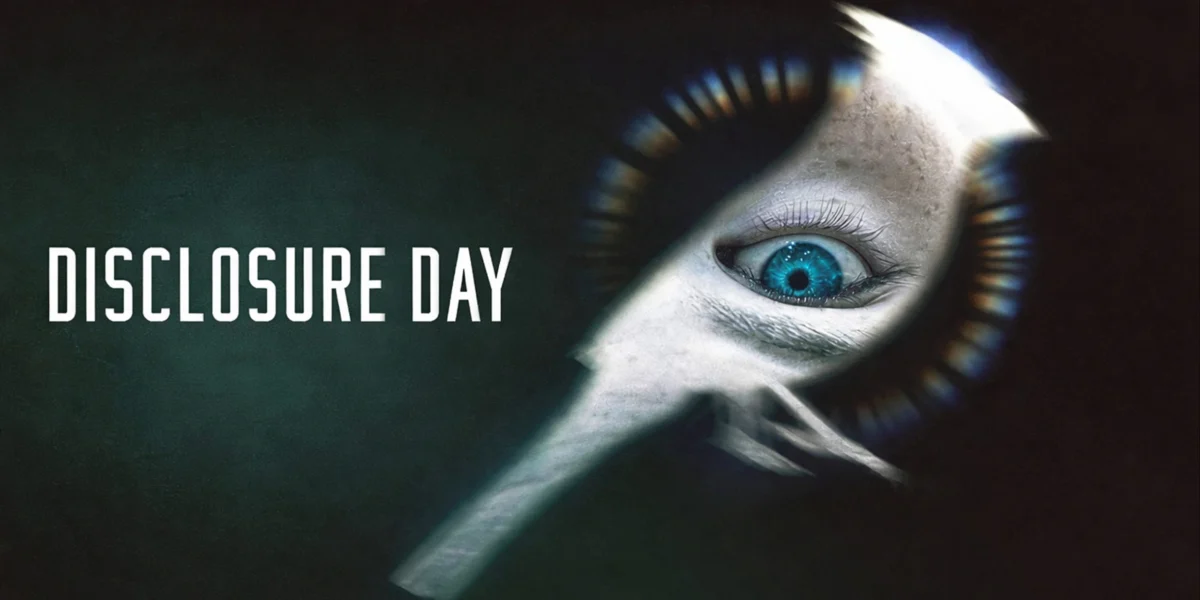
The cinematic landscape has been fundamentally altered with the arrival of Steven Spielberg’s latest directorial effort, Disclosure Day, marking the legendary filmmaker’s highly anticipated return to the live-action science fiction genre. For the first time in over two decades, the director behind Close Encounters of the Third Kind and E.T. the Extra-Terrestrial has pivoted away from historical dramas and personal semi-autobiographies to revisit the cosmos, though through a decidedly more grounded and contemporary lens. The film, which features an ensemble cast led by Emily Blunt and Josh O’Connor, has prompted intensive critical analysis, most notably in a comprehensive review by the Next Best Picture Podcast team, including Cody Dericks, Nadia Dalimonte, Dan Bayer, Giovanni Lago, and Brendan Hodges.
As the film moves into wide release, the discourse surrounding it has shifted from mere anticipation to a rigorous examination of its thematic depth, technical craftsmanship, and its place within Spielberg’s storied filmography. Disclosure Day does not merely ask the primitive question of whether humanity is alone in the universe; instead, it investigates the socio-political, psychological, and emotional fallout of a world that finally receives definitive proof of extraterrestrial existence.
The Evolution of Spielbergian Science Fiction
To understand the weight of Disclosure Day, one must look at the chronology of Steven Spielberg’s relationship with the science fiction genre. Throughout the 1970s and 1980s, Spielberg was synonymous with "suburban wonder," a term coined to describe the awe-inspiring and often benevolent depiction of alien life. Close Encounters of the Third Kind (1977) and E.T. (1982) framed the extraterrestrial as a source of spiritual or emotional connection.
However, as Spielberg’s career progressed into the 21st century, his vision darkened. Minority Report (2002) explored the ethics of surveillance and pre-determinism, while War of the Worlds (2005) served as a harrowing allegory for the post-9/11 era, depicting alien visitors as an overwhelming, terrifying force of destruction. Disclosure Day arrives nearly twenty years after War of the Worlds, representing a synthesis of these two eras. It moves past the initial contact and the immediate threat of invasion to focus on "The Disclosure"—the moment the secret is out and the world must reconcile its history with a new reality.
Industry analysts note that this shift mirrors a broader cultural trend. In recent years, the United States government and various international bodies have moved toward greater transparency regarding Unidentified Anomalous Phenomena (UAP). By grounding his film in this "post-truth" and "post-discovery" era, Spielberg aligns his narrative with modern anxieties regarding government transparency and the fragility of societal structures.
A Powerhouse Ensemble Cast
The success of Disclosure Day relies heavily on its central performances, which bridge the gap between the film’s massive scale and its intimate emotional core. Emily Blunt, fresh off her Academy Award-nominated performance in Oppenheimer, leads the cast. Her role is reportedly the emotional anchor of the film, navigating the complex intersection of scientific discovery and personal loss.
Joining her is Josh O’Connor, whose rise in prestige cinema—following his roles in The Crown and Challengers—has made him one of the most sought-after actors of his generation. The cast is further bolstered by Academy Award winner Colin Firth, whose presence adds a layer of gravitas and institutional weight to the proceedings. Eve Hewson, Colman Domingo, and Wyatt Russell round out the primary ensemble, each representing a different facet of the global reaction: from the cynical military response to the spiritual and philosophical reckoning of the general public.
Critics from the Next Best Picture panel highlighted the chemistry between these performers as a key factor in the film’s "intellectually rich" narrative. Rather than relying solely on spectacle, Spielberg utilizes his actors to voice the complex moral dilemmas presented by the screenplay. The performances are said to reflect a world in flux, capturing a sense of collective vertigo as humanity’s place in the food chain is recalibrated.
Technical Craftsmanship and the Final Note of John Williams
A Steven Spielberg film is rarely discussed without mention of its technical execution, and Disclosure Day is no exception. The film marks another collaboration with the legendary composer John Williams. At 92 years old, Williams has been selective about his projects, and his involvement in Disclosure Day suggests a score of significant emotional and thematic complexity. Early reviews of the score describe it as a departure from his more melodic, sweeping themes, opting instead for a more atmospheric and challenging soundscape that mirrors the film’s investigative tone.

The visual effects and sound work also represent the pinnacle of modern craftsmanship. In an era where "CGI fatigue" is a common complaint among moviegoers, Disclosure Day reportedly utilizes a sophisticated blend of practical effects and cutting-edge digital imagery. The goal, according to production insiders, was to make the extraterrestrial elements feel tangibly integrated into the real world, avoiding the "uncanny valley" that often plagues high-budget blockbusters. The sound design is equally vital, creating an auditory environment that emphasizes the "otherness" of the film’s central mystery while maintaining the grounded reality of its human settings.
Strategic Release and Awards Season Implications
The timing of Disclosure Day’s release and the subsequent "spoiler-filled" deep dives by outlets like Next Best Picture underscore the film’s position as a major contender for the upcoming awards season. The film is being positioned not just as a summer or winter tentpole, but as a "prestige blockbuster"—a rarity in a market often dominated by superhero franchises and established intellectual property.
Industry data suggests that Spielberg remains one of the few directors capable of drawing both general audiences and Academy voters. With Disclosure Day, the narrative for the awards circuit appears to be "the return of the master." Discussions are already centering on potential nominations for Best Director, Best Actress (Blunt), Best Supporting Actor (Domingo or O’Connor), and the technical categories. Furthermore, the film’s screenplay is being lauded for its intellectual ambition, potentially placing it in the running for Best Original Screenplay.
The Next Best Picture Podcast review specifically addressed these chances, noting that while the film is a "thrilling blockbuster," its emotional resonance and intellectual density make it a formidable opponent for more traditional "Oscar bait" dramas. The consensus among the reviewers suggests that Disclosure Day is a reminder of Spielberg’s unique ability to blend high-concept storytelling with profound humanism.
Broader Impact on the Science Fiction Genre
The implications of Disclosure Day extend beyond the box office and trophy cabinets. By focusing on the reaction to alien life rather than the hunt for it, Spielberg is pushing the boundaries of the "first contact" subgenre. This approach forces the audience to confront uncomfortable questions about global unity, religious upheaval, and the potential obsolescence of human institutions.
In a broader sense, the film serves as a litmus test for the viability of original, high-concept science fiction in the 2020s. Following the success of films like Denis Villeneuve’s Arrival and Dune, there is a clear appetite for "adult" science fiction that respects the intelligence of the viewer. Disclosure Day enters this space with the added weight of Spielberg’s legacy, potentially setting a new standard for how speculative fiction can address contemporary sociological issues.
The podcast discussion hosted by Matt Neglia highlighted this very point, questioning whether the film is a "masterpiece" or a "well-intentioned misfire." Such a debate is characteristic of Spielberg’s later-career works, which often challenge audience expectations and subvert the tropes he helped create. Whether Disclosure Day is embraced as a definitive classic or a divisive experiment, its influence on the cultural conversation regarding our place in the universe is undeniable.
Conclusion and Media Context
As the Next Best Picture Podcast continues its coverage of the film, the participation of contributors like Cody Dericks, Nadia Dalimonte, Dan Bayer, Giovanni Lago, and Brendan Hodges provides a multifaceted look at the film’s reception. The podcast, a member of the Evergreen Podcasts Network, remains a primary source for in-depth film analysis and awards season forecasting.
Disclosure Day stands as a significant milestone in 21st-century cinema. It represents the return of a master filmmaker to his most iconic genre, backed by a stellar cast and an unparalleled technical team. As the world continues to grapple with its own "disclosure" regarding the mysteries of the skies, Spielberg’s vision offers a timely, provocative, and ultimately emotional exploration of what it means to be human in an increasingly vast and mysterious universe. The film is not merely a cinematic event; it is a cultural document that reflects the anxieties and hopes of a world on the brink of a new era.