Last month, a significant conversation emerged from an exclusive interview with John Fawcett, the director of the seminal 2000 cult classic Ginger Snaps, alongside its stars Emily Perkins and Katharine Isabelle. The discussion, which centered on the enduring appeal of their iconic film, also cast a spotlight on the potential future of the franchise, including the long-rumored television series adaptation. This prospect, a topic of speculation since 2020, has reignited interest in the film’s unique contribution to the werewolf genre.
The film’s continued relevance is largely attributed to its groundbreaking portrayal of female lycanthropy. While the werewolf mythos is a staple of horror cinema, female werewolves remain a surprisingly underrepresented archetype. This scarcity was notably explored in a 2017 editorial by artist Julia Oldham for Artsy, which delved into the creature’s comparative absence from literature, art, and popular culture. Oldham posits that the female werewolf’s infrequent appearance stems from its inherent association with female sexuality and menstruation, themes that Ginger Snaps boldly confronts. She further suggests that their omission serves to shield audiences, particularly men, from confronting "hairy, ugly, uncontrollable women," arguing that the female werewolf "entirely breaks the rules of femininity" and, as such, is inherently disturbing.
Despite this relative scarcity, the cinematic landscape offers a compelling, albeit select, collection of unforgettable female werewolf films. In tribute to Ginger Snaps and its lasting influence, a curated selection of five of the most impactful female werewolf movies is presented, with a hopeful anticipation for the potential Ginger Snaps series and the broader emergence of more female lycanthropes in future storytelling.
The Underrated Charm of Cursed (2005)
Wes Craven’s Cursed, a film often relegated to the annals of underrated gems, offers a delightfully campy exploration of lycanthropy. The narrative follows siblings Ellie (Christina Ricci) and Jimmy (Jesse Eisenberg), whose lives are irrevocably altered following a brutal werewolf attack in Los Angeles. Despite its initial critical and commercial underperformance, Cursed has cultivated a devoted cult following over the past two decades, a testament to its enduring appeal. The film is characterized by its fast-paced, enjoyable teen horror aesthetic and a remarkably eclectic ensemble cast that epitomizes the early 2000s. Featured actors include Joshua Jackson, Milo Ventimiglia, Nick Offerman, Shannon Elizabeth, Mya, and Lance Bass, alongside the lead duo.
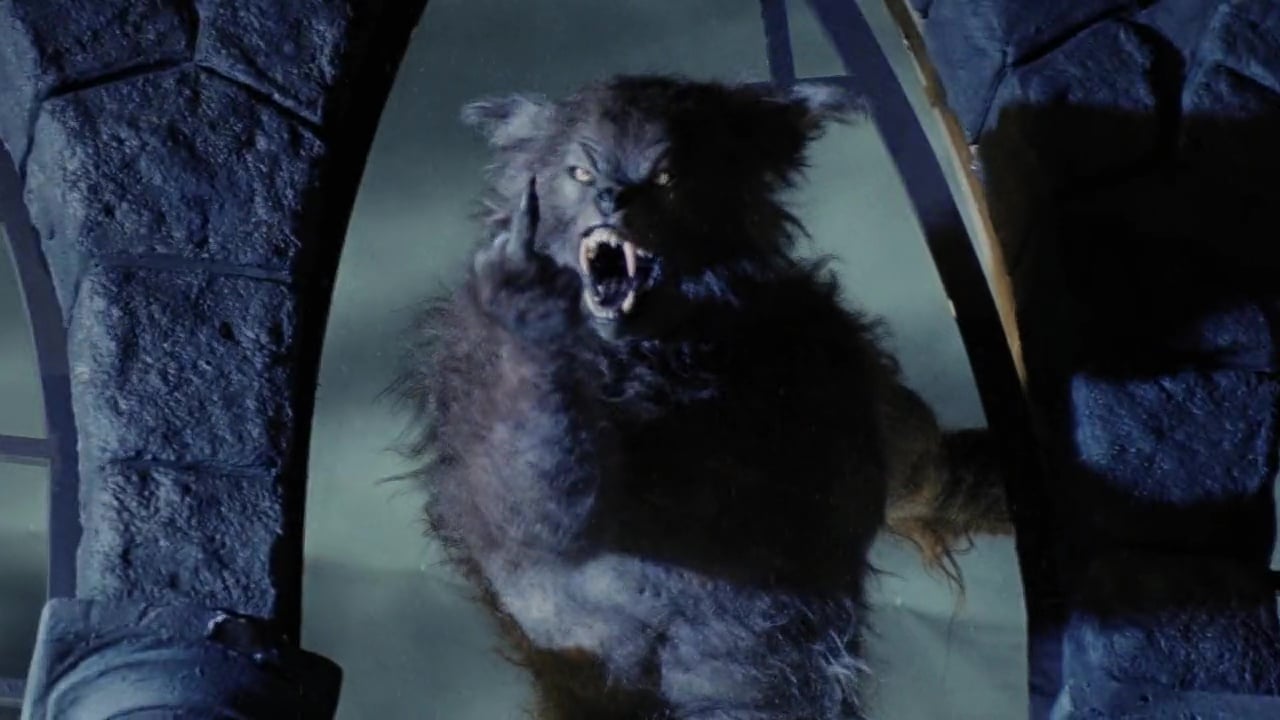
The film’s true standout performance comes from Judy Greer as Joanie, whose werewolf transformation, a successful amalgamation of CGI and practical effects, remains one of the movie’s most indelible sequences. A particularly memorable scene, which continues to elicit amusement, depicts Joanie, in her wolf form, defiantly flipping the bird at Ellie after being subjected to unflattering remarks about her appearance, highlighting the film’s blend of horror and dark humor. Cursed is currently available for rental on Prime Video.

The Festive Frights of Trick ‘r Treat (2007)
Michael Dougherty’s celebrated horror anthology, Trick ‘r Treat, offers a vibrant tapestry of Halloween traditions, personified by the mischievous demon Sam, whose mission is to punish those who disregard the holiday’s customs. While the film is rich with engaging narratives, the segment titled "Surprise Party" stands out as its most compelling. This story centers on Laurie (Anna Paquin), a shy young woman accompanied by her sister Danielle (Lauren Lee Smith) and friends Maria (Rochelle Aytes) and Janet (Moneca Delain) to a Halloween bonfire. Their objective: to help Laurie experience her first sexual encounter. During a moment of frustration, Laurie ventures into the woods and is attacked by a man disguised as a vampire. Unbeknownst to her, this assailant is Steven (Dylan Baker), the seemingly innocuous local school principal with a dark secret.
In a brilliant narrative twist, it is revealed that Laurie and her companions are werewolves, and this encounter marks Laurie’s "first time" hunting a man. She brings Steven back to the bonfire, where, set to a haunting cover of Marilyn Manson’s "Sweet Dreams (Are Made of This)," the women shed their human skins and consume their prey. This scene is lauded for its potent blend of sensuality and subversion, with some speculating it may have influenced Lana Del Rey’s music video for "Chemtrails Over the Country Club," though this remains unconfirmed. Trick ‘r Treat is currently streaming on Netflix.
The Primal Terrors of The Howling (1981)
Joe Dante’s The Howling plunges audiences into a world of psychological terror and visceral transformation. The film’s premise centers on Karen White (Dee Wallace), a news anchor whose career and sanity are shattered after a harrowing encounter with serial killer Eddie Quist (Robert Picardo). Seeking refuge, she and her husband, Bill (Christopher Stone), retreat to "The Colony," a secluded wellness retreat. Here, amidst an unsettling atmosphere, Karen learns that the inhabitants, particularly Marsha (Elisabeth Brooks), are far from ordinary. The film masterfully weaves a narrative of escalating dread, revealing that Eddie Quist may still be alive and that The Colony is a haven for werewolves.

Unlike some portrayals where lycanthropy is a hidden affliction, the residents of The Colony openly embrace their transformed states. Marsha, in particular, exhibits a bold disregard for concealment, despite the film not explicitly depicting her full transformation. However, it is Karen’s agonizing on-air metamorphosis that serves as a stark reminder of the curse’s devastating impact and the profound struggle of those who cannot accept their altered identities. The Howling is presently available for streaming on Tubi.
The Dreamlike Depths of The Company of Wolves (1984)
Directed by Neil Jordan and inspired by Angela Carter’s collection of fairy tale retellings, The Company of Wolves offers a surreal and allegorical journey into adolescence and burgeoning sexuality. The film follows Rosaleen (Sarah Patterson), a teenage girl who navigates a series of dreamlike sequences, each exploring themes of romance, peril, and self-discovery. The narrative draws heavily from classic tales like "Little Red Riding Hood" and "Bluebeard," infusing them with a distinctly feminist and psychologically charged perspective.
A pivotal moment occurs when Rosaleen confronts the huntsman (Micha Bergese), revealing the wolf lurking beneath his human guise. This revelation propels her into a new phase of her own transformation. The villagers, fearful of her emerging lycanthropy, pursue her, but by the time they reach her cottage, it is too late. Rosaleen has fully embraced her werewolf nature and has vanished into the woods with the hunter. While the film’s ending eschews the overt sexuality of its source material, it retains a profound sense of unease. This disquiet is amplified by Rosaleen’s youth and the seductive allure of the fantasy she embodies, tapping into the universal adolescent yearning for escape and dangerous liaison. The Company of Wolves is currently accessible on Tubi.

The Contemplative Rage of When Animals Dream (2014)
Jonas Alexander Arnby’s directorial debut, When Animals Dream, presents a stark and introspective look at female awakening within a conservative Danish fishing town. The film centers on Marie (Sonia Suhl), a teenager grappling with the inexplicable physical changes she is experiencing, with no one to confide in. Her mother (Sonja Richter) is catatonic, and while her father (Lars Mikkelsen) is supportive, Marie finds herself unable to articulate her burgeoning anxieties. Her employment at a fish processing plant exposes her to further hardship, but she finds solace in the kindness of Daniel (Jakob Oftebro). Eventually, Marie uncovers the truth: she and her mother are werewolves, a fact known to their community for years. She learns of a medication that can suppress her condition, but at the cost of becoming like her mother, a fate she dreads.
When Animals Dream distinguishes itself as the most contemplative film on this list, drawing parallels with the atmospheric intensity of Let the Right One In. Despite its measured pace and muted cinematography, the film possesses a potent, primal energy. It is a profound exploration of female rage and independence, culminating in one of cinema’s most harrowing yet cathartic werewolf transformations. For viewers who appreciate arthouse cinema infused with a significant element of gore, this film offers a compelling experience. When Animals Dream is currently available for streaming on Tubi.
The enduring presence of these films underscores a growing appetite for complex, multifaceted portrayals of female characters within the horror genre. As the discussion around the potential Ginger Snaps series continues, it signals a broader trend towards re-examining and expanding upon established archetypes, offering new perspectives on classic monsters and the human experiences they represent. The exploration of female sexuality, societal constraints, and the raw power of transformation continues to resonate with audiences, ensuring that the female werewolf, once a rare sight, is poised for a more prominent and impactful future in cinema.