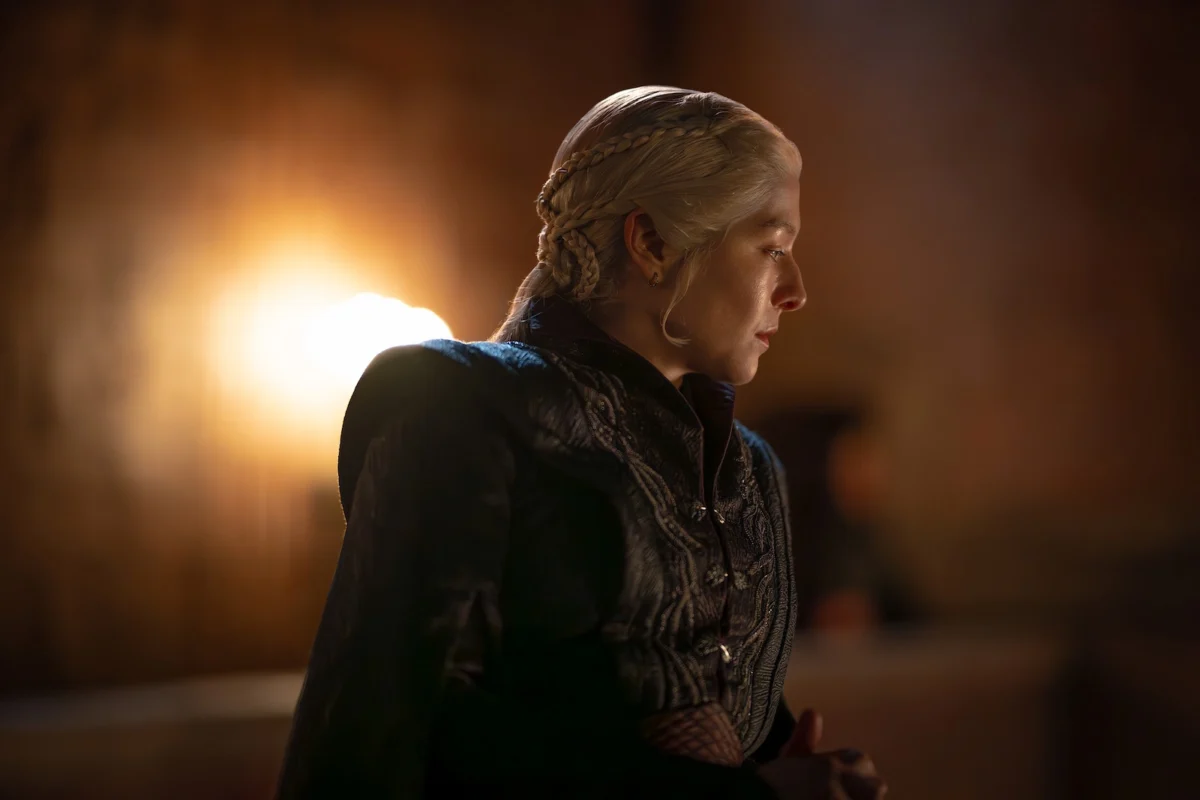
The anticipation for the third season of HBO’s critically acclaimed House of the Dragon is palpable, yet the approaching return of the Targaryen dynasty has also reignited discussions and criticisms surrounding the narrative choices made in the season two finale. While online forums and social media platforms buzz with fan reactions, showrunner Ryan Condal has firmly stated that these external voices will not steer the strategic direction of the series. During a press conference attended by Reactor, Condal articulated a clear vision for the remaining planned seasons, emphasizing a commitment to a pre-determined narrative arc.
A Unifying Story Across Four Seasons
Condal’s primary message to fans is one of patience and perspective. He reiterated that House of the Dragon is conceived as a singular, overarching story told across four distinct seasons. The current season, he explained, represents a crucial middle act, and judging the efficacy of specific plot points without experiencing the complete narrative is akin to disliking a play after only seeing the second act.
"We have a plan, we’re going to stick to it, we’re not going to listen to the noise in between," Condal stated, directly addressing the fan grumblings. He elaborated on the structural intent of the series, drawing an analogy to theatrical productions. "I realize that this is a four-season show, you have to wait two years in between each chapter, but ultimately this is one story we’re telling," he explained. "I mean, to get upset about something midway is to react in the middle of a play that you don’t like the turn that the story took in the middle… There’s a whole another two acts coming, and I think that’s where we are. I get the frustration. It’s a long downtime between seasons. It just takes a long time to make the show."
This perspective suggests that plot developments that may seem jarring or divisive in isolation are designed to serve a larger purpose within the complete narrative tapestry of the Dance of the Dragons. The show’s creators are prioritizing the long-term payoff and the thematic resonance of the entire saga over immediate audience gratification or appeasement of mid-series critiques.
The Rigorous Production Timeline
Condal also shed light on the extensive production timeline that necessitates the long waits between seasons. He detailed a process that requires approximately one year for script finalization, pre-production, and principal photography. Following this intensive phase, an additional seven to eight months are dedicated to the intricate and time-consuming work of bringing the dragons to life through visual effects.
"I’m very sorry, but you guys decided to be fans of the show called House of the Dragon," Condal quipped, humorously acknowledging the inherent challenges of depicting a world populated by these magnificent, yet digitally demanding, creatures. This remark underscores the significant investment in visual artistry required to deliver the spectacle that fans expect from the Game of Thrones universe. The complexity of dragon animation, in particular, is a substantial factor contributing to the extended production cycles.
Timeline and Future Outlook
The third season of House of the Dragon is slated for release on HBO and its streaming platform, HBO Max, on Sunday, June 21, 2026, at 9 p.m. ET/PT. This confirmed release date provides a concrete benchmark for fans eagerly awaiting the next chapter.
Currently, Condal and his writing team are actively engaged in crafting the scripts for the fourth and final season. While the preparatory stages for season four are still several months away, the foundational work of narrative development is well underway. This parallel progress on future seasons indicates a cohesive and forward-thinking approach to concluding the epic story of the Targaryen civil war.
Historical Context: The Dance of the Dragons
To fully appreciate the narrative trajectory of House of the Dragon, understanding the historical context from which it draws is essential. The series is based on George R.R. Martin’s novel Fire & Blood, a comprehensive history of the Targaryen dynasty. The events depicted in the show are known as the "Dance of the Dragons," a brutal and devastating civil war that erupted in 129 AC (After Conquest) following the death of King Viserys I Targaryen.
The conflict was primarily between two factions of the Targaryen family: the supporters of Princess Rhaenyra Targaryen, Viserys’s designated heir, and those of her younger half-brother, Prince Aegon II Targaryen, who was crowned king by a rival council. This succession dispute escalated into a full-blown war that saw the use of dragons on an unprecedented scale, resulting in immense loss of life, the decimation of the dragon population, and profound political upheaval across Westeros.
The series, therefore, is not merely an episodic drama but a retelling of a foundational, and notoriously tragic, period in Westerosi history. The "grumblings" about the season two finale likely stem from the inherent complexities and moral ambiguities of this conflict, where no faction is entirely without fault, and the consequences of ambition and loyalty are dire.
Fan Reactions and Criticisms: A Deeper Dive
While Condal dismisses "noise," the criticisms leveled at the season two finale are not without their substance. Viewers often express concerns about pacing, character development, and the perceived abruptness of certain plot resolutions or introductions. In a serialized narrative, especially one with such a long lead time between installments, audience expectations can become finely tuned, and deviations from established patterns or perceived deviations from character motivations can lead to significant debate.
For instance, a particularly divisive aspect of a season finale could be the handling of a character’s death, a significant betrayal, or the introduction of a new threat that seems to come out of nowhere. The article mentions "gripe about the season two finale," which, without specific details, can be interpreted broadly. However, common themes in fan discussions of such shows often revolve around:
- Pacing: Whether the plot moves too quickly or too slowly, leaving characters underdeveloped or key events feeling rushed.
- Character Arcs: Whether character decisions align with their established personalities and motivations, or if they feel forced for plot progression.
- World-Building Integration: How new elements of the lore or political landscape are introduced and integrated into the ongoing narrative.
- Emotional Resonance: Whether climactic moments land with the intended emotional impact, often tied to character investment.
The inherent challenge for House of the Dragon is to balance the need for intricate, historically accurate storytelling with the demands of a modern television audience accustomed to faster narrative payoffs. The "noise" Condal refers to is the aggregated voice of this audience, attempting to influence a creative process that is already years in the making.
The Role of Showrunners in Epic Storytelling
Showrunners like Ryan Condal bear the immense responsibility of translating dense source material into a compelling visual medium. Their role involves not only creative vision but also strategic planning, managing large production teams, and navigating the often-turbulent waters of audience reception. The decision to commit to a four-season arc for House of the Dragon suggests a deep understanding of Martin’s work and a belief that the full scope of the Dance of the Dragons requires this extended narrative canvas.
The approach taken by Condal—to remain steadfast in his vision despite external criticism—is a common strategy among showrunners of epic fantasy. It prioritizes artistic integrity and the fulfillment of a grand narrative vision over the ephemeral pressures of immediate fan sentiment. This approach can be risky, as it relies on the eventual payoff to justify any mid-series perceived missteps. However, it is often the only way to do justice to complex, sprawling stories like the history of Westeros.
Broader Implications for the Fantasy Genre on Television
The continued success and evolution of House of the Dragon have significant implications for the broader fantasy genre on television. The show’s commitment to a multi-season arc, despite the inherent production challenges and the potential for fan fatigue during long hiatuses, signals a growing trend towards ambitious, long-form storytelling in television.
- Investment in Lore: The success of House of the Dragon encourages networks to invest in properties with rich lore and detailed histories, knowing that audiences are willing to engage with complex worlds.
- Audience Patience: The show’s strategy of building towards a complete narrative arc may, in the long run, foster greater audience patience and appreciation for deliberate storytelling, even with extended waits.
- Visual Effects Standards: The emphasis on high-quality dragon CGI sets a new benchmark for visual effects in television, pushing the boundaries of what is technically feasible.
- Adaptation Strategies: The show’s approach to adapting Fire & Blood serves as a case study for how to handle historical or encyclopedic source material, focusing on a specific, dramatic period and weaving it into a coherent television series.
Ultimately, Ryan Condal’s steadfast commitment to his planned narrative for House of the Dragon underscores the challenges and rewards of adapting epic fantasy. While fan feedback is a valuable component of the creative process, the long-term vision for a story as grand as the Dance of the Dragons requires a resolute adherence to a carefully constructed artistic blueprint. The approaching third season, and the subsequent conclusion, will be the ultimate test of this strategy, aiming to deliver a satisfying and thematically resonant narrative arc that justifies the journey.