The National Association of Broadcasters (NAB) Show 2026, held annually in Las Vegas, signaled a profound recalibration within the media and entertainment technology landscape. Historically a broad forum for content creation, distribution, and management, this year’s event underscored a definitive pivot towards broadcast, live production, and burgeoning sectors like sports and live worship, with traditional cinema taking a less central role. "NAB has always been the broadcast show," observed Paul Hawxhurst, senior technical specialist at Canon USA, "For a little while there, it was cinema, cinema, cinema. Right now, it’s going back to broadcast, broadcast, broadcast." This sentiment permeated discussions and was visibly reflected across the convention floor.
A Shifting Landscape: The Macro View

The NAB Show, a venerable institution since its inception in 1923, has long served as a bellwether for the industry. Its evolution from radio and television broadcasting to encompassing digital media and cinema production mirrors broader technological and economic shifts. The current trend suggests a strategic realignment, driven by factors such as the burgeoning demand for live content, the financial pressures on traditional cinematic productions, and the diversification of content consumption platforms. While the event still draws a global audience of innovators, creators, and executives, the emphasis has visibly moved towards scalable, high-volume production solutions.
This shift was palpable on the exhibition floor. Many vendors reported a quieter year for cinema-focused engagements, with some companies opting for reduced footprints or foregoing traditional booths entirely. Instead, they strategically positioned themselves as sponsors within NAB’s Cine Central program, a dedicated, albeit smaller, enclave within the vast Central Hall of the Las Vegas Convention Center. This strategic retreat suggests that while the film community remains a vital component, it is no longer the sole, or even primary, gravitational center of the show. Emerging sectors like live production, sports broadcasting, diverse content creation (including for social media and digital platforms), and even specialized markets like live worship, demonstrated stronger growth and greater vendor investment.
The weeks immediately surrounding NAB 2026 further reinforced this trajectory of consolidation and realignment. Days prior to the show, German broadcast technology powerhouse Riedel Communications announced its significant acquisition of ARRI, a legendary name synonymous with high-end cinema cameras and lighting. This move, while potentially bringing advanced broadcast integration to ARRI’s revered product lines, signaled a broader convergence. A week after the conference, Quixote Studios, a prominent provider of sound stages and production equipment, revealed plans to shutter operations in Atlanta and New Mexico, alongside scaling back its presence in Los Angeles and New York, resulting in approximately 70 layoffs. These events, taken together, painted a clear picture of an industry undergoing a fundamental re-evaluation, steering towards more stable, broadcast-adjacent markets and optimizing operations amidst evolving content demands.

NAB’s Programming Reflects New Priorities
The programmatic offerings at NAB 2026 mirrored the observable shifts on the floor. Mentions of traditional narrative filmmaking were notably scarce during the annual press conference. A telling example of the evolving definition of "filmmaker" was the spotlight on Mark Fischbach, widely known as YouTuber Markiplier, who recently self-financed his feature debut, Iron Lung. This highlighted the increasing influence of digital-native creators and the expansion of what constitutes "filmmaking" beyond the conventional studio model, embracing independent, digitally-driven production. This reflects a wider industry trend where creators with direct audience engagement and multi-platform reach are carving out significant niches, often leveraging more accessible and versatile broadcast-grade technologies.
Despite these macro shifts, the Central Hall, home to Cine Central, still pulsed with the distinctive energy of a film community eager to connect, learn, and discover new tools. Cinematographers, directors, camera operators, and film students converged, packing into seminars, engaging in hands-on workshops, and fostering the collaborative spirit that remains a hallmark of the craft. This dedicated space served as a vital reminder that while the industry’s economic currents might be shifting, the passion for cinematic storytelling and the pursuit of cutting-edge visual technologies persist.
Innovations in Camera Technology: Accessibility Meets Performance
The camera landscape at NAB 2026 continued to showcase advancements, particularly in democratizing high-end imaging.
Portland-based cinematographer Sean Conley, a long-time admirer of ARRI’s color science but constrained by the prohibitive cost of an Alexa, found his solution in Kinefinity. Having discovered the Chinese company at NAB 2018, he was impressed by their ability to deliver comparable color science at a significantly more affordable price point. Conley now owns several Kinefinity cameras, leveraging their value proposition. This year, Kinefinity unveiled the Vista, a 6K full-frame model that earned a "Best of Show" award. The Vista prioritizes a "small and light" form factor, ideal for independent filmmakers seeking a "personal cinema camera that you can walk around with and not draw as much attention to yourselves," as Conley described. Its integrated four-inch OLED touchscreen, boasting 800 nits brightness, potentially reduces the need for external monitors, streamlining rig setups.
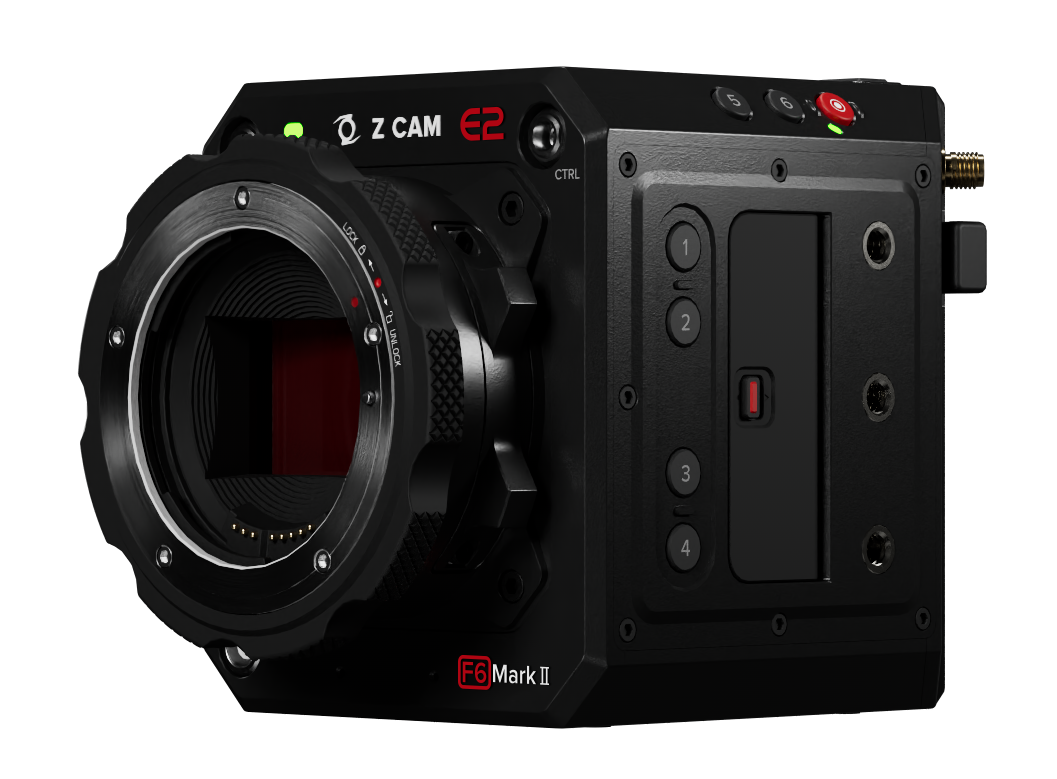
Similarly, Z CAM, founded in 2013, gained significant visibility following DP Fraser Taggart’s innovative use of multiple Z CAMs for the complex biplane flight sequences in Mission: Impossible – The Final Reckoning. The 6K full-frame camera utilized in that production received an update last year with the release of the E2-F6 Mark II. This iteration introduced critical broadcast-centric features like SDI and Genlock, enabling frame-by-frame image synchronicity essential for multi-camera shoots. Media capture also migrated to industry-standard CFexpress Type B cards. Like Kinefinity, Z CAM offers a cost-effective alternative to premium camera models, with a color science designed to intercut seamlessly with footage from more expensive "A-Cams." Neil Matsumoto of Panasonic noted that the intense focus on "colorimetry" has somewhat abated, as most modern cameras can now shoot log footage at ultra-high resolutions. This capability offers maximum flexibility in post-production color correction, effectively leveling the playing field for many manufacturers. "That was always the thing: colorimetry. And we all said, ‘Oh, Canon has the best colorimetry,’ or Nikon or Sony," Matsumoto explained at the Panasonic booth. "We’re all shooting log now. We’re all super good."
Large Format and Creative Freedoms
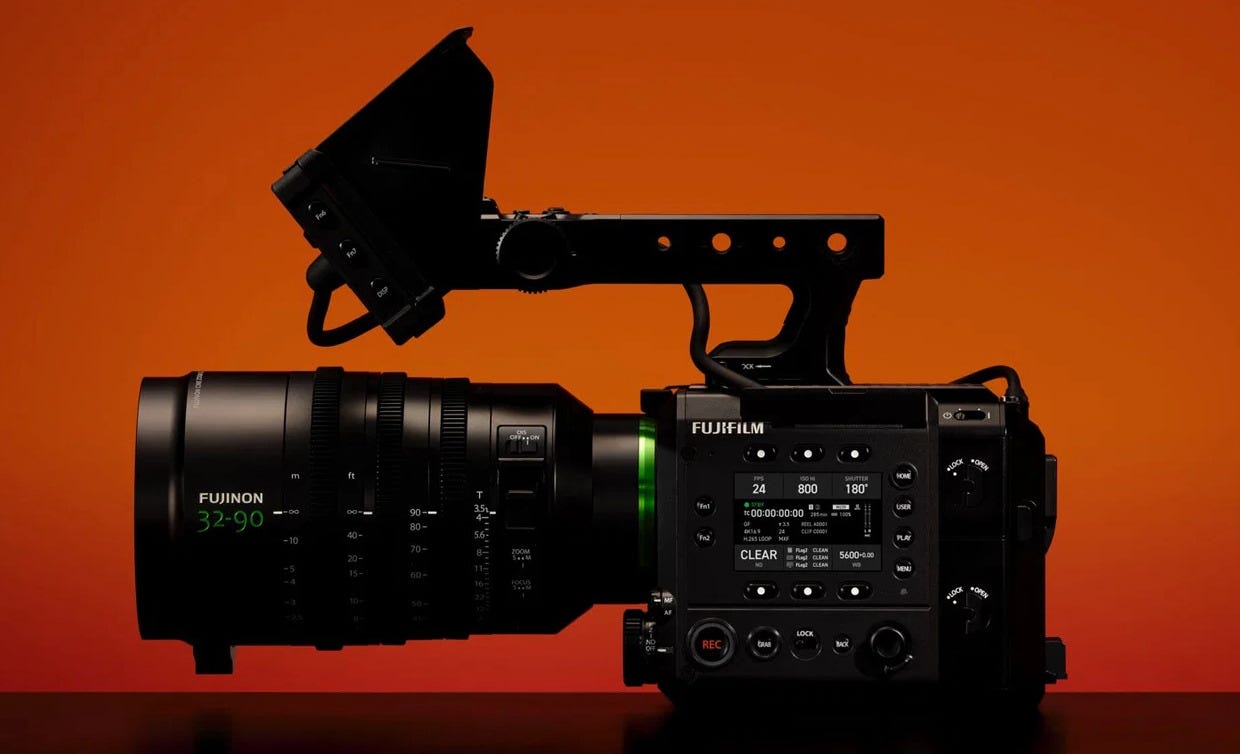
Fujifilm showcased its large format GFX ETERNA 55 cinema camera, released late last year. While adoption of new cameras naturally takes time due to the industry’s risk-averse nature, the Eterna’s appeal is undeniable. Its large-format sensor, 1.7 times larger than a standard full-frame sensor, coupled with a reasonable price point and IMAX approval, suggests its widespread adoption by cinematographers is a matter of "when," not "if." The creative possibilities afforded by its sensor size, particularly in terms of shallow depth of field and unique lens characteristics, are a significant draw for narrative filmmakers.
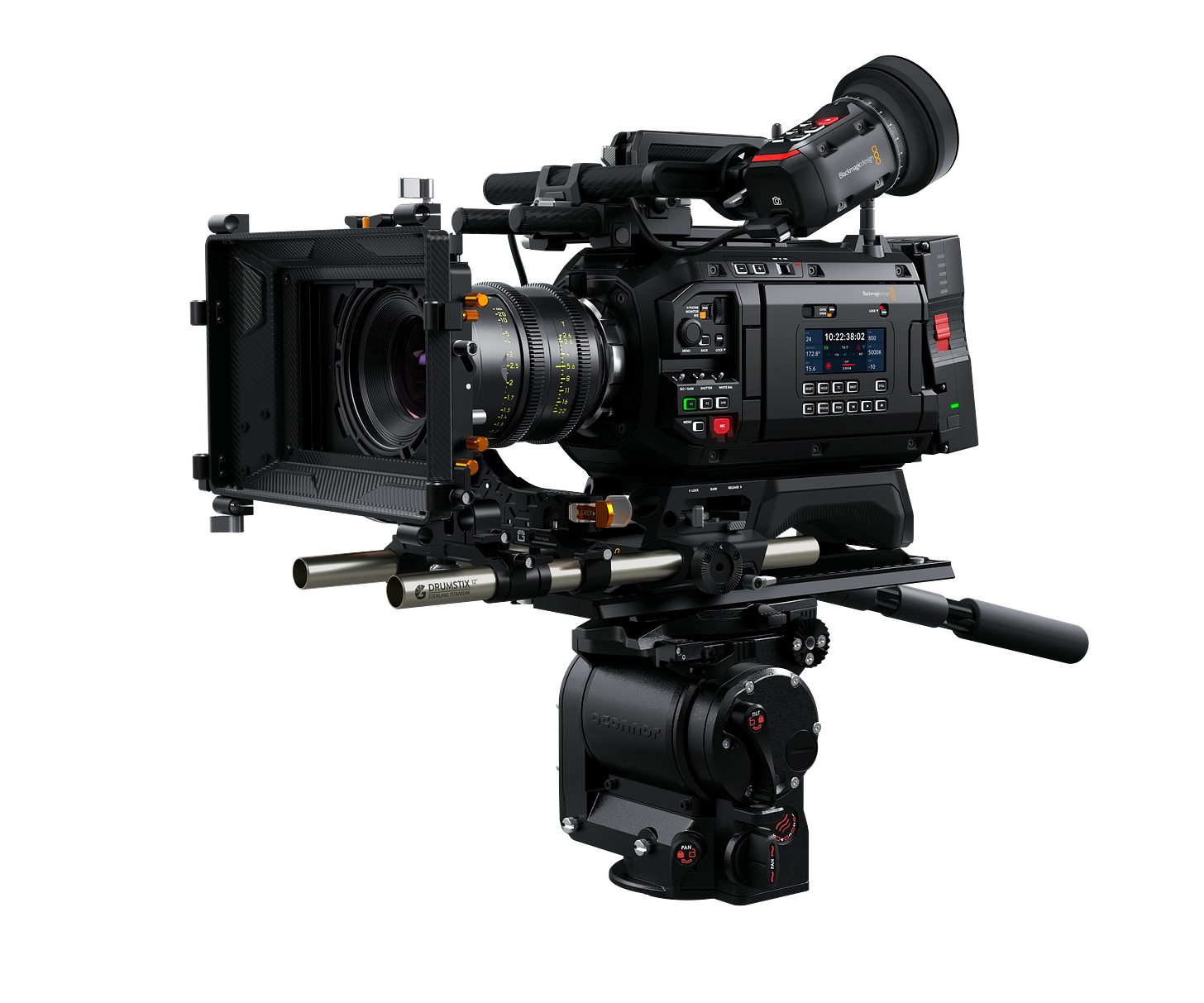
A testament to embracing new technology was cinematographer Blake McClure’s decision to shoot the HBO series Rooster on the then-unreleased Blackmagic URSA Cine 17K 65 last year. His primary concerns revolved around the camera’s durability and performance under strenuous conditions: "Can I stretch it? Can I destroy it, and will it hold up?" After consulting with industry peers, including renowned cinematographer Greig Fraser (The Batman), who had been testing the camera, McClure received enthusiastic endorsements. For McClure, the camera’s ultra-high resolution was secondary to the creative advantages of its large format sensor. It allowed him to use "a longer focal length lens, but still have a wider field of view," fundamentally altering camera placement and thus influencing storytelling. "That changes where you put the camera, which changes how you tell the story. That’s all I cared about," he articulated, highlighting the artistic impact of technical innovation.
Workflow Enhancements and the Rise of AI
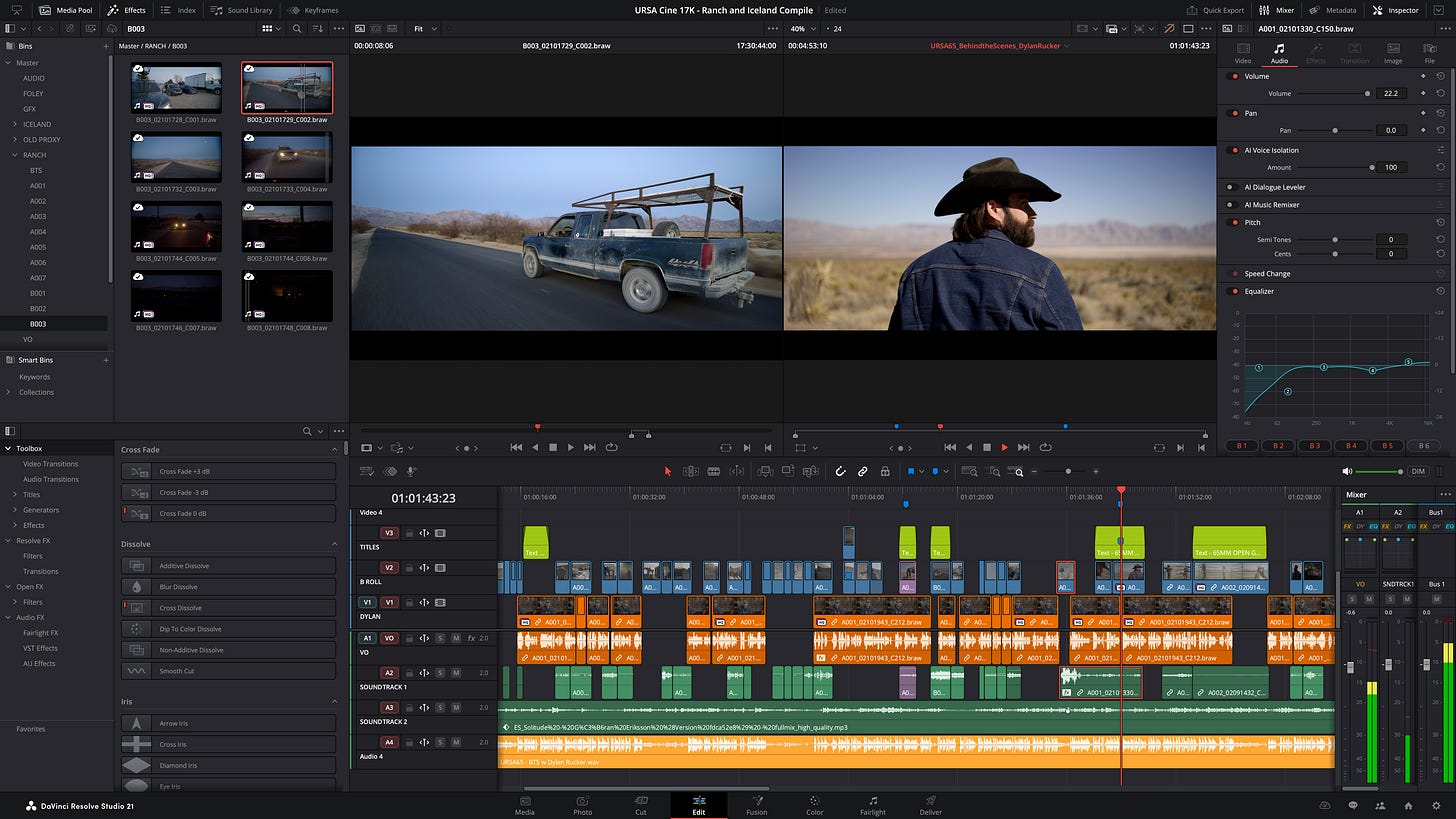
Beyond cameras, workflow efficiency remained a critical theme. Blackmagic Design heavily promoted their annual update to their coloring and editing software, DaVinci Resolve 21. This iteration integrates a suite of helpful AI tools designed to simplify and accelerate the work of editors and colorists. One such innovation allows the software to automatically scan footage for slate appearances, significantly streamlining the synchronization of sound and video. Sarah Jones, senior technical solution specialist at Blackmagic Design, emphasized the value of such automation: "15-20 years ago, you probably had an assistant editor going through and doing all of your slates, organizing your media. But these days, it’s almost a privilege to have that assistant. If we can take care of those tedious tasks and you get to the actual creativity of the job, people really appreciate that." This reflects a broader industry push to automate repetitive tasks, freeing up creative professionals for more impactful work, particularly in an era of tighter budgets and leaner crews.
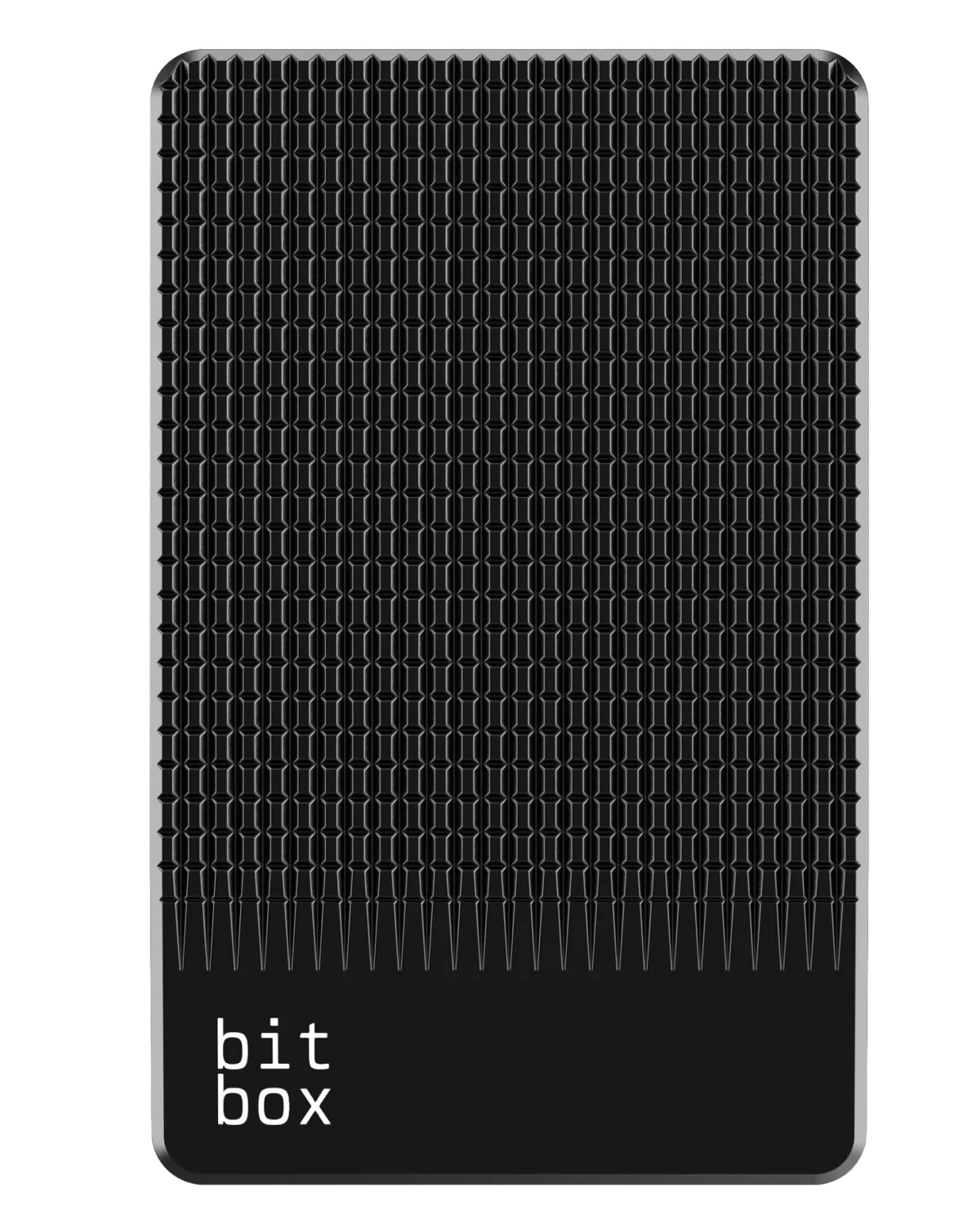
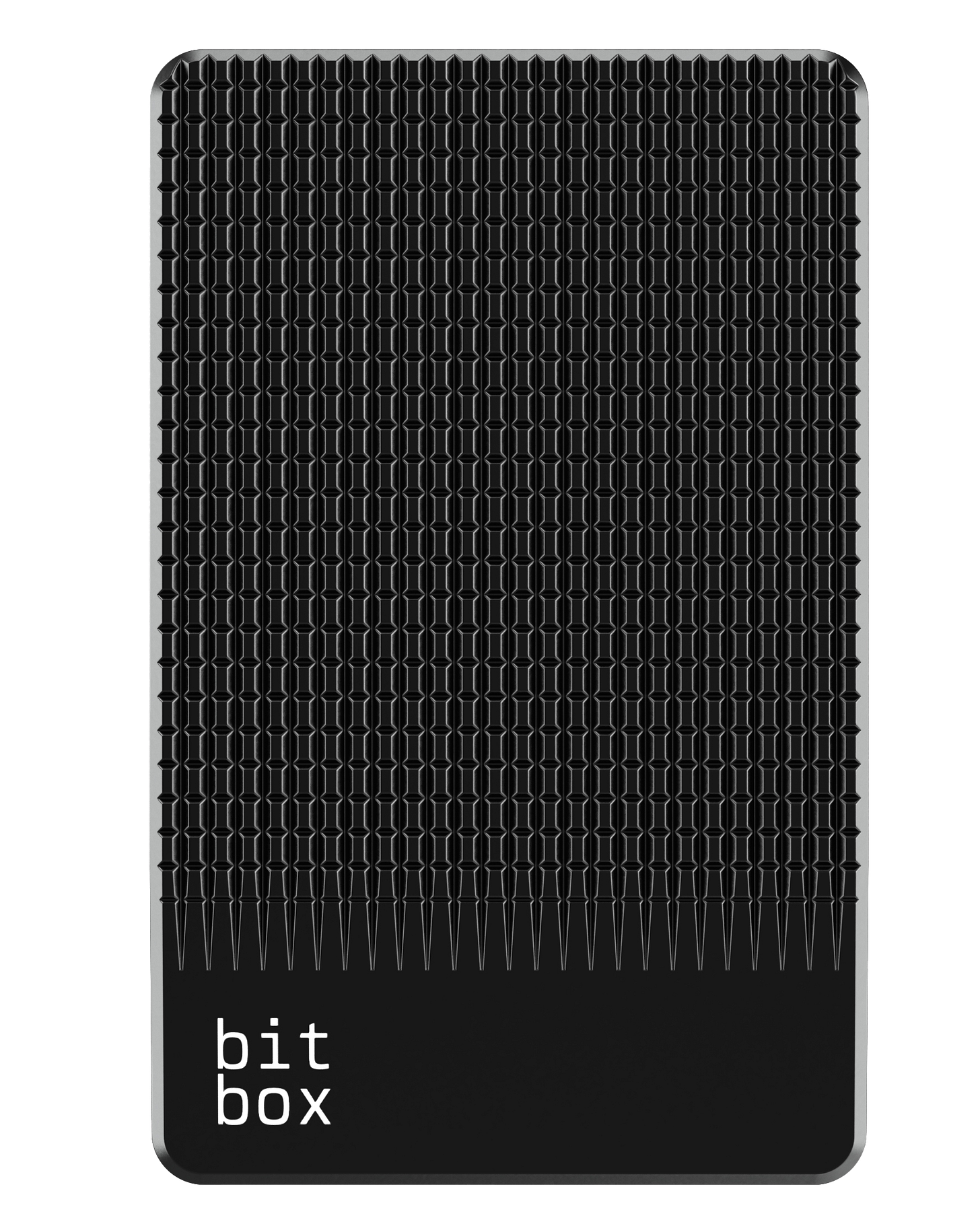
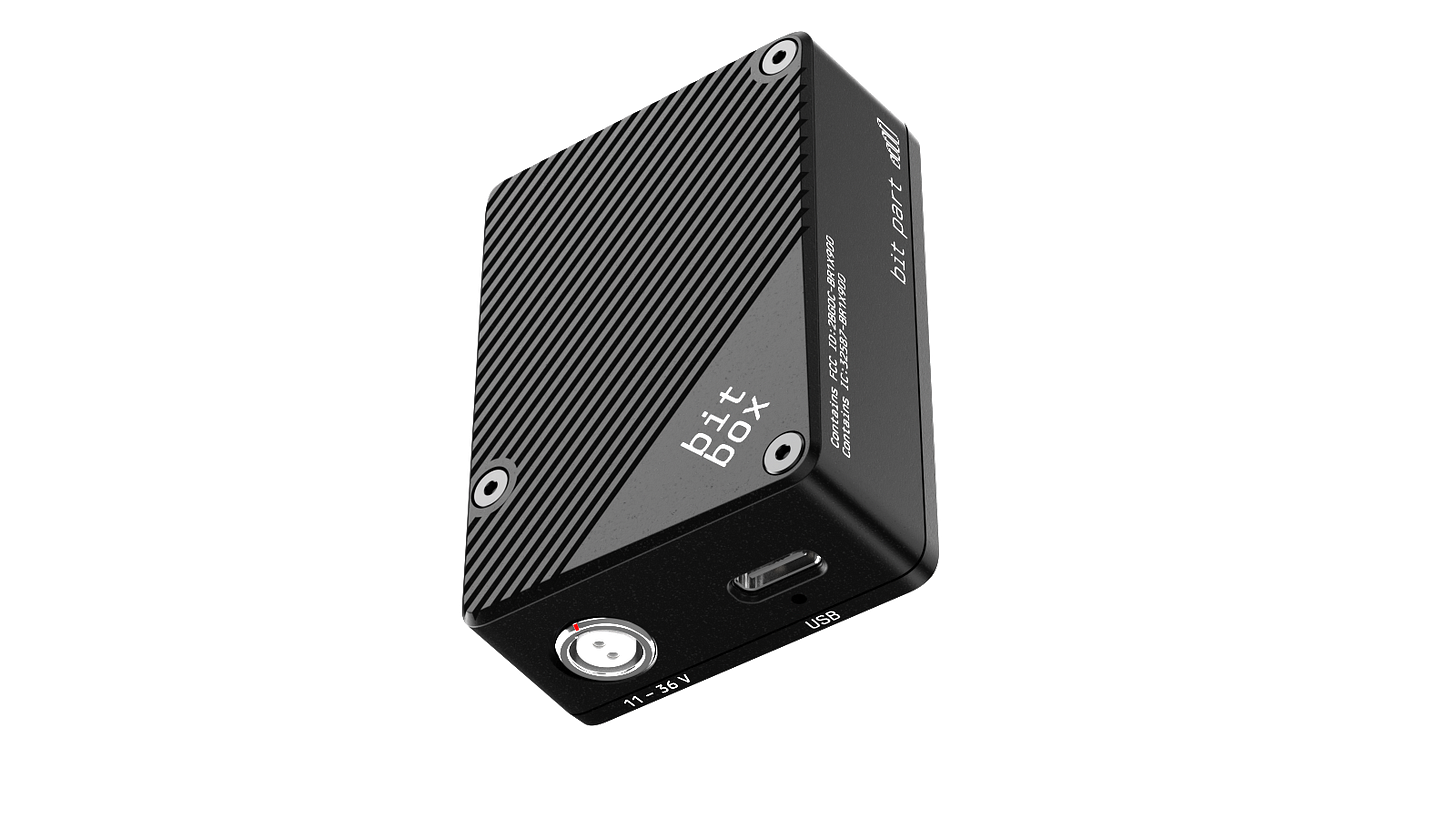
Camera control also saw advancements aimed at streamlining on-set operations. Following its debut at Cine Gear Expo 2024, Bit Part, a company specializing in camera control hardware, presented the Bitbox Max at NAB. This device, developed entirely in-house, boasts "better filtering and electronics" to combat radio interference that often plagues film sets. Co-founder Ian Edwards noted its fourfold increase in range compared to previous models, making it invaluable for extreme filming scenarios, such as controlling a camera positioned on the far side of a mountain, far from video village. A surprising insight gained from vendor-consumer interactions revealed that while the Bitbox was designed with digital imaging technicians (DITs) in mind, "ACs love the device." Responding to this feedback, Bit Part debuted the Bitbox Mini-C, specifically "designed for 1st ACs who want a small, two camera package and are already using a Bitbox." This compact base station supports "any camera that has USB-C" (including Sony, RED, Canon, or Blackmagic), powering an iPad or iPhone for control with a single cable, showcasing a commitment to practical, user-driven product development.
Audio and Optics: Precision and Affordability
In the realm of sound, Rode made a significant leap from 2.4 GHz digital sound to UHF (ultra-high frequency) 32-bit float onboard recording technology with the RØDELink II professional UHF wireless microphone system. This technological upgrade was facilitated by Rode’s acquisition of high-end audio company Lectrosonics in May, demonstrating a strategic move to integrate premium capabilities. Priced at $1,499 for a two-channel device, the RØDELink II maintains Rode’s commitment to affordability for independent filmmakers, offering a competitive solution at less than half the cost of comparable systems.
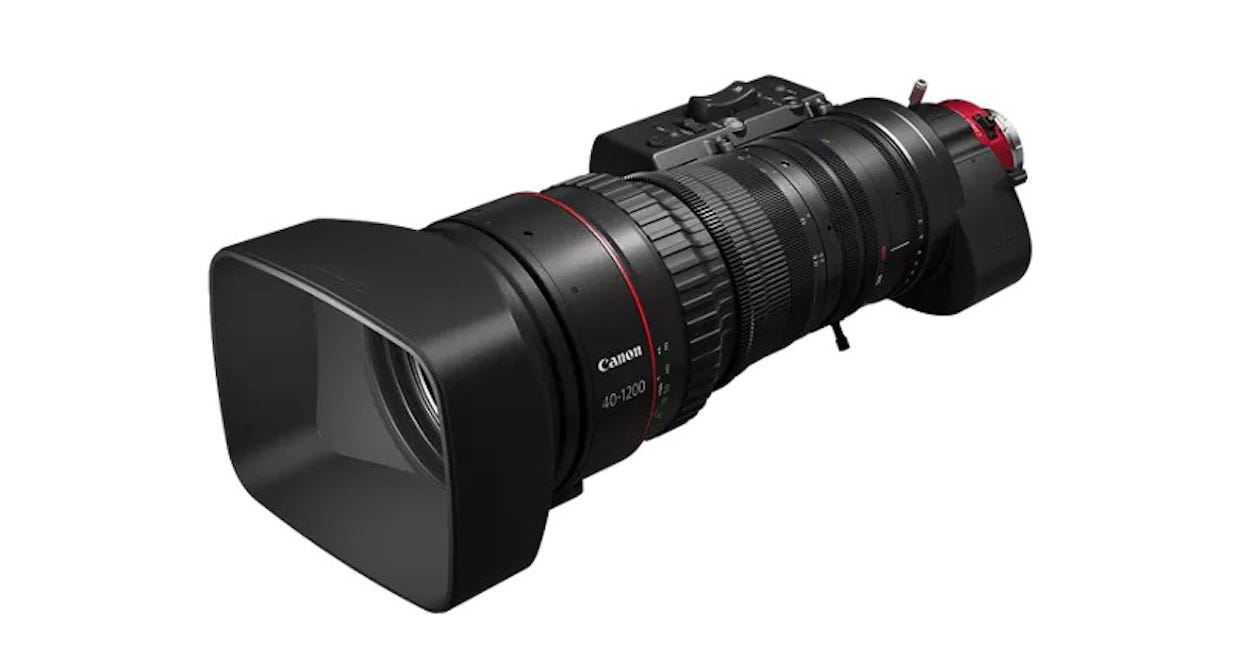
Lens manufacturers continued to push boundaries across various segments. Canon unveiled its new CINE-SERVO 40-1200mm T5.0-10.8 lens, a successor to the long-serving CINE-SERVO 50-1000mm. This lens, widely used in nature documentaries and live church streams, was updated based on direct user feedback. Hawxhurst noted, "One of the major feedback points about making it wider and telephoto came from them [churches]. It’s amazing how much wider 40mm is than 50mm. There is actually a lot more field of view," illustrating how diverse market demands drive product evolution.
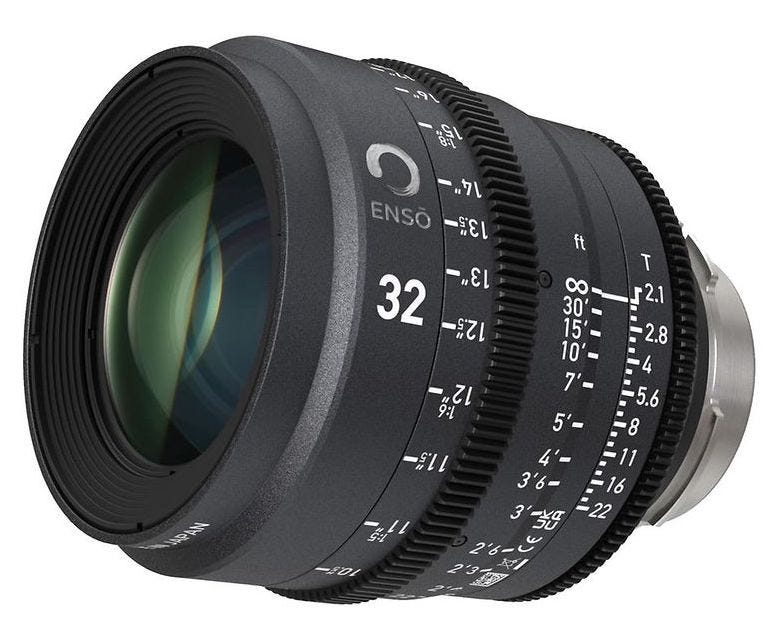
ARRI completed the rollout of their Ensø Prime lens line with the introduction of 10.5mm, 14mm, and 250mm lenses. A notable addition is a vintage kit featuring three different strengths of diopters that attach to the rear of the lens, enabling users to "detune the lenses, for lack of a better term, really quickly," explained Stephan Ukas-Bradley, ARRI’s Vice President of Product Strategy and Marketing. This allows cinematographers to achieve specific vintage looks, such as replicating the aesthetic of a Canon K35 lens with the strongest positive filter. Looking ahead, Ukas-Bradley acknowledged the growing competition from Asian lens manufacturers offering "hyper-competitive prices." He indicated that ARRI might explore "lower-cost glass" while carefully managing the inherent compromises. Furthermore, ARRI plans to develop "a couple more creative options to detune them, with the same system we use with our diopters," collaborating with filter manufacturers to create diverse looks.
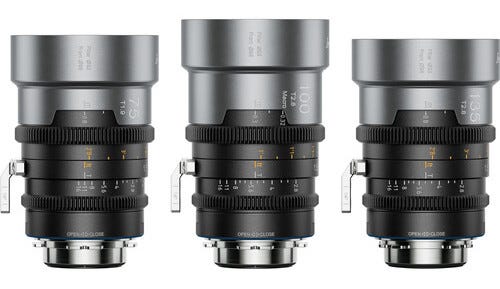
This strategic consideration by ARRI highlights the significant impact of companies like China-based SIRUI, which has evolved from tripod manufacturing 25 years ago to producing ultra-fast anamorphic glass at accessible price points. At NAB, SIRUI introduced three new 1.5x full-frame anamorphic lenses in their IronStar Series (75mm, 100mm, and 135mm focal lengths). SIRUI also received an NAB award for their ultra-fast Vision Prime Full Frame Cine Lens series, with 15mm T1.6, 75mm T1.4, and 150mm T4 lenses becoming available this month at an impressive $600 each. This trend signals a sustained effort to bring high-quality optics within reach of a broader range of filmmakers.
Japanese lens company Tamron unveiled the TAMRON-LINK, a compact device that plugs into the base of their lenses, enabling remote control via an iOS app. At just $50, this Bluetooth-powered LINK reinforces Tamron’s commitment to providing cost-effective and user-friendly solutions.
In a highly anticipated development, following Nikon‘s acquisition of RED Digital Cinema in 2024, their first collaboration, the Nikon ZR cinema camera, was a clear success. On the eve of NAB 2026, Nikon teased the launch of their first-ever dedicated cinema lenses, a move that promises to blend Nikon’s optical expertise with RED’s cinematic heritage, potentially creating a formidable new player in the high-end lens market.
The Flash Storage Crisis and Future-Proofing Solutions
A pressing issue reverberating across the industry is the escalating cost of flash storage. Ichiro Ogawa, senior manager for the imaging department at Nextorage, explained, "The cause is quite simple. It’s the AI server demand. Not enough is being shared for the consumer market." This global demand for high-performance memory for AI processing is diverting critical NAND flash components, driving up prices for filmmakers and consumers alike. Ogawa offered a realistic, yet hopeful, timeline for price stabilization: "Mid-2027 is the best case scenario."

In response to this challenge and the ever-increasing resolution demands, Nextorage introduced their state-of-the-art dual compatible NX-B2PRO+ media cards. These cards offer read options at either 416 or 1600 VPG (Video Performance Guarantee). While most cameras currently record at VPG 400 (guaranteeing minimum write speeds of 400MB/second), these new cards are designed to be "future-proof," capable of writing at three times the standard 400 speed. Currently available in Japan, these cards are slated for release in the US market soon.
Similarly, Sandisk unveiled their Extreme PRO CFexpress 4.0 Type B media cards. Brand manager Nathan Brown stated these cards "are geared towards enabling people who are shooting cinema quality work." With impressive 3700MB/s read and 3500MB/s write speeds, they are twice as fast as Sandisk’s previous Gen 3 cards. Certified at VPG 1600, like Nextorage’s offerings, these cards will "help enable 12K as a key shooting format," Brown added, aligning with the "future-proofing" strategy.
For on-location data management, Lexar showcased their new 700 Portable SSD drive, part of their ARMOR series. Engineered "for the creators that are rough on their gear and need extra ruggedness and durability," according to Joey Lopez, director of marketing, this drive addresses the community’s need for higher capacity storage to minimize the number of drives carried on set. Consequently, it’s available in a massive 8TB option. Lexar also presented their Workflow Go Docking Station, a versatile solution whose six bays can be customized with multiple CFexpress ports, SSD drives, or SD card slots. This allows for simultaneous media dumps via a single connection to a DIT workstation, greatly enhancing efficiency on demanding productions.
Lighting Innovations: Power, Precision, and Portability
Lighting technology at NAB 2026 continued to push the boundaries of power, color accuracy, and compact design. At Aputure, attendees received a sneak peek at the new STORM CS32 light, a powerful fixture adhering to the company’s "high output, full spectrum, small size" philosophy. Brandon Le, product development team lead, declared it "the brightest full-color, point-source fixture we have in our ecosystem, as well as on the market." The CS32 leverages Aputure’s expanded Blair CG lighting technology (blue, lime, amber, indigo, red, cyan, and green), representing the full color spectrum. Le highlighted the indigo emitters’ ability to "produce a natural fluorescence that you get from natural daylight" and updated red emitters that enable "a bit more saturated red, which allows us to bring out these really vibrant skin tones, because it is more similar to the near infrared light that you would get in tungsten." This innovative technology is "built for perfect color," with the light expected to be available later this year.
NANLITE/NANLUX debuted the Evoke 5C, a powerful LED light designed to fit in the palm of one’s hand, addressing a critical market need for discreet lighting solutions. Its stellar IP67 rating means it can be fully submerged underwater, opening up new creative possibilities. Released just days before the show, the Evoke 5C will begin shipping soon and is available in three different kit options, with the full kit priced at $2,995, offering a comprehensive suite of accessories.
Astera‘s QuikBeam showcased enhanced broadcast capabilities, including Power over Ethernet (PoE) and swappable QuikBrick batteries, alongside the reliability and support expected from the brand. Ricardo Rodriguez of Inner Circle Distribution explained that the light’s engine is "an RGBMA (mint and amber) source that perfectly mixes to create the colors you’re looking for." With a 96-97 TLCI (Television Lighting Consistency Index) rating, the QuikBeam offers some of the most precise color rendering available, crucial for broadcast and high-end cinematic applications.
Finally, Litepanels updated their long-standing Astra range with the Astra IP range, introducing three new size options. This rugged, simplistic design prioritizes reliability and rapid setup. Michael Herbert, head of product at Litepanels, emphasized ease of use: "get out the case, put it on a stand, snap a battery onto the back, and get going." Near-waterproof with an IP65 rating, the new Astra line underwent rigorous testing in "Connecticut winters and Dubai deserts—all the extremes of operation," underscoring its durability for challenging production environments.
Conclusion: Navigating a Dynamic Future
NAB 2026 revealed an industry in dynamic flux. While the broadcast and live production sectors are experiencing robust growth, driving technological investment and strategic corporate maneuvers, the cinema community continues to innovate, albeit within a more specialized segment of the overall exhibition. The emphasis on affordability, workflow efficiency through AI, and versatile, high-performance tools demonstrates a commitment to supporting independent creators and adapting to evolving production models. The challenges of flash storage costs highlight external economic pressures, but manufacturers are responding with "future-proof" solutions. As the lines between traditional broadcasting, cinematic production, and digital content creation continue to blur, NAB remains a crucial forum for understanding these shifts and showcasing the technological advancements that will define the next era of media.