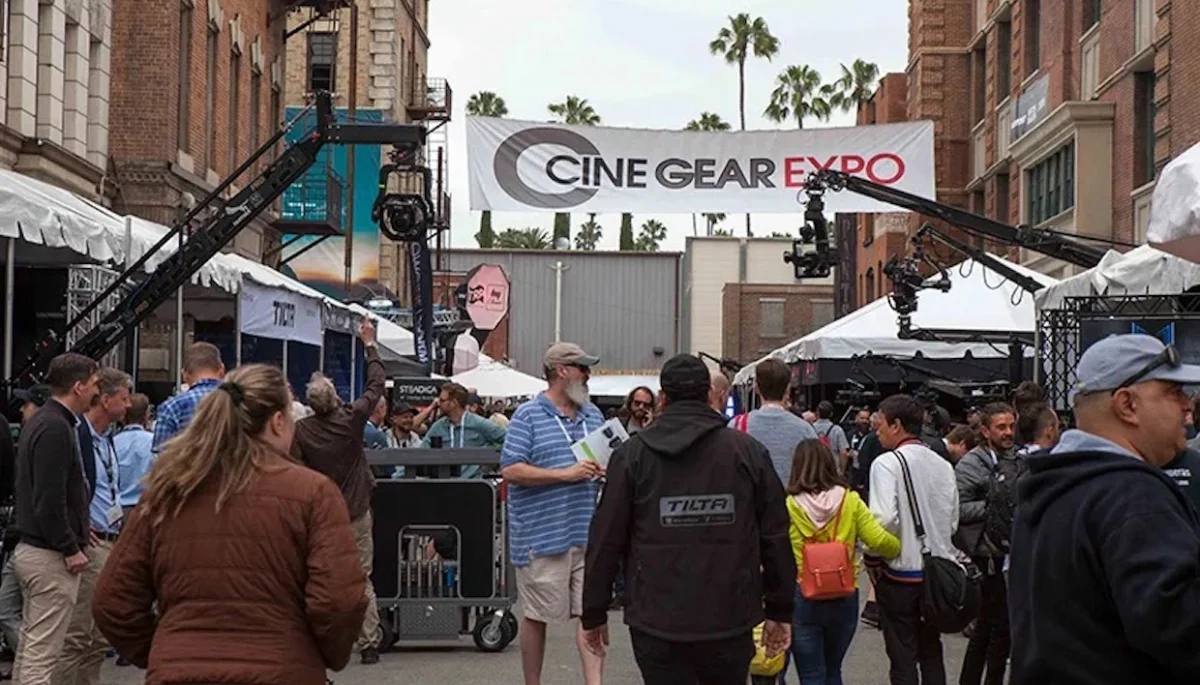
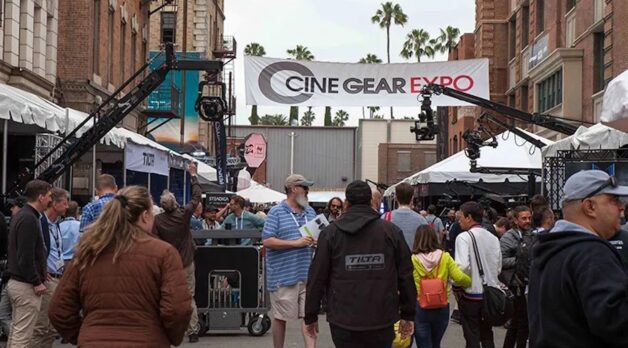
The annual Cine Gear Expo, a premier gathering for the motion picture and entertainment technology industry, recently concluded its 2026 edition at the Universal Studios Lot in Los Angeles. The two-day event, renowned for its focus on the art and science of cinematography, once again served as a vibrant hub for industry professionals to explore the latest advancements in equipment, exchange insights, and foster community connections. Unlike larger, more diversified trade shows that encompass broader video and broadcast technologies, Cine Gear maintains a dedicated emphasis on cinematic production, fostering an atmosphere of focused innovation and collegiality that resonates deeply within the filmmaking community.
A Historic Venue for Cutting-Edge Technology
The Universal Studios Lot provided a quintessential Hollywood backdrop for the expo, allowing attendees to immerse themselves in the very environment where countless cinematic masterpieces have been brought to life. While previous iterations of Cine Gear were hosted at the Warner Bros. lot, offering a different historical resonance, the Universal setting facilitated a unique blend of professional networking and industry exploration. The layout, while extensive, necessitated strategic planning for attendees navigating between seminar areas and vendor tents, often requiring shuttle services to traverse the iconic backlot. This logistical element, reminiscent of the structured experience of a major film festival, underscored the event’s dual nature as both a professional showcase and a significant industry gathering. Despite the distances, the spirit of engagement remained high, with attendees readily embracing the opportunity to collect informational materials and promotional giveaways, notably the bright yellow Insta360 totes that became a ubiquitous sight.
Demographics and the Evolving Industry Landscape
The opening day of Cine Gear 2026 witnessed a noticeable presence of younger attendees, a demographic observation that sparked discussion among industry veterans. Alec Moeller, a recognized talent from the New Faces class of 2022 and an independent filmmaker, described his attendance as "ethnographic," seeking to understand the evolving pulse of the industry rather than solely focusing on new gear. Moeller, known for his preference for shooting on film and naturalistic lighting, noted the prevalence of young individuals, drawing a parallel to the "energy in the air" following the success of projects like Obsession and Backrooms – independent productions that have captured significant attention. This youthful contingent, often comprising film school students and aspiring freelancers, highlighted a generational shift and a renewed enthusiasm for the craft. It also suggested a potential diversification of skills and interests within the industry, where digital natives are increasingly exploring traditional film techniques while simultaneously pushing the boundaries of new media. Industry observers anticipated that the second day would likely attract a more established, union-card-carrying professional crowd, reflecting the varied segments of the Los Angeles film workforce.
Insights from Cinematographic Masters: The ASC Panel
A perennial highlight of Cine Gear is the American Society of Cinematographers (ASC) panel, and the 2026 edition did not disappoint. Featuring an impressive roster of 15 ASC members, the panel offered a rare opportunity to glean wisdom from some of the most respected figures in the field. Esteemed cinematographers such as Jeff Cronenweth (The Girl with the Dragon Tattoo, 2011), Rachel Morrison (Black Panther, 2018), Karl Walter Lindenlaub (Independence Day, 1996), and Natasha Braier (I Love Boosters, 2026) shared their perspectives. The session commenced with a montage showcasing over a century of iconic work by ASC members, a powerful reminder of the society’s enduring legacy and the profound impact of visual storytelling. A brief but impactful glimpse of John Toll’s Oscar-nominated work in The Thin Red Line (1998) underscored the panel’s rich historical context.
While the sheer number of panelists limited individual mic time for deep dives into their processes, their concise statements were remarkably illuminating. Steven Fierberg (Secretary, 2002) offered a philosophical take on the tactile nature of filmmaking, stating, "I believe in body consciousness. When you’re standing on the set, where does your body want to go with that camera? Often you don’t know why." This intuition, he suggested, is a critical, often subconscious, element of a cinematographer’s artistry. Natasha Braier shared a more personal insight, attributing her ability to tap into the unconscious in her work to her upbringing as the child of psychoanalysts and her experience growing up under a military dictatorship in Argentina, where communication was often layered with subtext. These diverse perspectives emphasized that cinematography is not merely a technical skill but a profound blend of instinct, personal history, and artistic interpretation.
The Rapid Evolution of Lighting Technology
Following the ASC panel, a significant portion of the expo was dedicated to the latest in lighting technology, a sector experiencing rapid innovation. Drew Moe and Jeffrey Taylor, gaffers from Local 728 and co-founders of the boutique rental house Canary Yellow (alongside Ryan Oppedisano), articulated their strategic approach to Cine Gear. "We’re here to talk to the vendors, hear their elevator pitches for the new products they’re trying to get out into the world, to see what we want to add to the fleet," Moe explained. Their objective underscores the critical need for rental houses and lighting professionals to stay abreast of technological advancements.
Moe highlighted the unprecedented pace of change in LED lighting, contrasting it with earlier eras. "Most of Hollywood’s history has just been tungsten, then HMIs, then fluorescent," he stated, noting that "That was a pretty slow timeline compared to what we have now. Every year they’re updating LED units with new chipsets or attachments. It’s an exciting time." This rapid evolution means that keeping a rental fleet current and competitive requires constant vigilance and investment. Moe expressed particular admiration for Aputure’s innovations, specifically mentioning their proprietary Blair CG color engine, a technology that had also garnered attention at the NAB Show in Las Vegas earlier in the year. Aputure’s focus on color accuracy and advanced control represents a significant step forward in giving lighting designers unparalleled creative freedom and precision.
Further demonstrating this innovation, Ian Peterson showcased V3, the latest update to the Blackout Lighting Console, to Moe and Taylor. V3 introduces visual control components, moving beyond the traditionally numerical interface of lighting commands. This optionality, while initially overwhelming, proved to offer a fluid and intuitive iPad-based control experience. This significant software update has the potential to differentiate Blackout from its competitors by enhancing user experience and streamlining complex lighting setups, making advanced control more accessible and efficient for gaffers and lighting technicians. The anticipated release of V3 later this year is keenly awaited by professionals seeking to optimize their workflow.
Bridging the Analog-Digital Divide: The Cinelux Sixteen
A compelling innovation that captivated many attendees was the Cinelux Sixteen, a groundbreaking 16mm camera developed by Cinelux Cinema Tools. On display as a prototype at the CSLA rental house booth, this camera marks the first new film camera developed in years and stands out as "the only camera designed to shoot film and digital simultaneously." Caz Voorhees, chief engineer of the Cinelux Sixteen, elaborated on its unique capabilities. The camera records to an SD card at 3.2k resolution, producing not only digital proxies but also a file with a film-emulation LUT applied, meticulously designed to approximate the look of the actual film footage.
Voorhees described the project as a "personal project" undertaken by a small, dedicated team over the past two and a half years. This hybrid approach aims to alleviate a common concern among producers when directors express a desire to shoot on film: the logistical challenges and time constraints associated with film processing and dailies. By providing simultaneous digital capture with a film-emulation look, the Cinelux Sixteen offers a practical solution that marries the aesthetic qualities of film with the efficiency of digital workflows.
The prototype at Cine Gear was the third iteration, with Voorhees estimating two more versions before the camera reaches a state ready for commercial release, projected for mid-2027. He explained that developing the digital capture element was relatively straightforward, thanks to readily available information on integrating sensors with computers and the use of a Sony sensor, eliminating the need to develop that component from scratch. The primary hurdle, however, has been the film magazine. "The magazine is really fucking difficult," Voorhees admitted, detailing the intricate challenge of moving film within an extremely confined space, requiring "zero friction" and precise engineering. Despite these complexities, Voorhees emphasized an open-source philosophy for the project, intending to make the magazine specifications available online for 3D printing, empowering users to "own the camera" and even self-produce components if needed. This commitment to user empowerment and transparency reflects a growing trend in specialized filmmaking tools.
The Art of Optics: Vintage Lenses and Anamorphic Innovation
The expo also highlighted the enduring appeal and technical advancements in cinematic optics, with two companies, Zero Optik and Atlas Lens Co., showcasing their unique contributions.
Zero Optik: Breathing New Life into Vintage Glass
Zero Optik, known for its expertise in rehousing vintage lenses, demonstrated the significant impact of marrying classic aesthetics with modern camera compatibility. The reporter recognized Zero Optik from a prior film shoot where they had rehoused a set of 1980s Canon FD lenses. The company’s journey began nearly a decade ago with Bausch & Lomb Ultra Baltar lenses from the late 1930s to early 1940s. These photography lenses, originally incompatible with film cameras equipped with mirror shutters, had been largely relegated to storage. Alex Baxter, Zero Optik’s operations manager, explained that "with digital cinema, all of a sudden you had all these new options," enabling these lenses to be adapted for contemporary use. These particular Bausch & Lomb lenses are a favorite of acclaimed cinematographer Ed Lachman, who utilized them for both El Conde (2023) and Maria (2024), underscoring their unique visual characteristics.
Beyond vintage adaptations, Zero Optik also rehouses new photography lenses from brands like Leica, Olympus, and Nikon, transforming them into "proper cinema lenses" with robust mechanics and standardized gear rings essential for film production. Their client base spans cinematographers, rental houses, and even prestigious organizations like the ASC, who commissioned Zero Optik to restore a set of Todd-AO 65mm prime lenses from the 1950s discovered in their archives. These iconic lenses, used on Hollywood classics such as Oklahoma! (1955) and The Sound of Music (1965), were meticulously restored with input from cinematographer Greig Fraser (Dune 2, 2024; Project Hail Mary, 2026) to ensure a consistent look across the set. These historically significant lenses are now exclusively available for rent through Keslow Camera, making cinematic heritage accessible to new productions.
Atlas Lens Co.: Anamorphic Visionaries
Atlas Lens Co. presented a compelling narrative of innovation born from firsthand industry experience. Cofounder Dan Kanes transitioned from a lighting technician to a DIT and ultimately a cinematographer. Recognizing a market gap during the advent of digital cinematography, Kanes developed wireless HD video transmitters, founding Paralinx, a company he later sold to Vitec Group and Teradek. Instead of personal indulgence, Kanes reinvested the proceeds into his true passion: anamorphic lenses, leading to the formation of Atlas Lens Co.
Their first anamorphic lens prototype debuted at NAB Show in 2017. In just nine years, Atlas lenses have gained prominence on major Hollywood productions, including Project Hail Mary (2026), Babylon (2022), and the forthcoming Dune: Part Three (2026), a testament to their optical quality and distinctive aesthetic. Atlas now offers three anamorphic lens lines: Orion, Mercury, and the recently announced Kaizen series.
The flagship Orion line provides a "vintage look that’s reminiscent of lenses from the 1970s and 1980s," but with a crucial modern refinement. Kanes explained that Atlas lenses possess "unique characteristics [counter] to what you might think an anamorphic lens can do, in that you’re able to hold people in focus across the frame." This contrasts with the "high field curvature" often found in vintage anamorphic lenses, which causes focus to fall off dramatically towards the edges. Atlas’s "quite parallel field curvature" allows for two- or even four-shot compositions where faces across the frame remain sharply in focus, providing greater creative flexibility for cinematographers.
The Kaizen Series Anamorphic lenses, designed for large sensor cameras such as the Fujifilm GFX Eterna 55, the Arri Alexa 265, or the Blackmagic Design Ursa Cine 17K, were announced at NAB Show earlier this year and have now begun shipping. Kanes emphasized that despite their large sensor optimization, these lenses perform exceptionally well on Super 35 or full-frame sensors, demonstrating their versatility across a range of modern digital cinema cameras.
The Enduring Value of Community and Knowledge Sharing
Beyond the technological showcases, Cine Gear Expo reinforced its reputation as a vital community hub. Cinematographer Chapin Hall, despite no longer being based in Los Angeles, makes a point to attend annually, calling it his "favorite trade show." He highlighted the strong sense of camaraderie: "It’s the most fun. The community’s great. Sometimes I can’t make it around the corner for two hours because I keep running into friends." This sentiment underscores the expo’s role not just as a marketplace for gear, but as an essential networking event where professional relationships are forged and sustained.
The expo concluded with a seminar featuring M. David Mullen, presented by Red Digital Cinema. Mullen, known for his generous contributions to cinematography.com forums, demonstrated his exceptional pedagogic ability. He expertly deconstructed a complex tracking shot from the third season of The Marvelous Mrs. Maisel (2019), meticulously explaining the positioning and movement of each of the four cameras involved. Such detailed technical analyses provide invaluable learning opportunities for attendees, from students to seasoned professionals.
The official wrap-up for many involved the annual ASC Clubhouse barbecue in Hollywood. After two demanding days of navigating the expansive Universal Studios lot and engaging with myriad vendors and panels, the opportunity to relax in good company, enjoying hot dogs, potato and pasta salads, barbecue chicken, and ribs, served as a perfect capstone. This social event brought into sharp focus the community and camaraderie that are the very heart of Cine Gear Expo, reminding everyone that while technology drives the craft, it is the shared passion and collective spirit that truly define the filmmaking industry.
Cine Gear Expo 2026 affirmed several key trends: the relentless pace of innovation in LED lighting, the growing demand for hybrid solutions that blend film aesthetics with digital efficiency, and the sustained interest in specialized optics, both vintage and newly engineered. The event showcased an industry that, while constantly evolving technologically, remains deeply rooted in its artistic traditions and its vibrant, interconnected community. The convergence of cutting-edge gear with a deep appreciation for cinematic history ensures that Cine Gear remains an indispensable event for anyone involved in the art of motion picture making.