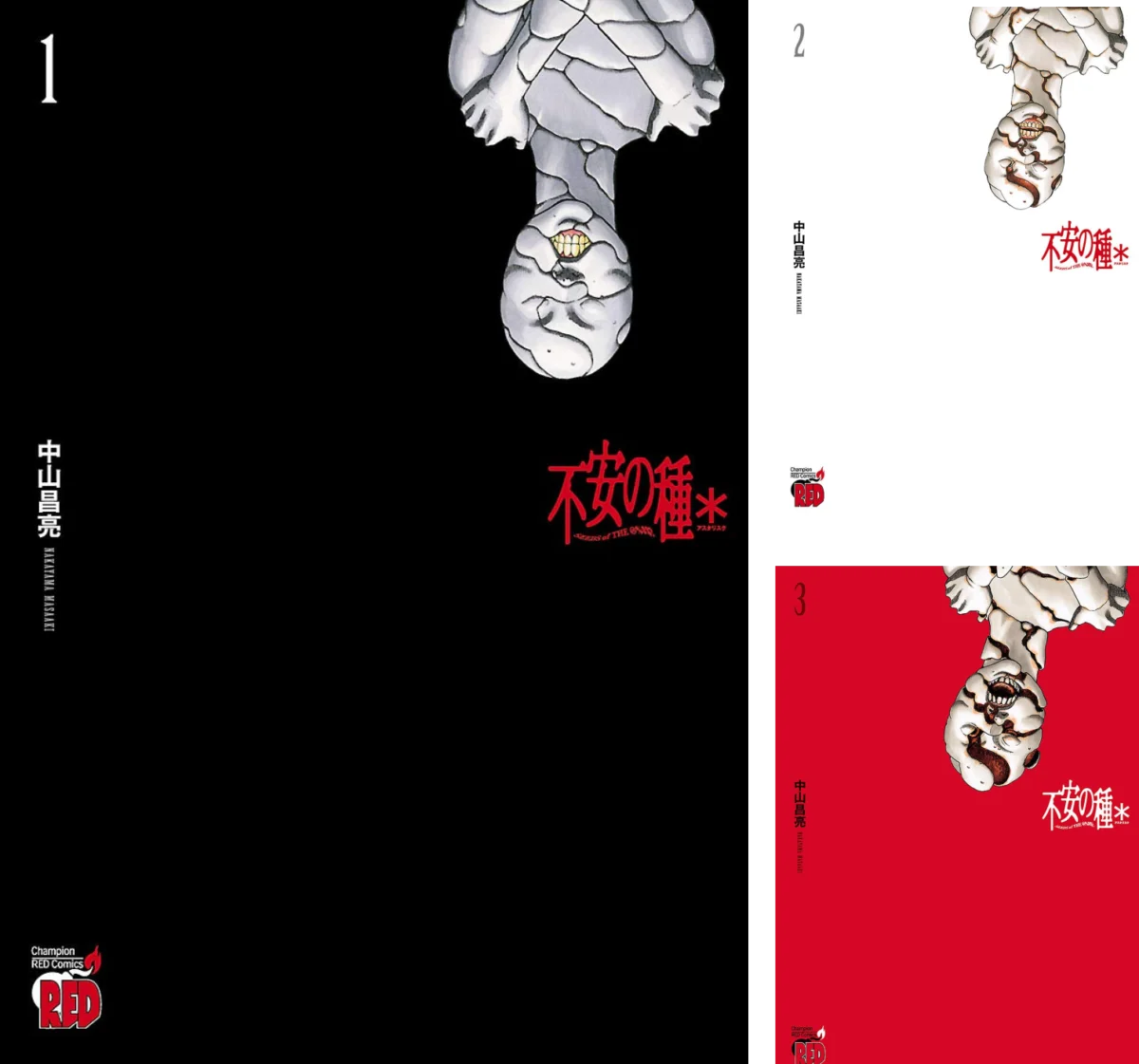
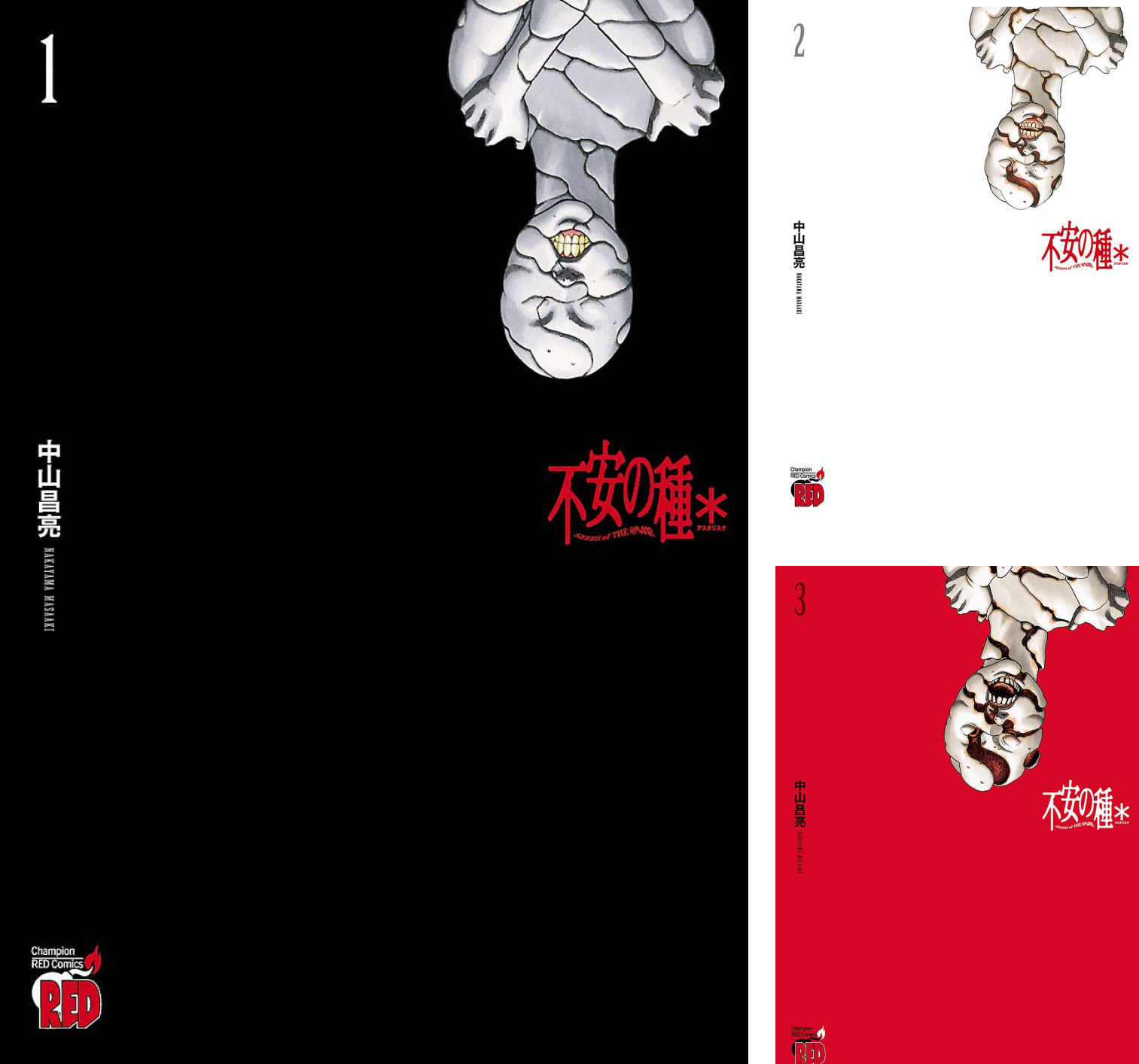
Yen Press has officially released the English translation of "Seeds of Anxiety – Asterisk," the inaugural volume in veteran horror and kaiki manga artist Masaaki Nakayama’s acclaimed collection of urban legends. This eagerly anticipated release marks a significant moment for Western readers, offering a fresh dive into a subgenre that has consistently captivated audiences, echoing the chilling essence of J-Horror cinema’s golden age. The first installment of this compilation of short stories on urban legends is designed to be both accessible and profoundly unsettling, promising to deliver the kind of long-forgotten dread that defined a generation of Japanese horror.
The Genesis of Anxiety: Masaaki Nakayama’s Enduring Vision
Masaaki Nakayama has long been a revered figure in the realm of Japanese horror manga, known for his ability to craft narratives that tap into primal fears through subtle unease rather than overt gore. His journey into documenting paranormal experiences began in the early 2000s with the original "Seeds of Anxiety" series, followed by the spin-off "Seeds of Anxiety – Plus." These early works established his distinctive style: short, self-contained narratives that explore inexplicable phenomena, often leaving the reader with a lingering sense of dread and unanswered questions. The series gained further recognition with a live-action adaptation directed by Toshikazu Nagae in 2013, solidifying its place within the broader J-Horror landscape.
Following this period of initial success, the "Seeds of Anxiety" franchise entered a prolonged hiatus. This pause, lasting several years, left fans eager for more of Nakayama’s unique brand of terror. The series’ eventual return, spurred partly by the global introspection and heightened anxieties of the pandemic era, saw its revival in the form of "Seeds of Anxiety – Asterisk." This continuation demonstrates Nakayama’s unwavering commitment to the themes of urban legend and supernatural unease, proving that some forms of horror are timeless. The decision by Yen Press to translate this latest iteration underscores its relevance and enduring appeal to a global audience.
A Deep Dive into the Uncanny: Thematic Elements of "Seeds of Anxiety – Asterisk"
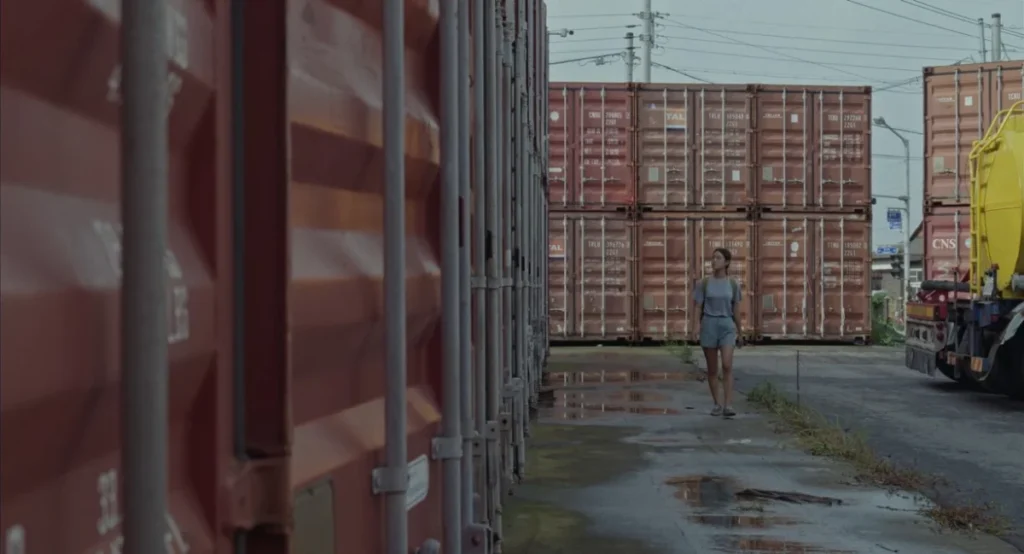
"Seeds of Anxiety – Asterisk" masterfully navigates the thin veil between the mundane and the monstrous, presenting readers with scenarios that feel unsettlingly plausible. The narratives often begin in seemingly ordinary settings—the quiet suburbs of the sprawling Tokyo megalopolis or the semi-abandoned urban fringes of Hokkaido. It is within these familiar backdrops that the extraordinary and terrifying manifest. Nakayama’s genius lies in his ability to imbue everyday encounters with an insidious horror: a strange woman in an empty train car asking if she looks pretty (a clear allusion to the infamous Kuchisake-onna, or Slit-Mouthed Woman), an elderly man whose eye sockets are void of light, or a mysterious stranger knocking on a door in the dead of night, bearing an unsettling resemblance to someone familiar yet unknown.
These occurrences are presented without logical explanation, forcing both the characters and the reader to confront the limits of rationality. Unlike horror that relies on explicit monsters or convoluted plots, Nakayama’s work thrives on ambiguity and psychological discomfort. The strength of these short stories lies in their relatability; the fear stems from the possibility that such events could unfold in one’s own life, turning the familiar into a source of profound dread. This approach aligns perfectly with the core tenets of classic J-Horror, which often prioritizes atmospheric tension and psychological terror over jump scares or graphic violence.
The Cultural Tapestry of Japanese Urban Legends: Tokyo and Hokkaido
A significant aspect of "Seeds of Anxiety – Asterisk" is its geographical grounding, with many accounts reportedly originating from the outskirts of Tokyo or Hokkaido. These two regions, as the article notes, hold a special, almost folkloric significance within Japan for their association with urban legends. This geographic specificity enriches the narratives, providing a deeper cultural context for the horrors depicted.
Tokyo, as one of the world’s largest and most densely populated cities, naturally becomes a breeding ground for urban myths. Its labyrinthine alleys, towering skyscrapers, bustling crowds, and hidden corners create an environment where anonymity thrives and the bizarre can easily hide in plain sight. The sheer volume of human interaction and the accompanying social complexities give rise to tales of strange individuals, unsettling encounters, and inexplicable phenomena that become embedded in the city’s collective consciousness. The "weirdos of all kinds" mentioned in the article are not just eccentricities but potential conduits for the supernatural, reflecting the anxieties inherent in hyper-urbanized existence.
Hokkaido, on the other hand, presents a starkly different yet equally fertile ground for urban legends. Its history is intertwined with the Meiji Restoration, a period of profound societal and political change in Japan. During this era, the central government forcibly annexed Hokkaido, displacing and decimating its indigenous Ainu people through pioneer (kaitakusha) settlement from Honshu. This violent historical trauma has given rise to a rich body of local legends, often centered around Ainu ghosts and deities said to still haunt the land that was violently taken from them. These tales carry a weight of historical injustice and spiritual retribution, adding a layer of poignant tragedy to the horror. Nakayama’s inclusion of Hokkaido-based stories thus taps into a deeper, more somber vein of Japanese folklore, connecting modern anxieties with historical grievances. This nuanced exploration of regional legends elevates "Seeds of Anxiety – Asterisk" beyond simple scare tactics, grounding its horror in cultural and historical realities.
Nakayama’s Artistic Signature: Vintage Allure and Modern Dread
The visual style of "Seeds of Anxiety – Asterisk" is another critical component of its appeal. Drawing heavily from the aesthetics of 1990s manga, Nakayama’s art evokes a sense of nostalgia while simultaneously delivering contemporary chills. This "vintage allure" is evident in the character designs, from the haircuts and fashion of the human protagonists to the depiction of the ghastly presences. The apparitions, often reminiscent of iconic J-Horror figures like Sadako from "Ringu," possess a timeless quality that resonates with fans of the genre.
Interestingly, Nakayama deliberately incorporates anachronisms that highlight this vintage feel while subtly acknowledging the passage of time. The example of customers taking food pictures with smartphones in what are implied to be early 2000s settings serves as a clever device. It grounds the stories in a slightly bygone era while simultaneously making them accessible to a modern audience, creating a disorienting blend of past and present that enhances the unsettling atmosphere. This stylistic choice suggests that the anxieties Nakayama explores are not confined to a specific period but are enduring aspects of the human experience. The artwork complements the narrative by emphasizing the understated, creeping horror, often relying on unsettling expressions, distorted figures, and shadowed environments to build tension rather than relying on explicit gore.
The Broader Landscape of Horror Manga: A Comparative Analysis
While "Seeds of Anxiety – Asterisk" firmly establishes its own identity, it exists within a vibrant ecosystem of horror manga. The article briefly contrasts it with Taro Kanafuro’s "Suburban Hell," another work that delves into urban legends. However, a key distinction is drawn: while Kanafuro’s work often ties urban legends to specific human archetypes and the social issues that breed psychopaths, Nakayama’s focus remains squarely on the spiritual and the paranormal. This distinction highlights Nakayama’s dedication to a purer form of supernatural horror, where the absence of a logical, human explanation is precisely what amplifies the terror. The characters’ inability to rationalize the events unfolding around them makes their accounts more relatable and, consequently, more terrifying.
For readers familiar with Nakayama’s other celebrated work, "PTSD Radio," "Seeds of Anxiety – Asterisk" will feel pleasantly familiar. "PTSD Radio," arguably his best-known manga among Western audiences, shares the episodic, self-contained short story format and the theme of vengeful presences disturbing the quiet lives of ordinary citizens. This consistency in theme and narrative approach provides a cohesive experience for Nakayama’s readership, reinforcing his reputation as a master of atmospheric dread. The success of "PTSD Radio" in the West likely played a role in Yen Press’s decision to bring "Seeds of Anxiety – Asterisk" to English-speaking markets, recognizing a proven demand for Nakayama’s unique brand of horror.
Yen Press and the Expanding Reach of Japanese Horror
The release of "Seeds of Anxiety – Asterisk" by Yen Press is indicative of a broader trend in the publishing industry: the increasing global demand for Japanese horror manga. Publishers like Yen Press play a crucial role in bridging cultural divides, making works from esteemed mangaka accessible to a wider audience. This commitment not only expands the reach of individual artists but also enriches the global tapestry of horror literature. The professional translation ensures that the nuances of Nakayama’s storytelling and the subtle terrors of Japanese urban legends are faithfully conveyed to English readers.
The market for horror manga in the West has grown exponentially, fueled by the enduring popularity of J-Horror films, anime, and the works of creators like Junji Ito, who has become a household name among horror enthusiasts. "Seeds of Anxiety – Asterisk" fits perfectly into this burgeoning market, offering a distinct flavor of horror that emphasizes psychological unease and atmospheric dread. Its focus on traditional urban legends and supernatural encounters provides a refreshing contrast to some contemporary horror trends, appealing to both seasoned fans of the genre and newcomers seeking an authentic Japanese horror experience.
Looking Ahead: The Future of Fear
With "Seeds of Anxiety – Asterisk" Volume 1 now available, readers are left with a compelling taste of Masaaki Nakayama’s unique vision and a palpable anticipation for the subsequent nine volumes. The release schedule for the remaining installments will undoubtedly be a topic of eager discussion among fans, who are keen to immerse themselves further in this world of unsettling encounters and inexplicable phenomena. The enduring power of urban legends, combined with Nakayama’s masterful storytelling and vintage aesthetic, ensures that this series will likely stand as a significant contribution to the horror manga genre.
The implications of this English translation are significant. It not only broadens Nakayama’s international readership but also solidifies his position as a crucial voice in contemporary horror, continuing the legacy of J-Horror for a new generation. As readers close the final page of "Seeds of Anxiety – Asterisk" Volume 1, they are left with a lingering sense of unease, a testament to the manga’s effectiveness. The hope that no Kuchisake-onna materializes on their next train ride is not just a playful thought but a testament to the series’ ability to permeate the everyday, turning ordinary moments into potential encounters with the terrifying unknown. This release is more than just a manga; it is an invitation to confront the anxieties that lurk just beneath the surface of modern life, delivered by a master craftsman of fear.