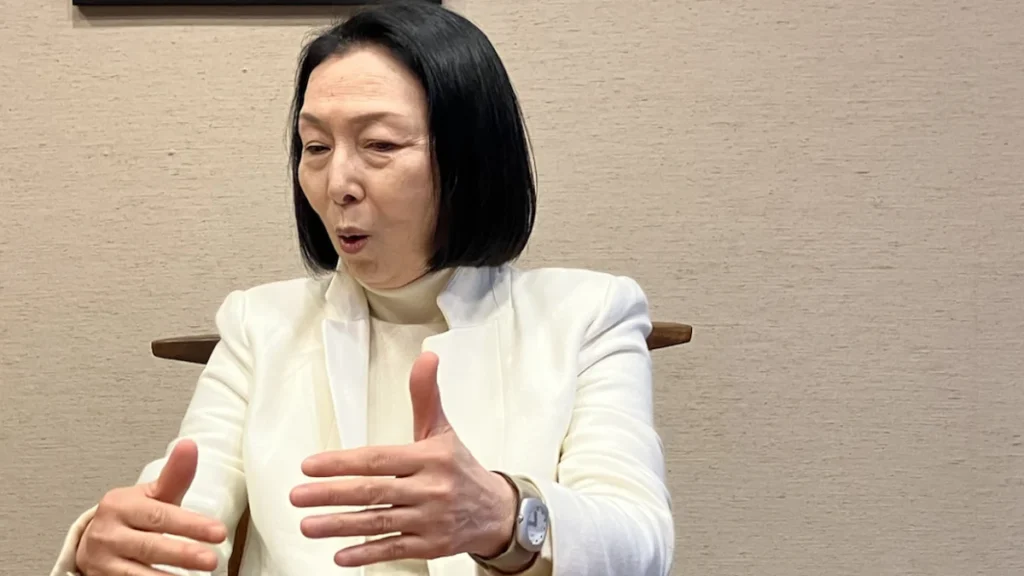
The Cannes Film Festival, a globally recognized nexus for cinematic excellence and industry discourse, annually transforms the French Riviera into a vibrant, albeit demanding, arena for filmmakers, critics, and industry professionals. For attendees, the festival presents a rigorous marathon of back-to-back screenings, intense networking events, and crucial deal-making, encapsulating both the privilege and the pressure of its esteemed platform. Amidst this demanding schedule, representatives like the Asia Society’s film curator diligently navigate the vast offerings, seeking out new releases and culturally significant repertory films to enrich their programming back home, particularly for their 258-seat theater at the New York museum.
Spotlight on ‘All of a Sudden’: A Deep Dive into Human Connection and Care
One of the most anticipated premieres at this year’s festival was Ryusuke Hamaguchi’s latest work, All of a Sudden. The Franco-Japanese co-production, widely acclaimed by early viewers, delves into the intricate and profoundly human friendship between Marie-Louise, portrayed by Virginie Efira, who manages a senior care facility in the Parisian suburbs, and Mari, a Japanese theater director played by Tao Okamoto. The film stands as a testament to Hamaguchi’s signature style, characterized by nuanced character studies and dialogues that explore the depths of human relationships and societal structures.
Marie-Louise’s professional life is consumed by her efforts to implement a new care protocol known as Humanitude within her facility. Humanitude is a real-world, innovative program designed to rehumanize care for the elderly and vulnerable, emphasizing individual attention, gentle interaction, and respect for the patient’s autonomy and dignity. This contrasts with Mari’s artistic endeavor: staging an experimental theatrical production centered on Franco Basaglia, a revolutionary Italian psychiatrist. Basaglia is renowned for his pioneering work in the late 20th century that led to the abolition of "mancomio," or psychiatric asylums, in Italy, advocating for community-based mental health care and the destigmatization of mental illness.
The film’s exploration of these dual theses—one practical in a care setting, the other philosophical and historical in a theatrical context—is propelled by the compelling chemistry between Efira and Okamoto. Critics have lauded their performances, noting how their dynamic elevates the film into an extraordinarily life-affirming three-and-a-half-hour cinematic experience. The narrative unfolds through a series of profoundly earnest dialogues between the two women, touching upon their personal histories, the philosophy of chance, and the pervasive effects of capitalism on their respective fields and the broader world. Despite their almost identical names, Marie-Louise and Mari serve as both friends and foils, one operating on an institutional scale to enact change, the other pursuing a more personal and artistic path. Their eventual collaboration, born from their shared ideals and mutual understanding, exemplifies how individual efforts can collectively advance profound social goals.
The Legacy of Franco Basaglia and Institutional Contradictions
All of a Sudden‘s narrative prompts a deeper examination of Basaglia’s enduring legacy, particularly his critique of institutional care. Basaglia’s philosophy, as highlighted in John Foot’s biography, The Man Who Closed the Asylums: Franco Basaglia and the Revolution in Mental Health Care, resonates deeply with Marie-Louise’s struggles. A pivotal quote from Foot’s work underscores the film’s core themes: "As long as we are within a system our situation will remain contradictory: the institution is managed and denied at the same time, illness is ‘put into brackets’ and cured, therapeutic acts are refused and carried out… We are destined to inhabit the contradictions of the system, managing an institution which we deny."
This statement perfectly encapsulates Marie-Louise’s predicament within a for-profit care facility. She describes her work as an endeavor to create possibility from impossibility, constantly striving against—and within—the inherent limitations and often dehumanizing pressures of a capitalist structure. This mirrors Basaglia’s own journey when he initially took on the role of an asylum director, only to ultimately dismantle the very institution he managed, advocating for a radical shift in mental health care provision. The film thus not only tells a story of friendship but also opens a critical dialogue on the ethical challenges of care within modern economic systems.
A Resurfaced Masterpiece: The Restoration of Ken Russell’s ‘The Devils’

Beyond contemporary premieres, the Cannes Film Festival frequently celebrates cinematic history through meticulously restored classics. This year, one such highlight was the newly restored and extended original cut of Ken Russell’s notorious 1971 film, The Devils. The screening, presented by Warner Brothers’ new Clockwork label, was a significant event, reintroducing six minutes of footage previously deemed too obscene for its initial release in both Britain and the USA. British critic Mark Kermode, who discovered the missing footage two decades prior while producing a documentary on the film, introduced the screening, emphasizing the late filmmaker’s lifelong wish to see his complete vision realized.
The Devils, a bombastic and often shocking spectacle, is based on Aldous Huxley’s historical account, The Devils of Loudun. It depicts a 17th-century French convent where a group of nuns claims to be possessed by devils, allegedly at the behest of a charismatic, dashing priest, Urbain Grandier, played with virile intensity by Oliver Reed. The film provocatively turns the convent into a metaphorical asylum, exploring themes of religious hysteria, political intrigue, and institutional corruption.
For many, Russell’s films, including The Devils, shattered conventional perceptions of period dramas, demonstrating that historical narratives could be thrillingly alive and fiercely provocative rather than stuffy affairs. The most compelling aspects of this gruesome feature remain its electrifying performances, with Vanessa Redgrave’s writhing Mother Superior delivering a performance that more than matches Reed’s powerful verve. The film’s audacious critique of institutional contradictions and hypocrisies, specifically those embedded within the Catholic Church, renders its 2026 reintroduction particularly timely and ripe for new audiences to engage with its enduring relevance. Its restoration underscores the vital role of film preservation in safeguarding cinematic heritage and allowing future generations to experience artists’ uncompromised visions.
Cannes: A Global Hub for Diverse Voices and Cultural Exchange
The Cannes Film Festival’s "Village International," a collection of waterside tents housing international film institutions and market representatives, serves as a crucial platform for global cultural exchange. Amidst the demanding schedule of screenings, these pavilions offer unique interludes. One such event was a Tuesday evening performance by Sol Band at the Palestine Pavilion, a joyous musical interlude that provided a much-needed respite from the cinematic intensity. Such cultural events underscore the festival’s multifaceted role, extending beyond film screenings to foster broader cultural dialogue and solidarity.
The festival’s final days continue to showcase a diverse array of international cinema, signaling emerging talents and established masters alike. Among the films garnering attention are 9 Temples to Heaven, the moving feature debut by Sompot Chidgasornpongse, longtime assistant director to Apichatpong Weerasethakul, suggesting a continuation of Thailand’s distinctive cinematic voice. Kiyoshi Kurosawa’s eye-popping samurai epic, The Samurai and the Prisoner, promises a genre-bending experience from the acclaimed Japanese director. Na Hong-jin’s outrageous monster movie, Hope, continues South Korea’s strong tradition of genre innovation, while Clarissa, a clever and sumptuous adaptation of Virginia Woolf’s Mrs. Dalloway by the Esiri brothers, Arie and Chuko, demonstrates the enduring power of literary adaptation through a contemporary lens. These films collectively highlight the festival’s commitment to presenting a wide spectrum of narrative styles, cultural perspectives, and thematic explorations.
Implications for Global Cinema and Cultural Discourse
The selections and highlights from the Cannes Film Festival underscore several key trends in contemporary global cinema. The prominence of All of a Sudden reflects a growing interest in films that tackle complex social issues, such as elder care and mental health reform, within intimate character dramas. This signals a shift towards narratives that blend personal stories with broader societal critiques, resonating with audiences increasingly concerned with human dignity and institutional ethics. The French-Japanese co-production also exemplifies the festival’s role in fostering international collaboration, leading to films that bridge cultural perspectives and expand thematic horizons.
The meticulously restored version of The Devils serves as a powerful reminder of the importance of film preservation and the re-evaluation of historical works through contemporary lenses. Its re-release highlights how classic films can maintain, or even gain, relevance in addressing timeless issues of power, hypocrisy, and human nature. This also points to a growing market for high-quality restorations, driven by both cinephiles and academic interest in cinematic history.
Ultimately, the Cannes Film Festival remains a pivotal event, not just for the global film industry but for broader cultural discourse. It acts as a barometer for the themes and narratives that captivate filmmakers worldwide, offering a curated selection that challenges, entertains, and provokes thought. For institutions like the Asia Society, the festival is an invaluable scouting ground, ensuring that their audiences have access to cinema that is not only artistically significant but also culturally enriching and relevant to ongoing global conversations. The marathon of viewing and engagement at Cannes, despite its rigors, continually reaffirms cinema’s unique power to illuminate the human condition and inspire critical reflection on the world we inhabit.