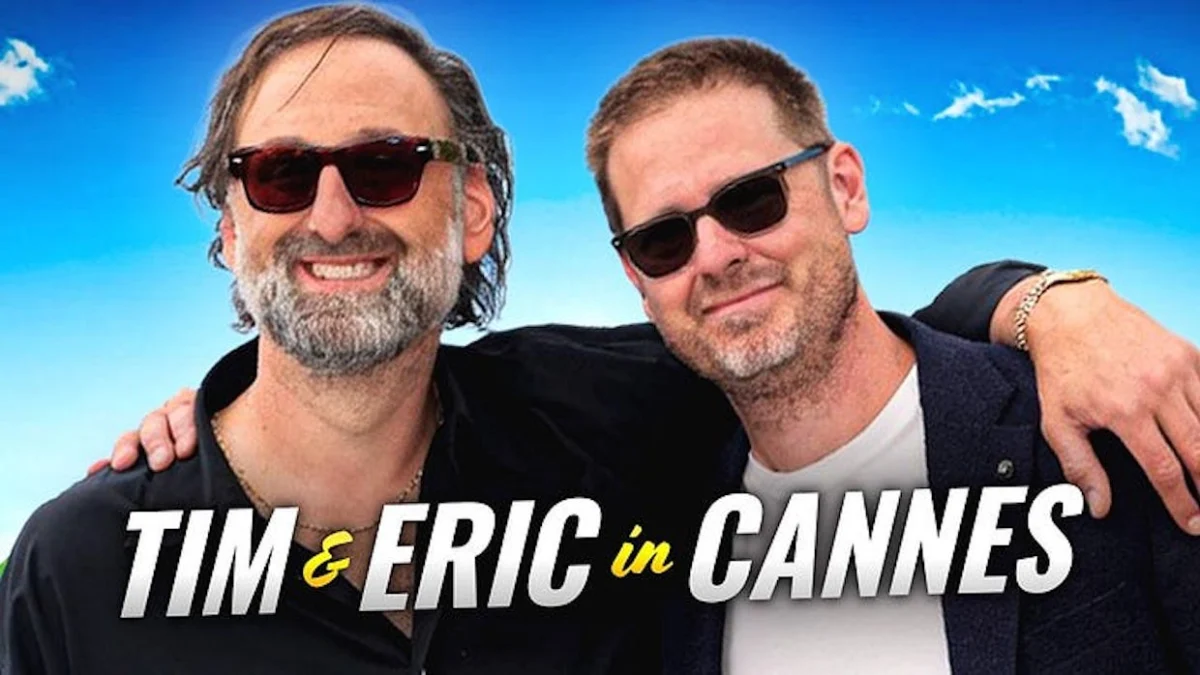
The 79th Cannes Film Festival, a prestigious global stage for cinematic artistry, welcomed an unlikely yet fitting pair this year: Tim Heidecker and Eric Wareheim. The comedic duo, revered for their distinctive brand of surrealist humor, premiered their latest collaboration in Quentin Dupieux’s highly anticipated film, Full Phil. Their presence underscored a fascinating convergence of avant-garde comedy and high-brow cinema, offering a unique perspective from artists who have consistently defied conventional entertainment norms.
From Philadelphia Roots to Digital Comedy Pioneers
The partnership of Tim Heidecker and Eric Wareheim began at Temple University in Philadelphia, where their shared sensibilities for the absurd quickly coalesced. Their early work laid the groundwork for a comedic style that would profoundly impact contemporary humor and internet culture. By the mid-2000s, they had cultivated a burgeoning following, leading to their seminal series, Tim and Eric Awesome Show, Great Job!
Debuting on Adult Swim in 2007, Tim and Eric Awesome Show, Great Job! ran for five seasons until 2010, becoming a cult phenomenon. The show was characterized by its low-fidelity aesthetic, bizarre characters, non-sequitur sketches, and often unsettling use of public-access television tropes. It was, as many "nineties kids" recall, an "illicit initiation rite" into a new comedic language. The series leveraged rudimentary special effects, jarring edits, and intentionally awkward performances to create a gleefully "psychoactive" image that permeated online forums, meme culture, and independent filmmaking. Its influence extended far beyond Adult Swim, shaping a generation of digital content creators and establishing Heidecker and Wareheim as "progenitors of the creator economy," a title they would later be afforded at Cannes. The duo’s production company, Abso Lutely Productions, founded in 2007, became a hub for like-minded comedic talent, fostering numerous innovative projects and further cementing their status as tastemakers in alternative comedy.
Divergent Paths and Evolving Artistic Ventures
Following the conclusion of Awesome Show, both Heidecker and Wareheim embarked on a diverse array of solo projects, demonstrating their individual artistic breadth while occasionally reuniting for special collaborations.
Tim Heidecker branched into multiple creative avenues, notably co-creating On Cinema at the Cinema in 2011 with Gregg Turkington. This multimedia psychodrama, which began as a web series, evolved into a complex, sprawling universe encompassing film reviews, a fictionalized music festival, legal battles, and political commentary, all filtered through Heidecker’s increasingly unhinged on-screen persona. On Cinema garnered a dedicated fanbase and critical acclaim for its satirical depth and innovative storytelling format, ultimately leading to the establishment of the HEI Network, a direct-to-consumer platform for their unique content. Beyond his comedic endeavors, Heidecker also pursued a serious music career, releasing six well-received rock albums that showcased a more earnest, introspective side of his artistry. In a surprising development in April 2026, Heidecker was announced as the new creative director of InfoWars, a move orchestrated by The Onion as part of a satirical takeover of Alex Jones’s propaganda empire, further blurring the lines between comedy, media, and political commentary.
Eric Wareheim, meanwhile, cultivated a persona as a true bon vivant. He authored cookbooks, ventured into winemaking, and most recently, established himself as a respected garden-plant guru. His culinary and viticultural pursuits reflected a sophisticated palate and an appreciation for craftsmanship, contrasting with the raw, often unpolished aesthetic of his early comedic work. His transition to horticulture, driven by personal reflection and a desire for new forms of fulfillment, saw him embracing the "beautiful art of studying bonsai" and even becoming an importer of exotic plants. Throughout these ventures, Wareheim maintained a presence in filmmaking, notably collaborating with French director Quentin Dupieux on two previous films, Wrong Cops (2013) and Reality (2014), establishing a creative bond that would eventually lead to their reunion at Cannes.
Quentin Dupieux’s Full Phil and the Cannes Debut
The occasion for Tim and Eric’s reunion was Quentin Dupieux’s Full Phil, one of two films by the prolific French filmmaker to debut at the 2026 Cannes Film Festival, alongside Vertiginous. Dupieux, a self-described "vulgar surrealist" and multi-hyphenate artist who also produces electronic music under the moniker Mr. Oizo, is renowned for his offbeat, existential meta-comedies. His films often feature deadpan humor, absurd premises, and a distinctive visual style, making his collaborations with Wareheim, and now Heidecker, a natural fit.
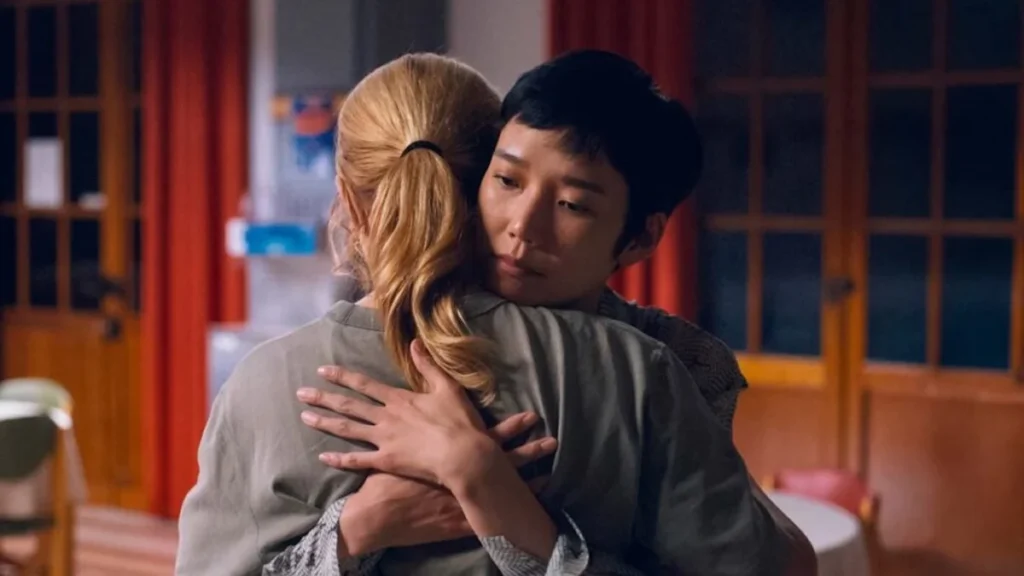
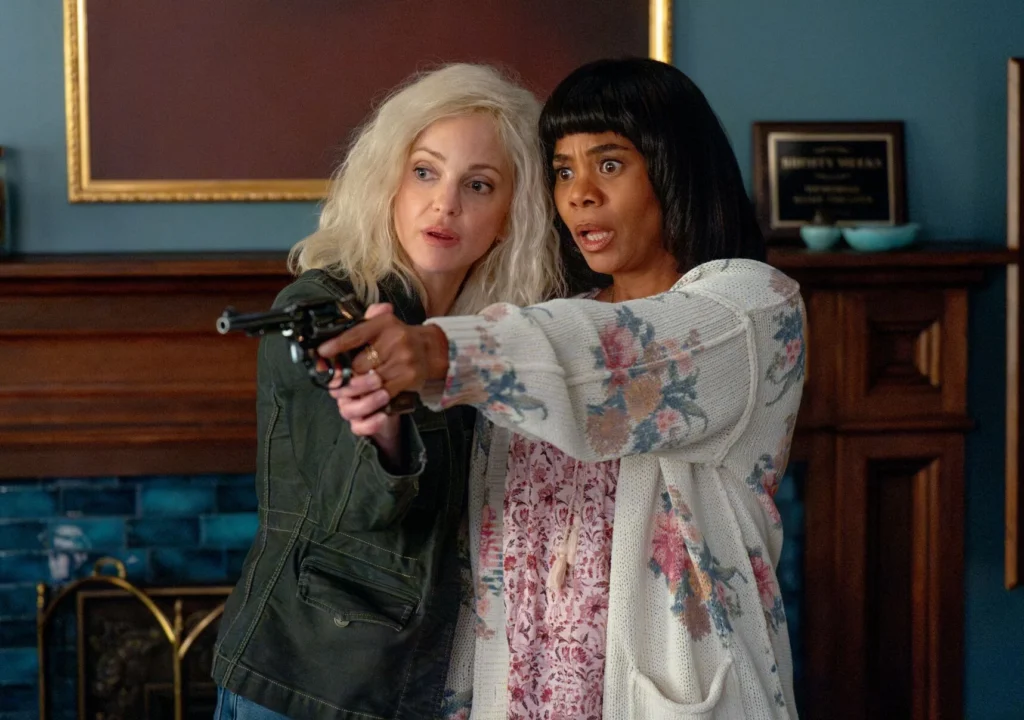
Full Phil, described by Dupieux as "Emily in Paris in hell," delves into the ill-fated attempt of a wealthy man, played by Woody Harrelson, to reconnect with his estranged daughter, portrayed by Kristen Stewart, during a lavish trip to the French capital. Instead of embracing her father’s overtures, Stewart’s character finds solace in gluttony, indulging in an array of "tender meats and cream-piled sweets" while engrossed in a black-and-white horror movie on a portable DVD player. Within this film-within-a-film, Heidecker and Wareheim deliver intentionally over-the-top performances as "screwy scientists" reminiscent of Victor Frankenstein. Their characters expertly chew the scenery, pursuing a "Creature from the Black Lagoon"-esque reptilian monster that, in turn, devours the heads of its "cartoonishly terrified victims." The film’s inclusion in the Cannes midnight premiere section, typically reserved for genre-bending and often provocative features, underscored its unconventional nature and Dupieux’s unique vision.
A Maverick Duo’s Candid Impressions of Cannes
Ahead of Full Phil‘s midnight premiere, Heidecker and Wareheim shared their unfiltered thoughts on the festival experience during an interview. Their reflections provided a stark contrast between the festival’s gilded grandeur and their own independent, often subversive, artistic sensibilities.
Heidecker, fresh from an IndieWire keynote at the festival’s American Pavilion where he and Wareheim were lauded as "progenitors of the creator economy" – a nod to their long-standing commitment to independent production through Abso Lutely – found the festival profoundly "surreal." He recounted a serendipitous encounter on the plane with Lawrence Bender, the producer behind early Quentin Tarantino classics like Reservoir Dogs (1992), which amplified the dreamlike quality of his first Cannes experience. However, this awe was tempered by a healthy dose of skepticism. Heidecker likened Cannes to "The Grove if it was the size of Disney World," criticizing the "absurd" attire of attendees and the "silly" formality of wearing tuxedos to watch movies. He voiced suspicion toward the intentions of many participants, stating, "it seems like a lot of people without the best intentions." He even humorously expressed a desire for the audience to "boo" their film, embracing the potential for a raucous, uninhibited reception.
Wareheim, in contrast, expressed unbridled enthusiasm for his Cannes debut. "I came in so thrilled to do this. I have zero plans, which is a new technique I’m trying," he remarked, embodying his bon vivant persona. He acknowledged the long-held aspiration, stating, "We grew up wanting to do this festival." While he appreciated the "formality" as a refreshing change from casual home viewing, he shared Heidecker’s sense of the surreal, particularly given their journey from niche comedy to the global cinematic stage. The prospect of premiering Full Phil in a 2,300-seater theater was both exciting and daunting, though Wareheim noted Dupieux’s assurance that the experience would be "fun" and "raucous."
Behind the Scenes of Full Phil: Collaboration and Creative Process
The collaboration on Full Phil highlighted both the established rapport between Wareheim and Dupieux and Heidecker’s fresh immersion into the French director’s unique world. Wareheim recounted his initial connection with Dupieux stemming from the director’s music (as Mr. Oizo) and Dupieux’s admiration for Tim and Eric Awesome Show, Great Job! "The way he worked was similar to Tim and I: very fast, he did everything, shot, edited," Wareheim explained, underscoring their shared DIY ethos. Their bond deepened over the years, leading to previous film collaborations and a "little brotherhood," where they affectionately refer to each other as "beards."
For Heidecker, Full Phil marked his first direct collaboration with Dupieux. The process was remarkably swift, involving a four-day shoot in Paris. Heidecker described the experience as "wonderful," characterized by "long lunches, short days," and Dupieux’s hands-on approach to every aspect of production. Their roles as "screwy scientists" in the film-within-a-film demanded a specific, deliberately theatrical performance. Heidecker noted Dupieux’s guidance, which included references to classic Universal horror directors like James Whale (Frankenstein, Bride of Frankenstein) and a request for a "big mid-Atlantic accent," which Heidecker readily adopted.
The script and language dynamics added another layer of intrigue to the production. Dupieux, who writes in French and then uses a translator, presented a unique challenge. Wareheim recalled this from earlier collaborations, noting how the translated dialogue could make everyone sound "odd," inadvertently contributing to the surreal atmosphere. The duo confirmed they never received the full script, only their specific "sides," a common practice in film but one that further immersed them in Dupieux’s contained, idiosyncratic universe. Heidecker, with characteristic irreverence, confessed, "Truly the last thing in the world I ever want to do is read a script. It’s the biggest drag." This preference for focused instruction over extensive background reading aligned with Dupieux’s lean production style. Both actors acknowledged Dupieux’s emphasis on learning their lines, a departure from their own improvisation-heavy projects, but one they embraced. Wareheim also highlighted Dupieux’s old-fashioned camera moves, synchronized with lines, which further dictated their performances.
Beyond Cannes: Future Projects and Industry Discontent
The interview also offered insights into their individual burgeoning careers and their shared frustrations with the traditional entertainment industry. Wareheim discussed his role in Adam Wingard’s upcoming indie horror film, Onslaught, which he described as a return to Wingard’s roots after blockbuster successes like Godzilla x Kong: The New Empire (2024). Wareheim found the experience liberating, learning to "let go" as an actor and trust the director’s vision, a sentiment echoed by Heidecker, who values professionalism on set: "Be on time. Be polite, helpful, respectful. I always feel, that way, I can fail in other ways and I won’t disappoint." Heidecker himself faced a challenging "one-take" Steadicam shot on his upcoming film Atropia (2025), highlighting the technical demands even seasoned actors encounter.
Despite their divergent paths, the duo’s collaborative spark remains potent. Heidecker noted, "We don’t work together as much anymore… But today, as soon as we got together, we were shooting stuff." They relished the humor in their relative anonymity at Cannes, contrasting it with the fervent attention given to mainstream celebrities. Heidecker mused, "what’s the difference between us and Emma Mackey… Tim and Eric changed the course of American comedy, and nobody is interested." This observation underscored a perceived disconnect between their significant cultural impact and the celebrity-driven nature of a festival like Cannes.
Their reflections extended to the challenges of navigating the contemporary media landscape. Heidecker elaborated on the decision to step away from Abso Lutely Productions. Originally a vehicle for their own content, the company expanded to produce others’ work. However, changes in network deals post-COVID, with more content being produced in-house, made maintaining a large independent production company financially challenging. Abso Lutely was eventually sold to Jimmy Miller’s company, which also acquired the UCB Theatre brand, with a focus now on stand-up specials. Heidecker lamented that it "seems like it’s hard to get the good stuff made right now, the weird stuff."
This frustration fueled Heidecker’s strategic shift with InfoWars. He pitched The Onion on a direct-to-consumer model, leveraging the HEI Network blueprint to fund independent content. This approach bypasses the "development hell" they experienced with traditional studios, such as an FX show stuck in a "grad student program" of endless questions and second-guessing. Wareheim echoed this sentiment, stating that such experiences have pushed both of them towards prioritizing "our own thing" to ensure their creative vision is accurately represented on screen. The InfoWars venture, while initially a finite parody, is envisioned as a "proof-of-concept" for sustained independent content creation. The real-world impact of this parody was evident in Alex Jones’s on-air denouncement, where he infamously labeled them "demonic pedophiles," a reaction Heidecker found "so funny" due to Jones’s inability to grasp the meta-humor.
Eric Wareheim’s Green Thumb: A Post-Food World
Wareheim offered a deep dive into his thriving new career as a "garden-plant guru," a significant pivot from his earlier culinary passions. He explained that a series of personal reflections led him to seek fulfillment beyond the restaurant scene, which he found "expensive and just not fulfilling anymore." His journey led him to the meditative practice of studying bonsai and cultivating rare plants.
Wareheim described his new venture as taking "really interesting plants and put[ting] them in really interesting vessels," an aesthetic pursuit that unexpectedly blossomed into a business. He now actively imports plants, with "three shipping containers from France on the water," a testament to his dedication and success. He illustrated his passion with a vivid description of Australian grasstrees, which "look like Joshua trees but burnt," having evolved to protect themselves from brush fires with their distinctive black skin. This new life has transformed his personal habits; he now frequents botanical gardens instead of restaurants, proclaiming himself to be "in a post-food world." He philosophically connected his diverse pursuits—comedy, winemaking, and horticulture—as all striving to give someone "this beautiful feeling," a purpose he finds more rewarding than "selling crack."
Conclusion: Enduring Influence and Independent Spirit
Tim Heidecker and Eric Wareheim’s appearance at the Cannes Film Festival for Full Phil was more than just a red-carpet moment; it was a testament to their enduring influence on comedy and their unyielding commitment to independent artistry. From their groundbreaking work on Adult Swim to their individual ventures into music, political satire, and even horticulture, they continue to carve out unique spaces within the entertainment landscape. Their candid observations on Cannes, coupled with their shared frustrations with traditional industry gatekeepers, underscore a broader shift towards creator-driven content and direct engagement with audiences. As they navigate an evolving media ecosystem, Tim and Eric remain emblematic figures, consistently pushing boundaries and proving that their distinctive brand of "chaotic-good surrealism" has a place on even the most prestigious global stages. Their journey reflects a resilient spirit of innovation, ensuring their continued relevance and impact for years to come.