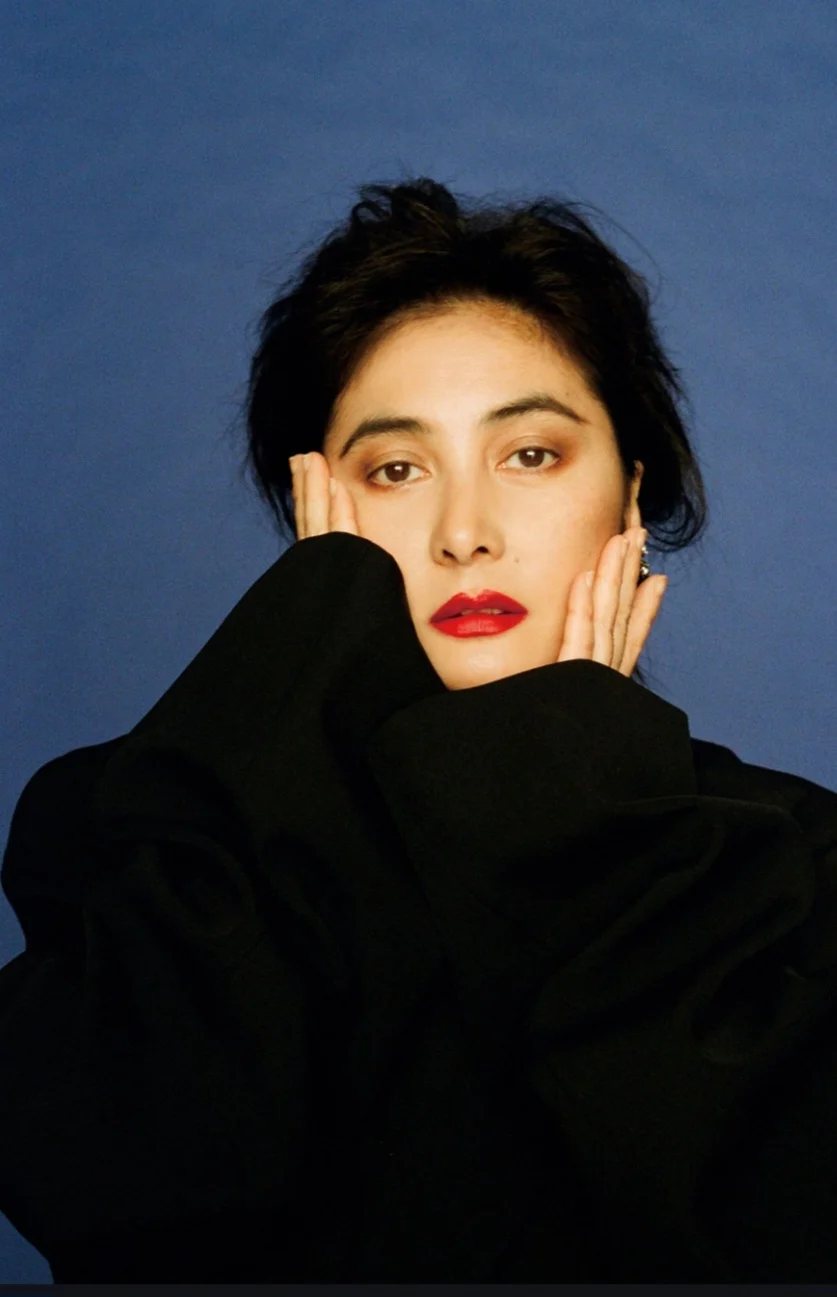
Hong Kong actress, singer, and producer Josie Ho is being celebrated at the 30th edition of the Bucheon International Fantastic Film Festival (BIFAN), where she was bestowed with the prestigious Fantastic Icon Award. This esteemed accolade recognizes her distinctive and boundary-crossing career, marked by a fearless embrace of genre cinema, cult movies, and performances that consistently challenge conventional narratives. Adding to her significant presence at the festival, Ho also presided over the world premiere of her latest mystery-horror production, "The Mage," a film that intricately weaves supernatural storytelling with incisive social commentary on contemporary Hong Kong. Her dual recognition at BIFAN underscores her enduring impact on Asian cinema, not only as a formidable performer but also as a visionary producer shaping the landscape of independent filmmaking.
A Career Defined by Audacity and Artistic Independence
Josie Ho’s artistic journey has been anything but conventional, charting a path defined by bold choices and an unwavering commitment to independent cinema. Born into one of Asia’s most prominent families as the daughter of Macau casino magnate Stanley Ho, she consciously forged her own identity, shying away from the gilded cage of her lineage to cultivate a career rooted in artistic merit and risk-taking. Her early forays into entertainment saw her establish herself as a pop singer in the 1990s before transitioning seamlessly into acting, where she quickly garnered acclaim for her versatility and willingness to tackle complex, often dark, roles.
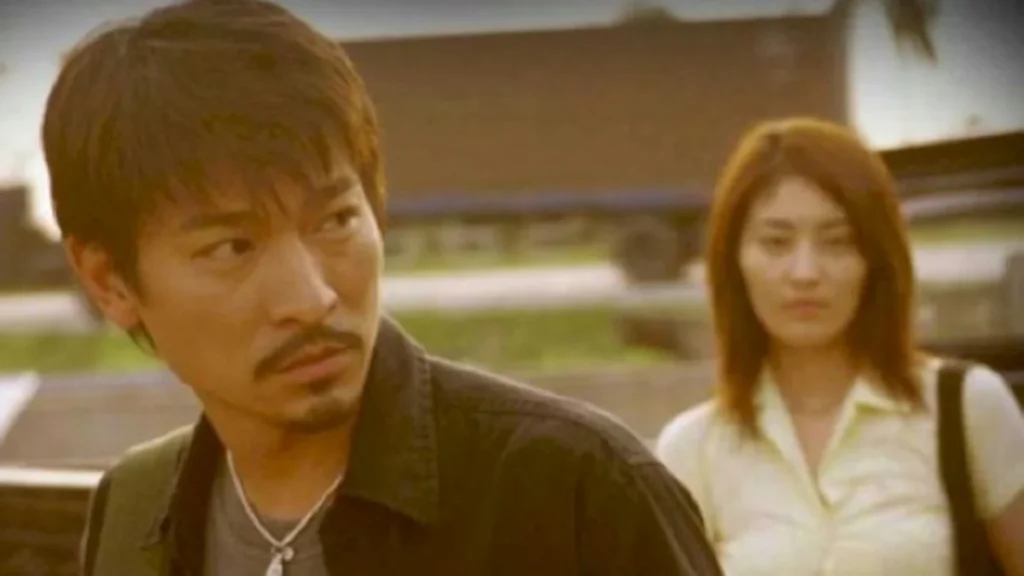
Her filmography is a testament to her eclectic taste and willingness to push boundaries. From her early work in comedies and dramas to her definitive embrace of genre cinema, Ho has consistently sought out projects that offer both artistic challenge and social resonance. Films such as "Exiled" (2006) by Johnnie To showcased her gritty presence in action thrillers, while her role in "Naked Ambition" (2002) explored more provocative themes, cementing her reputation as an actress unafraid of controversial material. However, it was perhaps her collaboration with director Pang Ho-cheung in the 2010 slasher-satire "Dream Home" that truly solidified her status as a cult icon. In "Dream Home," Ho delivers a chillingly powerful performance as a woman driven to horrific violence by Hong Kong’s cutthroat housing market, a role that deftly blended gore, class anger, and black humor, earning her critical acclaim and a devoted international following. Asian Movie Pulse, among others, lauded her performance for providing the disturbing emotional force necessary to anchor the film’s vicious social critique. This particular role epitomizes the "boundary-crossing performance" that the Fantastic Icon Award celebrates, demonstrating her ability to inhabit characters that are both unsettling and profoundly human.
Beyond her work in front of the camera, Ho has also made significant contributions as a producer. Through 852 Films, a company she co-founded with Conroy Chan and Andrew Ooi, she has actively championed projects that align with her interests in genre cinema, alternative culture, and independent production. This dual role as both a performer and a producer highlights her comprehensive understanding of the filmmaking process and her dedication to fostering unique cinematic voices within the industry. Her BIFAN honor, therefore, serves as a comprehensive recognition of not just her distinctive screen persona, but also her broader, multifaceted contribution to Asian genre filmmaking and its evolution.
Navigating the Future: Josie Ho on AI in Cinema
At a press conference held on July 3 in Bucheon, Ho delved into one of the most pressing and contentious debates currently facing the global film industry: the burgeoning role of Artificial Intelligence (AI) in cinematic production. Her unique position as both a seasoned actress and an experienced producer provided her with a nuanced perspective on the multifaceted implications of AI-assisted filmmaking.
When directly asked about AI’s potential to replace actors, Ho articulated a thoughtful stance, stating, "There is a lot of discussion about AI replacing actors, but I would say I am about 78 percent against it." This figure, while specific, reflects a pragmatic apprehension rather than an outright rejection. She acknowledged the potential utility of AI in specific, limited situations, such as assisting productions grappling with tight budgets, supplementing certain shots that are difficult or expensive to capture conventionally, or providing solutions when reshoots become logistically impossible. These applications, she implied, could serve as valuable tools to enhance efficiency or overcome practical constraints within the production pipeline.
However, Ho drew a firm and unequivocal line when it came to the essence of human performance itself. "There are certain scenes that AI can never act," she asserted, emphasizing that "In those moments, human actors are ultimately necessary. I hope the film industry continues to recognize the value of human performers." This distinction is crucial, differentiating AI as a technological aid from AI as a creative replacement. Her comments resonate deeply with the concerns voiced by countless performers globally, particularly in the wake of recent industry-wide strikes by unions like the Writers Guild of America (WGA) and the Screen Actors Guild – American Federation of Television and Radio Artists (SAG-AFTRA). A central demand of these movements was the establishment of robust protections against the unregulated use of AI to replicate actors’ images, voices, and digital likenesses without fair compensation or consent.
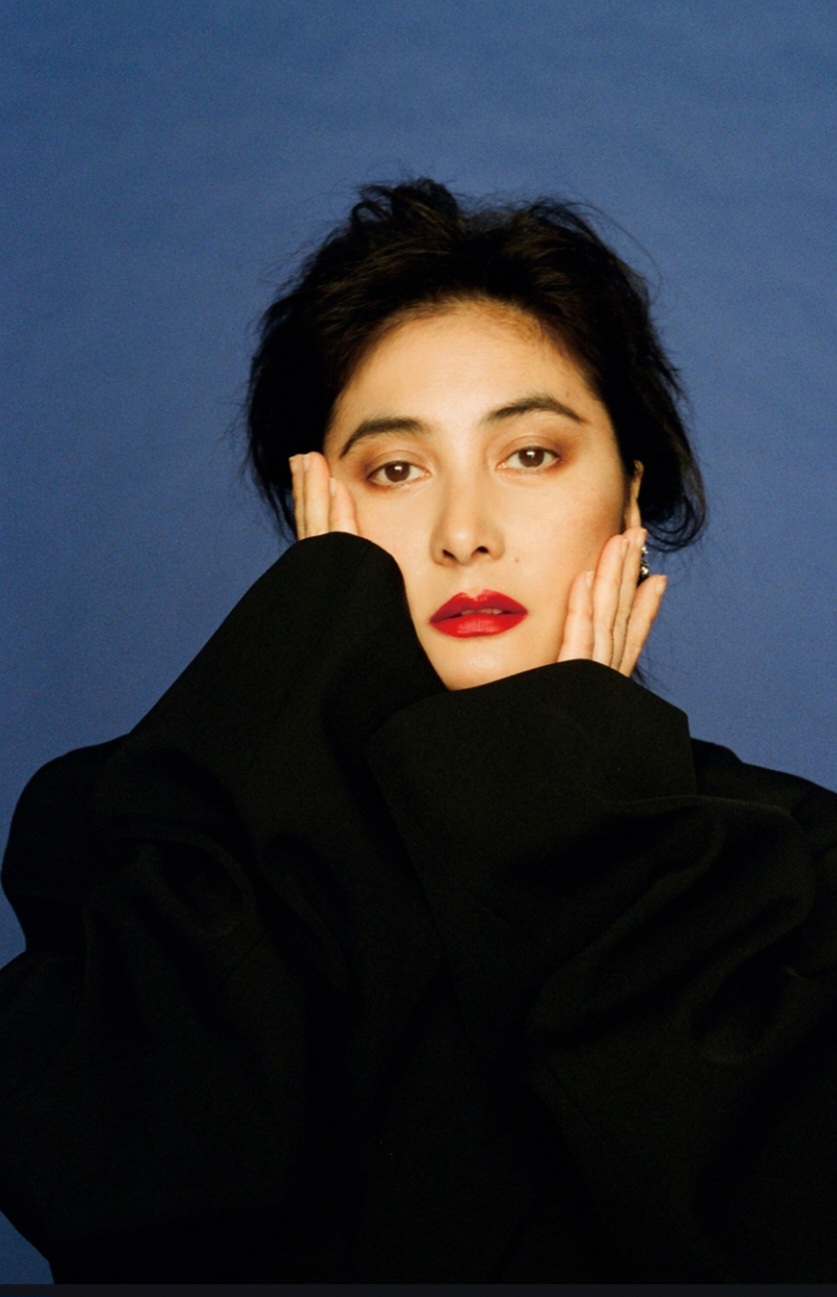
Ho’s perspective is not one of complete technological Luddism but rather a call for ethical integration and fair valuation. She articulated the issue fundamentally as one of labor, value, and recognition. "Even if a film uses a lot of AI, I think I could still appear in it if the value of the actor is recognized and actors are properly compensated," she explained. This statement shifts the focus from an existential threat to a question of economic justice and intellectual property rights. The core challenge, as she framed it, lies in "how we evaluate the value and labor of actors in films that use AI." This echoes broader industry discussions about creating new contractual frameworks and compensation models that account for the creation and use of digital assets derived from human performers, ensuring that artists receive fair remuneration for their likenesses and contributions, even when augmented or manipulated by AI.
"The Mage": A Supernatural Lens on Societal Ills
Adding another layer to her festival appearance, Josie Ho presented the world premiere of "The Mage," a project that perfectly encapsulates her artistic sensibilities for genre filmmaking infused with social relevance. The film introduces audiences to Lan, a sorcerer with the unique ability to communicate with spirits intrinsically linked to discarded objects, and a pragmatic detective who adheres strictly to logic and empirical evidence. Their disparate approaches converge as they embark on an investigation into a series of mysterious deaths, leading them into a labyrinth of supernatural phenomena and human intrigue.
"The Mage" is distinguished by its innovative narrative approach, combining the characteristically eerie and atmospheric horror often associated with the Pang Brothers (known for films like "The Eye" from 2002) with the tense, methodical structure of a police procedural. This fusion creates a compelling backdrop for Ho’s unusual role as a spiritual mediator, a character tasked with listening to the silent narratives of the deceased through the mundane objects they leave behind.
Ho revealed that the originality of the premise was a primary draw for her to the project. She elaborated on the challenging nature of her role: "The character I play, Lan, believes that when someone dies in an accident, their spirit enters the object closest to them." This conceptual framework presented a unique acting challenge, requiring Ho to perform in many scenes as if an inanimate object were another sentient performer. "There were many emotions and methods of performance I was experiencing for the first time," she shared, highlighting the profound artistic demands of portraying such a character. Beyond the technical challenges, Ho was also deeply attracted to the film’s profound questions about humanity and the spiritual realm.
Crucially, "The Mage" transcends mere genre entertainment to deliver a potent social message. Ho emphasized this aspect, stating, "The film talks about issues such as high property prices that are woven into fantasy and horror. Although it is fictional, it reflects reality, and I think audiences will be able to relate to that." This commentary on contemporary Hong Kong society, particularly its notorious housing crisis—a theme she previously explored with chilling effect in "Dream Home"—demonstrates Ho’s consistent commitment to using genre cinema as a vehicle for poignant social critique. The supernatural elements in "The Mage" thus serve not just to entertain, but to allegorically amplify the very real anxieties and pressures faced by ordinary citizens in a rapidly changing urban landscape.
BIFAN: A Platform for Fantastic Cinema and Future Visions
The Bucheon International Fantastic Film Festival, now celebrating its 30th edition, stands as a cornerstone event in the global genre film calendar. Established with a mission to explore and celebrate diverse forms of fantastic cinema, BIFAN has consistently championed films that push artistic boundaries, embrace emerging technologies, and offer fresh perspectives on horror, fantasy, sci-fi, and thrillers. The festival’s long-standing embrace of innovative cinematic techniques makes it a particularly fitting venue for discussions surrounding AI in film, reflecting its forward-thinking ethos while remaining deeply rooted in the expressive possibilities of genre storytelling.
BIFAN’s commitment to nurturing unique voices and showcasing daring films from around the world has solidified its reputation as a vital platform for both established and emerging filmmakers. Its "Fantastic Icon Award," presented annually, recognizes individuals whose careers have significantly contributed to the genre, celebrating those who have left an indelible mark through their distinctive artistic vision and unwavering dedication to the fantastic. Previous recipients often include directors, actors, and producers who have demonstrated a similar commitment to challenging cinematic norms and exploring the darker, more imaginative corners of human experience.
Josie Ho’s receipt of the Fantastic Icon Award at this milestone 30th edition of BIFAN is a resounding testament to her extraordinary career trajectory. It acknowledges her courage in selecting unconventional roles, her prowess in delivering memorable performances that resonate long after the credits roll, and her pivotal role in producing films that reflect her unique artistic vision. Her presence at the festival, coupled with the premiere of "The Mage" and her insightful commentary on AI, positions her not only as a celebrated artist but also as a thoughtful leader engaging with the most pertinent questions shaping the future of cinema. As the industry grapples with technological shifts and evolving creative paradigms, figures like Josie Ho, with their blend of artistic integrity and pragmatic insight, are crucial in guiding the conversation towards a future where human creativity and technological innovation can coexist and mutually enrich the cinematic experience.