The Karlovy Vary International Film Festival (KVIFF), one of the oldest and most respected cinematic events globally, recently hosted legendary actor Dustin Hoffman, whose presence ignited the festival’s 60th edition, coinciding with its 80th year of existence. Hoffman, the recipient of the prestigious Crystal Globe for Outstanding Artistic Contributions to World Cinema, captivated an adoring audience with profound insights into his career-defining role in The Graduate and the timeless relevance of the 1967 cinematic masterpiece. His appearance underscored the festival’s enduring commitment to celebrating the luminaries who have shaped the art form, while also providing a vibrant platform for contemporary and future talents.
A Cinematic Icon’s Return to the Spotlight
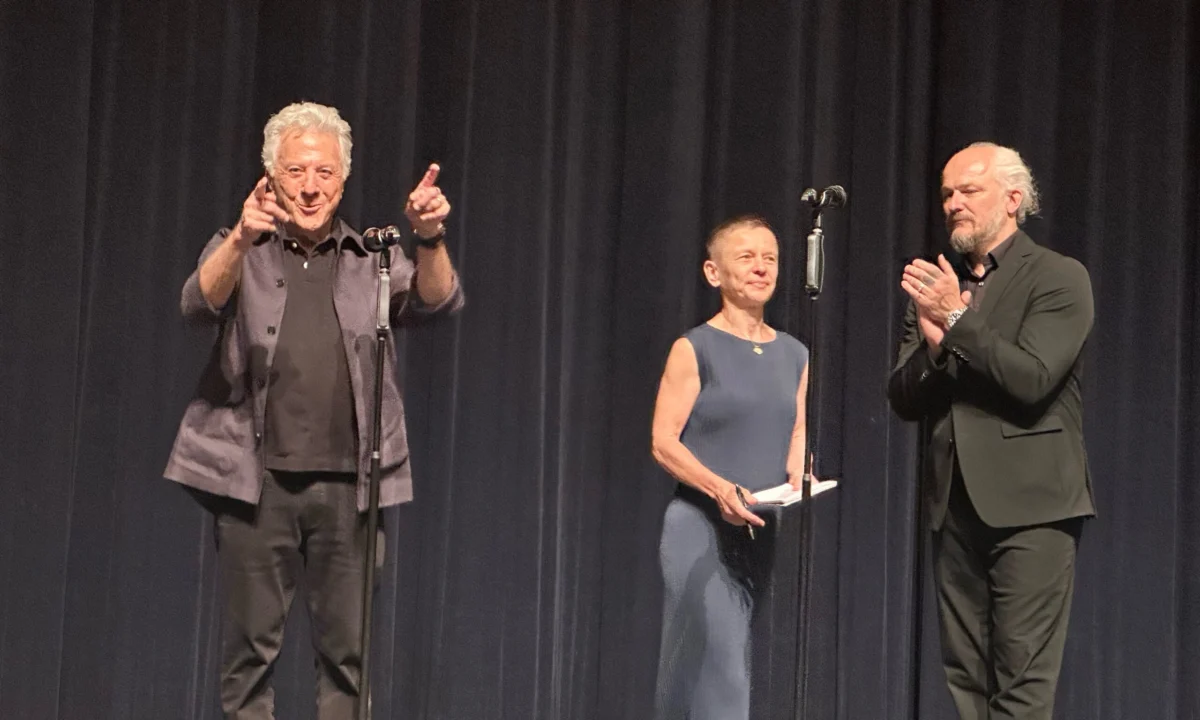
On a bustling Saturday, the Grand Hall of the Hotel Thermal, the architectural cornerstone and legendary headquarters of KVIFF in the historic Czech spa town, reverberated with a rousing standing ovation for Dustin Hoffman. The atmosphere was charged with anticipation as the two-time Academy Award winner, known for his indelible performances in films such as The Graduate, Kramer vs. Kramer, and Rain Man, stepped onto the stage. While the famous single word from The Graduate – "Plastics" – might humorously spring to mind, Hoffman offered a far more expansive and introspective dialogue with the thousands who gathered to hear him speak. His interaction with the audience transcended a mere Q&A, evolving into a masterclass on acting, serendipity, and the enduring power of storytelling.
The Unforeseen Genesis of a Classic: Casting The Graduate
Hoffman delved into the seemingly accidental circumstances that led to his pivotal role as Benjamin Braddock in Mike Nichols’ iconic film. He candidly recounted the challenging casting process undertaken by Nichols, whom Hoffman described as "the director of the moment," akin to a "Steven Spielberg today" in terms of influence and stature. Nichols, having already directed critically acclaimed works like Who’s Afraid of Virginia Woolf?, embarked on an extensive, nearly two-year search for the perfect lead. Hoffman revealed, based on Nichols’ later autobiography, that the director was on the verge of abandoning the project altogether, convinced he couldn’t find the right actor to embody the film’s conflicted protagonist.
"It was an accident," Hoffman reiterated, emphasizing the improbable timing of his audition. "Literally, the last day he was going to see people, it was my turn and Katharine Ross’ turn." This revelation highlighted the razor-thin margin by which cinematic history is often made. Had they auditioned earlier in the two-year search, Hoffman believes neither he nor Ross would have secured their iconic roles. This anecdote not only offered a glimpse into the capricious nature of Hollywood casting but also underscored the immense pressure and creative resolve required to bring groundbreaking stories to the screen. It painted a picture of a director on the precipice of giving up, only to discover the perfect embodiment of his vision at the eleventh hour, forever altering the trajectory of both Hoffman’s career and cinematic narrative.
The Enduring Resonance of The Graduate‘s Themes
Despite being released in 1967, and based on Charles Webb’s novella published in 1964, The Graduate‘s exploration of existential angst, generational disconnect, and societal pressures remains remarkably pertinent, according to Hoffman. He argued that the core issues addressed in the film are "actually the same" for young people today. He drew a parallel between the divided America of the Vietnam era, which intensified after the book’s writing, and the contemporary societal divisions witnessed across various nations. This comparison suggested that while the specific socio-political contexts may shift, the underlying human experiences of disillusionment and the search for identity remain constant.
Hoffman elaborated on the universal struggle of self-discovery that defines early adulthood. "I don’t think we know who we are when we are in our early 20s," he mused, adding, "And the idea is that we spend years trying to find out who am I, and I think I’m still trying to find out." This honest admission from a seasoned actor, now 86, resonated deeply with the audience, reinforcing the film’s timeless portrayal of an individual grappling with identity in the face of societal expectations. His words provided a profound commentary on the human condition, suggesting that the journey of self-discovery is not confined to youth but is a lifelong endeavor.
Beyond individual identity, Hoffman also highlighted The Graduate‘s incisive social commentary, particularly concerning the generation gap. He posited that the parents of the film’s era, having lived through the Great Depression of the 1930s where job scarcity was rampant, experienced a dramatic shift post-World War II. The war-fueled economic boom provided unprecedented opportunities for work and prosperity. However, this newfound material wealth often came at the cost of emotional connection. "Instead of giving themselves, they gave objects," Hoffman observed, concluding that "the generation that was living then was not given love – they were given objects." This analytical framework provided a socio-economic lens through which to understand the film’s critique of materialism and the resultant emotional void experienced by the younger generation, a theme that continues to echo in contemporary discussions about consumerism and intergenerational relationships.
Karlovy Vary International Film Festival: A Legacy of Excellence
The KVIFF’s decision to honor Dustin Hoffman with the Crystal Globe for Outstanding Artistic Contributions to World Cinema during its Friday opening ceremony was a fitting tribute to a career defined by artistic integrity and transformative performances. This year’s festival holds particular significance as it marks a double anniversary: its 60th edition in its 80th year of existence. Established in 1946, KVIFF is one of the world’s oldest film festivals, initially conceived to foster cinematic dialogue in post-war Europe. Over eight decades, it has evolved into a crucial cultural institution, particularly significant during the Cold War era as a bridge between Eastern and Western cinema. Its location in Karlovy Vary, a picturesque spa town renowned for its healing springs and baroque architecture, adds to its unique charm and appeal, drawing filmmakers, industry professionals, and cinephiles from across the globe.
The Crystal Globe, the festival’s highest honor, signifies KVIFF’s recognition of artists whose work has left an indelible mark on cinematic history, echoing the festival’s own long-standing commitment to artistic excellence and innovation. By celebrating figures like Hoffman, KVIFF reaffirms its position as a major European film festival, not only showcasing new talent and groundbreaking films but also revering the legends who have shaped the industry. The double anniversary serves as a powerful testament to the festival’s resilience, adaptability, and unwavering dedication to the art of film.
A Constellation of Stars Illuminates the Czech Republic
Hoffman’s attendance was part of a larger, star-studded roster that graced the KVIFF from July 3rd to 11th. The festival’s commitment to attracting top-tier talent was evident from its opening days. On Friday night, acclaimed actress Maggie Gyllenhaal, known for her powerful roles in films like The Lost Daughter and Secretary, was honored with the President’s Award, a distinction recognizing individuals who have significantly contributed to Czech and world cinema. The following day, actor Jesse Eisenberg, celebrated for his performances in The Social Network and A Real Pain, also received the President’s Award, further highlighting the festival’s appreciation for diverse and impactful cinematic careers.
The expanded red carpet, a testament to the festival’s growing international prominence, welcomed other luminaries such as the legendary Harvey Keitel, whose work in films like Mean Streets, Taxi Driver, and Reservoir Dogs has cemented his status as a cinematic titan. The coming days promised an even greater influx of talent, with acclaimed French actress Juliette Binoche, celebrated cinematographer Robert Richardson, versatile actor Jeffrey Wright, and the beloved couple Kevin Bacon and Kyra Sedgwick all scheduled to make appearances. This impressive lineup of A-list actors and filmmakers underscored KVIFF’s increasing allure as a premier destination on the global festival circuit, fostering a vibrant environment for networking, cultural exchange, and cinematic discovery.
Broader Implications and the Future of Cinematic Discourse
The presence of a figure like Dustin Hoffman at KVIFF extends beyond mere celebrity spectacle; it carries significant implications for the festival, the film industry, and cultural discourse. For KVIFF, attracting such an icon elevates its international profile, drawing increased media attention and bolstering its reputation as a serious contender among major European festivals. This visibility is crucial for securing funding, attracting new talent, and expanding its audience base. The festival, particularly in its anniversary year, leverages these high-profile appearances to highlight its rich history and its continued relevance in a rapidly evolving media landscape.
Hoffman’s reflections on The Graduate also underscore the enduring power of classic cinema. In an era dominated by streaming platforms, franchise films, and rapid content consumption, festivals play a vital role in preserving and celebrating cinematic heritage. By screening classics and hosting discussions with their creators, KVIFF encourages audiences to engage deeply with film as an art form, appreciating its historical context and its lasting impact on culture. This focus helps bridge generational gaps in cinematic appreciation, introducing timeless stories to new audiences while reminding veterans of their foundational influence.
Furthermore, Hoffman’s insights into the societal commentary embedded in The Graduate resonate with contemporary global challenges. His observation about the generational shift from "love" to "objects" provides a lens through which to examine current issues of materialism, consumerism, and the complexities of family dynamics in modern society. Film, as he demonstrated, serves as a powerful mirror, reflecting societal anxieties and offering avenues for critical introspection. In a world often characterized by division and rapid change, the ability of cinema to provoke thought, foster empathy, and illuminate universal human experiences remains as crucial as ever. KVIFF, by facilitating such profound discussions, reinforces its role not just as a showcase for films, but as a crucial forum for cultural dialogue and artistic enlightenment, solidifying its legacy for decades to come.