MUBI is embracing the spirit of 1980s slasher cinema with the upcoming release of Jane Schoenbrun’s highly anticipated film, Teenage Sex and Death at Camp Miasma. The Motion Picture Association (MPA) has officially slapped the film with an R rating, citing "bloody violence, gore, sexual content, graphic nudity, drug use and some language." This classification immediately signals the film’s commitment to delivering an uncompromised horror experience, aligning it with the boundary-pushing nature of its genre predecessors.
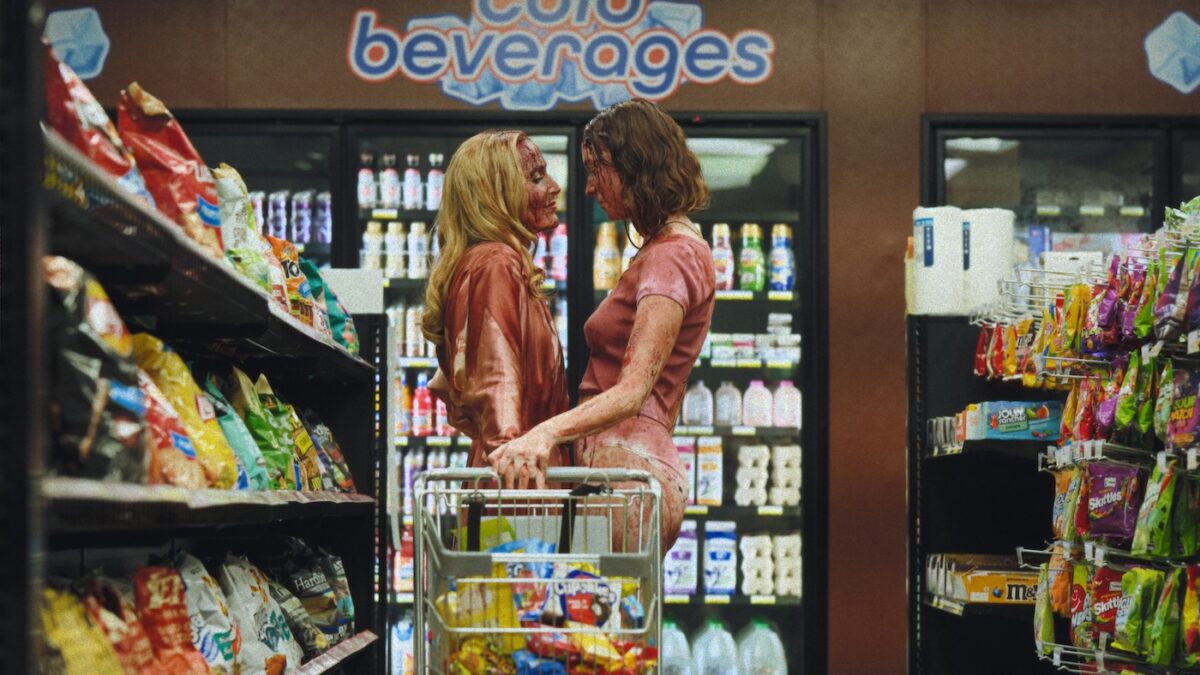
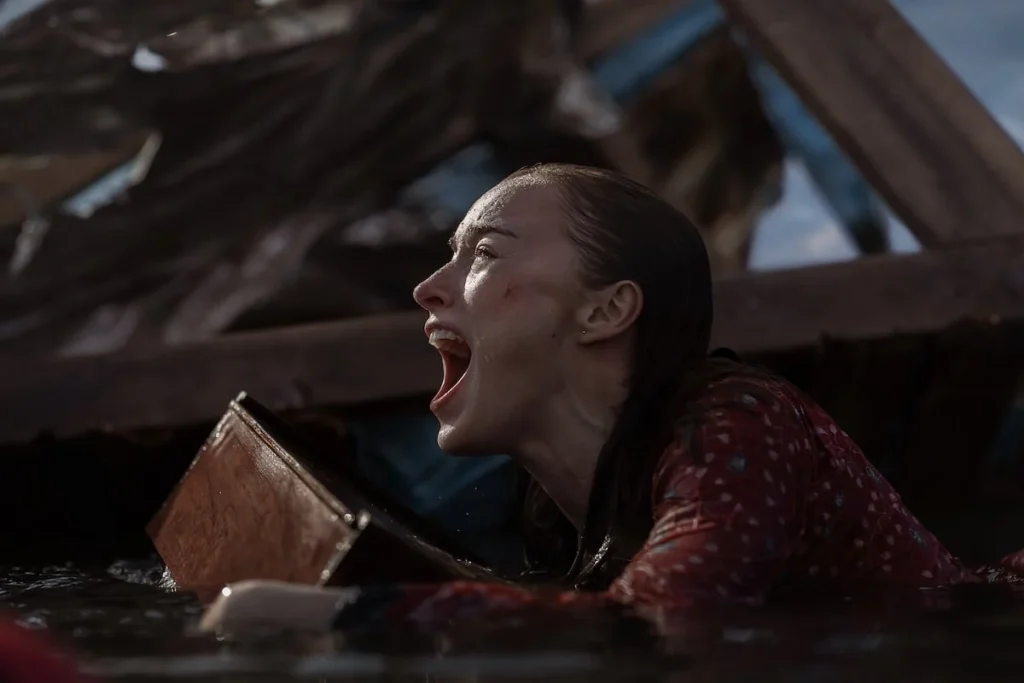
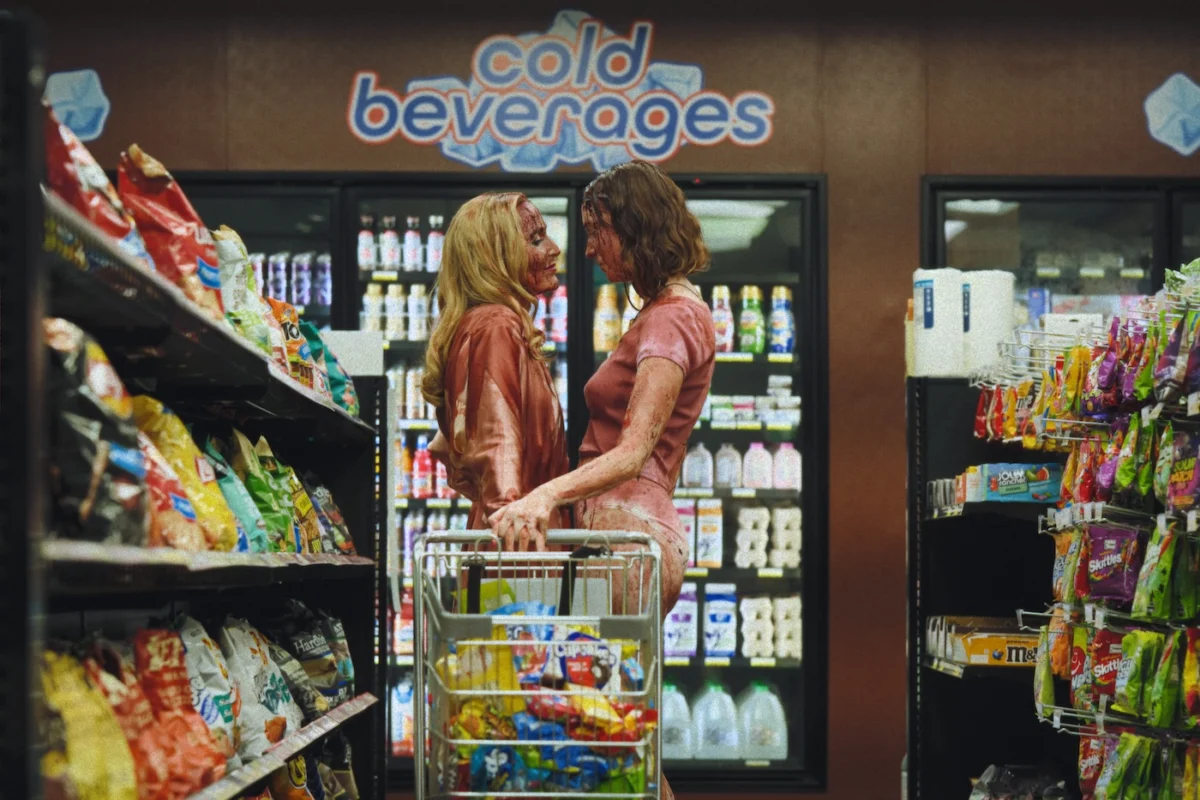
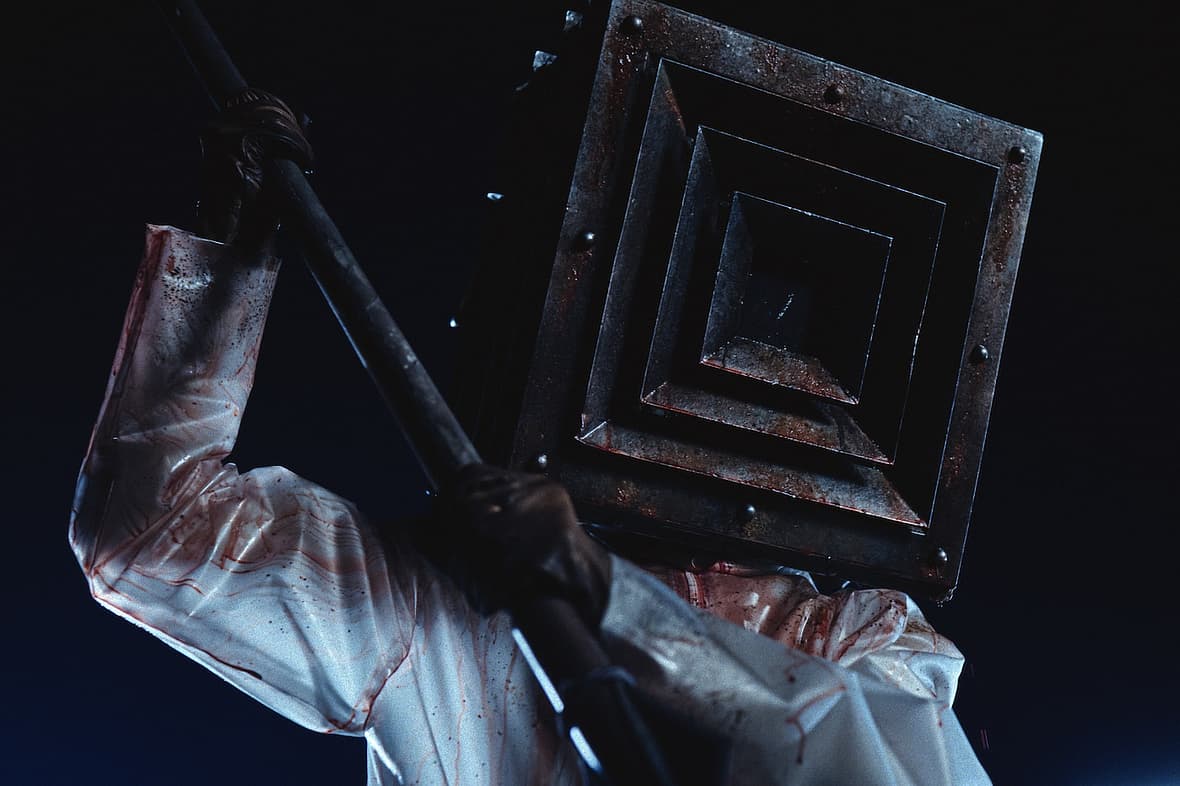
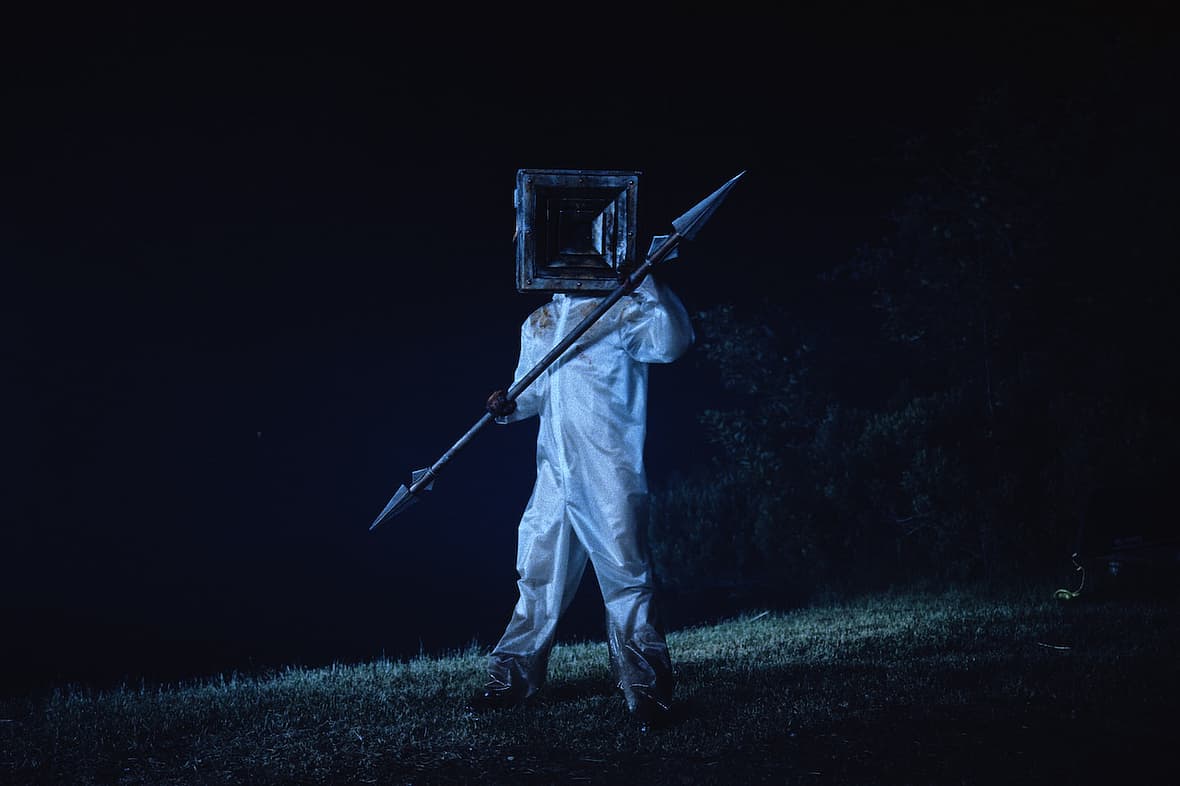
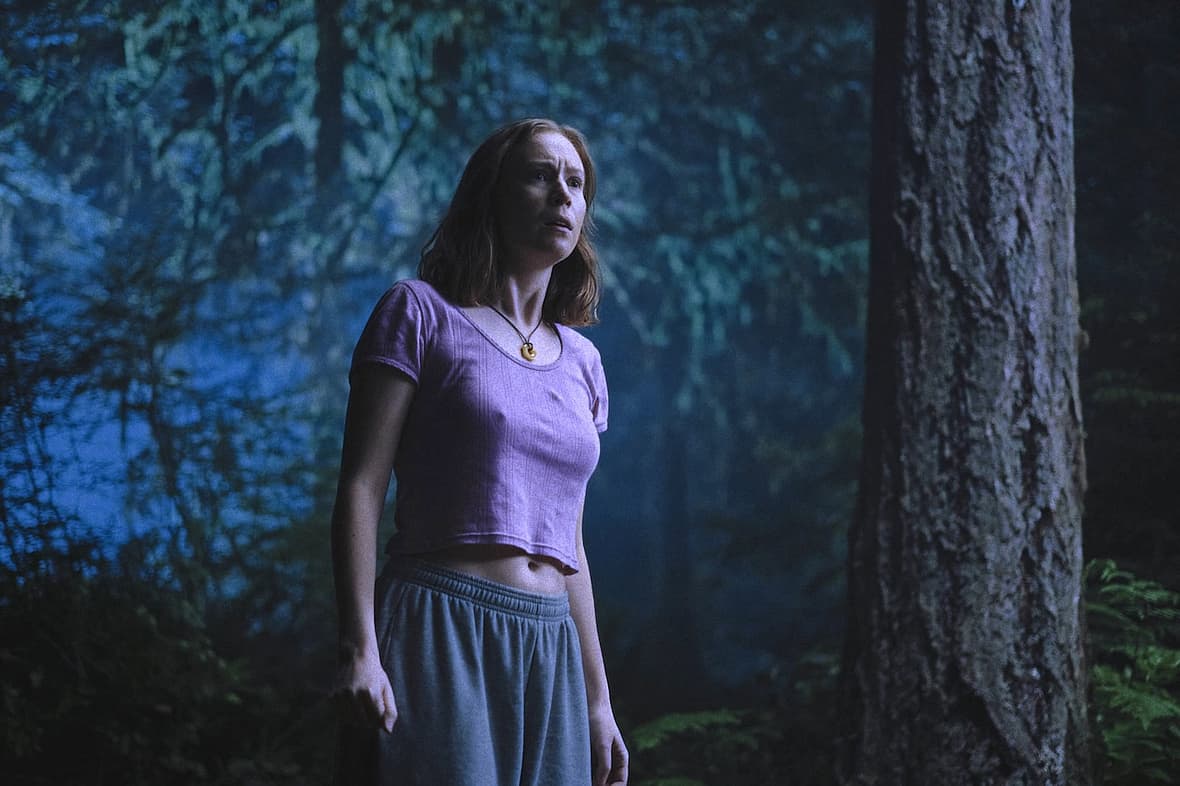
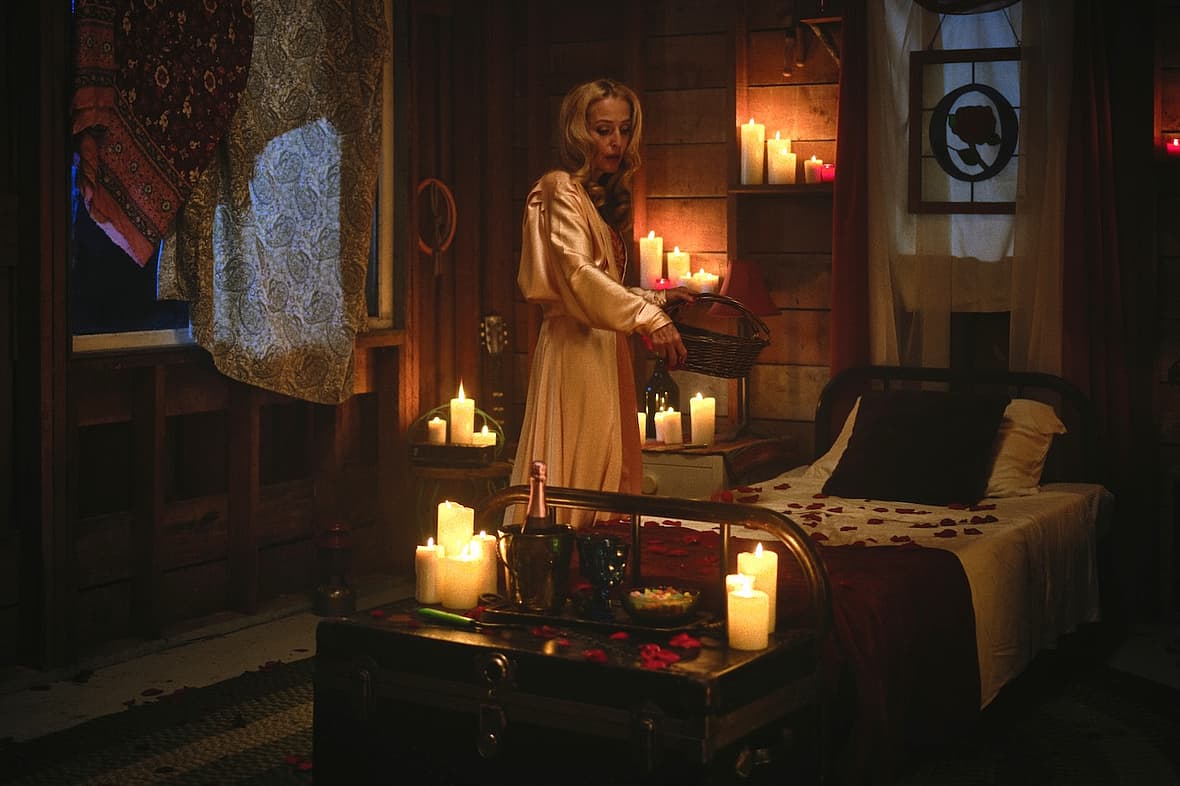
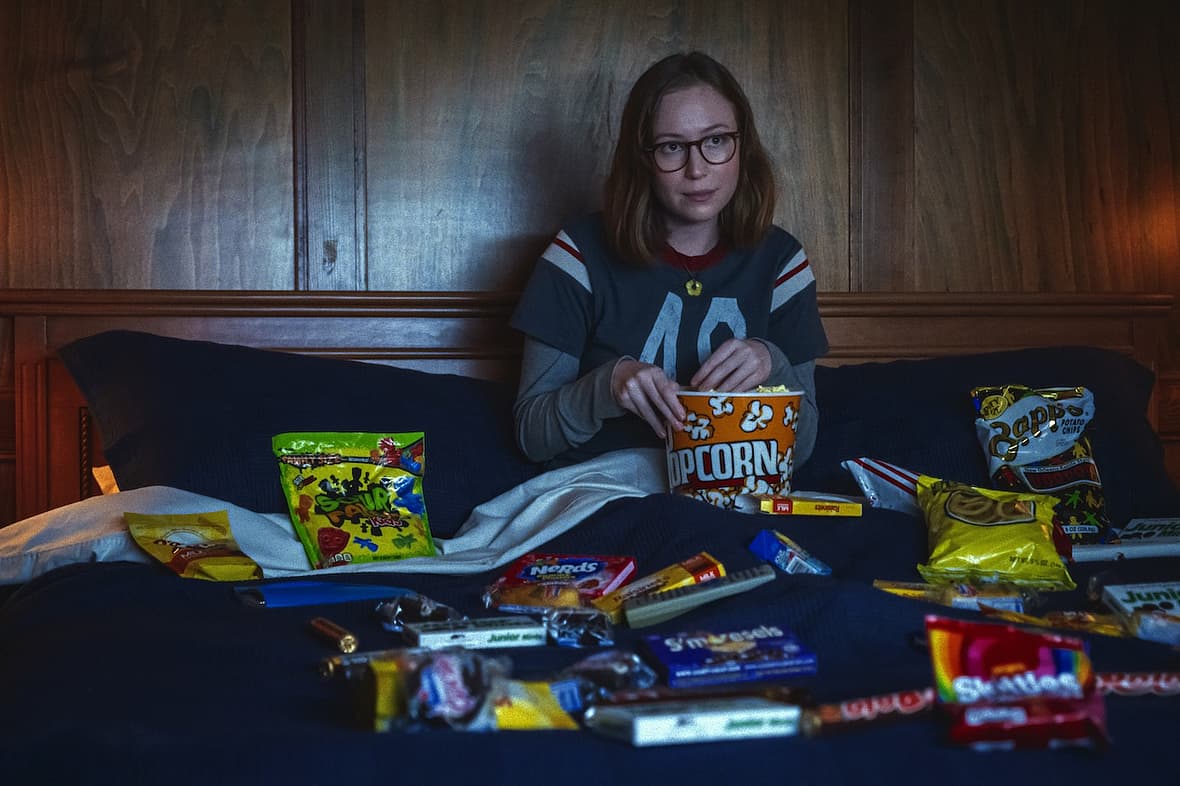
The film has been described with a compelling duality, positioned as "Portrait of a Lady on Fire set in a Friday the 13th sequel," a comparison that hints at a sophisticated exploration of desire and intimacy within the visceral framework of a slasher narrative. Set within a "blood-soaked world of desire," Teenage Sex and Death at Camp Miasma promises to delve into darker, more complex themes than a typical genre entry. The recent release of new promotional stills offers a tantalizing glimpse into this evocative world, showcasing striking visuals that are as artistically rendered as they are overtly gruesome. These images provide a strong indication of the film’s aesthetic, with particular attention drawn to the character of Little Death and the compelling performances expected from its leading actresses, Gillian Anderson and Hannah Einbinder.
A Franchise Revitalization with a Dark Twist
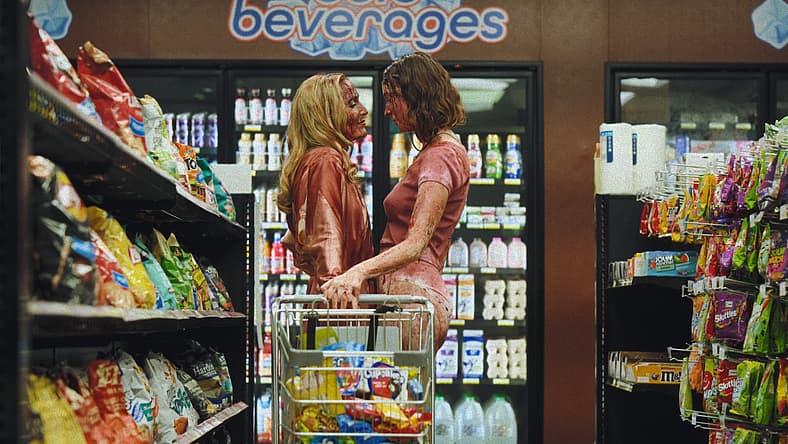
The narrative of Teenage Sex and Death at Camp Miasma centers on the revitalization of a once-popular, now-fading slasher franchise. The story unfolds as an ambitious young director is tasked with breathing new life into the "Camp Miasma" series, which has suffered from years of diminishing returns and a waning fanbase. Her journey takes an unexpected turn when she seeks out the original film’s star, an actress who has since become a reclusive enigma. This meeting ignites a volatile and dangerous dynamic, drawing both women into a "blood-soaked world of desire, fear, and delirium." This premise suggests a meta-commentary on the nature of horror filmmaking, celebrity, and the psychological toll of the genre.
The film boasts a formidable cast, headlined by two acclaimed actresses. Hannah Einbinder, known for her Emmy-nominated role in the critically acclaimed comedy series Hacks, takes on a pivotal role. She is joined by Gillian Anderson, a television icon famous for her portrayal of Dana Scully in The X-Files, whose presence alone lends significant gravitas to the project. The character of Little Death is brought to life by Jack Haven, who previously garnered attention for his work in I Saw the TV Glow.
The ensemble cast further includes Amanda Fix (Lowlifes), Arthur Conti (Beetlejuice Beetlejuice), Eva Victor (Sorry Baby), Zach Cherry (Severance), Sarah Sherman (Saturday Night Live), Patrick Fischler (Twin Peaks), Dylan Baker (Trick ‘r Treat), Jasmin Savoy Brown (Scream), Kevin McDonald (The Kids in the Hall), and Quintessa Swindell (Black Adam). This diverse group of actors, spanning various genres and levels of recognition, suggests a rich tapestry of characters and performances that will contribute to the film’s intricate narrative.
Thematic Resonance and Genre Evolution
The R rating awarded by the MPA is a critical indicator of the film’s intended audience and its adherence to the established conventions of the slasher subgenre. Historically, R-rated horror films have been the breeding ground for the most impactful and enduring entries in the genre, allowing for the uninhibited exploration of violence, sexuality, and psychological terror. The inclusion of "bloody violence, gore, sexual content, graphic nudity, drug use and some language" suggests that Schoenbrun is not shying away from the more extreme elements that defined many iconic 80s slashers.
The comparison to Portrait of a Lady on Fire is particularly intriguing. Céline Sciamma’s 2019 film is celebrated for its nuanced and deeply felt exploration of female desire and the constraints placed upon it by societal norms. Juxtaposing this with the kinetic, often brutal world of a Friday the 13th sequel suggests a film that aims to blend arthouse sensibilities with visceral horror. This could manifest as a character-driven narrative where the psychological complexities of the protagonists are amplified by the dangerous external threats, or where the exploration of relationships and intimacy becomes intertwined with the unfolding violence. The "blood-soaked world of desire" further reinforces this duality, implying that the characters’ yearning and emotional landscapes are as central to the film’s conflict as the external dangers they face.
Visuals and Performances: A Glimpse into "Camp Miasma"
The released stills offer a compelling visual preview of the film’s atmosphere. The cinematography appears to be a significant focus, with images that are both aesthetically pleasing and thematically resonant. The interplay of light and shadow, the rich color palettes, and the framing of the characters all contribute to a sense of foreboding and allure. The images specifically highlighting Gillian Anderson and Hannah Einbinder’s characters hint at the intensity of their on-screen dynamic. Anderson, a veteran of supernatural thrillers, is well-equipped to convey complex psychological states, while Einbinder, known for her sharp wit and nuanced performances, is poised to deliver a memorable turn. The inclusion of Jack Haven as Little Death, a character seemingly central to the film’s mythology, is also a point of interest, suggesting a potentially iconic villain or a complex figure within the narrative.
The film’s synopsis also points to a meta-narrative concerning the state of horror franchises. The idea of a director attempting to "resurrect" a slasher series that has lost its way speaks to the current landscape of Hollywood, where established IPs are often re-examined and re-imagined. The interaction between the young director and the reclusive star could serve as a commentary on the legacy of horror, the pressures of the industry, and the creative process itself. The descent into "delirium" suggests that the lines between reality, fantasy, and the constructed world of filmmaking will become blurred, adding another layer of psychological depth to the slasher premise.
Release and Anticipation
Teenage Sex and Death at Camp Miasma is scheduled to hit theaters on August 7, distributed by Mubi. The film’s unique blend of genre homage, arthouse ambition, and a stellar cast has generated significant buzz within the horror community and beyond. The R rating confirms its intention to deliver a potent and potentially challenging cinematic experience, appealing to fans of classic slashers who appreciate a more mature and artistically driven approach to the genre. The film’s arrival marks a potentially significant moment for independent horror, demonstrating a willingness to push boundaries and explore new narrative territory within a well-established framework. The combination of Schoenbrun’s directorial vision, the compelling cast, and the evocative premise positions Teenage Sex and Death at Camp Miasma as one of the most anticipated horror releases of the year.