Asian CineVision has officially unveiled the comprehensive program for the 49th edition of the Asian American International Film Festival (AAIFF), scheduled to run from July 30 to August 9. As the longest-running festival in the United States dedicated to Asian, Asian diaspora, and Pacific Islander cinema, AAIFF49 stands as a testament to nearly five decades of unwavering commitment to showcasing diverse narratives and fostering cultural exchange. This year’s festival is poised to be a landmark celebration, honoring the multitude of filmmakers, dedicated volunteers, visionary organizers, and passionate audiences who have collectively sustained its vital mission. A profound and central element of this year’s program is a heartfelt tribute to the late filmmaker and Asian CineVision (ACV) co-founder, Christine Choy (1949–2025), whose pioneering spirit and relentless advocacy profoundly shaped Asian American independent cinema.
Decades of Dedication: Asian CineVision and the Genesis of AAIFF
The story of the Asian American International Film Festival is inextricably linked to the broader Asian American movement of the 1970s, a period marked by burgeoning demands for civil rights, political representation, and cultural recognition. In this fertile ground of activism and identity formation, Asian CineVision (ACV) was established in 1975 by a group of visionary artists and activists: Christine Choy, Peter Chow, Danny Yung, and Thomas Tam. Their collective foresight recognized a critical void in the media landscape: the near absence of authentic, nuanced portrayals of Asian and Pacific Islander experiences, coupled with a severe lack of platforms for Asian and Asian American filmmakers to tell their own stories. Hollywood, at the time, largely relegated Asian characters to stereotypes or supporting roles, if they appeared at all, perpetuating harmful caricatures and erasing complex identities.
ACV was founded as a direct response to this systemic marginalization, conceived as an organization dedicated to promoting and fostering Asian and Asian American media arts. Its initial mandate was ambitious: to empower filmmakers, cultivate new talent, and create a space where the diverse voices and rich cultures of the Asian diaspora could be seen, heard, and celebrated. Three years later, in 1978, this foundational vision culminated in the launch of the Asian American International Film Festival. From its inception, AAIFF was groundbreaking, not only as the first festival of its kind but also for its steadfast commitment to independent cinema, often serving as the crucial entry point for films that would otherwise struggle to find distribution or recognition in mainstream circuits. Over the decades, AAIFF has evolved from a nascent platform into a venerable institution, having showcased thousands of films, launched countless careers, and provided a vital communal space for generations of Asian and Asian American artists and audiences. Its longevity underscores not just its resilience but also the enduring necessity of its mission in a continually evolving media landscape.
The Heart of AAIFF49: Embracing Community and Connection
At the philosophical core of AAIFF49 lies a profound embrace of community, articulated through a resonant metaphor inspired by the intricate interlocking wooden joinery found in traditional East and Southeast Asian architecture. This architectural principle, where individual pieces fit together seamlessly to create a strong, unified structure without the need for external fasteners, serves as the guiding motif for this year’s festival. It symbolizes the intrinsic connection between community and the vitality of independent filmmaking and cultural exchange.
Creative Director Murielle Hsieh eloquently captured this sentiment, stating, "As we approach half a century of organizing AAIFF, we dedicate this year’s festival to the community that holds us together." This dedication extends far beyond a mere thematic nod; it represents a deep acknowledgment of the collaborative spirit that has fueled the festival’s enduring success. Independent filmmaking, particularly for underrepresented communities, is inherently a communal endeavor. It thrives on shared resources, mutual support, mentorship, and a collective belief in the power of storytelling. AAIFF itself is a living embodiment of this principle, sustained year after year by a vast network of filmmakers, volunteers who dedicate countless hours, organizers who meticulously curate and execute the program, and audiences who actively engage with the cinematic offerings and discussions.
The "interlocking joinery" metaphor further highlights the festival’s role as a nexus where diverse cultural narratives and artistic expressions converge and reinforce one another. It emphasizes that individual stories, while powerful in their own right, gain greater strength and resonance when woven into a larger tapestry of shared experience. This year’s programming, from its opening and closing features to its array of shorts, panels, and community events, is designed to reflect this interconnectedness, inviting attendees to not only consume art but to actively participate in the ongoing dialogue and collective celebration of Asian and Asian diaspora identity. The festival actively fosters a sense of belonging, transforming individual viewers into integral components of a larger, vibrant cultural movement.
Highlighting Cinematic Excellence: Opening, Centerpiece, and Closing Features

AAIFF49’s programming showcases a meticulously curated selection of films that exemplify the depth, diversity, and innovation within contemporary Asian and Asian diaspora cinema. The festival’s headline screenings are strategically chosen to set the tone, anchor the narrative, and conclude the eleven-day cinematic journey.
-
Opening Night: "Levitating" and the Power of Resistance
The festival is set to commence on July 30 with the highly anticipated New York premiere of "Levitating," the latest feature from acclaimed Indonesian director Wregas Bhanuteja. Having premiered to critical acclaim at the 2026 Sundance Film Festival, "Levitating" promises a compelling blend of supernatural drama and poignant social commentary. Bhanuteja, known for his distinctive cinematic voice and ability to weave complex social issues into captivating narratives, takes audiences on a journey where spiritual possession becomes a metaphor for a community’s struggle against the relentless forces of gentrification. The film’s selection as the opening feature underscores AAIFF’s commitment to presenting bold, internationally recognized works that resonate with global and local audiences alike. Its exploration of displacement and cultural preservation through a unique genre lens is particularly relevant in urban centers like New York, making its local premiere a significant event. Bhanuteja’s inclusion reflects the festival’s dedication to showcasing talent from across Asia, highlighting the vibrant and diverse filmmaking landscape beyond the diaspora. -
Centerpiece Selection: "Isle Child" and Journeys of Identity
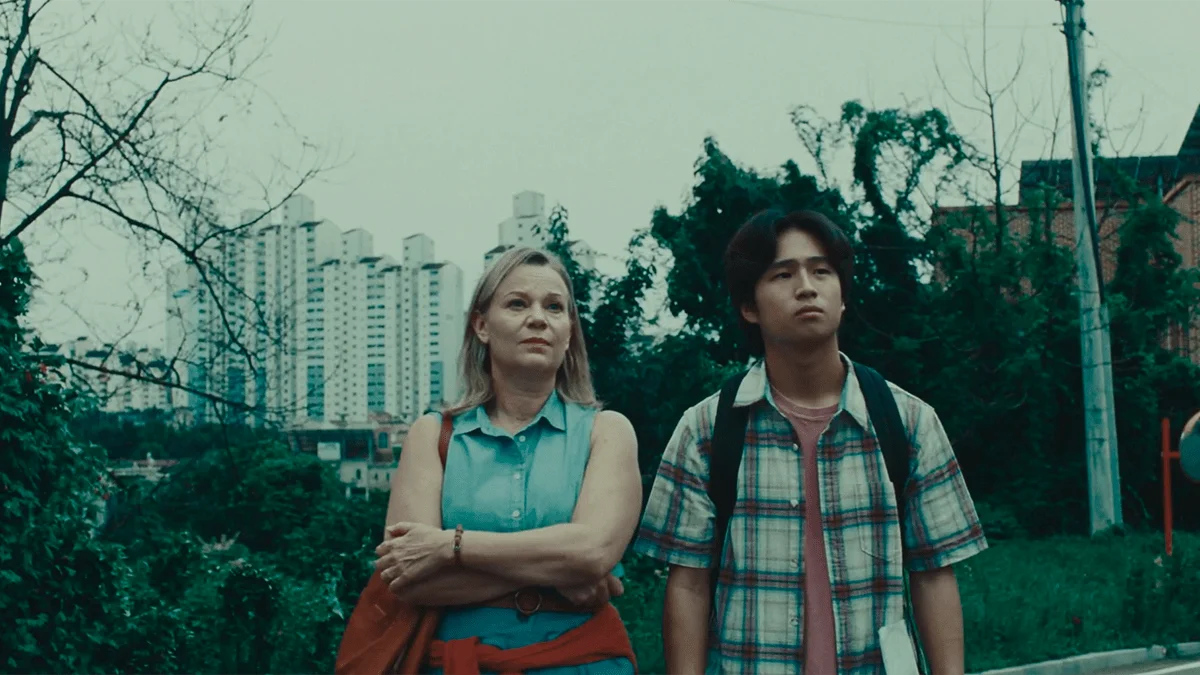
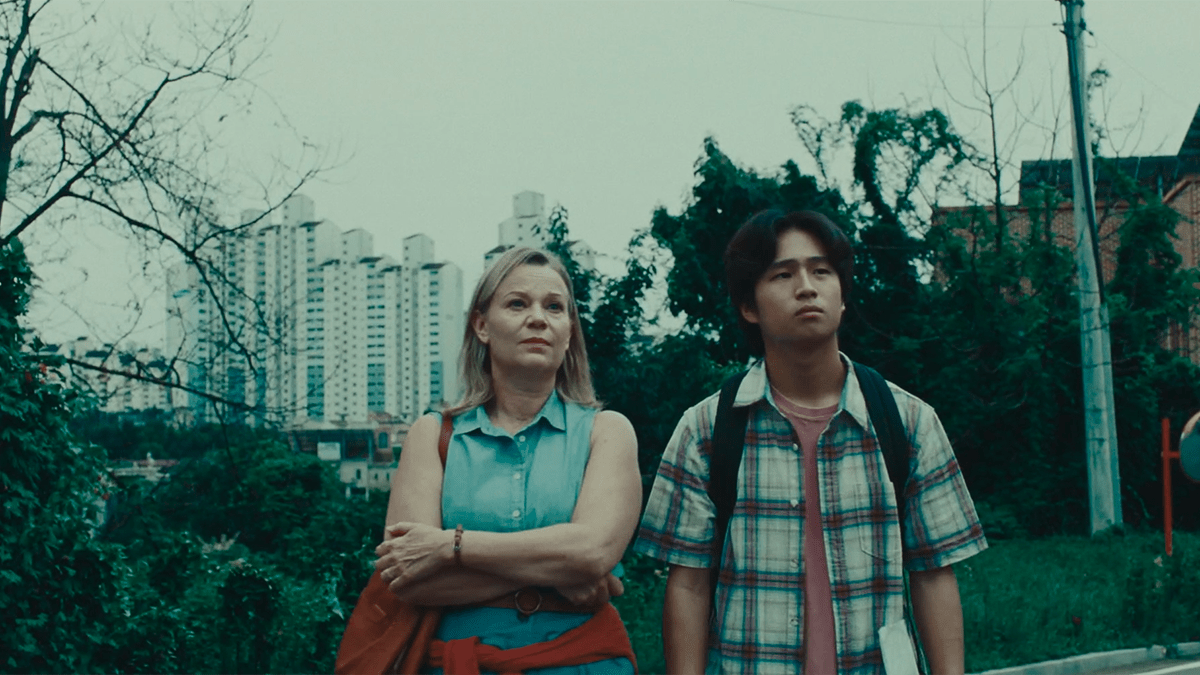
On August 1, the festival will present its Centerpiece selection, "Isle Child," the powerful feature debut of New York-based filmmaker Thomas Percy Kim. The film stars the rising talent Ben Wang and delves into the intricate emotional landscape of a Korean American adoptee. The protagonist is forced to confront his past and re-evaluate his identity upon the devastating discovery that his birth mother is terminally ill. "Isle Child" promises an intimate and deeply moving exploration of themes central to the Asian American experience: adoption, the search for roots, familial bonds (both biological and adoptive), and the complexities of cultural identity. Kim’s decision to tackle such a sensitive and often underrepresented narrative reflects AAIFF’s role in providing a platform for personal stories that illuminate broader societal issues. The film’s placement as the centerpiece underscores its emotional weight and its capacity to spark profound conversations about belonging and heritage within the Asian American community and beyond. -
Closing Night: "Hoop Like This" Documenting Collective Ambition
Bringing the festival to a close on August 9 is "Hoop Like This," a compelling documentary by Shubhangi Shekhar. This film chronicles the inspiring journey of the world’s first professional Indian basketball team, offering a unique lens through which to examine themes of migration, community, and collective ambition. Shekhar’s documentary goes beyond the sports narrative, delving into the personal stories of the players, their aspirations, and the challenges they face as they navigate a nascent professional league while often grappling with their identities as migrants. The choice of a documentary as the closing feature reinforces AAIFF’s dedication to diverse storytelling formats and its commitment to showcasing real-world narratives that celebrate human endeavor and the power of collective spirit. The film’s themes resonate deeply with the festival’s overarching focus on community and shared aspirations, providing a fitting and uplifting conclusion to the cinematic journey.
Beyond the Marquee: A Comprehensive Festival Experience
AAIFF49 is far more than its headline screenings; it is a holistic celebration designed to engage, educate, and inspire. The program encompasses a wide selection of narrative and documentary features, diverse shorts programs, and a robust schedule of complementary events tailored to foster dialogue and industry growth.
-
Preserving Heritage: The 4K Restoration of "Love Massacre"
A significant highlight of this year’s program that underscores the festival’s commitment to cinematic heritage is the inclusion of a 4K restoration of "Love Massacre." Directed by the legendary Patrick Tam and starring the iconic Brigitte Lin, this classic Hong Kong film reaffirms AAIFF’s dedication to preserving and reintroducing seminal works of Asian and Asian diaspora cinema to new generations of audiences. The meticulous restoration process ensures that the film’s artistic integrity and visual grandeur are maintained, allowing viewers to experience this masterpiece with renewed clarity. This initiative not only honors the rich history of Asian cinema but also bridges the gap between classic and contemporary works, offering context and continuity to the evolving narrative of Asian filmmaking. It highlights the festival’s role not just as a platform for new voices, but as a custodian of cinematic memory. -
Engaging Minds: Panels, Conversations, and Community Gatherings
Beyond the screen, AAIFF49 cultivates an environment of intellectual exchange and direct engagement. The festival’s robust schedule includes numerous filmmaker conversations, offering invaluable insights into the creative processes, challenges, and inspirations behind the films. Panel discussions will delve into critical topics relevant to the industry and the Asian American community, ranging from funding independent projects and navigating distribution channels to discussions on representation, identity, and the future of Asian cinema. These sessions provide essential networking opportunities for emerging filmmakers and offer audiences a deeper understanding of the craft and context of the works presented. Furthermore, community events, workshops, and social gatherings are meticulously planned to foster direct interaction, allowing attendees to connect with filmmakers, critics, and fellow enthusiasts, thereby strengthening the very community that the festival celebrates.
A Timeless Legacy: Honoring Christine Choy, A Visionary Pioneer
A central and deeply poignant highlight of AAIFF49 is the Christine Choy Tribute and Retrospective, scheduled for August 2. This special program serves as a powerful testament to the enduring legacy of Christine Choy, an extraordinary filmmaker, activist, and co-founder of Asian CineVision, whose contributions were instrumental in shaping the landscape of Asian American independent cinema. Choy, who passed away in 2025, left an indelible mark through a career spanning over five decades, during which she directed more than 80 films and mentored countless artists.
The tribute will feature screenings of two of Choy’s significant works: "Fei Tien: Goddess in Flight" and "Ha Ha Shanghai." These films, while diverse in subject matter, encapsulate her distinctive style and her unwavering commitment to capturing authentic stories. Following the screenings, a discussion with Choy’s collaborators will offer intimate perspectives on her creative process, her uncompromising spirit, and the profound impact she had on those who worked alongside her. This segment is designed not only to celebrate her cinematic achievements but also to illuminate her role as a mentor and an unwavering advocate for marginalized voices.
- The Enduring Impact of "Who Killed Vincent Chin?"
Perhaps Choy’s most widely recognized and impactful work is "Who Killed Vincent Chin?", for which she received an Academy Award nomination. This seminal 1982 documentary meticulously investigates the racially motivated murder of Vincent Chin, a Chinese American man, by two white autoworkers in Detroit amidst rising anti-Japanese sentiment in the U.S. auto industry. The film not only exposed the horrific act of violence but also galvanized the nascent Asian American civil rights movement, sparking nationwide protests and legal battles that brought issues of racial injustice and hate crimes against Asian Americans to the forefront of national discourse. Choy’s unflinching portrayal of the injustice and the subsequent activism became a powerful tool for community organizing and remains profoundly relevant today, serving as a critical historical document and a reminder of the ongoing struggle for racial equity. Her courage in addressing such a sensitive and politically charged subject solidified her reputation as a fearless documentarian and a tireless champion for justice. The tribute at AAIFF49 is a crucial opportunity to reflect on Choy’s monumental contributions, ensuring that her vision and her fight for representation continue to inspire future generations of filmmakers and activists.
Shaping the Future: AAIFF’s Broader Impact on Asian American Cinema
As Asian CineVision approaches its monumental 50th anniversary, AAIFF49 stands at a pivotal juncture, looking both to the vibrant future of Asian and Asian diaspora filmmaking and to the rich legacy of the artists and activists who helped establish one of North America’s most important platforms for independent Asian cinema. The festival’s impact extends far beyond the duration of its screenings, influencing multiple facets of the film industry and broader cultural landscape.
AAIFF continues to play a critical role in fostering representation—a mission that remains as vital today as it was nearly five decades ago. By consistently showcasing films that reflect the multifaceted experiences, cultures, and perspectives of Asian, Asian diaspora, and Pacific Islander communities, the festival actively counteracts historical underrepresentation and stereotypical portrayals in mainstream media. It provides a crucial space where these communities can see their stories authentically reflected, fostering a sense of belonging and cultural pride. This commitment to diverse storytelling not only enriches the cinematic landscape but also contributes to a more nuanced understanding of Asian identities globally.
Furthermore, AAIFF is a powerful engine for cultural exchange. By presenting films from various Asian countries and across the diaspora, it facilitates cross-cultural dialogue and builds bridges of understanding between different communities. For audiences, it offers windows into worlds and experiences they might not otherwise encounter, challenging preconceived notions and fostering empathy. For filmmakers, it provides a unique opportunity to connect with an international audience and engage in global conversations about shared human experiences.
In terms of industry development, AAIFF serves as an indispensable launching pad for emerging talent. Many filmmakers who have gone on to achieve significant success in Hollywood and independent cinema first gained recognition and critical acclaim at AAIFF. The festival offers vital exposure, networking opportunities with industry professionals, and a platform for films to garner reviews and build momentum. The filmmaker conversations and panel discussions are designed to equip new artists with practical knowledge and connect them with mentors and collaborators, thereby nurturing the next generation of Asian and Asian American cinematic voices. This continuous pipeline of talent is crucial for the sustainable growth and evolution of independent cinema.
Looking ahead, AAIFF faces the exciting challenge of adapting to a rapidly changing media landscape, marked by the proliferation of streaming platforms and evolving audience consumption habits. Yet, its core mission—to champion authentic storytelling and provide a communal space for celebration—remains immutable. The festival’s enduring relevance lies in its ability to consistently identify and promote innovative filmmaking while staying true to its foundational values of community, advocacy, and cultural preservation. The 49th edition is not just a commemoration of the past; it is a dynamic affirmation of AAIFF’s ongoing commitment to shaping the future of Asian American cinema, ensuring that these vital stories continue to be told and celebrated for decades to come.
Join the Celebration: Accessing AAIFF49
The Asian American International Film Festival invites all cinephiles, community members, and advocates of diverse storytelling to partake in this landmark celebration. Tickets and passes for AAIFF49 are available for purchase online at aaiff.org. This is an unparalleled opportunity to engage with groundbreaking cinema, honor a pivotal legacy, and become part of a vibrant, interconnected community dedicated to the art of film.