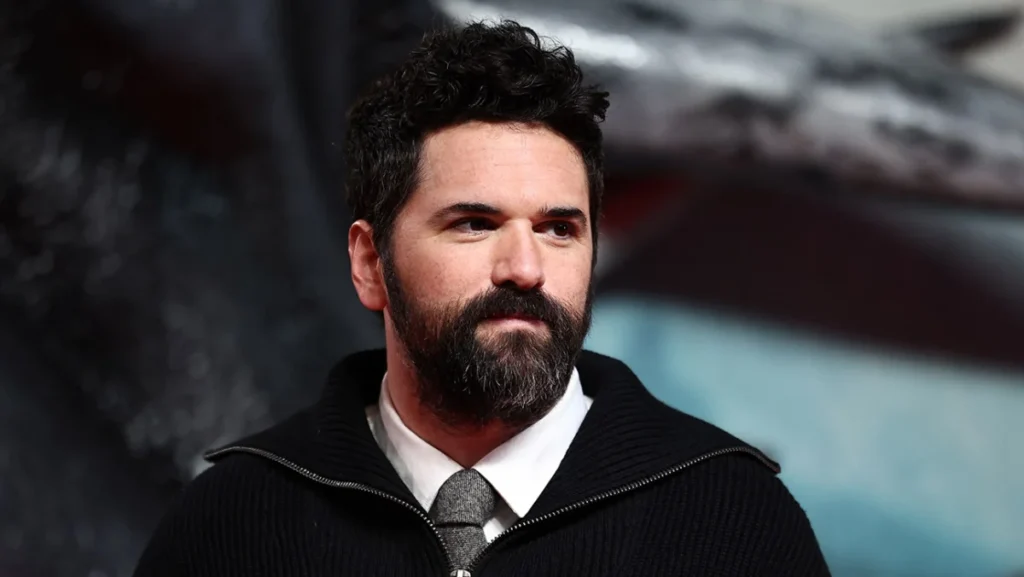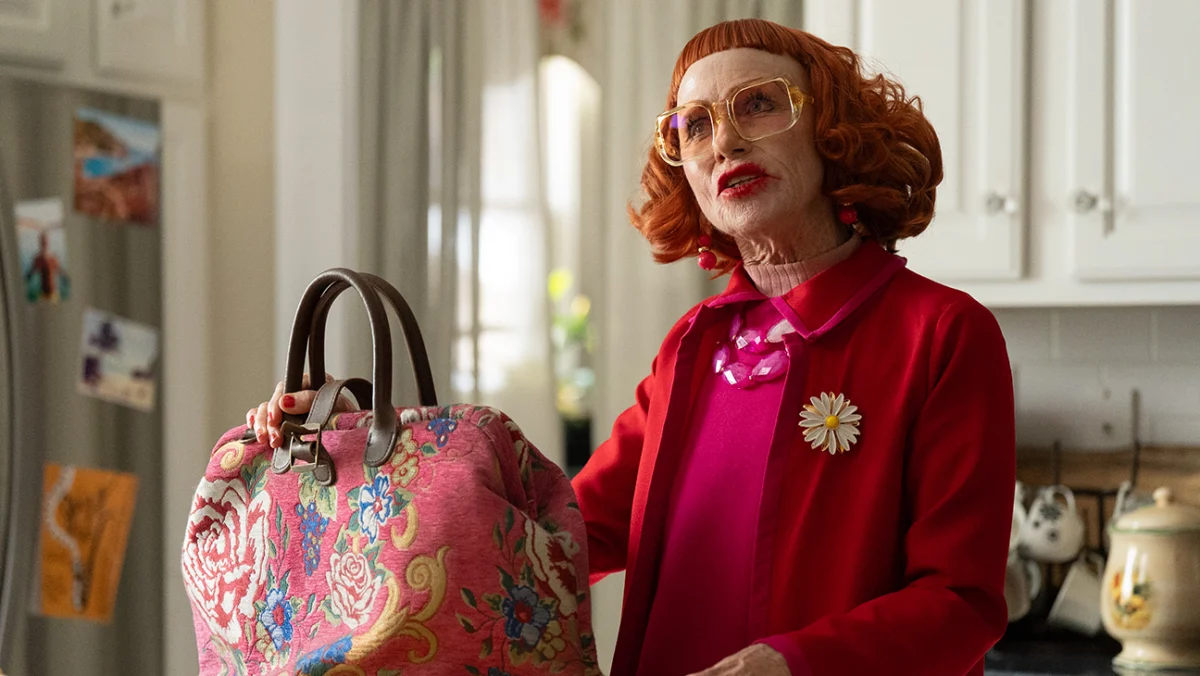
Filmmaker Zach Cregger, lauded for his distinctive voice in contemporary horror, officially confirmed the development of a prequel to his critically acclaimed and commercially successful 2025 horror feature, Weapons. The new project, currently operating under the working title Gladys, is set to delve into the enigmatic backstory of the character who garnered Amy Madigan a Best Supporting Actress Oscar for her captivating performance. The highly anticipated announcement was made by Cregger himself during Collider’s "Directors on Directing" panel at San Diego Comic-Con, an annual gathering renowned for breaking major news in the entertainment industry. This revelation marks a significant step in expanding the Weapons narrative, promising fans a deeper dive into one of its most compelling figures while solidifying Cregger’s position as a prominent architect of modern genre cinema.
The Genesis of a Horror Sensation: ‘Weapons’ and Cregger’s Ascendance
The announcement regarding Gladys comes on the heels of Weapons‘ impressive theatrical run and critical accolades. Released in August 2025 by Warner Bros., the film captivated audiences and critics alike, ultimately grossing a formidable $270 million at the global box office. Its success was a testament not only to its compelling narrative, which centered on a group of children mysteriously vanishing in the dead of night, but also to Cregger’s unique directorial style and ability to craft suspenseful, character-driven horror.
Zach Cregger’s journey to becoming a prominent name in horror was significantly propelled by his 2022 feature, Barbarian. That film, a sleeper hit, showcased his talent for subverting audience expectations, blending unsettling terror with unexpected humor and social commentary. Barbarian earned critical acclaim for its inventive script and effective scares, establishing Cregger as a filmmaker with a fresh perspective on the genre. Its commercial success, achieved on a relatively modest budget, signaled to Hollywood that Cregger possessed a keen understanding of what resonates with modern horror audiences. This paved the way for Weapons, a project that further cemented his reputation for delivering high-concept, intelligent horror that transcends conventional genre boundaries.
Weapons continued this trajectory, leveraging Cregger’s proven ability to craft intricate plots and develop memorable characters. The film was praised for its atmosphere, its psychological depth, and the performances of its ensemble cast, which included notable talents such as Julia Garner, Josh Brolin, Alden Ehrenreich, Austin Abrams, and Benedict Wong. However, it was Amy Madigan’s portrayal of Aunt Gladys that truly captured the industry’s attention, culminating in a rare and prestigious Academy Award win for Best Supporting Actress. This recognition not only underscored the quality of Madigan’s performance but also highlighted the growing critical respect for the horror genre itself, often overlooked by major awards bodies.
Unveiling the Enigma: Cregger’s Vision for ‘Gladys’
During the Comic-Con panel, Cregger expressed his profound enthusiasm for the Gladys project and his continued collaboration with Amy Madigan. "First of all, I’m really excited about the Gladys movie, and I loved working with Amy," Cregger shared with the eager crowd. "I loved that character. For the movie Weapons, it really made a lot of sense not to dive into her backstory because the device of Weapons was to keep her very mysterious." This deliberate narrative choice in the original film allowed Gladys to function as an enigmatic force, her motivations and origins shrouded in a veil of secrecy that amplified the film’s suspense.
However, Cregger affirmed that this intentional mystery in Weapons was merely a prelude to a much larger story waiting to be told. "However, there’s an amazing story to be told about where Gladys comes from and how she became what we know her as," he elaborated. "It’s got a lot of twists and turns and mysteries and crazy things, like Weapons does. I think it’s going to be great." The filmmaker’s comments suggest that the prequel will retain the intricate plotting and unexpected narrative shifts that characterized Weapons, ensuring a consistent tone and thematic depth for the burgeoning franchise.
The script for Gladys is currently in progress, with Cregger co-penning the screenplay alongside Zach Shields. Shields, a frequent collaborator with Cregger, notably co-wrote Barbarian and Weapons, forming a potent creative partnership that has proven successful in crafting compelling horror narratives. Their continued collaboration on Gladys signals a consistent creative vision for the Weapons universe, promising fans that the prequel will be in familiar and capable hands. The project is being developed at New Line Cinema, a studio with a storied history in the horror genre, famously known as "The House That Freddy Built" for its success with the A Nightmare on Elm Street franchise, and more recently, the highly successful The Conjuring universe and the IT films. New Line’s commitment to Gladys underscores their confidence in Cregger’s vision and the franchise’s potential.
The Significance of Amy Madigan’s Oscar Win and Gladys’s Impact
Amy Madigan’s Oscar win for Best Supporting Actress for her role as Aunt Gladys was a watershed moment for Weapons and the horror genre as a whole. While horror films have occasionally received Academy Award nominations, wins in major acting categories are exceedingly rare, making Madigan’s achievement particularly noteworthy. Her performance was widely lauded for its complexity, her ability to convey both vulnerability and menace, and her subtle portrayal of a character burdened by a haunting past. Gladys was not merely a plot device but a fully realized individual whose presence resonated deeply with audiences, prompting widespread curiosity about her origins.
Madigan, a veteran actress with a distinguished career spanning decades, brought a gravitas and intensity to the role that elevated it beyond typical genre archetypes. Her filmography includes acclaimed performances in films like Twice in a Lifetime (for which she received an Oscar nomination) and Field of Dreams, as well as extensive work in television and theater. Her presence in Weapons lent considerable prestige to the project, and her subsequent Oscar win not only brought mainstream attention to the film but also validated the depth and artistic merit of horror performances. The decision to center a prequel around such a critically acclaimed and fan-favorite character is a strategic move, capitalizing on both the artistic success and audience engagement generated by Madigan’s portrayal.
The character of Gladys in Weapons served as a linchpin, a mysterious figure whose actions and motivations were crucial to the film’s central mystery. Her ambiguous nature kept audiences guessing, making her both terrifying and oddly sympathetic. Cregger’s intention to explore "where Gladys comes from and how she became what we know her as" suggests a narrative rich with potential for psychological horror, exploring the formative experiences and perhaps traumatic events that shaped her into the complex character seen in Weapons. This approach aligns with Cregger’s penchant for delving into the psychological underpinnings of his characters, offering more than just jump scares.
Box Office Prowess and the Expanding Horror Market
Weapons‘ global box office haul of $270 million positioned it as one of the standout horror successes of 2025. This financial performance is crucial for studio decision-making, demonstrating a strong return on investment and signaling the viability of expanding the intellectual property. The film’s success reinforces a broader trend in the entertainment industry: well-crafted horror films, especially those with original concepts and strong directorial voices, are consistently proving to be profitable ventures. In an increasingly competitive theatrical landscape, horror’s relatively lower production costs combined with its passionate fanbase often lead to impressive profit margins.
Warner Bros.’ successful distribution of Weapons last August highlights strategic scheduling, often placing horror films in periods with less direct competition from tentpole blockbusters, allowing them to carve out a significant niche. The film’s performance also indicates a global appetite for Cregger’s particular brand of horror, which blends suspense, psychological depth, and often unexpected narrative turns. The decision by New Line Cinema to greenlight a prequel, rather than a direct sequel, is also notable. Prequels can offer creative freedom to explore new eras and characters while still leveraging the brand recognition of the original film. For Weapons, a prequel focusing on Gladys provides an opportunity to build out the mythology of its world without necessarily continuing the immediate narrative arc of the first film’s protagonists. This strategy is reminiscent of other successful horror franchises that have expanded their universes through origin stories and spin-offs, such as The Conjuring universe with its various demonic entities receiving their own films.
Broader Implications: Cregger’s Expanding Empire and the Future of Horror
Zach Cregger’s continued collaboration with New Line Cinema on Gladys and his forthcoming sci-fi film The Flood (which he also wrote for the studio) solidifies his position as a valuable creative asset in Hollywood. His ability to deliver both critical and commercial hits has made him a sought-after talent, capable of navigating different genres while maintaining a distinct authorial voice. The Flood, a venture into science fiction, demonstrates Cregger’s ambition to explore beyond the confines of horror, showcasing his versatility as a storyteller. This diverse portfolio suggests that Cregger is not merely a "horror director" but a filmmaker with a broad range of interests and capabilities.
Furthermore, Cregger provided an update on another major project: the video game adaptation of Resident Evil, which Sony is slated to release in September. He screened the latest trailer and exclusive footage from the film at Comic-Con, indicating his active involvement across multiple high-profile productions. This balance between original concepts like Weapons and established IPs like Resident Evil allows Cregger to maintain creative independence while also engaging with large studio franchises.
The success of Weapons and the development of Gladys also speak to a broader trend in the horror genre. The genre is increasingly shedding its niche reputation and gaining mainstream acceptance, evidenced by major awards recognition and consistent box office performance. Filmmakers like Cregger, Ari Aster, Jordan Peele, and Robert Eggers are pushing the boundaries of what horror can achieve, infusing it with social commentary, psychological complexity, and elevated artistry. The Gladys prequel, with its focus on character depth and origin, is poised to continue this evolution, offering audiences more than just scares but a rich, immersive narrative experience. It indicates that studios are willing to invest in character-driven horror, recognizing that compelling personalities, even terrifying ones, can sustain an entire cinematic universe.
Other Comic-Con Highlights: A Glimpse into the Future
The "Directors on Directing" panel at San Diego Comic-Con also featured other notable filmmakers, providing a broader context for the event’s significance as a platform for major industry announcements. John Francis Daley and Jonathan Goldstein, directors of Mayday, were present and offered intriguing updates on their upcoming Star Trek feature. The duo, who are both writing and directing the project, teased a departure from previous iterations of the iconic franchise. "It won’t be the characters you’ve seen previously," Goldstein stated from the stage, "It will be a little further into the future than what you’ve seen." This news, alongside Cregger’s announcements, underscored Comic-Con’s enduring role as a central hub for revealing the future of beloved cinematic and television properties, offering fans tantalizing glimpses into upcoming projects and shaping the entertainment landscape for years to come. The collective updates from these directors painted a vibrant picture of an industry continuously innovating and expanding its most successful universes.