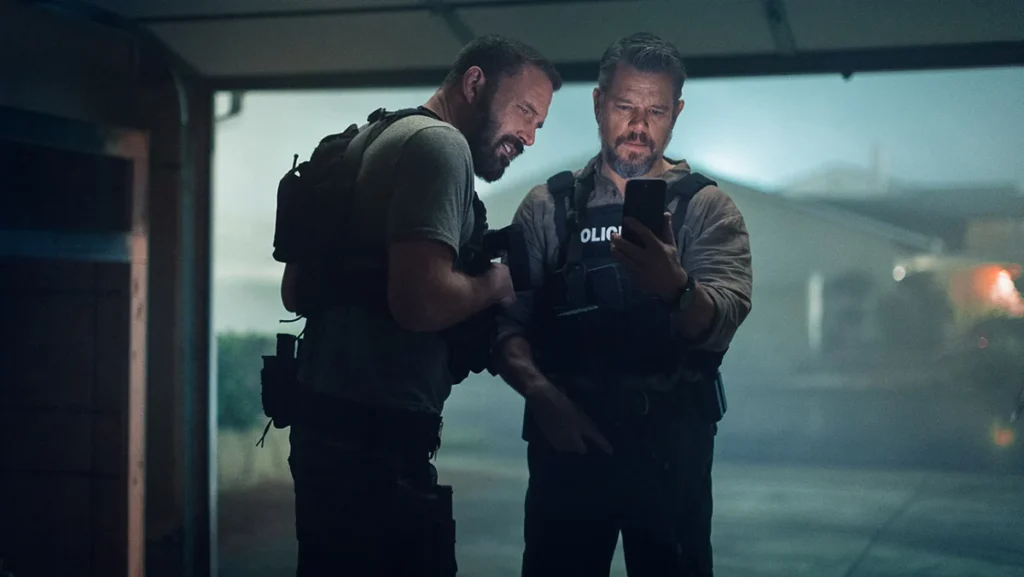
The Toronto International Film Festival (TIFF), a cornerstone of the global cinematic calendar, serves as the primary launching pad for North American awards season contenders. On Friday night, the Scotiabank Theatre in Toronto became the setting for the world premiere of Trash Mountain, a poignant dramedy that balances the sharp edges of stand-up comedy with the profound, often messy realities of bereavement. Co-written by Caleb Hearon and Ruby Caster and directed by Kris Rey, the film explores the intersection of humor and mourning, a thematic territory that has long challenged filmmakers to find a delicate equilibrium.
For Hearon, who has garnered acclaim for his HBO Max comedy special and his upcoming role in the sequel to The Devil Wears Prada, the project represents a significant pivot. The film’s narrative centers on Gavin, a gay man living in Chicago who is forced to return to his roots in rural Missouri following the death of his father. What unfolds is not a traditional eulogy, but an excavation—both literal and metaphorical—of a life defined by hoarding and the fractured relationships left in its wake.
The Intersection of Trauma and Comedy
The genesis of Trash Mountain is deeply rooted in Hearon’s personal experience. Following the unexpected death of his own father, Hearon found that comedy served as a vital, if unconventional, coping mechanism. This lived experience provided the emotional architecture for the screenplay. During the post-screening Q&A session at TIFF, Hearon addressed the inherent tension in using humor to process loss.
"If anything, I’m eager to prove that I’m not just a clown," Hearon stated, addressing the audience’s inquiry regarding his transition from pure stand-up to the nuanced demands of dramatic performance. The sentiment reflects a broader industry trend where comedians are increasingly sought for their ability to bring authenticity and levity to heavy, character-driven narratives.
The collaborative process between Hearon and co-writer Ruby Caster was marked by a constant negotiation of tone. Caster admitted to the TIFF audience that she frequently cautioned Hearon against leaning too heavily into his comedic instincts, fearing that a well-timed punchline might undermine the gravity of the grief being depicted. Hearon’s response—a playful assertion that Caster had "stepped across a lot of lines"—highlighted the collaborative friction that ultimately produced the film’s distinctive voice.
A Narrative of Domestic Excavation
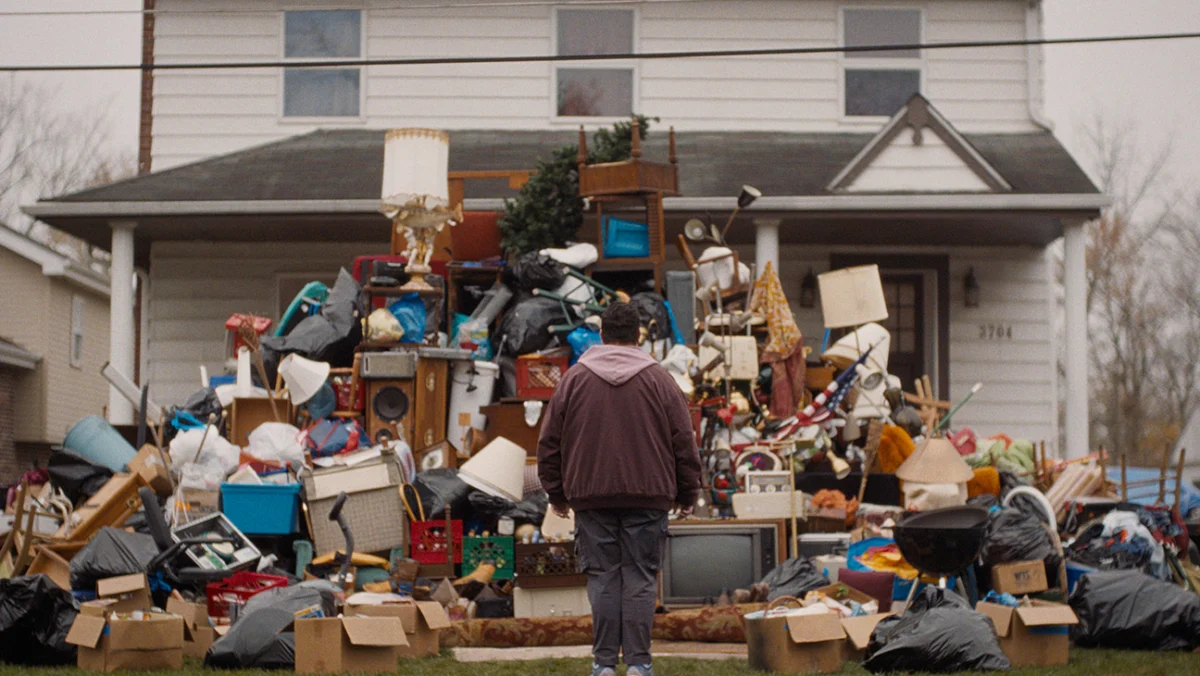
In the film, Gavin’s homecoming is characterized by his strained relationship with his half-sister, Abbi, portrayed by Zooey Deschanel. As the siblings navigate the wreckage of their father’s home, the "trash" mentioned in the title takes on a dual meaning. It is both a literal obstacle—a mountain of detritus accumulated through years of hoarding—and a collection of memories that must be sifted through to determine what is worth keeping and what must be discarded.
The hoarder father, while not appearing as a character on screen, functions as the film’s central antagonist and catalyst. His absence forces a reckoning between Gavin and Abbi, transforming the act of cleaning out a house into an essential dialogue about their own pasts and their father’s imperfections. Hearon noted that his own father, who served as an inspiration for the character, was a "really complicated guy," suggesting that the film avoids the trap of sentimentalizing the deceased. Instead, it invites the audience to observe how individuals grapple with the legacies of complicated parental figures.
The Materiality of Memory
A standout element of the production was the incorporation of personal history into the film’s props. Zooey Deschanel, known for her performances in All the Real Girls and The Good Girl, brought an authentic touch to her role as Abbi. After an early wardrobe fitting, Deschanel opted to use a scarf that had belonged to her own late grandfather as a prop.
"I have them in my closet, and every time I see them I think of my grandfather. These objects can be conduits for people that have passed," Deschanel explained to the TIFF audience. This choice underscores a broader theme in the film: the physical manifestation of grief. By using real-world artifacts of loss, the production design transcends mere aesthetic choices, grounding the performances in a tactile reality that resonates with anyone who has had to settle the affairs of a loved one.
Industry Context and Festival Impact
The Toronto International Film Festival, which runs through September 20, is currently navigating a post-pandemic landscape that has seen shifts in audience appetites and distribution models. Trash Mountain, with its mix of established indie talent like Deschanel and rising stars like Hearon, fits into a category of mid-budget "dramedies" that festivals often champion to bridge the gap between arthouse sensibilities and broader commercial appeal.
The film also features an ensemble cast, including Jackie Weaver, Jaboukie Young-White, Kyle Martin, and Holmes. The involvement of executive producer Lilly Wachowski, a veteran of genre-defying cinema, adds another layer of intrigue to the project’s pedigree. The film is positioned not merely as a character study, but as a commentary on the rural-urban divide, the persistence of family trauma, and the evolving nature of the American family unit.
Analysis: The Evolution of Grief in Cinema
From a critical perspective, Trash Mountain arrives at a time when the portrayal of grief in film is shifting away from traditional, linear depictions toward more fragmented, iterative experiences. Statistical trends in film criticism over the last decade show an increasing preference for "emotional realism," where the inclusion of humor is no longer seen as a detractor from serious subject matter but as an essential component of the human condition.
By centering the narrative on the hoarding of objects, the film serves as an apt metaphor for the way memories are stored, hidden, and eventually discarded. The "mountain" of the title is a static, immovable object that forces the characters to be dynamic. In the context of contemporary cinema, this physicalization of psychological states is a powerful storytelling tool.
Implications and Future Reception
The reception at the Scotiabank Theatre suggests that Trash Mountain is poised to find a dedicated audience. While the film navigates dark territory, its commitment to the humor inherent in the absurdity of death ensures that it remains accessible. As the film moves forward in the festival circuit and toward its eventual release, the industry will be watching to see if Hearon’s transition into dramatic lead roles proves as successful as his comedy career.
The broader implication for Hearon’s career is clear: he is positioning himself as a multi-hyphenate artist capable of carrying the emotional weight of a feature film. For Deschanel, the role represents a return to the grounded, indie-drama roots that defined her early career, offering a counterbalance to her more widely recognized comedic work.
As the TIFF schedule progresses, Trash Mountain stands out as a testament to the idea that, in the face of the most daunting personal losses, the ability to find a laugh is not a denial of pain, but a necessary strategy for survival. The film, through its honest portrayal of the detritus left behind by the departed, challenges viewers to reconsider their own relationships with the objects and people that shape their identities. Whether the film will serve as a definitive portrait of modern grief remains to be seen, but its premiere in Toronto has certainly established it as a compelling and necessary contribution to the discourse on loss and legacy.