The screening, held as part of the Toronto International Film Festival’s (TIFF) highly anticipated "Special Events" section, marks a significant departure in the career of Zack Snyder. Known for his expansive, studio-backed spectacles—ranging from the gritty DC Extended Universe entries to his recent two-part space opera Rebel Moon—Snyder has stepped into uncharted territory with this project. The Last Photograph serves as his first foray into fully independent filmmaking, produced entirely outside the traditional Hollywood studio or streaming service ecosystem.
A Two-Decade Journey to the Screen
The genesis of The Last Photograph dates back twenty years, originating from an original story concept developed by Snyder. Throughout his tenure as a high-profile blockbuster director, Snyder frequently cited this project as a deeply personal passion piece. The production was spearheaded by The Stone Quarry—the production company run by Snyder and his wife, producer Deborah Snyder—in partnership with Gianni Nunnari’s Hollywood Gang Productions.
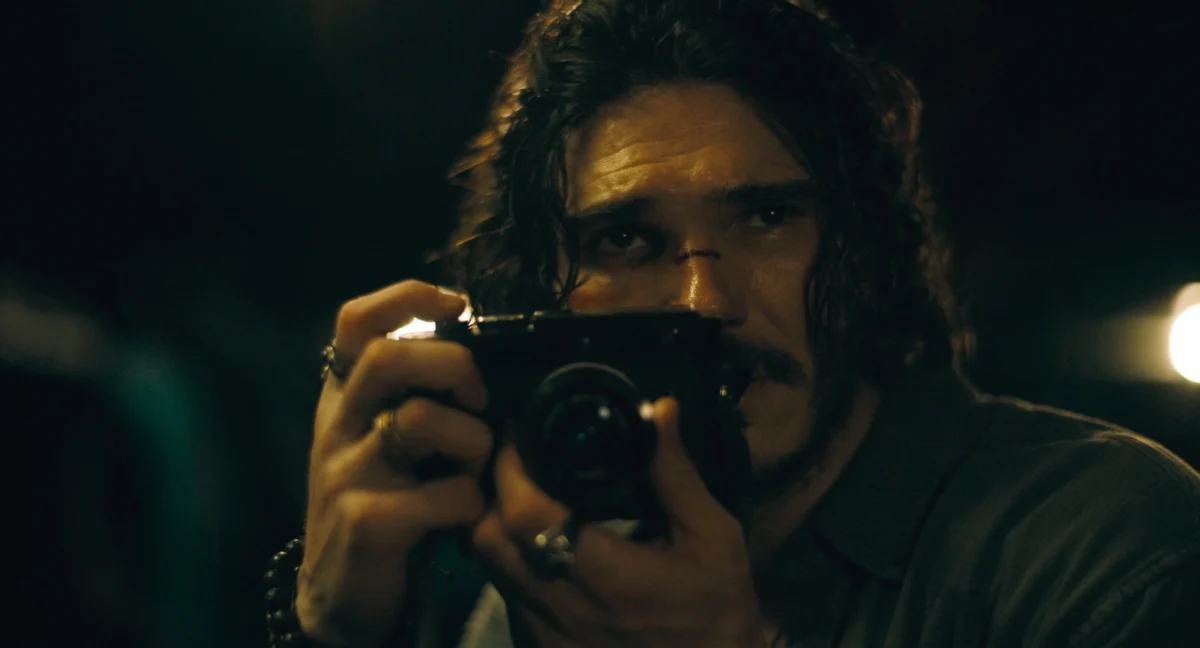
The film’s narrative follows an ex-DEA agent who travels to the remote, rugged mountains of South America on a desperate mission to find his murdered diplomat siblings’ children. He is joined by a struggling photographer who claims to have witnessed the killers, a premise that forces the protagonist to confront his own suppressed trauma as the lines between reality and the harsh wilderness begin to dissolve. The screenplay was penned by Kurt Johnstad, a frequent collaborator of Snyder’s who also wrote the scripts for Rebel Moon – Part One: A Child of Fire (2023) and Rebel Moon – Part Two: The Scargiver (2024).
The film features performances by Scottish actor Stuart Martin and Northern Irish actor Fra Fee. Furthermore, the sonic landscape of the film was crafted by a high-profile trio: Hans Zimmer, a longtime creative partner of Snyder, worked alongside composers Omer Benyamin and Steven Doar to create the score. Notably, Snyder took on a multifaceted role in the production, serving not only as director but also as the film’s cinematographer, exercising total creative control in the absence of corporate oversight.
The Critical Reception: A Polarized Response
The immediate aftermath of the TIFF premiere has revealed a stark divide among film critics and festival attendees. The reactions, disseminated largely through social media platforms, reflect a spectrum of views that range from sharp condemnation to acknowledgment of the film’s visual ambition.
Detractors have characterized the film as "bloated" and "sluggish," with several critics pointing to the absence of a traditional studio editorial process as a contributing factor to the film’s perceived lack of focus. Common critiques included the film’s pacing, the extremity of its violence, and the handling of its central themes. Some reviewers drew unfavorable comparisons to other gritty, high-stakes dramas, suggesting that the film’s attempt to reach a level of profound, art-house intensity instead resulted in a disjointed experience.
Conversely, a smaller segment of the audience highlighted the film’s technical merits. Supporters praised Snyder’s cinematography, noting that the sprawling Colombian landscapes were captured with a precision that aligned with the filmmaker’s signature visual style. For these viewers, the film represented an audacious, if imperfect, experiment in intimate, auteur-driven storytelling.
Contextualizing the Independent Shift
The decision to bypass traditional studio funding for The Last Photograph is a pivotal moment in contemporary independent cinema. In the current economic climate of the film industry, where mid-budget dramas are increasingly rare, Snyder’s move represents a gamble on the "director as brand" model.
By self-funding or utilizing independent financing, Snyder avoided the "studio intervention" that many of his critics previously identified as a potential hindrance to his creative output. However, the early feedback suggests that the absence of a studio filter has sparked a debate about the necessity of editorial oversight. Where some fans argue that this is the most "unfiltered" version of Snyder’s vision to date, others contend that the result is an undisciplined work that suffers from excessive runtime and a lack of narrative cohesion.
The Broader Impact on TIFF 2026
The inclusion of The Last Photograph in the TIFF program highlights the festival’s commitment to hosting high-profile, auteur-led projects. However, the intensity of the negative critical reception has prompted discussions regarding the selection process for prestigious festivals. When a polarizing figure like Snyder premieres a project of this nature, it inevitably draws a spotlight that can overshadow more subtle festival entries.
As the festival continues, the conversation surrounding The Last Photograph is likely to shift from the initial shock of its premiere to a more granular analysis of its themes and technical execution. The film’s performance at the festival, and its potential for future distribution, remain uncertain. Historically, films that receive such a polarized reception at festivals often struggle to find a wide audience unless they are bolstered by a strong marketing campaign or a dedicated cult following.
Implications for Snyder’s Future
For Zack Snyder, the reception of The Last Photograph serves as a litmus test for his ability to function outside the established studio system. Having spent the better part of two decades under the umbrella of major studios like Warner Bros. and Netflix, this transition to independent production is a significant pivot.
Industry analysts suggest that the success of such projects is rarely measured solely by critical approval. Instead, it is measured by the ability of the filmmaker to maintain creative autonomy while building a sustainable model for future independent work. Whether The Last Photograph becomes a blueprint for Snyder’s future or a cautionary tale about the necessity of collaboration remains to be seen.
As it stands, the film remains a "fascinating mess" to some, and an "unmitigated disaster" to others. What is indisputable is that the project has successfully generated the kind of intense discourse that is the hallmark of a major festival premiere. As the film moves through the festival circuit, it will continue to be a primary reference point for discussions on the balance between auteur ambition and narrative discipline in the modern era of filmmaking.
Looking Ahead
With the festival currently in full swing, the long-term legacy of The Last Photograph is yet to be determined. The film’s reliance on a visual-first approach, combined with a stark, brutal narrative, ensures that it will remain a divisive entry in Snyder’s filmography. For now, the audience is left to debate whether the trade-off—a film that is entirely Snyder’s own, warts and all—was worth the cost of the traditional refinement that a studio production typically provides.
Industry observers will be watching closely to see if the film secures a distribution deal following its festival run. Given the intensity of the reviews, the path to a theatrical release may be complex, potentially shifting the focus toward independent streamers or specialized arthouse distribution. Regardless of the outcome, The Last Photograph has cemented its place as one of the most discussed and debated films of the 2026 Toronto International Film Festival.