The enduring cultural fascination with vampirism continues to undergo a profound creative renaissance, driven in large part by high-profile television adaptations such as AMC’s critically acclaimed Interview with the Vampire and The Vampire Lestat. These series have successfully recaptured the public imagination by emphasizing complex psychological yearning, intense interpersonal conflict, high-stakes moral ambiguity, and unapologetic sexuality. As audiences eagerly await subsequent television seasons, literary analysts and publishing industry insiders have noted a corresponding surge in reader demand for speculative fiction that centers queer identities within the traditional vampire mythos. This sustained literary movement not only revitalizes a classic horror archetype but also offers profound commentary on marginalization, desire, and identity through the lens of paranormal romance and horror.
To better understand this literary landscape, critics and librarians have highlighted a diverse catalog of foundational and contemporary works spanning three decades of publishing history. These selections demonstrate how authors have consistently utilized the immortal blood-drinker as a vessel for exploring queer relationships, intersectional representation, and societal power structures.
Historical Foundations and the Sapphic Vampire Tradition
Long before contemporary cinematic universes popularized urban fantasy, the intersection of sapphic desire and gothic horror established deep roots within speculative literature. A primary text in this lineage is Carmilla, written by J. Sheridan Le Fanu and published in 1871. Predating Bram Stoker’s canonical Dracula by more than twenty years, Le Fanu’s novella introduced the archetype of the female vampire whose romantic fixation on her female victims blurred the boundaries of traditional gothic terror and homoerotic longing.

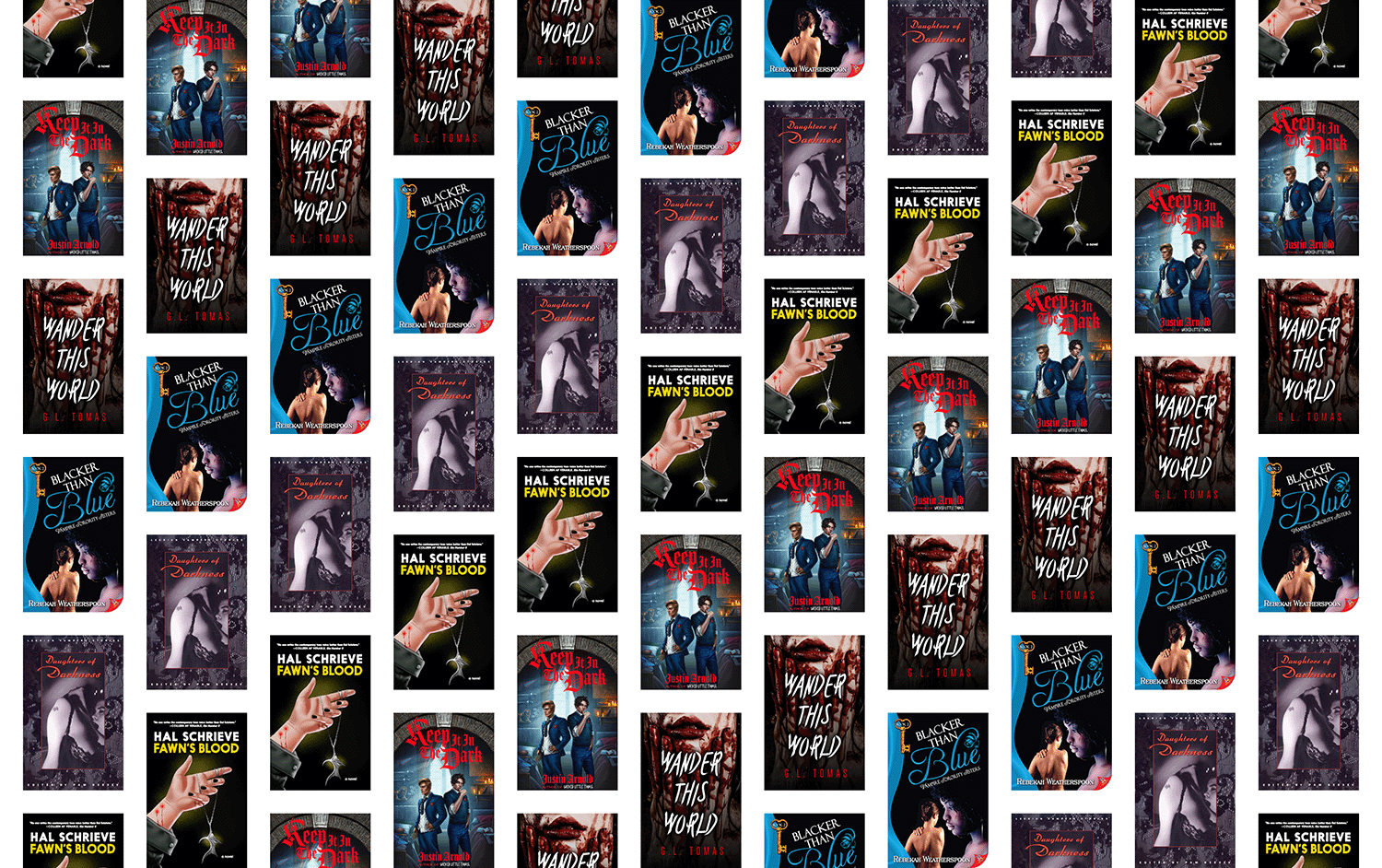
Building upon this 19th-century foundation, modern anthologists have worked to preserve and expand the visibility of queer speculative short fiction. A notable milestone in this effort is Daughters of Darkness: Lesbian Vampire Stories, edited by Pam Keesey and published by Cleis Press in 1993. This seminal collection brought together a diverse group of authors to produce explicit, sex-positive narratives exploring themes of power dynamics, eroticism, and blood consumption.
The anthology features contributions from prominent literary figures such as Patrick Califia, a recognized non-fiction author specializing in the sociology of sexuality; Katherine V. Forrest, widely celebrated for her pioneering lesbian detective novels; and Jewelle Gomez, whose contributions to intersectional speculative fiction remain influential. In addition to these contemporary works, Keesey’s compilation anchored its historical significance by republishing Le Fanu’s Carmilla. Literary historians note that anthologies like Daughters of Darkness played a crucial catalytic role in carving out a commercial space for explicitly queer erotic horror during a period when mainstream publishing largely marginalized such narratives.
Evolving Tropes: Romance, Morality, and Complex Relationships
As the paranormal romance genre matured through the late 1990s and 2000s, authors began subverting traditional narrative structures to address modern interpersonal dynamics. A prominent example of this evolution is Rebekah Weatherspoon’s Blacker Than Blue, published by Bold Strokes Books in 2011 as the second installment in the Vampire Sorority Sisters series.
While Weatherspoon is widely recognized for contemporary romance titles such as her Loose Ends and Cowboys of California series, her foray into sapphic paranormal romance introduced a darker, more psychologically intricate tone to the genre. Shifting the spotlight from the relatively lighthearted and playful atmosphere of the series’ opening volume, Better Off Red, the sequel centers on supporting characters Cleo and Benny.

The novel explores a high-conflict dominance-and-submission (dom/sub) relationship complicated by deep emotional volatility and morally ambiguous decision-making. Literary reviewers have observed that Weatherspoon’s work reflects a broader industry trend away from idealized paranormal tropes toward characters whose flaws and ethical dilemmas mirror real-world emotional complexities. This approach challenges readers to engage with romance fiction that prioritizes psychological realism over conventional narrative resolutions.
Intersectionality and Representation in Paranormal Subgenres
The landscape of paranormal romance and urban fantasy has faced historical critiques regarding homogeneity, particularly concerning the intersection of race, gender identity, and sexual orientation. Industry data from romance writers’ associations over the past decade indicates a growing push among independent and specialty presses to publish works featuring fully realized intersectional protagonists.
A significant contribution to this movement is G.L. Tomas’s Wander This World, published by Rebellious Valkyrie Press in 2016. The novel addresses a notable gap in traditional publishing by centering an intersectional, queer romance in which both protagonists are people of color. The narrative follows Melanie, an Afro-Latinx nonbinary vampire, and Penley, a queer Filipino individual, as they navigate a plot encompassing mystery, horror, murder, and romance.
Beyond its atmospheric world-building, Wander This World engages directly with systemic social issues, including institutional racism, violations of personal consent, and the psychological weight of stalking. By embedding these contemporary realities into a supernatural framework, Tomas’s work demonstrates how speculative fiction can serve as a vehicle for examining marginalized experiences without sacrificing genre conventions such as horror and romantic tension.

The Young Adult Renaissance: Enemies-to-Lovers and Modern High School Dynamics
The young adult (YA) fantasy market has experienced a substantial resurgence in vampire-centric narratives, driven by shifting readership demographics and a renewed appetite for gothic aesthetics in contemporary teen fiction. This wave of publication reinterprets classic tropes—such as the high school social hierarchy and the "enemies-to-lovers" dynamic—through modern lenses of inclusivity and emotional nuance.
A primary example of this trend is Justin Arnold’s Keep It in the Dark, published by Tiny Ghost Press in 2024. The novel utilizes a familiar elite boarding school setting—Mockingbird Prep—where the golden-boy protagonist, Rowan, serves as the headmaster’s son, star quarterback, and fencing team captain. His structured life is upended by the arrival of Casper, a transfer student and secret vampire belonging to an aristocratic lineage who has been given one academic year to control his bloodlust abroad.
The resulting relationship transitions from a high-tension "roommate from hell" scenario into a deeper romantic connection, complicated further by the persistent threat of external vampire hunters. Publishing analysts note that contemporary YA vampire fiction frequently employs the immortal protagonist as a metaphor for adolescent alienation, the fear of discovery, and the navigation of intense emotional volatility during formative years.
Speculative Fiction as Social Commentary: Trans Narratives in Vampire Lore
In addition to romantic and supernatural tropes, recent speculative fiction has increasingly engaged with contemporary sociopolitical realities. Hal Schrieve’s Fawn’s Blood, slated for publication by Triangle Square in 2025, exemplifies this trend by integrating transgender identities and rural displacement into an alternate United States where the existence of vampires is public knowledge—a world-building technique reminiscent of Charlaine Harris’s Sookie Stackhouse series.

The narrative follows Fawn and Silver, two teenage protagonists grappling with the realities of being transgender in a conservative small hometown. When Silver flees to Seattle to undergo transformation into a vampire, Fawn follows him westward. Concurrently, Rachel—the daughter of a notorious vampire slayer who has also been recently turned—struggles to conceal her new status from her hostile family.
These narrative arcs converge with the introduction of Cain, an antagonistic character who serves as a narrative foil to the supportive, communal sanctuary Silver discovers among Seattle’s underground vampire population. Literary critics have observed that setting these supernatural coming-of-age stories against the backdrop of systemic marginalization provides a resonant allegorical framework for contemporary readers navigating legislative and social hostility toward transgender communities in the United States.
Industry Implications and Future Outlook
The continued expansion of queer vampire narratives across both independent and major publishing houses points to a fundamental shift in reader expectations. As adaptations like Interview with the Vampire maintain mainstream interest in complex, non-traditional monsters, the literary market is responding with increased publication breadth.
Publishing economists and literary researchers suggest that this genre growth is not merely a cyclical trend, but a permanent diversification of speculative fiction. By decoupling the vampire archetype from rigid 19th-century heteronormative frameworks, authors have unlocked new thematic dimensions that address contemporary anxieties surrounding identity, power, and belonging. Consequently, readers seeking narratives defined by high emotional stakes, ethical complexity, and inclusive representation will find a robust and rapidly expanding catalog of works ready to fill the void between television seasons.