The cinematic landscape of biographical filmmaking has long struggled with the daunting task of compressing sweeping, tumultuous lives into standard two-hour runtimes. Too often, biopics suffer from Wikipedia-style chronology, checking off major life milestones at the expense of genuine dramatic resonance. However, director and writer Richie Mehta, alongside co-writer Anu Singh, has bypassed this cinematic pitfall in his latest feature, Phoolan. Premiering to notable acclaim at the Toronto International Film Festival, the film narrows its lens to a singular, high-stakes chapter in the life of Phoolan Devi: a grueling 48-hour siege in 1981 where India’s most notorious female outlaw stood against a staggering force of 2,000 heavily armed law enforcement officers in the heartland of the Chambal region.
The Main Facts and Narrative Structure
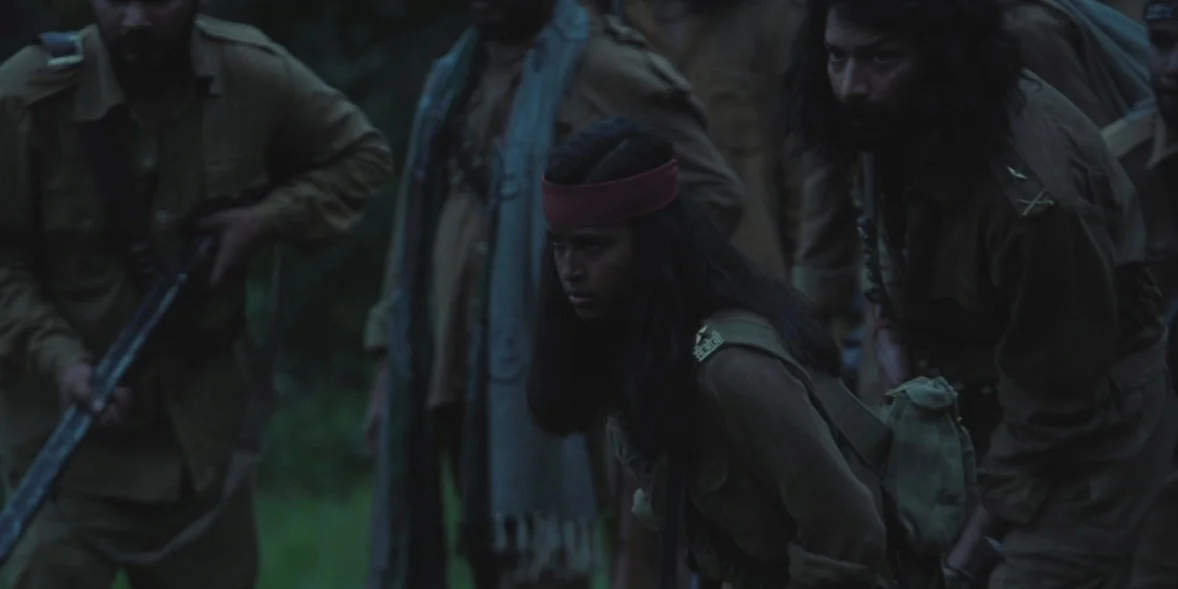
At its core, Phoolan is less of a traditional cradle-to-grave biography and more of a relentless, pulse-pounding survival thriller. The narrative thrust centers on the pivotal standoff that defined a critical juncture of Devi’s life. Rather than detailing every facet of her impoverished youth as a member of the Mallah subcaste or the cascading abuses of the institutionalized caste system that radicalized her, Mehta anchors the audience directly into the chaos of the manhunt.
The film opens with Sneha Kumari delivering a fiery, physically demanding performance as the titular revolutionary. Kumari’s portrayal captures both the visceral exhaustion of constant evasion and a simmering, silent intensity that speaks volumes. For nearly two hours, the modern timeline functions as an endurance race. Phoolan is perpetually running, strategizing, shooting, and evading capture in the rugged terrain of the Indian heartland.
Interspersed throughout the relentless action are carefully placed flashbacks. These sequences provide essential context, illustrating the compounding societal oppressions, domestic abuses, and systemic failures that pushed a young girl from the fringes of society into becoming a symbol of resistance for the impoverished rural populace.
Historical Background and Chronology
To fully understand the weight of the events depicted in Phoolan, one must examine the socio-political climate of rural northern India during the late 1970s and early 1980s. The Chambal ravines—notoriously rugged terrain spanning parts of Uttar Pradesh, Madhya Pradesh, and Rajasthan—had long served as a safe haven for outlaws, rebels, and those alienated by the rigid hierarchies of the Indian caste system.
Phoolan Devi’s journey into outlaw life was catalyzed by profound personal trauma and systemic injustice. Belonging to the marginalized Mallah (boatman) community, she endured severe child marriage, domestic abuse, and upper-caste violence, including a harrowing gang rape by upper-caste Thakurs in her village of Behmai. Refusing to accept subjugation as her destined fate, she aligned herself with bandit gangs, eventually rising through the ranks to lead her own faction. Her notoriety grew not merely from criminal acts, but because her targets were frequently the oppressive landlords and corrupt officials who terrorized the lower-caste rural poor.
The climax of the film—and the real-life historical event it dramatizes—occurred in 1981. Recognizing Devi as a direct challenge to state authority and upper-caste dominance, regional authorities mobilized an unprecedented paramilitary and police force. Estimates from the era corroborate the sheer scale of the operation, with approximately 2,000 armed personnel deployed to surround, isolate, and eliminate Devi and her loyalists over a tense, multi-day siege in the badlands.
Supporting Data and Production Excellence
The technical execution of Phoolan elevates it from a standard action-drama into a masterclass in tension pacing. Director Richie Mehta maintains a relentless momentum, ensuring that the relentless shootouts and tactical maneuvers do not induce audience fatigue over the 113-minute runtime.
Much of this success is attributable to the meticulous editing by Beverley Mills, who balances the frantic pacing of the manhunt with the reflective breathing room of the flashback sequences. Complementing the editing is the visceral cinematography of Pip White. Utilizing balanced handheld camera work, White plunges the viewer directly into the dust, crossfire, and claustrophobic ravines of the Chambal region without sacrificing spatial clarity during major action set pieces.
The supporting cast—featuring Anurag Thakur, Vikram Pratap Singh, Aakash Dahiya, Prateek Pachouri, and Devdutt Banodiya—adds substantial texture to the narrative. They construct an authentic, lived-in world that mirrors the complex web of loyalties, fear, and solidarity among rural villagers who sheltered the bandits out of shared disenfranchisement against the state apparatus.
Official Responses and Perspectives Within the Narrative
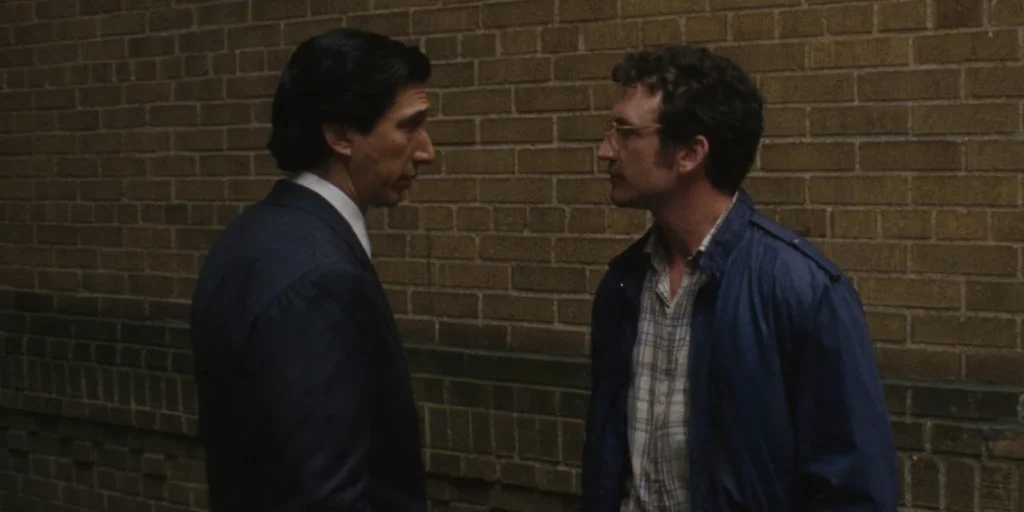
A notable strength of Singh and Mehta’s screenplay is its refusal to rely strictly on a simplistic binary of good versus evil. While the primary focus remains on Phoolan’s struggle for survival, the narrative periodically shifts perspective to a jaded police officer within the massive state contingent.
Through this framing, the film exposes the moral decay and collateral damage inherent in the state’s mission. The character’s internal conflict reflects the harsh reality of law enforcement operations in the region—where the sheer brutality inflicted by the state upon its own citizens was often calculated to send an intimidating political message rather than merely uphold the rule of law. This counter-perspective enriches the storytelling, validating why a figure like Phoolan commanded such profound, albeit complex, loyalty from marginalized rural communities who saw the police not as protectors, but as enforcers of an oppressive patriarchy.
Broader Impact and Implications
Phoolan arrives at a time when global cinema is increasingly reevaluating the historical narratives of marginalized revolutionaries, rebels, and indigenous figures. By choosing to focus on a single, pressurized episode rather than attempting a comprehensive biographical sweep, the filmmakers have crafted a case study in how to maintain narrative focus in biographical filmmaking.
For audiences unfamiliar with the broader historical context of Phoolan Devi—often dubbed the "Bandit Queen" in popular lore—the film serves as an immersive entry point. More importantly, it achieves what the finest biopics strive for: it leaves the viewer not only astounded by the sheer physical and psychological endurance of its subject, but intellectually curious enough to delve deeper into the complex socio-political history of modern India.
As one of the standout discoveries at the Toronto International Film Festival, Phoolan proves that historical action-thrillers can successfully marry high-octane entertainment with incisive social commentary, setting a high benchmark for future biographical dramas in the global marketplace.