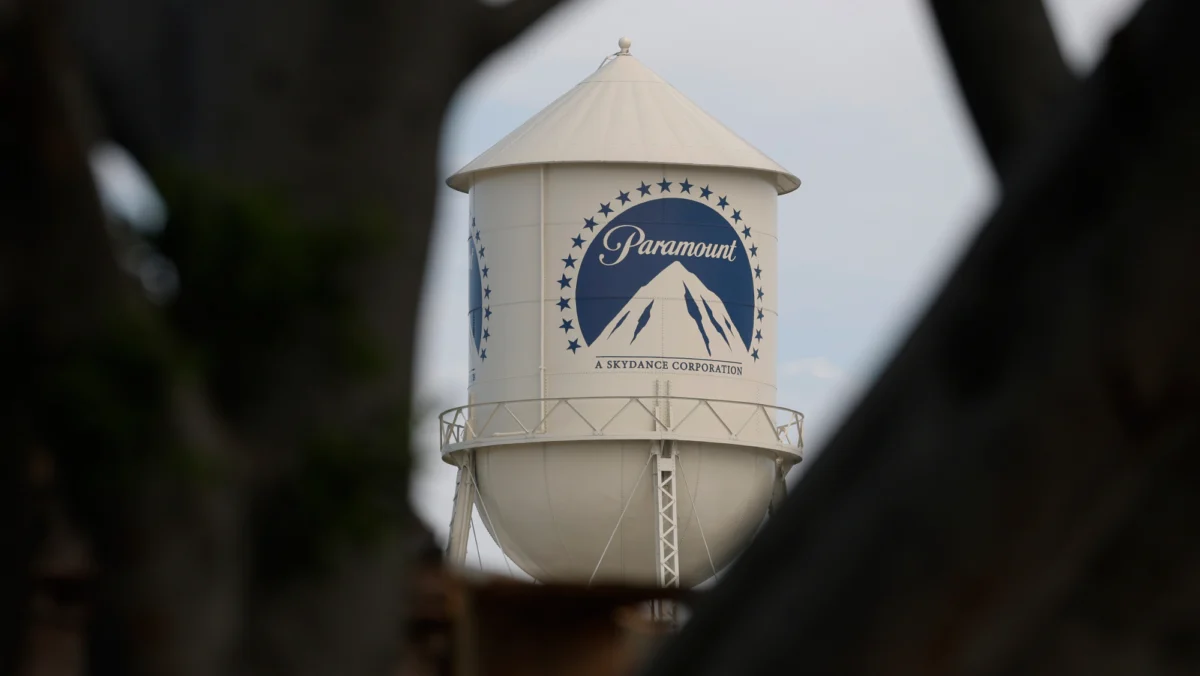
The potential resolution marks a pivotal juncture in one of the most complex media consolidation efforts in recent history. As the clock ticks toward an October 1 deadline, the high-stakes negotiation between Paramount and the California-led coalition of states represents a last-ditch effort to bypass a protracted and costly trial. According to reports from The Wall Street Journal and Reuters, the two parties are engaged in advanced discussions that could see the merger move forward without the structural divestitures that regulators typically demand in such massive industry shakeups.
The Anatomy of the Proposed Settlement
The core of the reported agreement hinges on behavioral concessions rather than the structural remedies—such as selling off key assets or business units—that Attorney General Rob Bonta has historically insisted upon. Central to the tentative deal is an arrangement that would force Paramount to operate the combined movie studios as distinct, separate entities for a defined transitional period. This "firewall" approach is designed to preserve competitive tension in the film production market, ensuring that the merger does not result in an immediate, total consolidation of creative output and distribution power.
Furthermore, the settlement framework includes rigorous oversight mechanisms. Reports indicate that the deal may involve independent monitoring of CNN’s operations, a move likely aimed at addressing concerns regarding journalistic independence and the potential for corporate influence over news gathering. Additionally, Paramount is expected to formalize commitments regarding theatrical release volumes, likely codifying pledges to maintain a minimum of 30 theatrical releases annually, each backed by a 45-day exclusive theatrical window. These commitments serve as a form of insurance for theater chains and independent creators, ensuring that the merged entity remains a consistent supplier of content to the big screen.
Chronology of the Merger and Legal Conflict
The trajectory of this deal has been marked by volatility and public friction. The acquisition bid, spearheaded by Paramount CEO David Ellison, was designed to consolidate two of Hollywood’s most storied assets, creating a media conglomerate with unprecedented scale. However, the plan immediately hit regulatory hurdles, particularly in California, where Bonta’s office expressed profound concerns over the concentration of power.
Throughout the summer, the relationship between the studio and the Attorney General’s office soured. In August, negotiations reached a nadir when Bonta abruptly canceled a scheduled meeting with Paramount representatives. The Attorney General cited a lack of good faith, accusing the studio of leaking confidential details to the media and misrepresenting the status of the talks to generate public pressure. This public spat underscored the deep-seated mistrust that has defined the litigation thus far.
Despite these setbacks, the necessity for a deal has only intensified. Paramount faces a financial "ticking fee"—a $7 million-per-day penalty—that is scheduled to begin accruing on October 1 if the merger is not finalized. This financial pressure has served as a catalyst for the current, accelerated round of negotiations. If a settlement is not reached before the start of next month, the companies face the prospect of a high-profile trial currently scheduled for March, alongside a formal mediation session with the Writers Guild of America set for October 14.
Financial Backing and Global Implications
The scale of the deal is supported by a massive influx of foreign capital. On Thursday, the Federal Communications Commission (FCC) provided a critical regulatory green light, approving significant equity investments from three Middle Eastern sovereign wealth funds. These entities are collectively providing $24 billion in financing, a figure that highlights the international appetite for American media assets.
The inclusion of this foreign capital has been a point of scrutiny for regulators. SEC filings reveal that following the completion of the merger, foreign investors will collectively hold approximately 49.5 percent of the combined entity. While the FCC’s approval suggests that national security and media ownership concerns have been sufficiently addressed, the heavy reliance on international sovereign wealth underscores the shifting landscape of media ownership, where traditional studio models are increasingly reliant on global investment vehicles to fund massive acquisitions.
Analyzing the Regulatory Strategy
The reluctance of the Attorney General to demand divestitures—if the current settlement holds—represents a significant shift in the enforcement strategy. Historically, state and federal regulators have viewed the merger of two major film studios as inherently anti-competitive, often mandating the sale of specific assets to ensure that a dominant player does not stifle market entry for smaller production houses.
By opting for behavioral remedies instead, the regulators are signaling a preference for "managed competition." This strategy assumes that the harms of consolidation can be mitigated through strict operational rules—such as the requirement to keep studios separate and the mandate for theatrical release quotas—without dismantling the underlying economic value of the merger. However, critics argue that behavioral remedies are notoriously difficult to enforce over the long term, as market conditions shift and the merged entity finds ways to consolidate its power behind the scenes despite operational firewalls.
Official Responses and the Path Ahead
As of this writing, both sides remain cautious. A spokesperson for Attorney General Bonta stated, "Potential settlement talks are confidential. We cannot confirm or deny whether settlement talks are occurring or their alleged substance." Paramount has declined to comment on the record.
The ambiguity surrounding the talks reflects the delicate nature of the legal environment. Both parties are aware that any statement could be interpreted as a sign of weakness or an admission of guilt, potentially shifting the balance of power in the upcoming March trial. For CEO David Ellison, the stakes are existential; he has reportedly threatened to relocate the studio’s primary operations out of California if a settlement is not achieved by October. Such a move would be a major blow to the state’s economy, which relies on the film industry as a cornerstone of its tax base and employment ecosystem.
Broader Market Implications
The outcome of this settlement will set a precedent for future media mergers in an era of rapid digital transformation. As legacy studios struggle to compete with streaming giants and tech-first content producers, the pressure to consolidate has never been higher. If Paramount successfully navigates this merger through behavioral concessions, it could provide a roadmap for other industry players to pursue similar consolidations without being forced to break up their companies.
Conversely, if the deal fails and proceeds to trial, the industry will be forced to contend with a legal precedent that could significantly restrict how media companies grow in the future. The trial is expected to delve into complex questions regarding the power of streaming platforms, the role of theatrical windows in sustaining cinema, and the extent to which the government can dictate the internal operational structure of private corporations.
For now, the industry watches the clock. With the October 1 deadline looming, the tension in Hollywood is palpable. Whether the settlement succeeds or the parties find themselves in a courtroom next spring will depend on the final, fine-print details of the agreement—specifically, whether the behavioral safeguards offered by Paramount are viewed as sufficient by the Attorney General to protect the public interest and the competitive health of the entertainment market. For the moment, the proposed settlement stands as a testament to the power of financial deadlines in forcing cooperation in even the most contentious regulatory disputes.