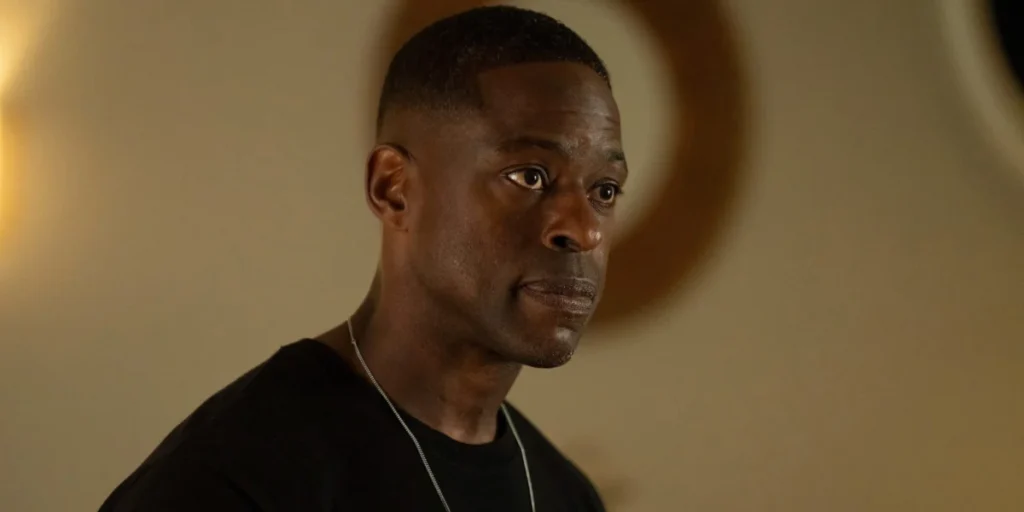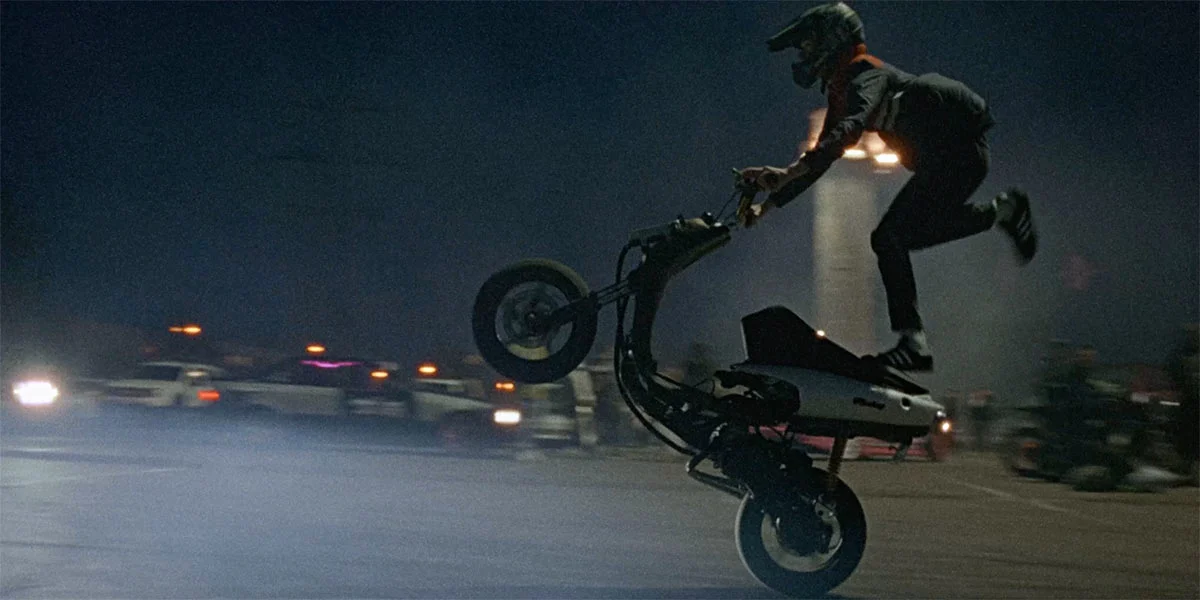
The full-scale invasion of Ukraine by the Russian Federation, which escalated dramatically on February 24, 2022, fundamentally altered the trajectory of millions of lives, forcing an entire generation of twentysomethings to prematurely navigate the harrowing expanse between active frontlines and a disrupted home front. In his striking 97-minute documentary feature Black Sunflowers, director James Marcus Haney captures this surreal duality, presenting a visceral portrait of young Ukrainians striving to preserve the normal rituals of youth while operating under the constant, kinetic threat of mortality. Drawing heavily on his background in music video production and immersive visual storytelling, Haney juxtaposes the raw, adrenaline-fueled chaos of active combat with the hedonistic escapism of underground raves and vibrant youth countercultures. The resulting film serves not only as an intimate look at a localized European conflict, but as a broader, haunting meditation on how humanity stubbornly seeks out light, community, and joy against the backdrop of existential devastation.
Chronology of a Nation Transformed: From Escalation to Endurance
To fully understand the psychological landscape depicted in Black Sunflowers, one must examine the timeline of the conflict that serves as the documentary’s grim backdrop. The crisis began years earlier with the illegal annexation of Crimea and the outbreak of hostilities in the Donbas region in 2014, but the February 2022 invasion marked an unprecedented escalation into conventional, industrialized total war. The initial weeks of the full-scale invasion saw millions displaced, transforming major urban centers like Kyiv, Kharkiv, and Odesa into zones of sudden fortification and survival.
As the war settled into a grinding war of attrition through 2023 and 2024, the psychological toll on the civilian population and military personnel alike shifted from acute shock to chronic endurance. Haney’s production embeds itself directly into this prolonged reality, capturing soldiers moments after surviving close-range artillery strikes alongside civilians attempting to maintain a semblance of ordinary life. The documentary illustrates how the passage of time warps under wartime conditions; everyday milestones such as education, career planning, and romantic milestones are compressed, accelerated, or entirely abandoned. The chronology of the film reflects a society forced to live at an unsustainable velocity, where years of emotional development are packed into fleeting, intense weeks.
The Duality of Survival: Frontlines and Rave Culture
One of the most compelling aspects of Haney’s directorial approach is the deliberate juxtaposition of opposing realities. On one end of the spectrum are harrowing scenes captured via bodycam footage from the frontlines, complemented by quiet, devastating observations of bombed-out apartment complexes, desolate train stations, and agricultural fields scarred by military ordnance. These sequences underscore the physical destruction of Ukraine’s infrastructure and the constant, lingering hazard of unexploded munitions.
Conversely, the documentary pivots sharply into the subcultures of Ukraine’s urban youth, who turn to pulsating electronic music and underground raves as a therapeutic release from relentless tension. Haney utilizes his extensive visual storytelling expertise to frame these crowded dance floors not merely as scenes of youthful rebellion, but as profound acts of psychological resistance. Sweaty, writhing crowds lose themselves in heavy basslines, creating a sensory buffer against the pervasive dread of the war outside. This stark contrast emphasizes a near-schizophrenic societal divide: a generation growing up at the intersection of extreme beauty and catastrophic violence, where a golden sunflower field can be instantly ruined by the shockwave of a nearby mortar detonation.
Geopolitical Fatigue and International Disillusionment
While the primary focus of Black Sunflowers remains firmly rooted in the internal emotional worlds of its youthful subjects, geopolitical realities inevitably seep into the narrative like distant, dull thunder. The documentary addresses the shifting tides of international support with a sense of cold, pragmatic disillusionment. Major international political developments—including foreign elections and the fluctuating status of crucial aid packages from traditional Western allies—are viewed by the Ukrainian youth not with sweeping ideological passion, but as dry data points impacting their immediate survival.
The film captures moments where global political shifts, such as debates over USAID funding and high-profile diplomatic friction between Ukrainian leadership and international partners, are processed with sober realism. Rather than expressing shock at wavering foreign commitments, the subjects display an ingrained understanding that relying entirely on the shifting political agendas of external actors is a dangerous luxury. This creates a powerful subtext regarding agency and self-reliance, highlighting the resilience of a population that recognizes that, ultimately, the burden of defense and survival rests heavily upon their own shoulders.
Broader Impact and Psychological Implications
The broader implications of Black Sunflowers extend far beyond the borders of Ukraine, offering universal insights into the long-term psychological fallout of modern warfare on young demographics. Sociological data collected by international humanitarian organizations since 2022 underscores the pervasive anxiety, depression, and post-traumatic stress experienced by Ukrainian youth. Haney’s documentary translates these clinical statistics into living, breathing human experiences through deeply probing interviews and intimate access.
The film explores the profound psychological polarization among the youth: while some individuals feel an urgent, desperate need to embrace the present—rushing into early marriages and military enlistment to secure their legacy—others express a deep-seated envy of peers in peaceful nations who retain the luxury of prolonged uncertainty and unhurried maturation. This tension raises critical questions regarding the future stability of a generation whose formative years have been defined by air-raid sirens, displacement, and the constant evaluation of mortality.
Conclusion and Future Outlook
Black Sunflowers stands as a definitive cinematic testament to human tenacity in the face of overwhelming odds. By focusing on the dark beauty of survival, director James Marcus Haney avoids simplistic heroics in favor of a nuanced examination of bravery, psychological coping mechanisms, and the desperate human drive to push back against darkness.
As the conflict persists with no definitive end in sight, the subjects of this documentary represent the frontline of a society attempting to rebuild its future while still trapped in the present. Film critics and cultural observers have noted that a retrospective follow-up project a decade from now will be essential to fully grasp how these young individuals transition into full adulthood under the lingering shadow of historical trauma. Until then, Black Sunflowers captures a vital, fleeting moment in time—a powerful reminder of how precious normalcy becomes when it is constantly under siege, and how fiercely humanity will reach for the light even as the storm closes in.