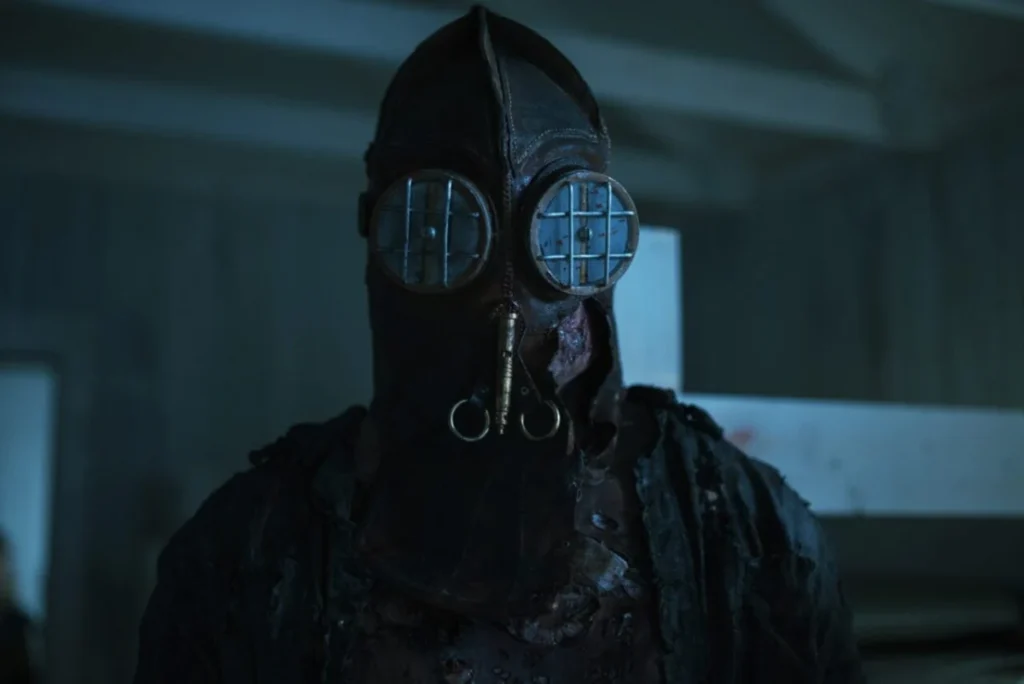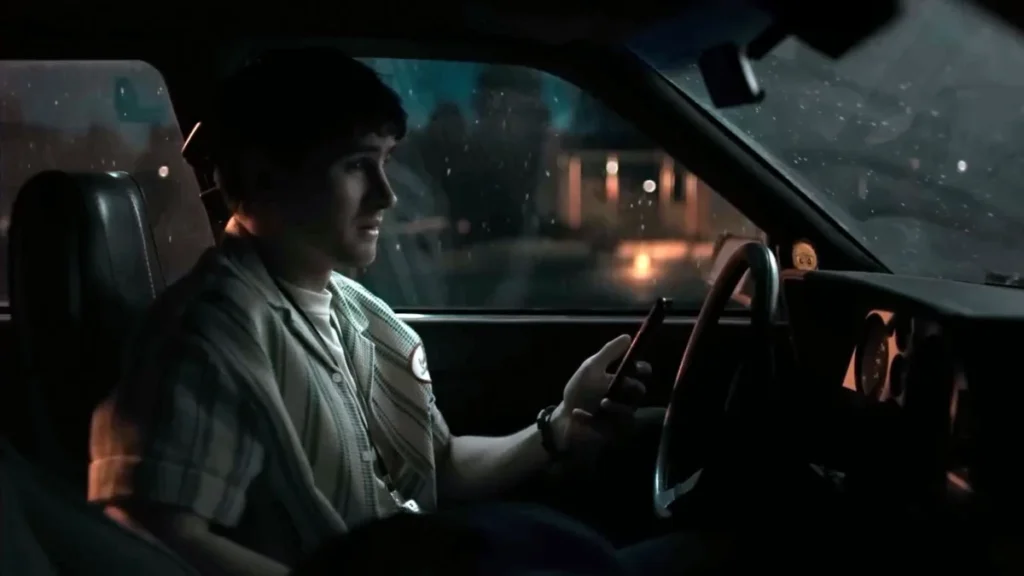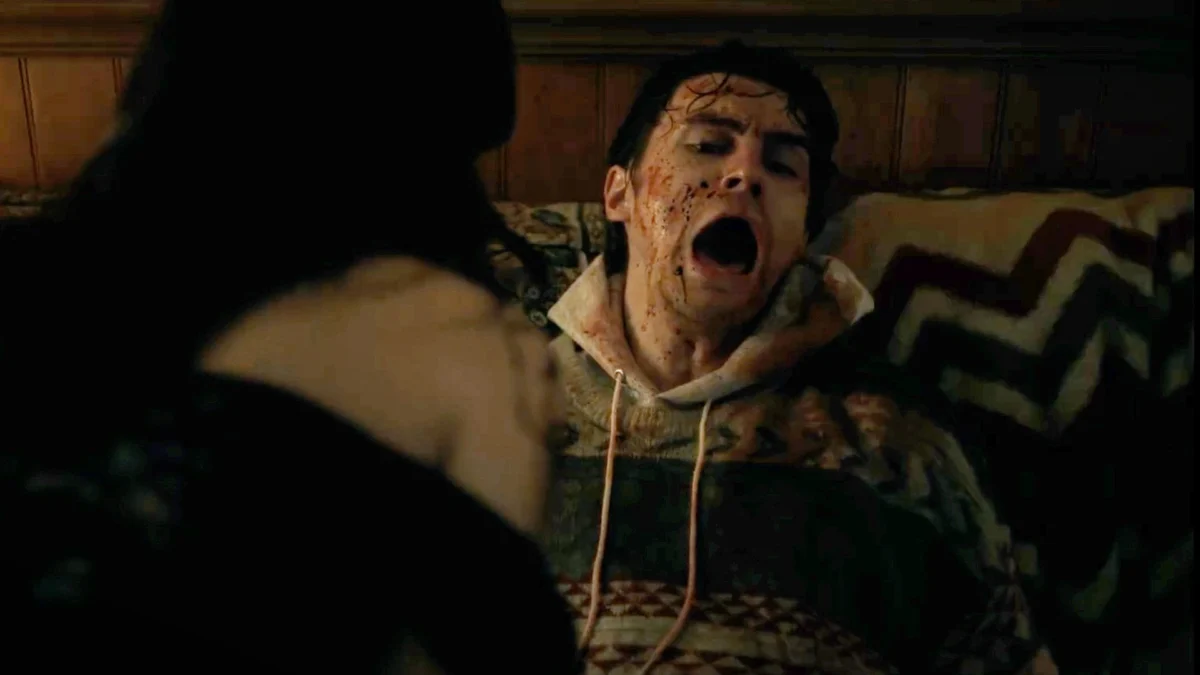
The meteoric rise of the horror phenomenon Obsession, directed by Curry Barker, has become a defining case study in the modern film industry’s tug-of-war between theatrical exhibition and the dominance of streaming platforms. While the film has since secured its legacy as a cultural touchstone, recent revelations from Barker confirm that the production narrowly escaped a straight-to-streaming fate that might have fundamentally altered its trajectory and public reception.
A Bidding War and the Netflix Dilemma
During a recent appearance on the podcast Q With Tom Power, Barker detailed the intense acquisition climate that followed the completion of the project. As the film garnered industry attention, high-level negotiations began to take shape, involving multiple major studios and global streaming entities. Barker described the period as one of immense professional anxiety, as he grappled with the prospect of losing creative control over his vision.
"I called my manager, and he explained that everyone was putting in a bid for this thing," Barker stated. "At that time, I was still hoping for a theatrical release. As a director, I was concerned about the potential for creative interference—whether a streamer would mandate changes or demand the removal of specific sequences that I felt were essential to the narrative."
Among the entities vying for the rights was Netflix, a platform known for its aggressive acquisition strategies and standardized distribution models. For many independent filmmakers, the security of a guaranteed streaming buyout is often weighed against the prestige and reach of a traditional theatrical rollout. In this instance, Netflix offered a deal that would have bypassed the cinema circuit entirely, a move that would have placed the film directly into the platform’s algorithm-driven library.
The Value of Theatrical Presence
The decision to forgo a streaming-only deal in favor of a traditional theatrical release has proven to be the most significant factor in the film’s sustained success. Market analysts note that theatrical horror films—especially those that generate strong "word-of-mouth" buzz—often experience a "multiplier effect" that streaming titles struggle to replicate.

By playing in theaters, Obsession was able to foster a communal viewing experience. The nature of the horror genre relies heavily on audience reaction; the shared visceral response of a theater full of viewers creates a feedback loop that increases engagement and media attention. Had the film been released as a Netflix Original, it would have been subject to the platform’s "content drop" strategy, where titles are often buried within weeks by newer, algorithmically prioritized content.
Chronology of a Cultural Phenomenon
The trajectory of Obsession has been nothing short of atypical in the current cinematic landscape. Following its successful theatrical debut, the film defied industry trends by maintaining high attendance figures over several weeks.
- Initial Acquisition Phase: Following the completion of principal photography, multiple studios entered a competitive bidding phase.
- The Streaming Offer: Netflix presented an offer for exclusive streaming rights, which would have precluded a theatrical window.
- Theatrical Selection: Producers opted for a wider distribution model, prioritizing a multi-week theatrical run to establish the film’s brand identity.
- Post-Release Momentum: The film’s success triggered a series of secondary marketing opportunities, including a high-profile guest appearance by star Inde Navarrette on Saturday Night Live.
- Integrated Marketing: Universal’s Halloween Horror Nights incorporated characters from the film into their seasonal attractions, further solidifying the property as a pop-culture staple.
Data-Driven Analysis of Theatrical vs. Streaming
The economic impact of the theatrical release versus a streaming acquisition is substantial. According to industry reports, films that originate in theaters typically carry higher "cultural weight," which translates into long-term intellectual property (IP) value.
While streaming platforms offer upfront liquidity, the theatrical model provides a measurable performance metric that influences future studio support. For instance, the collaboration with Universal’s Halloween Horror Nights serves as a tangible metric of the film’s success. Such partnerships are rarely afforded to films that do not have a robust, public-facing theatrical footprint. By choosing the theater, the creative team behind Obsession ensured that the film was treated as an event rather than a static digital asset.
Creative Integrity and Studio Dynamics
Barker’s hesitation regarding Netflix was grounded in valid industry concerns regarding the "homogenization" of content. Streamers often utilize data-driven editing—adjusting pacing or tone based on user retention metrics—which can dilute a director’s original intent.
In the case of Obsession, the preservation of the film’s edit was a point of contention during the bidding process. Reports have since surfaced suggesting that the film underwent rigorous re-editing and reshoots to perfect its narrative structure. While these processes are standard in high-stakes filmmaking, the control exerted over these edits is often more pronounced in studio-distributed films compared to projects managed by algorithm-heavy streamers. The fact that the film was able to retain its identity while undergoing these necessary refinements highlights the importance of keeping creative control in the hands of the filmmakers.

The Case for Inde Navarrette
The success of the film has also brought renewed attention to lead actress Inde Navarrette. Her performance has been widely cited as the anchor of the film’s emotional resonance. Critics have noted that her ability to carry the narrative through intense, high-stakes horror sequences warrants consideration for top-tier industry awards.
If a film of this nature is to gain traction at the Academy Awards, a theatrical release is a prerequisite. The visibility afforded by the theatrical run allows for a sustained "For Your Consideration" campaign, which is virtually impossible to organize for films that disappear into the vast catalogs of subscription-based streaming services. Navarrette’s upcoming hosting duties on Saturday Night Live represent the culmination of this visibility, demonstrating the mainstream reach that only a successful theatrical film can provide.
Broader Implications for Independent Filmmaking
The story of Obsession serves as a cautionary tale and a blueprint for future independent directors. It underscores the necessity of fighting for theatrical windows, even when faced with lucrative buyout offers from streamers. While streaming remains a vital outlet for indie content, the potential for a film to become a "cultural moment" is still inextricably linked to the physical experience of the theater.
The film industry is currently at a crossroads. As studios continue to consolidate and streamers tighten their belts, the opportunities for theatrical releases are becoming increasingly scarce for mid-budget horror films. The decision to reject a quick payout from a streaming giant in favor of a riskier, but potentially more rewarding, theatrical rollout has paid dividends for the team behind Obsession.
In conclusion, the path taken by the producers and director of Obsession reinforces the enduring power of the cinema. By bypassing the convenience of a streaming dump, the creative team ensured that the film would not only survive but thrive in the public consciousness. As the industry moves forward, this narrative will likely be referenced in future discussions regarding the long-term value of theatrical exhibition and the protection of creative vision in an era of corporate consolidation. The film is no longer just a piece of horror media; it is a testament to the fact that when filmmakers retain their autonomy and demand a presence on the big screen, the rewards—both critical and cultural—are substantially higher.