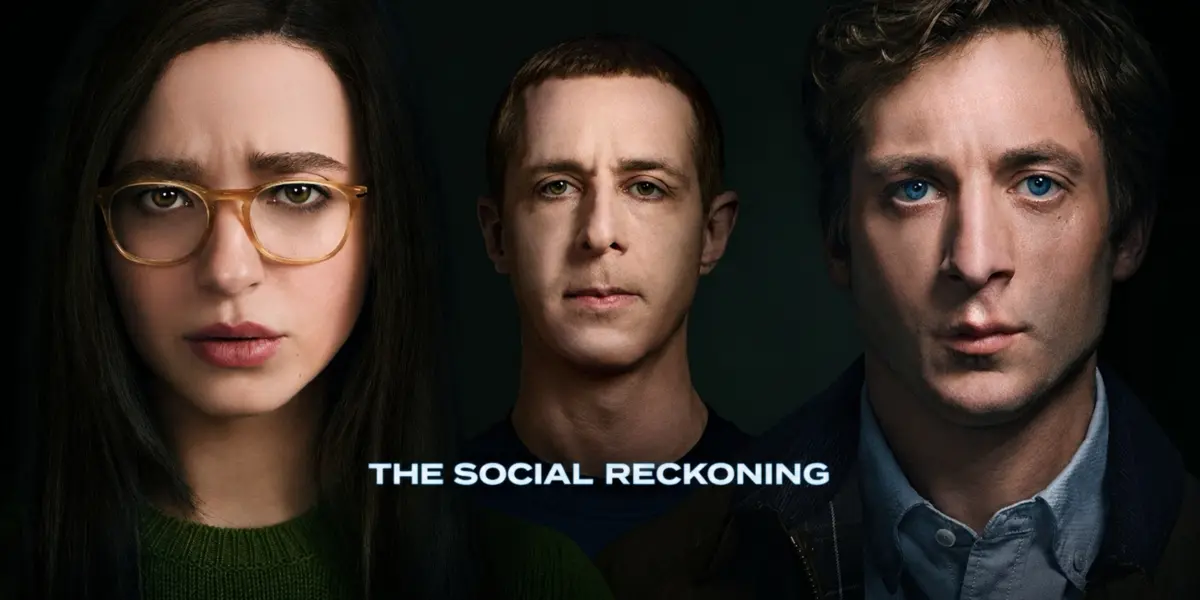
The landscape of modern digital communication and corporate accountability takes center stage as film critics and industry analysts dissect Aaron Sorkin’s latest cinematic endeavor, The Social Reckoning. In a comprehensive, spoiler-filled episode of the Next Best Picture Podcast, host Matt Neglia is joined by film journalists Ema Sasic and Dan Bayer to examine the companion piece to David Fincher’s critically acclaimed 2010 masterpiece, The Social Network. While the original film chronicled the tumultuous genesis of Facebook in Harvard dormitories, the new picture shifts its focus to the contemporary technological ecosystem. Specifically, it dramatizes the watershed 2011-to-2021 events surrounding the massive Facebook leaks spearheaded by whistleblower Frances Haugen and investigated by journalist Jeff Horwitz.
The podcast discussion offers a deep dive into Sorkin’s distinct writing style, directorial choices, and the stylistic departures from Fincher’s predecessor. Furthermore, the panel evaluates the film’s ensemble cast—featuring Mikey Madison, Jeremy Allen White, Wunmi Mosaku, Betty Gilpin, Billy Magnussen, Bill Burr, and Jeremy Strong—while assessing the project’s early Academy Award prospects. As part of the Evergreen Podcasts Network, the review brings mainstream film discourse into conversation with real-world legal, political, and ethical dilemmas that continue to shape global information networks.
Background Context Of The 2021 Facebook Leaks
To understand the narrative weight of The Social Reckoning, one must examine the real-world events that inspired the screenplay. In the autumn of 2021, a former Facebook product manager turned whistleblower, Frances Haugen, leaked tens of thousands of internal company documents to the Securities and Exchange Commission (SEC) and provided redacted versions to The Wall Street Journal. This journalistic endeavor, spearheaded by reporters including Jeff Horwitz, culminated in a high-profile series of investigative reports known internally and publicly as the Facebook Files.
The leaked documents revealed that Meta—Facebook’s parent company—was acutely aware of numerous platform-induced harms, ranging from the negative mental health impacts of Instagram on teenage girls to the amplification of ethnic violence in developing nations, such as Myanmar and Ethiopia. Despite internal research confirming these systemic issues, executives allegedly prioritized engagement metrics, user growth, and profitability over platform safety and public welfare. Haugen’s subsequent testimony before the United States Senate Subcommittee on Consumer Protection, Product Safety, and Data Security galvanized lawmakers from both major political parties, leading to intense bipartisan scrutiny of Big Tech regulatory frameworks.
Chronology And Timeline Of Development
The trajectory from the initial journalistic exposés to Sorkin’s cinematic adaptation represents a remarkably swift turnaround in Hollywood production timelines. Following the October 2021 congressional hearings and the widespread publication of the Facebook Files, public interest in the inner workings of social media conglomerates reached an all-time high.
By late 2022 and early 2023, industry trade publications began reporting that Aaron Sorkin was penning a follow-up to The Social Network, aiming to capture the structural evolution of social media over the subsequent decade. Unlike the rapid, hyper-caffeinated rise of Mark Zuckerberg depicted in the 2010 film, the new project required navigating a complex web of modern corporate bureaucracy, congressional oversight, algorithmic amplification, and international geopolitics. Principal photography commenced following casting announcements that brought together a critically acclaimed roster of actors, positioning the feature for a competitive awards season rollout.
Cast Performances And Character Dynamics
A cornerstone of the Next Best Picture Podcast review is the evaluation of the film’s star-studded ensemble. The narrative relies heavily on powerhouse performances to translate dense journalistic reporting and technical white papers into compelling dramatic tension.
Jeremy Strong, known for his ability to portray intense, hyper-focused professionals, takes on a pivotal role that anchors the corporate perspective of the narrative. Meanwhile, Mikey Madison and Jeremy Allen White bring grounded humanity to the human cost of algorithmic manipulation and corporate whistleblowing. Wunmi Mosaku and Betty Gilpin add layers of institutional and legal complexity, while Billy Magnussen and Bill Burr provide stark contrasts through their portrayals of external stakeholders and media commentators observing the unfolding crisis from the outside.
Critics on the podcast note that Sorkin’s trademark fast-paced, rhythmic dialogue manifests differently in this installment compared to The Social Network. While the 2010 film relied on interpersonal betrayal, intellectual property theft, and youthful ambition, The Social Reckoning wrestles with systemic corporate negligence, making the character interactions more institutional and ideological in nature.

Stylistic Comparison: Fincher Versus Sorkin
The transition from David Fincher’s directorial vision in The Social Network to Sorkin’s handling of the new material provides a fascinating study in cinematic contrast. Fincher’s 2010 film was defined by its cool, desaturated color palette, Trent Reznor and Atticus Ross’s haunting, atmospheric score, and a moody, cynical aesthetic that mirrored the solitary, clinical nature of early software development.
Conversely, the new picture confronts an era where social media is ubiquitous, loud, and deeply integrated into the fabric of daily life. The podcast panel explores how the visual language has shifted to reflect a fractured, notification-driven reality. The pacing accelerates not just through dialogue, but through the relentless, dizzying speed of information flow, misinformation campaigns, and global news cycles. Sorkin’s direction attempts to visualize the invisible hand of recommendation algorithms, turning abstract lines of code into tangible societal consequences.
Supporting Data And Industry Implications
The cultural and financial footprint of the subject matter cannot be overstated. According to data from Meta’s public financial disclosures and independent research groups, platforms under the corporate umbrella boast over three billion active monthly users worldwide. The decisions made by engineering teams and executive boards in Menlo Park hold direct sway over democratic elections, public health discourse, and the psychological well-being of billions of individuals.
The economic implications for the film industry are equally notable. Biographical and corporate-drama films centered on recent history have historically fared well with voting bodies like the Academy of Motion Picture Arts and Sciences. The Social Network earned eight Academy Award nominations, including Best Picture, Best Director for Fincher, and Best Actor for Jesse Eisenberg, ultimately winning three trophies, including Best Adapted Screenplay for Sorkin. Industry analysts are closely monitoring whether The Social Reckoning can replicate this awards-season momentum, particularly in categories recognizing screenplay adaptation, acting, and technical achievements.
Official Responses And Public Relations Fallout
In the wake of both the 2021 disclosures and the subsequent cinematic adaptation, representatives for major technology firms have consistently defended their safety protocols and content moderation investments. When the original Facebook Files were published, Meta officials publicly pushed back against what they termed a mischaracterization of the company’s internal research, arguing that the reports relied on cherry-picked documents to paint a false picture of corporate intent.
Executives have frequently pointed to increased budgets for trust and safety teams, advancements in artificial intelligence tools designed to detect harmful content, and public calls for standardized federal regulations governing internet usage for minors. However, critics and regulatory bodies argue that voluntary compliance remains insufficient, necessitating legislative intervention to enforce transparency and accountability. The release of a high-profile Hollywood dramatization is anticipated to re-ignite these public debates, placing renewed pressure on lawmakers to advance stagnant tech-reform bills.
Broader Impact On Journalism And Cinematic Storytelling
The release of The Social Reckoning marks a significant milestone in how modern history is rapidly translated into narrative cinema. In an era where real-time news cycles are easily lost in the digital noise, feature films serve as a vital synthesis tool, condensing hundreds of pages of investigative reporting into digestible cultural touchstones.
By bridging the gap between the birth of Web 2.0 and the modern algorithmic age, the film and its corresponding critical discourse highlight the ongoing struggle between technological innovation and ethical responsibility. As audiences engage with the podcast review and the film itself, the conversation extends far beyond Hollywood accolades, prompting a critical re-evaluation of how society consumes information, how corporations police themselves, and what price humanity pays for universal digital connectivity.