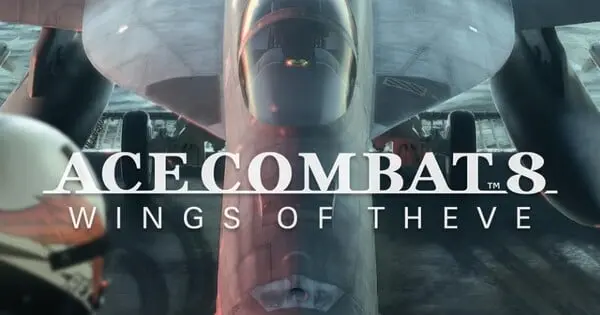
The launch of Wings of Theve comes at a critical time for the flight simulation genre, which has seen a resurgence in popularity over the last three years. By securing the top spot, Bandai Namco has demonstrated that there remains a robust appetite for high-fidelity arcade flight combat, even as the broader Japanese market continues to shift heavily toward portable gaming solutions and long-tail evergreen titles on newer hardware iterations.
A Competitive Week for Hardware and Software
The Japanese video game market saw significant activity during the period of September 28 to October 4, 2026, characterized by a mix of high-profile new releases and the continued dominance of the Nintendo ecosystem. While the PlayStation 5 took the gold medal with Ace Combat 8, the rest of the top twenty was largely dominated by Nintendo’s latest hardware, the Nintendo Switch 2, and the original Switch.
The second position was claimed by Dynasty Warriors 3 Remastered Complete Edition on PlayStation 5, which sold 18,724 units. Interestingly, the same title also appeared on the Nintendo Switch 2 at the sixth position, shifting an additional 11,684 units. This multi-platform performance indicates that Koei Tecmo’s decision to revisit the classic Dynasty Warriors era has resonated with fans across both the high-performance console demographic and the mobile-hybrid user base.
The third spot remains held by the perennial powerhouse Rhythm Heaven Groove, which continues to defy the typical sales curve. Despite launching in early July, the game has now surpassed the 1-million-unit milestone, sitting at 1,065,816 total copies sold. Its ability to maintain a top-three position months after release underscores the cultural longevity of the Rhythm Heaven brand in Japan.
Market Context and Sales Chronology
The sales period in question followed a week of anticipation for several major releases. The transition from late September into early October saw a influx of "Complete Editions" and remasters, a trend that suggests publishers are focusing on refining their back catalogs for current-generation hardware.
The chronological release schedule for the week was as follows:
- September 30, 2026: Minecraft Dungeons II (Switch 2) hit shelves, moving 12,093 units.
- October 1, 2026: A cluster of releases occurred, including Dynasty Warriors 3 Remastered Complete Edition, Xenoblade Chronicles 2 (Switch 2), Sullyland Nursery Rhyme, Ghost of Yotei Complete Edition, and Muchi Muchi Pork! & PinkSweets Boosted.
- October 2, 2026: The marquee title, Ace Combat 8: Wings of Theve, officially debuted, accounting for the vast majority of the week’s revenue in the combat flight sector.
This "release glut" at the start of October highlights a strategic push by major publishers to capture the interest of consumers as the fiscal quarter draws to a close. The presence of Ghost of Yotei Complete Edition—a relatively quick turnaround for a title of its scale—at number 13 with 3,216 units suggests that while there is demand for premium experiences, the market is currently favoring new, expansive entries like Ace Combat 8 over re-releases of recent hits.
Analysis of Platform Performance
The current market data reveals a fascinating divide in Japanese consumer behavior. The PlayStation 5 remains the primary destination for "prestige" gaming experiences that prioritize visual fidelity and mechanical complexity. The success of Ace Combat 8 on the Sony console is not an outlier; rather, it follows the trend of the platform serving as the primary home for simulation-heavy or high-graphics titles.
Conversely, the Nintendo Switch 2 has solidified its position as the market’s volume leader. Titles like Fire Emblem: Fortune’s Weave (ranking 4th with 166,646 total copies) and Splatoon Raiders (ranking 9th with 676,605 total copies) demonstrate that Nintendo’s first-party lineup remains the anchor of the Japanese retail market. The fact that the Switch 2 is already sustaining a library of titles that reach hundreds of thousands of units within weeks of release—such as the aforementioned Fire Emblem—suggests that the transition to the new hardware generation has been exceptionally smooth.
Long-Term Implications and Industry Sentiment
The performance of Ace Combat 8 is viewed by industry analysts as a validation of Bandai Namco’s long-term development strategy. By balancing the high production values required for modern flight combat with the nostalgic appeal that the series has built over decades, the publisher has successfully insulated the title from the volatility often seen in the "niche" simulation genre.
Furthermore, the data regarding older titles like Mario Kart World (3,043,716 total units) and Minecraft (4,286,436 total units) serves as a stark reminder of the "evergreen" phenomenon in Japan. These titles continue to sell thousands of copies weekly, years after their respective launches. For publishers, this creates a dual-track business model: launching new, high-impact titles like Ace Combat 8 to drive immediate revenue, while maintaining a library of evergreen content that ensures baseline revenue stability throughout the year.
Official Responses and Future Outlook
While official statements from developers regarding these specific weekly numbers are typically reserved for investor briefings, the initial sales figures for Ace Combat 8 are largely in line with market expectations. Sources close to the project have indicated that Bandai Namco is satisfied with the launch performance, particularly given the stiff competition from the Dynasty Warriors franchise and the continued dominance of Nintendo’s first-party software.
As the industry looks toward the remainder of the fourth quarter, the focus will likely shift toward holiday-season momentum. The presence of Elden Ring Tarnished Edition at 16th place, with over 43,000 units sold since its August release, indicates that even high-difficulty, prestige titles continue to find an audience well into the post-launch window.
The Japanese market’s resilience is clearly evidenced by the diversity of the current top 20. From the high-octane dogfighting of Ace Combat 8 to the family-friendly charm of Tomodachi Life, which has sold over 1.6 million units since April, the market continues to support a wide range of genres. If current trends hold, the upcoming months will likely see continued growth in the Nintendo Switch 2 install base, while PlayStation 5 continues to cater to the high-performance segment, setting the stage for a highly competitive end-of-year sales period.
In summary, the week of September 28 to October 4, 2026, serves as a microcosm of the current Japanese gaming landscape. It is a market that honors its legacy franchises while eagerly embracing new hardware, provided that the software offerings—like Ace Combat 8—meet the high expectations of a discerning and technically literate consumer base. As we move into the final months of 2026, all eyes will be on whether Wings of Theve can maintain its momentum against the anticipated surge of holiday-themed software releases.