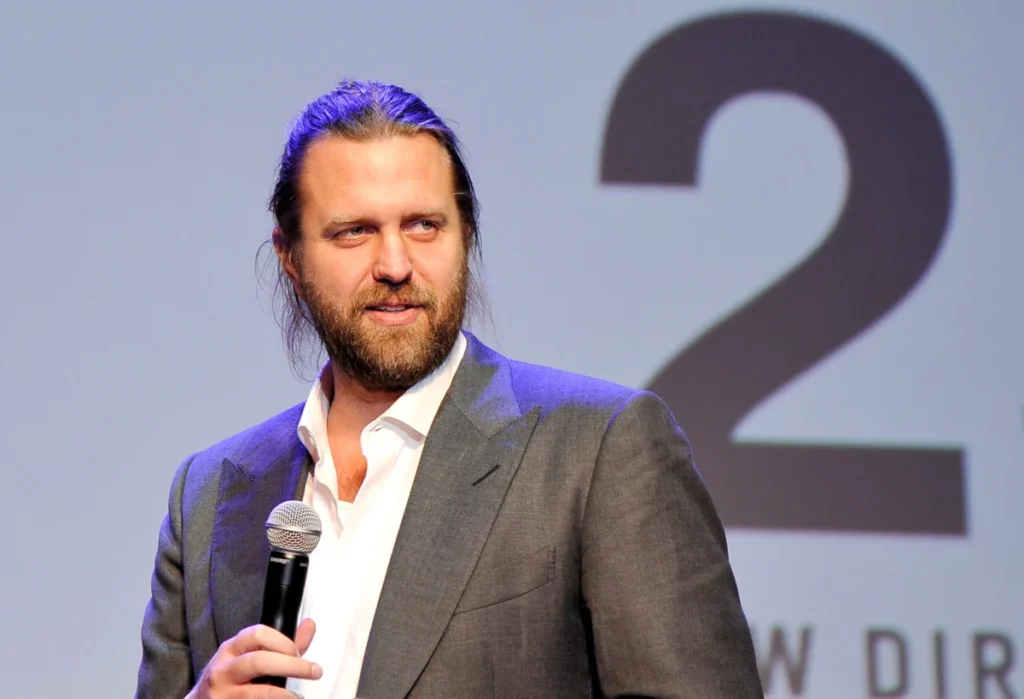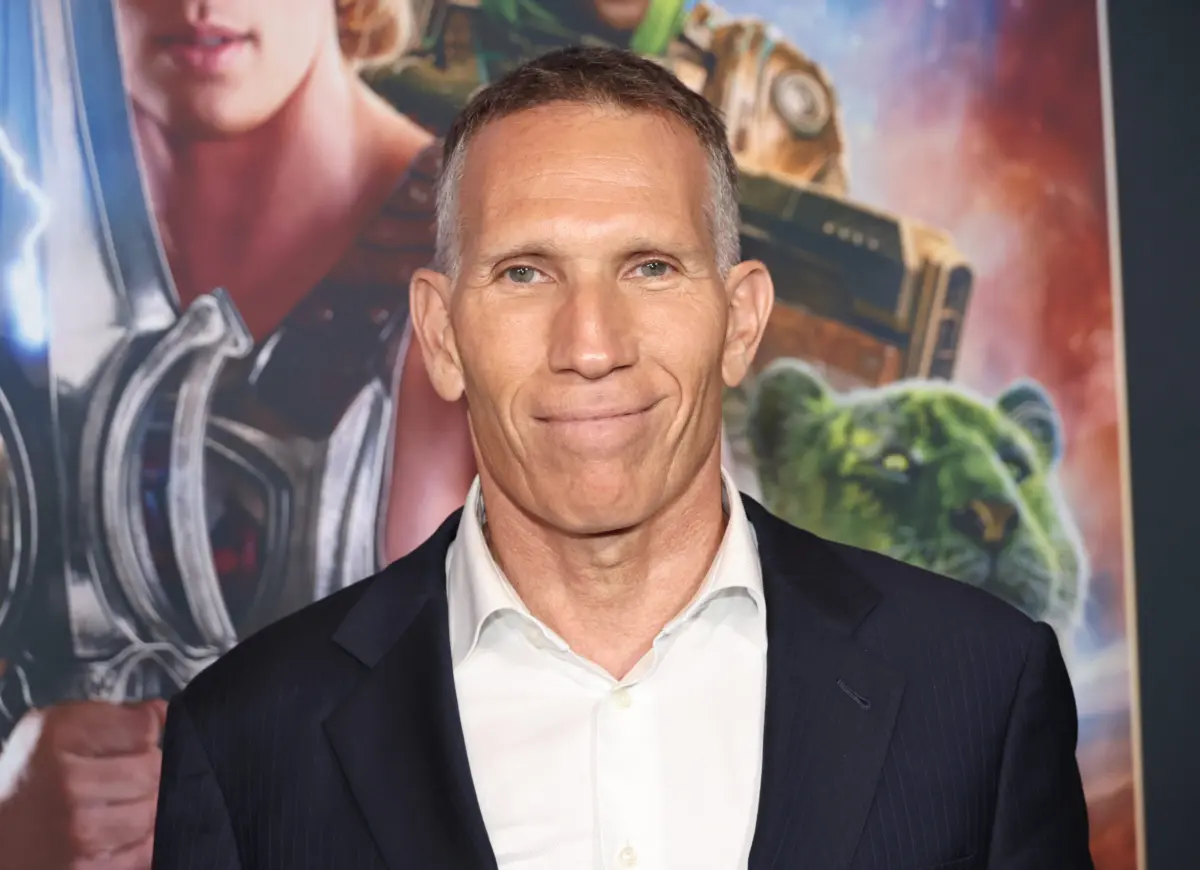
The newly formed entertainment powerhouse, Paramount Skydance, officially disclosed the financial terms of Ynon Kreiz’s appointment as co-CEO this Thursday, signaling a massive shift in leadership strategy as the organization prepares for its integration with Warner Bros. Discovery. According to a regulatory filing submitted to the Securities and Exchange Commission (SEC), the compensation structure for Kreiz is designed to align his interests with the long-term equity performance of the combined entity. Upon the finalized merger with Warner Bros. Discovery, Kreiz is set to receive an annual base salary of $5 million, complemented by an annual target bonus of $4.9 million. This salary floor places him among the highest-compensated executives within the media and entertainment sector, reflecting the high stakes involved in managing one of the world’s most complex media conglomerates.
The Financial Architecture of the Appointment
The compensation package extends well beyond a standard salary and bonus structure. The agreement includes a significant initial equity grant, consisting of $31.5 million in restricted stock units (RSUs) as a signing incentive. Furthermore, the contract stipulates an annual RSU award valued at $20.1 million, alongside an additional $5.1 million in RSUs earmarked for a long-term incentive plan. These figures, while substantial, are heavily tied to the company’s future stock performance and specific internal benchmarks.
Financial analysts noted that the reliance on RSU-heavy compensation indicates a strategic decision by the Paramount Skydance board to ensure that leadership remains focused on shareholder value and the appreciation of the company’s equity. While the headline figures are eye-catching, the actual realized compensation for Kreiz will fluctuate significantly based on the market performance of the combined Paramount-Warners stock. The performance-based conditions attached to these bonuses serve as a safeguard for shareholders, ensuring that executive payouts remain tethered to tangible organizational growth and operational success.
Transitioning from Mattel to Media Giant
David Ellison, who is slated to assume the roles of chairman and CEO of the newly merged entity, personally recruited Kreiz from his long-standing tenure as the CEO of Mattel. The transition marks a departure from the toy industry, where Kreiz was widely credited with successfully revitalizing the Mattel brand and overseeing the massive cinematic success of the Barbie franchise. His move to Paramount Skydance is widely viewed as a strategic play by Ellison to bring in a seasoned executive capable of managing day-to-day operations for a sprawling global media business.
The timeline for this transition is rapid. According to the SEC filing, the board of Paramount Skydance and Kreiz reached a definitive agreement on September 27. Kreiz is scheduled to officially step into his new role on Monday, October 5. This timing is critical, as the closure of the Warner Bros. Discovery deal is projected to occur just one day later, on October 6. By positioning Kreiz to start immediately preceding the closing of the merger, the board aims to ensure a seamless leadership transition during what is expected to be a volatile and critical period of corporate restructuring.
For context, Kreiz’s compensation package at Mattel during the previous fiscal year was approximately $15 million. The transition to the co-CEO role at Paramount Skydance represents a significant upward trajectory in his total compensation, reflecting the increased scope of responsibility and the inherent risks associated with integrating massive media assets.
Strategic Context and Market Implications
The consolidation of Paramount, Skydance, and Warner Bros. Discovery represents one of the most significant mergers in the history of the entertainment industry. The creation of this entity follows a prolonged period of consolidation across the media landscape, driven by the need to scale streaming services, compete with technology-based content providers, and maximize intellectual property value.
The appointment of a co-CEO structure—with Ellison overseeing the broader strategic vision and board functions, and Kreiz focusing on the operational execution—suggests a division of labor intended to manage the sheer scale of the combined company. Industry observers have pointed out that the success of this merger will hinge largely on the ability of the new leadership to streamline operations and find synergies between the distinct cultures of Skydance, Paramount, and Warner Bros. Discovery.
The high salary and equity grants for Kreiz have sparked discussions regarding executive compensation benchmarks in the current economic climate. In an era where media companies are under intense pressure to reduce costs and optimize streaming profitability, a $5 million base salary is considered premium. However, defenders of the contract argue that given the complexity of navigating a multi-company merger and the necessity of retaining top-tier talent capable of executing a turnaround, such packages are necessary to secure proven leadership.
The Role of Equity-Based Incentives
By relying heavily on RSUs, the compensation committee of Paramount Skydance is explicitly attempting to avoid the pitfalls of short-termism. Unlike cash-heavy compensation, which provides immediate liquidity regardless of company performance, the RSU structure forces an alignment of interest between the executive and the company’s stock price over a multi-year horizon.
This model also serves as a retention tool. Because a significant portion of the equity grants vest over time, Kreiz is financially incentivized to remain with the organization for the duration of the transition and the subsequent growth phases. For investors, this is a signal that the new leadership is committed to the long-term viability of the merger, rather than a short-term cash-out strategy.
Future Outlook and Challenges
The upcoming weeks will be a trial by fire for the new leadership team. Once the merger closes on October 6, the company will face the immediate challenge of integrating three distinct corporate infrastructures. This involves not only the alignment of content production pipelines and streaming platforms but also the harmonization of human resources, distribution networks, and global marketing strategies.
Furthermore, the new entity must navigate a landscape where traditional cable television revenues are in decline, while streaming profitability remains elusive for many legacy players. The combination of Paramount’s vast library, Skydance’s production capabilities, and the massive scale of Warner Bros. Discovery creates a powerhouse that, on paper, has the resources to compete with the likes of Netflix, Disney, and Amazon. However, execution will be the primary variable.
Market analysts are expected to monitor the first quarterly earnings reports following the merger to gauge how effectively Kreiz and Ellison are managing the operational costs. With the compensation terms now public, the scrutiny on the leadership’s performance will likely intensify. Shareholders will be looking for clear evidence that the leadership structure—and the significant investment in that structure—is translating into improved margins, successful content launches, and a more robust digital footprint.
Conclusion
The disclosure of Ynon Kreiz’s contract terms provides a transparent look into the high-stakes world of executive recruitment at the highest levels of the media industry. As Paramount Skydance moves toward its finalized merger with Warner Bros. Discovery, the financial terms confirm that the board is betting heavily on the proven operational expertise of its new co-CEO. With a salary package that ranks among the top tier of industry leaders, Kreiz enters the role with significant expectations to deliver on the promise of a revitalized, integrated entertainment giant. Whether this investment will yield the desired returns for shareholders remains to be seen, but the stage is set for a high-profile tenure that will undoubtedly shape the future of global entertainment.