The premiere of Avatar: Seven Havens on Paramount+ has ignited a fierce debate within the global fanbase, centering primarily on its controversial depiction of the franchise’s predecessor, Avatar Korra. Released last week, the first few episodes of the fantasy-forward sequel series surprised industry analysts by securing an immediate, double-season renewal for seasons three and four from Paramount. While critical reception and streaming metrics for the new show have been largely positive, the narrative choices regarding Korra’s legacy have reopened deep-seated ideological fractures that have followed the Avatar franchise for over a decade.
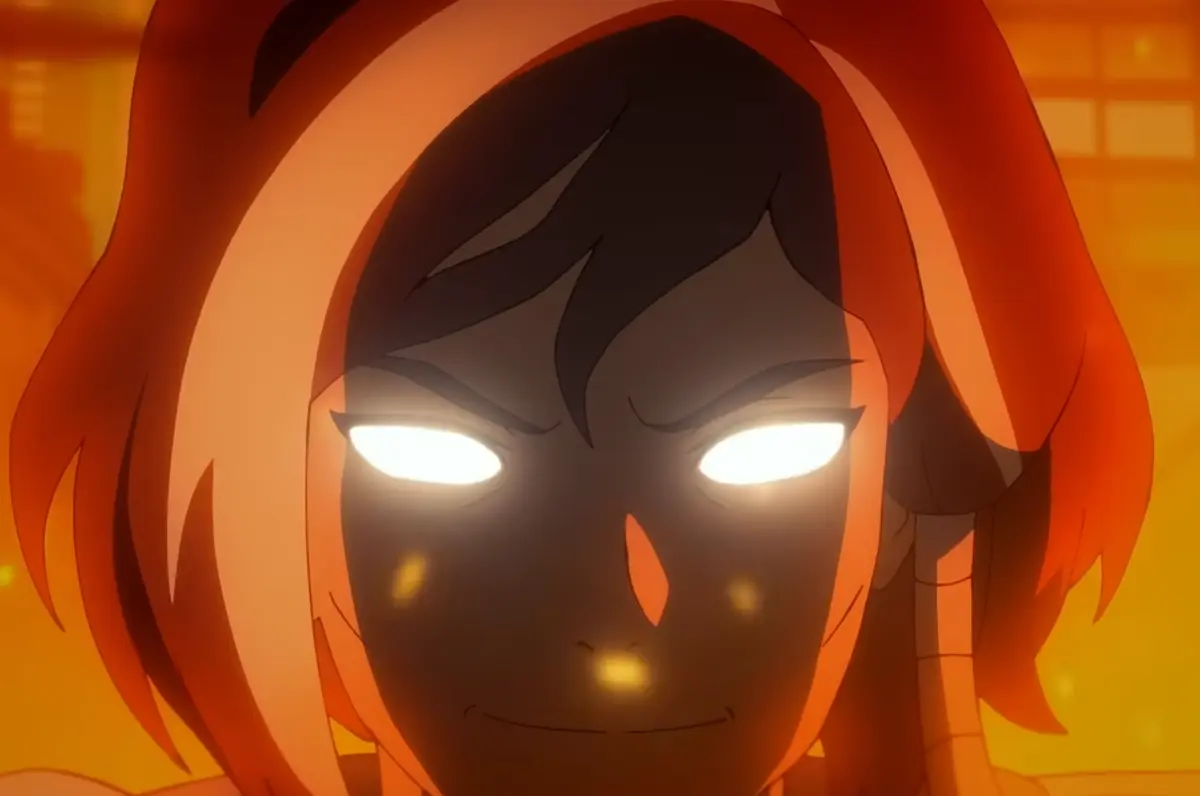
Within the universe of Seven Havens, the historical stature of the Avatar has suffered a profound fall from grace. Set approximately 225 years after a near-apocalyptic event known as the Cataclysm, the series depicts a world where Korra is widely blamed for the destruction of pre-existing civilization. The premiere episode features a public festival explicitly reenacting Korra’s alleged culpability in the planetary devastation. This shocking narrative pivot has forced audiences to reexamine how history records the actions of the franchise’s historical figures, juxtaposing the triumphant conclusions of past series with generations of bitter hindsight.
Chronology of Lore and Historical Discrepancies
To understand the friction between Seven Havens and the established continuity of the franchise, it is necessary to examine the actual events depicted in The Legend of Korra, which originally aired from 2012 to 2014. Throughout her four-season tenure, Korra faced unprecedented geopolitical and spiritual crises. In the season two finale, Korra made the momentous decision to leave the spirit portals open, permanently altering the dynamic between humanity and spirits. Later, the series finale concluded with the defeat of the dictator Kuvira and the accidental creation of a third spirit portal in the heart of Republic City.
While these policy decisions were heavily debated by characters within the narrative—leading to societal friction and the eventual emergence of new airbenders following Harmonic Convergence—canon strictly maintained that Korra acted heroically to preserve global balance. The notion that Korra directly orchestrated the Cataclysm 225 years later contradicts the factual events of her lifetime, prompting viewers and media analysts to look past surface-level lore and examine real-world external influences on the writers’ room.
Real-World Cultural Divides and Character Reception
The portrayal of Korra in Seven Havens reflects the complex and often polarizing real-world reception that followed The Legend of Korra throughout its broadcast run. While the series earned widespread critical acclaim for its mature storytelling, complex socio-political themes, and groundbreaking LGBTQ+ representation in its final moments, it simultaneously faced organized online backlash. Certain segments of the fandom criticized Korra for differing sharply from her predecessor, Avatar Aang, while others argued that her administrative and spiritual choices inadvertently destabilized the world.
Media scholars and cultural critics have frequently pointed out that female protagonists in legacy action-adventure franchises are often held to disproportionate standards of perfection compared to their male counterparts. Characters like Aang faced catastrophic global challenges—such as the complete genocide of the Air Nomads—without enduring enduring historical vilification from in-universe populations in the same manner. The decision by Seven Havens writers to weaponize these real-world criticisms within the fictional timeline has consequently become a focal point of intense sociological analysis regarding how popular culture handles legacy characters.
Reactions from the Cast and Creative Leadership
The creative direction of Seven Havens has not only affected viewers but has also deeply impacted the original production team and voice cast. Janet Varney, who voiced Avatar Korra across all four seasons of the original series, recently revealed in interviews that she was emotionally shattered by the pilot episode of Seven Havens. Varney recounted sobbing through the screening, expressing profound distress over seeing younger generations within the fictional universe characterize Korra as a monster. Her reaction underscores the protective bond that voice actors often form with their characters, especially when those figures face unexpected narrative betrayals.
Conversely, franchise co-creators Michael Dante DiMartino and Bryan Konietzko have defended the narrative trajectory of Seven Havens while pushing back against accusations of malice toward Korra. In recent promotional interviews, Konietzko addressed fan misconceptions directly, emphasizing that Korra’s disconnection from past avatars was the result of her uncle Unalaq’s aggression rather than her own failure. Konietzko explicitly pointed to systemic biases within the fandom, asserting that misogyny and homophobia have historically colored fan perceptions of Korra’s character arc, which he views as a triumph of resilience and personal repair.
DiMartino echoed these sentiments, urging the audience to view the new series with patience. He reminded fans that the Avatars have never been framed as infallible heroes and hinted that the initial vilification of Korra in the early episodes of Seven Havens is merely the starting point of a much larger, more nuanced narrative reveal.
Analytical Implications for the Franchise
The strategic choice to utilize Korra’s legacy as an early-season narrative obstacle carries significant implications for the long-term health and thematic depth of the Avatar universe. By engaging directly with fan discourse and toxic legacy mythos, the creators are employing a meta-narrative technique that challenges audiences to question the reliability of historical records and institutional memory.
Industry analysts suggest that this approach, while risky due to its potential to alienate longtime devotees of the previous series, demonstrates a willingness to take bold creative risks under the security of Paramount’s multi-season renewal. Rather than offering straightforward fan service, Seven Havens appears poised to deconstruct the very concept of the Avatar as a perpetual savior figure, exploring the heavy psychological and historical burdens borne by those who hold the title.
As subsequent episodes roll out on Paramount+, viewers will be closely monitoring how the narrative resolves the discrepancy between the festival’s propaganda and the true historical record of Korra’s achievements. Whether the storyline ultimately serves as an elaborate red herring or a profound meditation on reputation and historical revisionism, Avatar: Seven Havens has successfully recaptured the cultural spotlight, proving that the shadows of the past remain a powerful driving force in the ongoing evolution of the franchise.