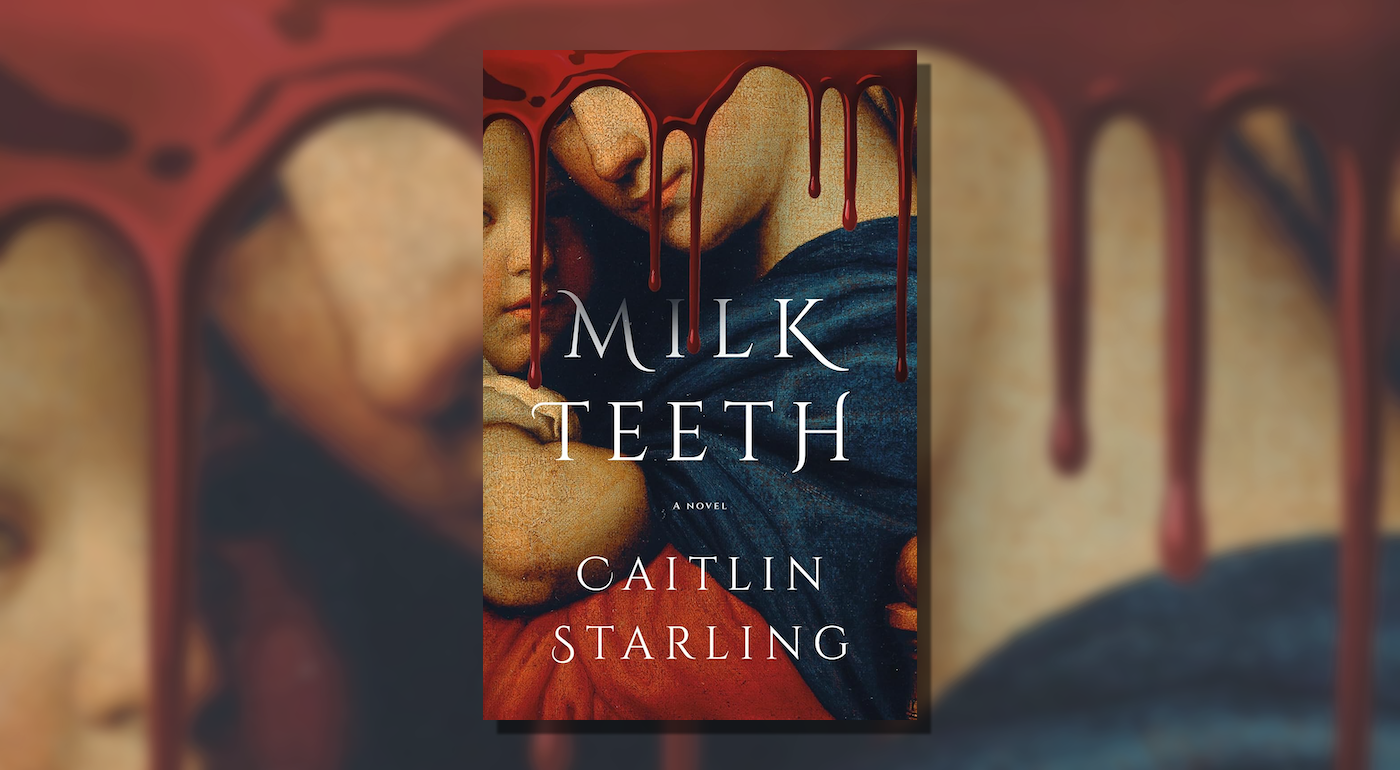
St. Martin’s Press has officially announced the upcoming November 10 release of Milkteeth, a chilling new horror novel by acclaimed author Caitlin Starling. Known for her ability to blend atmospheric dread with visceral body horror—as demonstrated in works such as The Luminous Dead and Lasthollow—Starling’s latest publication pushes the boundaries of contemporary speculative fiction. Set within the subterranean infrastructure of a corporate metropolis, the novel examines themes of maternal responsibility, biological transformation, and the perilous intersection of mortal and immortal societies through the harrowing lens of a vampire "broodmother."
Plot Overview and Premise
The narrative centers on Beatrice, a specialized vampire assigned the arduous task of nursing newly turned fledglings through the vulnerable formative years of their immortality. Operating from an abandoned subterranean warren located directly beneath her patron’s towering corporate skyscraper, Beatrice successfully manages two difficult and insatiable young charges.
However, the delicate ecosystem of her secluded existence collapses upon the introduction of a third fledgling. This addition triggers an uncontrolled surge in Beatrice’s predatory hunger, which subsequently instigates a grotesque physical transmutation. Her body begins to betray its fundamental biological purpose, mutating into an entity of heightened monstrosity.
In a desperate bid to regain control over her shifting anatomy, Beatrice initiates contact with a human obstetrician-gynecologist (OBGYN). This hazardous relationship threatens not only to expose the hidden existence of her vampiric coven but also places the development and security of her dependent nurslings in jeopardy. Within a societal framework dictated by absolute discretion, the narrative establishes that even the most negligible breach of confidentiality could carry fatal consequences.
Excerpt Analysis: The Intersection of Mortal Support and Unnatural Realities
To build anticipation for the November publication, publishers have released a compelling excerpt from the novel. The scene depicts Beatrice attending a hospital-sponsored lactation support group on the fourth floor of a local medical center. Disguised among exhausted, first-time human mothers, Beatrice navigates the mundanity of modern postpartum care while concealing her true nature and the blood-soaked reality of nursing her fledgling.

The excerpt highlights Starling’s thematic juxtaposition of normative human motherhood with the monstrous mechanics of vampiric sustenance. Characters such as Nurse Tiffany, an International Board Certified Lactation Consultant, and an idealistic physician specializing in women’s health provide unwitting assistance to Beatrice. These interactions underscore the tragic isolation of the protagonist, who seeks scientific answers regarding extended breastfeeding and hormonal shifts to understand her own unnatural bodily decay and mutation.
Author Background and Publication Context
Caitlin Starling has established a prominent reputation within the speculative fiction and horror genres, frequently earning critical praise for her claustrophobic settings and psychologically complex protagonists. Her previous novel, The Luminous Dead, received widespread acclaim for its intense survival-horror narrative set on a distant, hostile planet. With Milkteeth, Starling pivots toward urban gothic horror, utilizing the familiar, brightly lit spaces of modern healthcare and corporate architecture to heighten the contrast with subterranean monstrosity.
St. Martin’s Press has scheduled Milkteeth for a November 10 release, making it a major title in the autumn horror publishing window. Industry analysts note a growing market demand for intersectional horror that subverts domestic tropes and traditional monster lore, positioning Starling’s latest work as a significant contribution to the genre.
Broader Implications and Genre Impact
The release of Milkteeth arrives amid a broader literary trend wherein contemporary horror authors utilize tropes of pregnancy, childbirth, and motherhood to explore existential dread. By framing the nurturing role of a vampire through the clinical terminology of lactation consultants, postpartum recovery, and pediatric development, Starling offers a rigorous examination of physical autonomy and the sacrifices demanded by caregiving.
Literary critics suggest that the novel’s focus on institutional surveillance—represented by the human medical establishment intersecting with covert supernatural societies—serves as a compelling metaphor for the anxieties of modern motherhood. As readers await the November 10 launch date, industry observers anticipate that Milkteeth will generate considerable academic and critical discussion surrounding its innovative approach to body horror and feminist speculative fiction.