Peacock has officially released two high-resolution photographs providing the first detailed look at the character design for the "Baghead" version of Jason Voorhees as he appears in the streaming series Crystal Lake. These images, sourced directly from the production team, offer a definitive glimpse into the visual identity of the legendary slasher during the show’s climactic finale. The release arrives as audiences continue to process the entirety of the eight-episode season, which was made available for binge-viewing in mid-October 2026.
Character Portrayal and Casting Details
The portrayal of Jason Voorhees in Crystal Lake utilizes a multi-actor approach to represent the character across different stages of his development. Zachary Branch assumes the role of the older teenage Jason, characterized by the iconic, burlap-sack mask that predates the introduction of the hockey mask in the original 1980 film franchise.
The production’s commitment to portraying the evolution of the character is further evidenced by the casting of Jonathan Tison, who portrays a younger adolescent version of the character, and Callum Vinson, previously seen in the Chucky television series, who plays Jason as a child. This layered casting strategy reflects the series’ narrative focus on the origins of the Voorhees family and the psychological trajectory that leads to the eventual emergence of the infamous killer. The inclusion of these specific performers highlights a deliberate effort by the production team to ground the character’s transformation in human performance rather than relying solely on prosthetic or CGI effects.

Narrative Context and Scene Breakdown
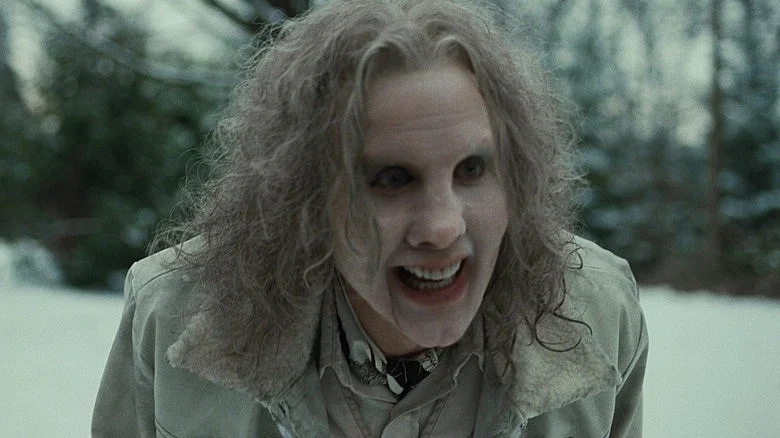
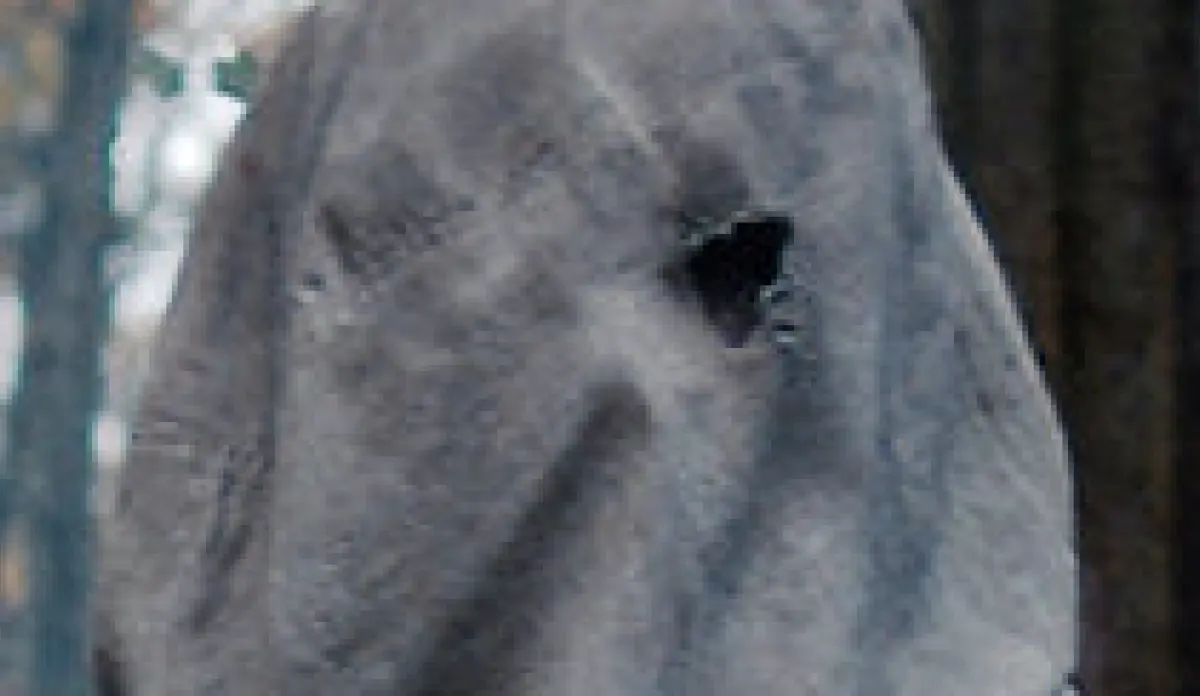
The newly released photographs capture two pivotal moments from the final episode of the season, titled "The Final Chapter." The first image features Zachary Branch’s portrayal of the Baghead Jason, highlighting the texture and aesthetic design of the burlap mask. The second image provides a poignant, albeit tense, interaction between Jason and his mother, Pamela Voorhees, portrayed by Linda Cardellini.
In this scene, the visual framing suggests a moment of profound instability; Jason appears to struggle with recognition when confronting his mother, a narrative choice that deepens the show’s exploration of the complex, often tragic relationship between the two characters. By focusing on this specific dynamic, the series attempts to deconstruct the traditional slasher archetype, shifting the focus toward the emotional and psychological catalysts that define the Voorhees lore. This approach has been a subject of significant discussion among the horror community, as it diverges from the purely antagonistic portrayals found in many of the earlier entries of the Friday the 13th franchise.
Historical Context of the Franchise
The Friday the 13th franchise, which began in 1980, has undergone numerous iterations over its four-decade history. The "Baghead" iteration of Jason Voorhees originated in Friday the 13th Part 2 (1981), where the character wore a sack to conceal his face. This aesthetic choice served as a transitional phase before the character adopted his signature hockey mask in Friday the 13th Part III (1982).
By revisiting this specific era, Crystal Lake aims to provide a bridge between the foundational elements of the original films and a more contemporary, serialized narrative structure. The decision to release these high-resolution images serves as a strategic marketing effort to validate the production’s aesthetic choices with long-term fans of the franchise, who have historically been meticulous regarding the accuracy of character designs and lore consistency.

Production and Reception Data
The release of all eight episodes of Crystal Lake simultaneously on Peacock represents a significant shift in the platform’s distribution strategy. While the binge-release model is common for streaming platforms, it has prompted discussions regarding the "eventization" of horror programming. Industry analysts note that by releasing the entire season at once, the platform risks shortening the window of cultural conversation that typically accompanies weekly releases. However, the sheer volume of assets—including over one hundred promotional images and behind-the-scenes content—suggests that the production team anticipated a need for sustained engagement following the initial drop.
Critical reception to the series has been varied. Reviews, such as those published by industry outlets, have noted a 3.5 out of 5-star rating, characterizing the show as a "campy, cruel love letter to 80s slashers." This reception indicates a successful attempt to balance nostalgic appeal with modern narrative sensibilities. The series’ ability to maintain a consistent tone while exploring the darker, more "cruel" aspects of the source material remains a central pillar of the critical dialogue surrounding the show.
Broader Impact and Implications for the Horror Genre
The success of Crystal Lake and its focus on character origin stories underscores a growing trend in the horror genre: the "prestige" slasher. By investing in high-quality production design and experienced actors like Linda Cardellini, the series elevates the intellectual property, moving it away from the B-movie constraints that characterized many sequels in the 1980s and 1990s.
Furthermore, the integration of detailed, high-resolution imagery into the promotional cycle allows fans to participate in a more forensic analysis of the show’s visual storytelling. This practice not only keeps the content relevant on social media platforms but also creates a digital archive of the production process. As the horror landscape continues to evolve, the ability to successfully reboot or expand upon legacy franchises depends heavily on the production’s willingness to respect established history while offering enough innovation to attract a new generation of viewers.

Future Developments and Viewer Engagement
As the discussion surrounding the first season continues, the focus will likely shift toward the potential for a second season and how the established lore will be expanded. The production team, in conjunction with Peacock, has encouraged ongoing viewer dialogue through dedicated spoiler discussions and social media outreach.
The data provided by the network—ranging from the specific technical details of the costume design to the intentional pacing of the season finale—provides a framework for fans to understand the creative decisions behind Crystal Lake. Whether the series will remain a definitive exploration of the Voorhees legacy or continue to iterate on the established mythology is a question that remains at the forefront of the franchise’s future. For now, the focus remains on the "Baghead" Jason as a centerpiece of the series’ visual identity, a symbol that simultaneously honors the roots of the franchise and reflects the current creative direction of the Crystal Lake project. The release of these images serves as a final piece of the puzzle for the inaugural season, ensuring that the visual impact of the show’s most critical moments is cemented in the minds of the audience.