
Production has officially commenced on a major new television adaptation of Maria Dąbrowska’s iconic literary masterpiece, Nights and Days (Noce i dnie), marking one of the most ambitious period drama projects for Netflix in Central and Eastern Europe. Filming kicked off in the historic Polish city of Tarnów, drawing immense attention from literary and cinematic communities alike. Nearly fifty years after the generation-defining 1970s film and television adaptations captured the hearts of Polish audiences, this modern iteration aims to reintroduce the sweeping four-part family saga to contemporary global viewers through a fresh, nuanced lens.
The series is spearheaded by director and co-writer Kamila Tarabura, whose creative vision anchors the eight-episode production. Tarabura is joined in the writers’ room by collaborators Marta Bacewicz and Katarzyna Tybinka, ensuring a meticulous and deeply psychological approach to Dąbrowska’s dense source material. Behind the scenes, the project is being brought to life by producer Justyna Pawlak under her Greenlight Films banner, signalling a high-profile collaboration designed to meet the rigorous production standards expected of prestige international streaming dramas.
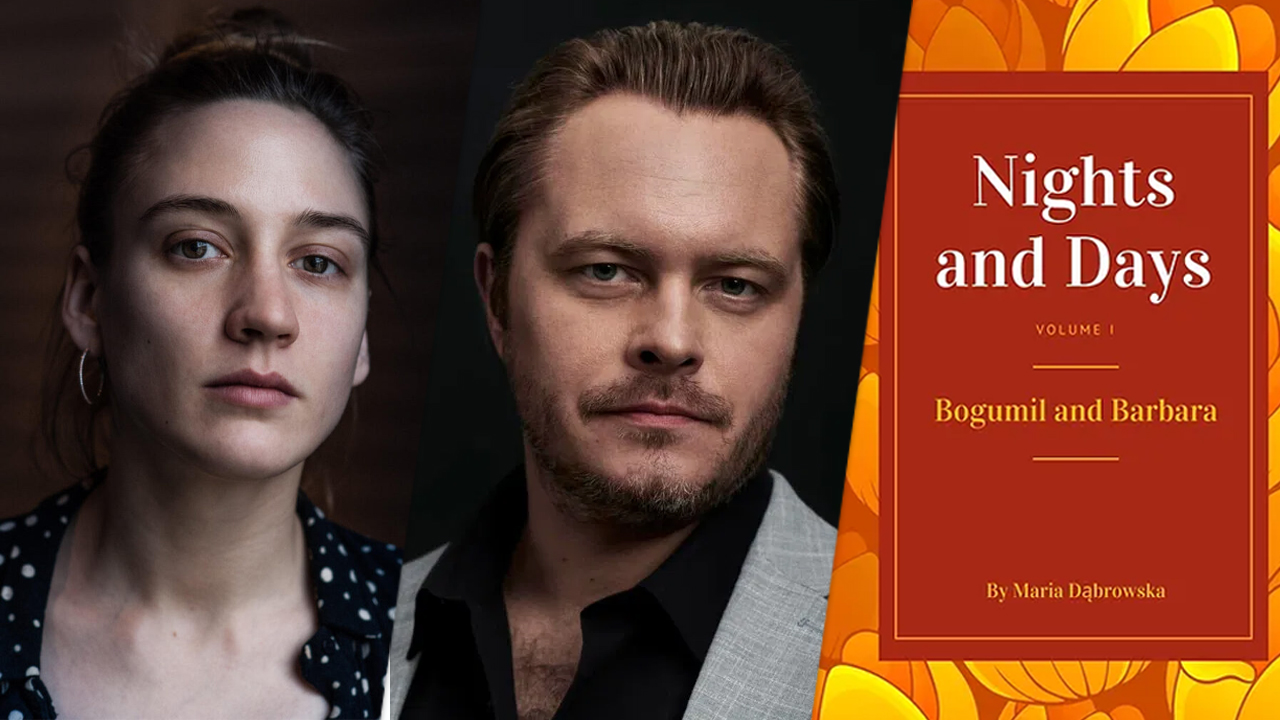
At the heart of the narrative are two of Poland’s most accomplished screen actors. Tomasz Schuchardt, a prominent fixture in contemporary Polish cinema and a familiar face to Netflix subscribers through his work in critically acclaimed titles such as High Water, Operation Hyacinth, and The Doll, steps into the role of Bogumił Niechcic. Opposite him, acclaimed actress Jaśmina Polak—known for her compelling performances in The Thaw and Hounds Hill—takes on the complex, demanding role of Barbara Niechcic, née Ostrzeńska.
Plot Overview and Literary Significance
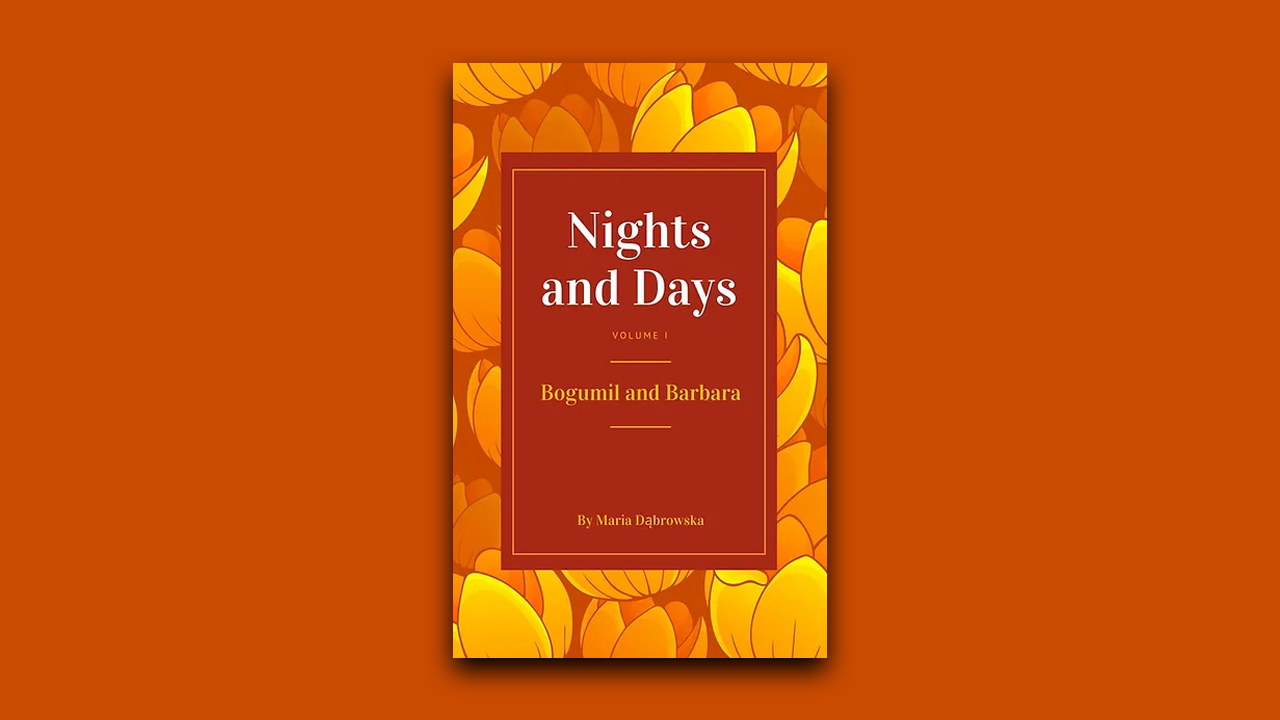
Maria Dąbrowska’s Nights and Days, published between 1932 and 1934, remains one of the absolute pillars of Polish literature. Set against a backdrop of deep historical turmoil during a period when Poland was partitioned and absent from the political map of Europe, the epic narrative spans three decades of societal transformation and domestic evolution.
The story follows Barbara Ostrzeńska, a proud, refined, yet impoverished noblewoman who suffers a devastating blow when she learns that the man she truly loves has chosen to marry another. Facing the grim societal prospects of lifelong spinsterhood and economic vulnerability, Barbara pragmatically accepts a marriage proposal from Bogumił Niechcic. Bogumił is a modest former national insurgent turned estate manager, whose stoic peace of mind, grounded work ethic, and quiet contentment sharply contrast with Barbara’s restless temperament, romantic idealism, and persistent yearning for lost social status.
As the narrative unfolds over thirty years, the couple builds a life together in various rural outposts. Their evolving domestic partnership serves as a microcosmic study of endurance, emotional compromise, and the grinding realities of everyday life. Barbara’s internal friction—caught eternally between the romantic ideals she craves and the harsh realities she inhabits—transforms her into a deeply human protagonist who challenges both her loved ones and herself.
Creative Vision and Artistic Approach
Director Kamila Tarabura has emphasized that the upcoming adaptation will not merely replicate past versions, but will instead interrogate the emotional infrastructure of Dąbrowska’s text through a modern perspective. In a statement detailing the thematic goals of the series, Tarabura noted that the production serves as an honest, unvarnished reflection on the cultural myth of romantic love and the perpetual tension between human expectations and reality.
"It is also a story about building a long-term relationship, about the fact that a relationship is work that can bear fruit throughout life," Tarabura explained. She highlighted that Barbara’s struggles—ranging from personal sacrifice for the sake of marriage and family to the quiet abandonment of personal ambitions in the pursuit of stability—remain entirely universal, bridging the gap between nineteenth-century realities and modern domestic dilemmas.
Echoing these sentiments, Łukasz Kłuskiewicz, Netflix’s Program Director for Central and Eastern Europe, underscored the strategic and cultural importance of the project. He pointed out that Polish culture possesses an extraordinary treasury of stories that have resonated across generations, and Nights and Days stands as a quintessential example of this heritage. By trusting contemporary young creators with the source material, Netflix aims to preserve the timelessness of the original text while revitalizing its narrative urgency for younger audiences.
Production Chronology and Timeline
The development of the series has moved deliberately, reflecting the logistical complexities inherent in mounting a large-scale period drama. Initial development phases began well before public announcements, with creative teams finalizing scripts and securing historical locations.
The project gained significant momentum in January of this year when Netflix formally announced that production would commence soon. Following months of meticulous pre-production—including costume design, set construction, and cast rehearsals—cameras officially rolled on September 24, 2026, in Tarnów. Principal photography is slated to continue across multiple historically resonant locations in Poland over the coming months.

Following the completion of filming, the series will enter an extensive post-production phase, which will involve sound design, historical validation, visual effects, and localization for global distribution. Industry analysts and streaming projections indicate that the eight-episode drama is well-positioned for a release in the second half of 2027, making it one of the most anticipated cultural events on the streaming calendar for that year.
Broader Implications and Cultural Impact
The decision to adapt Nights and Days for a global streaming platform underscores a broader industry trend: the increasing viability of localized, culturally specific period epics on international markets. While historical dramas traditionally relied on domestic theatrical box offices or state-funded television broadcasts, platforms like Netflix are demonstrating an appetite for high-budget adaptations of classic European literature, packaging them with high production values and sophisticated cinematic storytelling.
Furthermore, revisiting a text as deeply embedded in the Polish national consciousness as Dąbrowska’s novel carries both creative opportunities and inherent risks. The 1975 film adaptation directed by Jerzy Antczak and the subsequent television series remain monumental achievements in Polish cinematic history, holding a revered status among older generations. By introducing an eight-episode series that allows for greater psychological depth and character development than a feature film permits, the new Netflix adaptation has the unique opportunity to re-engage historical themes of duty, identity, and resilience for a demographic accustomed to serialized, character-driven prestige television.
As production continues on location in Poland, anticipation builds among literary enthusiasts, industry observers, and fans of high-end European drama. With a stellar cast, an experienced creative team, and a timeless narrative at its core, Nights and Days is shaping up to be a defining television event when it arrives on screens in 2027.