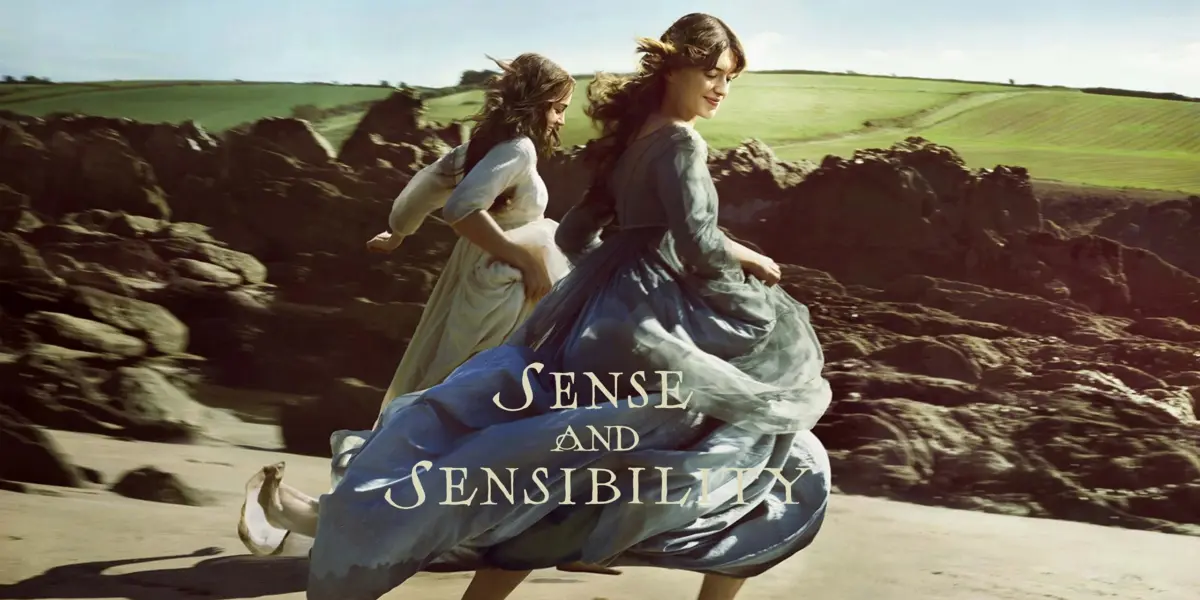
The landscape of cinematic adaptations is once again welcoming one of English literature’s most enduring masterworks, prompting deep critical evaluation across major film discussion platforms. In the latest installment of the Next Best Picture Podcast, host Matt Neglia is joined by film critics Nadia Dalimonte, Josh Parham, and Dan Bayer to deliver a comprehensive, spoiler-filled review of director Georgia Oakley’s upcoming feature film, Sense and Sensibility. Based on Jane Austen’s foundational 1811 novel and featuring a screenplay penned by Diana Reid, the new motion picture boasts a star-studded cast that includes Daisy Edgar-Jones, Esmé Creed-Miles, Caitríona Balfe, Frank Dillane, Herbert Nordrum, George MacKay, and Fiona Shaw.
As studios continue to revisit classic literary properties for contemporary audiences, this new adaptation carries the heavy burden of comparison against Ang Lee’s celebrated 1995 Academy Award-winning cinematic version. The podcast panel’s extensive discussion dives deep into the artistic choices, directorial vision, individual performances, technical craftsmanship, and potential Academy Award trajectories that define this latest cinematic interpretation of Austen’s timeless narrative.
Narrative Premise and Literary Heritage
Jane Austen’s 1811 novel, originally published anonymously as "by a lady," remains a cornerstone of English literature and a frequent subject of theatrical and cinematic translation. The story centers on the Dashwood sisters—Elinor and Marianne—alongside their younger sibling, Margaret, and their widowed mother. Following the sudden death of Mr. Dashwood, the family estate of Norland Park is inherited by their half-brother, John Dashwood, largely influenced by his selfish wife, Fanny. Consequently, the women are left in severely reduced financial circumstances, forcing them to relocate from their comfortable ancestral home to Barton Cottage in Devonshire.
In Georgia Oakley’s contemporary lens, working from Diana Reid’s adapted screenplay, the familiar themes of financial precarity, societal expectations, class constraints, and the dichotomy between rational prudence ("sense") and emotional impulsivity ("sensibility") are re-examined. The narrative explores how the sisters navigate the turbulent waters of romance, betrayal, and heartbreak within a rigidly structured patriarchal society. While Elinor embodies restrained common sense and quiet fortitude, Marianne yields entirely to passionate expression and intense romantic ideals, setting up a classic literary foil that continues to resonate with modern readers and viewers alike.
The Shadow of 1995: Historical Context and Cinematic Precedents
Any discussion surrounding a new adaptation of Sense and Sensibility inevitably invites comparison to the gold standard of modern Austen translations: Ang Lee’s 1995 feature film. Scripted by and starring Emma Thompson alongside a legendary cast featuring Kate Winslet, Hugh Grant, and Alan Rickman, Lee’s film was a critical and commercial triumph. It grossed over $135 million worldwide against a modest budget and earned seven Academy Award nominations, ultimately winning the Oscar for Best Adapted Screenplay for Thompson.
For decades, the 1995 adaptation has occupied a cherished space in popular culture, praised for its exquisite period detail, stellar performances, and a tone that balances sharp social satire with genuine emotional depth. Consequently, Georgia Oakley and screenwriter Diana Reid faced a formidable challenge in convincing audiences that a fresh interpretation was necessary. On the Next Best Picture Podcast, the critical panel analyzes how Oakley’s direction manages to carve out a distinct identity, examining whether the film successfully establishes its own voice or remains overly indebted to its cinematic predecessor.

Critical Analysis and Panel Insights
During the hour-long broadcast, the conversation spans multiple facets of the production, offering listeners a granular breakdown of what works and what falters in the new adaptation. The critics evaluate the central performances, specifically focusing on the dynamic between Daisy Edgar-Jones and Esmé Creed-Miles as the iconic Dashwood sisters. The podcast explores how their portrayals update the classic archetypes for a modern cinematic sensibility without losing the Regency-era essence written by Austen more than two centuries ago.
Furthermore, the supporting ensemble—featuring acclaimed performers such as Caitríona Balfe, George MacKay, and Fiona Shaw—receives rigorous scrutiny. The panel discusses how these veteran actors ground the narrative, providing emotional resonance to secondary subplots involving love, social ostracization, and familial duty. Beyond the performances, the discussion extends to the film’s technical execution. Cinematography, production design, costume choices, and musical scoring are evaluated to determine how effectively the creative team recreates the tactile reality of 19th-century England through a modern lens.
Screenwriter Diana Reid’s adaptation choices are another focal point of the review. Translating a dense 19th-century novel into a two-hour cinematic runtime requires significant narrative compression and structural modification. The podcast panel addresses how Reid chose to handle Austen’s complex web of subplots, secondary romances, and moral digressions, assessing whether these structural alterations serve the pacing and emotional impact of the finished film.
Oscar Prospects and Industry Implications
As the awards season landscape begins to take shape, industry analysts and cinephiles closely monitor how major literary adaptations perform among voting bodies like the Academy of Motion Picture Arts and Sciences. Period dramas historically command a strong presence in below-the-line categories—such as Costume Design, Production Design, and Makeup and Hairstyling—while frequently contending for screenplay and acting honors.
The Next Best Picture panel dedicates a significant segment of their discussion to evaluating Sense and Sensibility as a potential contender in the upcoming awards race. Given the Academy’s historical appreciation for Austen adaptations—highlighted not only by the 1995 film but also by Autumn de Wilde’s 2020 adaptation of Emma. and Joe Wright’s 2005 version of Pride & Prejudice—Oakley’s film enters the conversation with built-in pedigree. The critics debate whether the film’s artistic merits, stellar cast, and timely thematic resonance will be sufficient to secure nominations in major competitive brackets, or if it will ultimately settle into a respected niche as a well-crafted genre entry.
Network Affiliation and Accessibility
The Next Best Picture Podcast continues to solidify its status as a premier destination for film criticism, festival coverage, and awards season prognostications. Operating as a proud member of the Evergreen Podcasts Network, the show maintains a consistent release schedule that caters to both casual moviegoers and dedicated cinephiles.
Listeners can access the full spoiler-filled review of Sense and Sensibility across all major podcast platforms, including Apple Podcasts, Spotify, and YouTube, where the video version of the episode is hosted. To sustain production and provide ad-free listening experiences alongside exclusive bonus content, the podcast maintains an active community via Patreon, inviting supporter contributions starting at $1 per month. Through detailed reviews, thoughtful discourse, and comprehensive industry coverage, the platform remains an essential hub for contemporary film analysis.