The release of You Can See Everything has triggered a seismic shift in the documentary landscape, drawing nearly 2 million viewers in its opening weekend and reigniting public fascination with the collapse of Theranos and the subsequent life of its disgraced founder, Elizabeth Holmes. Directed by the unconventional duo of Nathan Fielder and Lance Oppenheim, the film serves as a meta-textual investigation into the psyche of a woman whose singular vision once promised to revolutionize healthcare but ultimately resulted in a massive criminal fraud conviction. The film, which blurs the lines between fly-on-the-wall documentary and performative reconstruction, has left audiences struggling to reconcile the reality of the subject with the stylized, often discomfiting portrayal presented on screen.
The Genesis of a Complex Partnership
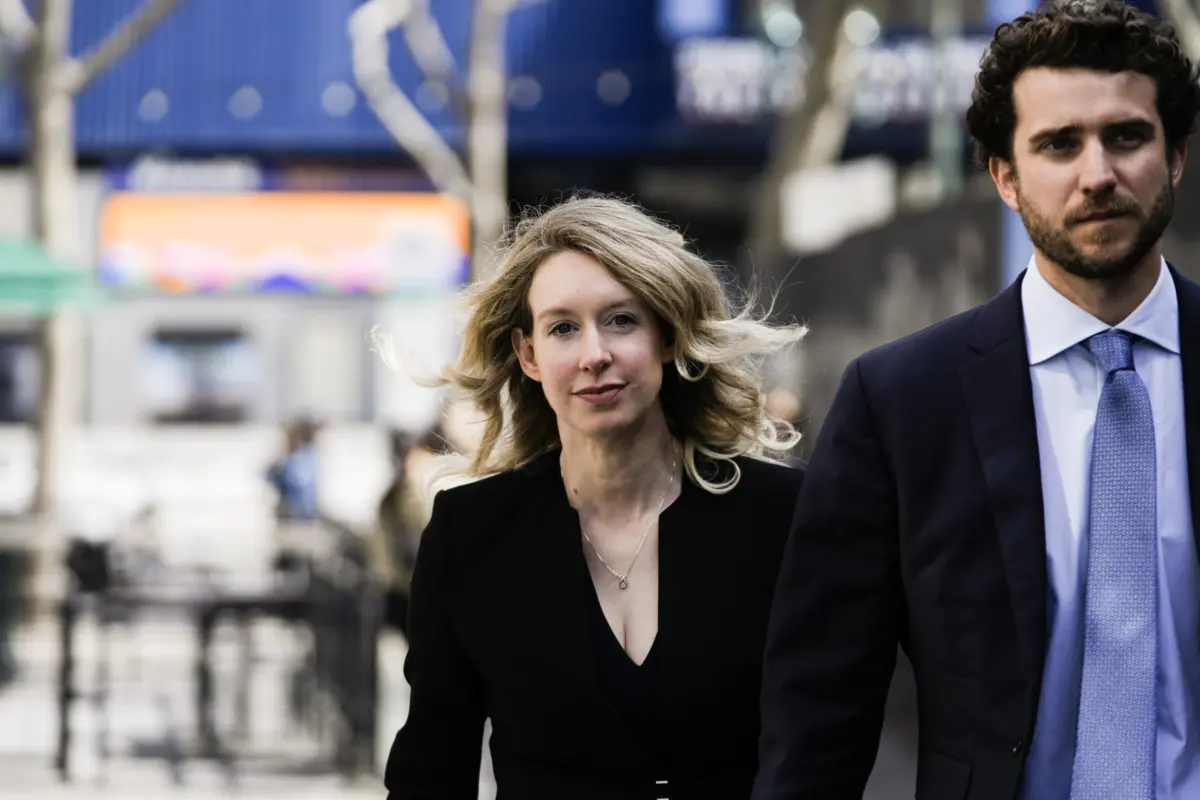
The project did not begin as an artistic endeavor but rather as a calculated attempt at narrative reclamation. Elizabeth Holmes approached A24 seeking to control her public image in the wake of her 2022 fraud conviction. While the studio initially hesitated, the intervention of Fielder and Oppenheim—who encountered the possibility of the project by happenstance during a comedy improv show at the Magic Castle in Los Angeles—transformed the pitch into a reality.
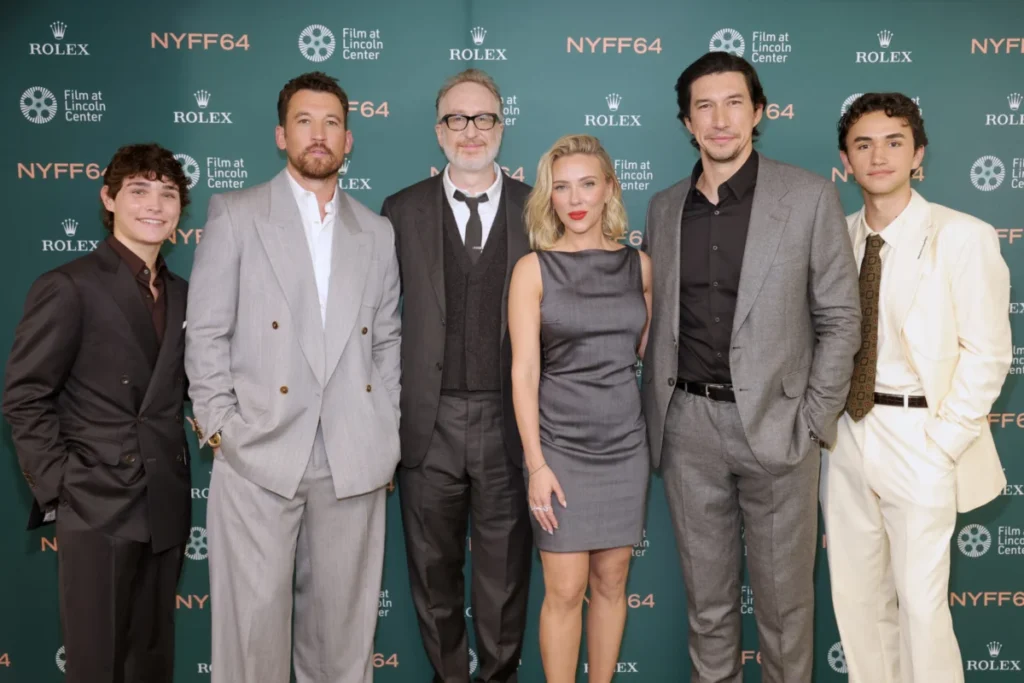
The production process was marked by intense creative friction. During a presentation at the New York Film Festival, Fielder admitted to a profound difficulty in navigating the ethical and interpersonal complexities of the shoot, noting that he and Oppenheim frequently disagreed on how to interpret the interactions between Holmes and her husband, Billy Evans. The resulting film captures this tension, utilizing a postmodern approach to truth that prioritizes the subjective experience of the subjects over a traditional linear biography.
Chronology of the Theranos Collapse and Aftermath
To understand the weight of the film’s narrative, one must review the rapid decline of the Silicon Valley darling:
- 2003: Elizabeth Holmes founds Theranos at age 19, shortly after allegedly experiencing a traumatic sexual assault at Stanford University—an event she claims served as a catalyst for her "at-all-costs" professional drive.
- 2015: Investigative reporting by John Carreyrou for The Wall Street Journal reveals that Theranos’ blood-testing technology is fundamentally flawed and potentially dangerous.
- 2018: Theranos officially dissolves. The SEC charges Holmes with massive fraud.
- 2022: A jury finds Holmes guilty on four counts of wire fraud and conspiracy. During the trial, she alleges sexual abuse by former partner Sunny Balwani, who was later convicted and sentenced to nearly 13 years in prison.
- 2023: Holmes reports to the Federal Prison Camp in Bryan, Texas, to begin her 11-year sentence.
- 2025: Legal developments suggest an early release timeline, with reports indicating a transition to a halfway house in Austin could occur as early as this summer due to "good behavior" and a reassessment of financial restitution requirements.
Analyzing the Role of Billy Evans
A significant portion of the film’s scrutiny is directed toward Billy Evans, whose presence provides a jarring contrast to the criminal proceedings. Evans, an heir to the Evans Hotel Group—a Southern California hospitality conglomerate—offers a layer of perceived legitimacy that the film explores with skepticism.
The inclusion of the family’s business history, including controversial development projects in Mission Bay that limited public access to coastal areas, adds a layer of socio-economic commentary to the film. Furthermore, the film highlights Evans’ own entry into the biotech sector with his company, Haemanthus. By focusing on his use of Raman spectroscopy, the filmmakers subtly invite the audience to question whether the cycle of high-stakes, unproven biotech innovation is repeating itself, despite the wreckage of the Theranos era.
The Ethics of Collaborative Documentary
One of the most discussed segments of the film involves the participation of actress Amanda Seyfried, who portrayed Holmes in the Hulu limited series The Dropout. The film features a raw, unscripted meeting between Seyfried and Fielder that was not originally intended for the final cut. This "rehearsal for a rehearsal" captures the confusion of reality versus performance. The inclusion of this footage—shot at a private animal rescue facility operated by Seyfried—serves as a poignant reminder that while the film is a product of high-concept direction, the individuals involved are grappling with the fallout of real-world events.
The Legal Landscape of Profiting from Crime
The film’s production raised significant questions regarding the "Son of Sam" laws, which are designed to prevent criminals from profiting from their notoriety. While these laws vary significantly by state, California’s iteration was struck down by courts decades ago. Consequently, there was no legal impediment to Holmes or Evans participating in the documentary. While the couple did not ultimately receive direct payment for their involvement, the legal landscape surrounding such projects remains a point of contention among legal scholars and victim advocates.
The Prison Context: Federal Prison Camp, Bryan
The film’s final act, set against the backdrop of the Federal Prison Camp in Bryan, Texas, provides a surreal look at the realities of white-collar incarceration. The facility, which has housed high-profile figures such as Ghislaine Maxwell and Jen Shah, is a minimum-security site that has often been described by local residents as resembling a park-like residential community.
This setting serves as the final, and perhaps most disturbing, image of the film. By juxtaposing the idyllic surroundings of the prison with the magnitude of the harm caused by Theranos, Fielder and Oppenheim force the audience to confront the disparity between the consequences of systemic financial fraud and the relative comfort of the penal system.
Broader Implications
You Can See Everything is not merely a portrait of Elizabeth Holmes; it is an interrogation of the modern media machine’s obsession with high-profile scandals. By allowing the subjects to participate in the construction of their own narrative, the film challenges the traditional objectivity of the documentary format.
As Holmes approaches a potential move to a halfway house in 2025, the film remains a timely artifact of a specific cultural moment. It highlights a recurring pattern in American society: the desire to witness, dissect, and ultimately aestheticize the downfall of those who once stood at the pinnacle of power. Whether the film provides genuine insight or simply adds another layer to the performance remains a subject of intense debate, but its success confirms that the public’s fascination with the Theranos saga is far from exhausted. The legacy of the film will likely persist through its viral moments—such as the now-infamous egg-whisking scene—which serve as a shorthand for the absurdity and lack of authenticity that define the film’s core thesis: that in a world of curated personas, the truth is often the most elusive element of all.