The latest installment of the long-running ABC medical drama, which aired on November 12, serves as a pivotal juncture for several core characters, balancing medical crises with deep-seated interpersonal conflicts. From the emotional fallout of a long-abandoned family dynamic to the professional resurgence of a surgeon overcoming past trauma, the episode underscores the relentless pressure inherent in the lives of medical residents and attendings.
The Conflict of Legacy and Betrayal: Benson Kwan’s Family Crisis
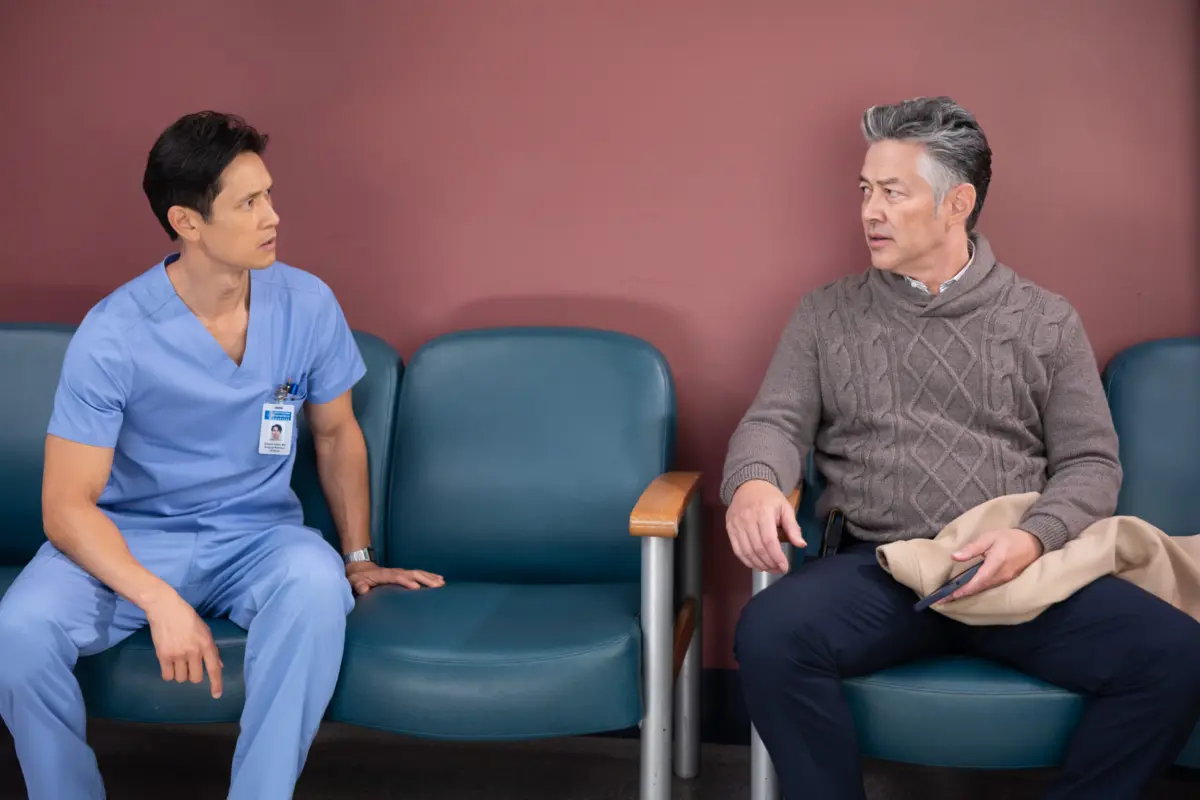
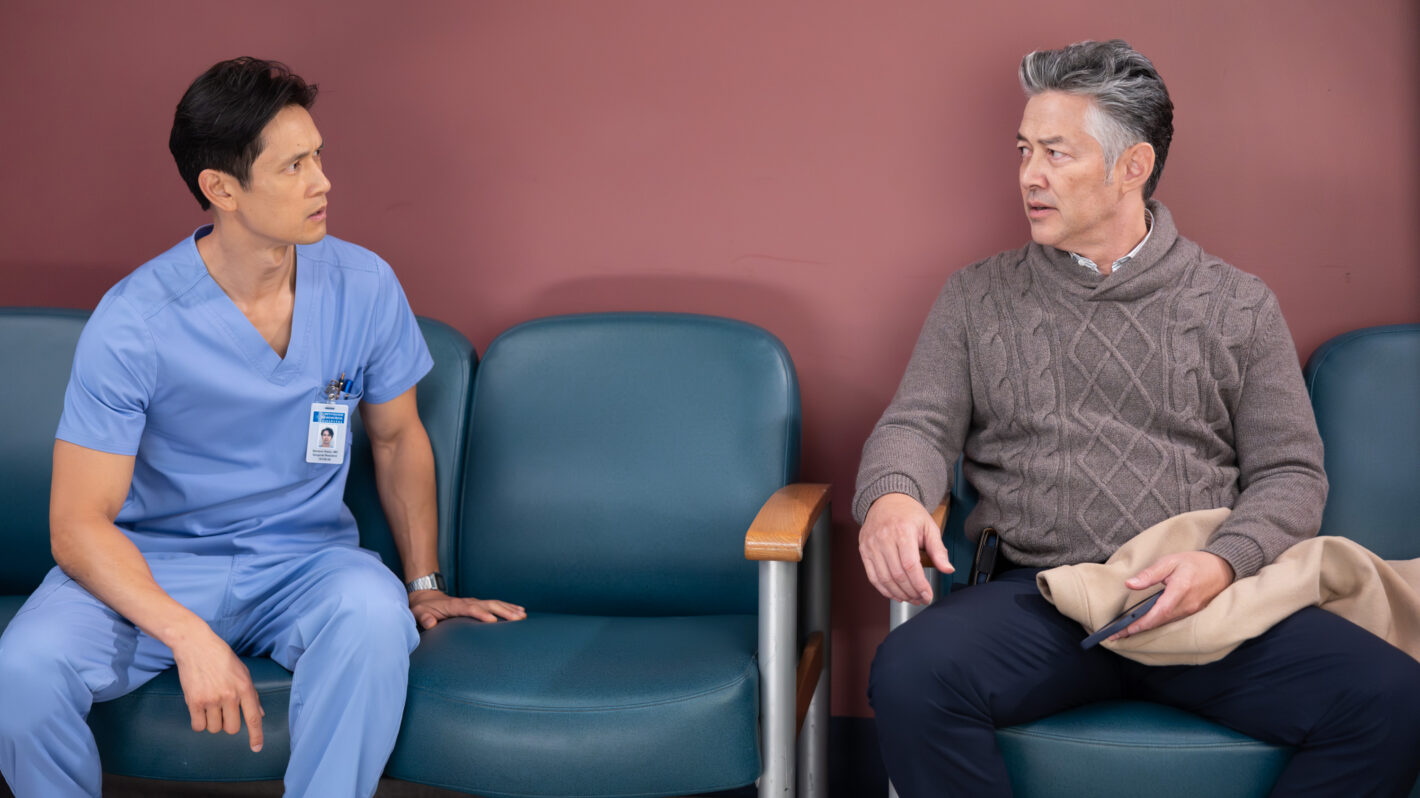
The central emotional arc of the episode focuses on Benson "Blue" Kwan, portrayed by Harry Shum Jr. The narrative surrounding his father’s sudden appearance at Grey Sloan provides a stark exploration of abandonment and the manipulation of biological ties.
Blue’s father, who left his family when Blue was only four years old, initially presented his arrival as a search for redemption. He claimed that his departure was spurred by severe clinical depression following a business collapse, citing shame as the primary barrier to his return. However, the subsequent revelation that the father was seeking a bone marrow transplant from his estranged son shifts the narrative from one of reconciliation to one of calculated survival.
The discovery, facilitated by Jules Millin (Adelaide Kane), highlights a recurring theme in Grey’s Anatomy: the professionalization of personal trauma. In a clinical setting, patients often rely on the expertise and physical biological compatibility of their caregivers. The ethical implications of this dynamic are significant. When a patient uses a physician’s biological link as a tool for their own recovery, it creates a conflict of interest that complicates the physician’s ability to remain objective. Blue’s eventual dismissal of his father—concluding that "karma is a bitch"—serves as a firm boundary-setting moment that may have long-term psychological ramifications for his character development.
Clinical Milestones and Trauma Recovery: Jo Wilson’s Return to OB
Jo Wilson (Camilla Luddington) faced the most significant professional hurdle of the season, confronting the deep-seated fears that led her to step back from the OB/GYN residency program. The episode’s title, "Stronger (What Doesn’t Kill You)," finds its most literal expression in her performance during a high-acuity field emergency.
When a close contact, Cori (Sarah Levy), suffered a prolapsed umbilical cord during a home birth, Wilson was forced to perform a crash cesarean section in an ambulance. This event is a critical turning point for the character. Medical literature on post-traumatic stress in physicians indicates that exposure to "trigger" environments—often defined as clinical scenarios that mirror past personal or professional failures—can result in performance degradation unless the subject successfully engages in "exposure-based desensitization."
By successfully delivering the child under extreme conditions, Wilson demonstrated that her skills remain intact. Dr. Richard Webber’s (James Pickens Jr.) subsequent approval for her to rejoin the residency program validates the hospital’s investment in its staff’s mental health, though it also raises questions about whether the high-pressure environment of Grey Sloan will continue to challenge her stability in the long term.
The Emerging Crisis of Substance Dependence: Atticus Lincoln
While the medical staff celebrated Wilson’s return, a subtler, more concerning narrative thread regarding Atticus "Link" Lincoln (Chris Carmack) began to surface. The episode hints at his growing reliance on prescription medication, a scenario that is historically fraught in the hospital’s history.
Amelia Shepherd (Caterina Scorsone), given her clinical background in neurology and her own history with substance misuse, appears to be the only person cognizant of Link’s behavioral shifts. The sociological implication of "hidden" substance abuse among surgeons is a well-documented risk factor in healthcare, often linked to the intense demands of surgical specializations. The tension between Link’s outward performance and his internal struggle suggests that the show is positioning his arc as a major focal point for the remainder of the season.
Domestic Strain and Professional Boundaries
The episode also addressed the evolving nature of the marriage between Miranda Bailey (Chandra Wilson) and Ben Warren (Jason George). Their conflict, sparked by Bailey’s academic collaboration with a male peer, reflects the challenges of maintaining a partnership when both individuals are deeply invested in their respective career trajectories.
The couple’s resolution—discussing the necessity of domestic support—speaks to a broader reality for dual-income professional families. Their agreement to reevaluate their home-life structure is a practical approach to mitigating the stress that often leads to interpersonal friction. Meanwhile, the subplot involving Simone Griffith (Alexis Floyd) and Lucas Adams (Niko Terho), contrasted against the presence of Wes Bryant (Trevor Jackson), illustrates the complex social dynamics that occur when ex-partners work in close proximity within a high-stress workplace.
Medical Accuracy and Institutional Context
The episode’s inclusion of a measles outbreak provides a grounded, contemporary look at public health challenges within a fictional framework. The case of the patient with Common Variable Immunodeficiency (CVID) serves as a reminder of the fragility of immunocompromised individuals in a society where vaccine-preventable diseases are seeing a resurgence.
From a production standpoint, the accuracy of the procedures depicted—ranging from the ambulance C-section to the management of an infectious disease outbreak—maintains the show’s legacy of blending high-stakes medical fiction with real-world health awareness. The decision to send staff home for potential exposure is consistent with hospital protocols designed to prevent nosocomial infections, adding a layer of authenticity to the daily operations of the fictional Grey Sloan Memorial.
Future Implications and Narrative Trajectory
As the season progresses, the implications of these developments remain significant:
- The Ethics of Family and Medicine: Blue’s decision to cut ties with his father suggests a departure from the "reunion" trope often found in medical dramas, favoring a more realistic approach to reconciliation, or the lack thereof.
- Professional Sustainability: The return of Jo Wilson to the OB/GYN program is a victory for the character, but the show is clearly setting up a parallel crisis with Link, suggesting that while one surgeon finds their footing, another may be on the precipice of a collapse.
- Institutional Stability: The ongoing personal drama among the residents and attendings highlights the cyclical nature of life at Grey Sloan. As Webber looks to the future, the stability of the program remains contingent on the mental and physical well-being of its core staff.
The narrative arc of "Stronger (What Doesn’t Kill You)" suggests that Season 23 is focusing on the resilience of its characters under extreme pressure. Whether dealing with the betrayal of a parent, the threat of addiction, or the demands of life-saving surgeries, the staff at Grey Sloan continue to operate in a high-consequence environment where every decision has a lasting impact on their professional and personal lives.
As viewers move toward the mid-season point, the question of whether these characters can maintain their composure under such duress remains central to the show’s appeal. With the stakes firmly established, the hospital’s upcoming shifts promise to test not only the surgeons’ technical capabilities but their character and resolve.